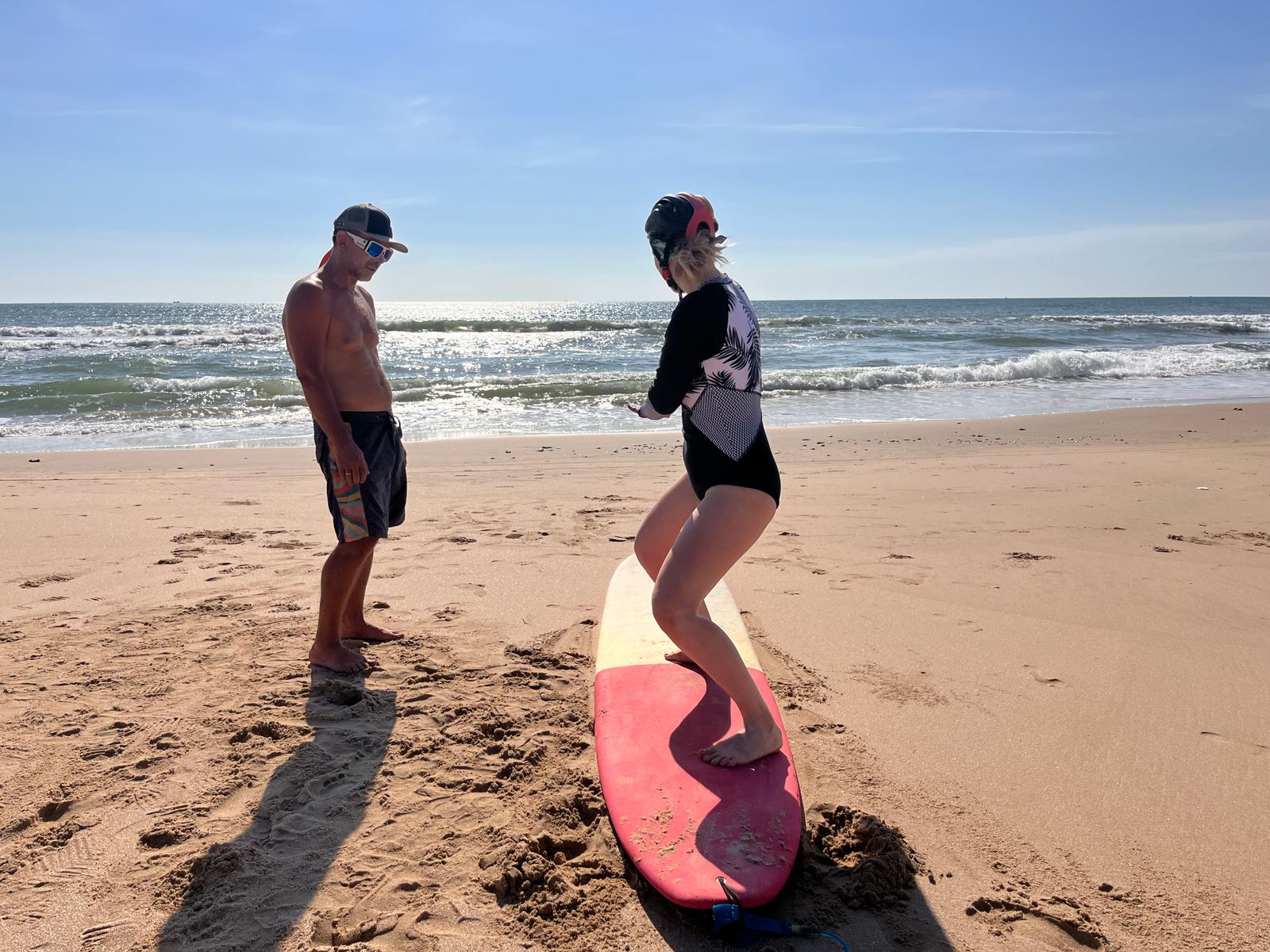
Starting out
Choose a surf lesson for your first day in the water
Find a first lesson whose meeting arrangements, equipment and teaching format leave you ready to learn, rather than trying to solve everything on the beach.
Starting out
Ask specific, current questions at an unfamiliar beach and leave room for the answer to change your plan.
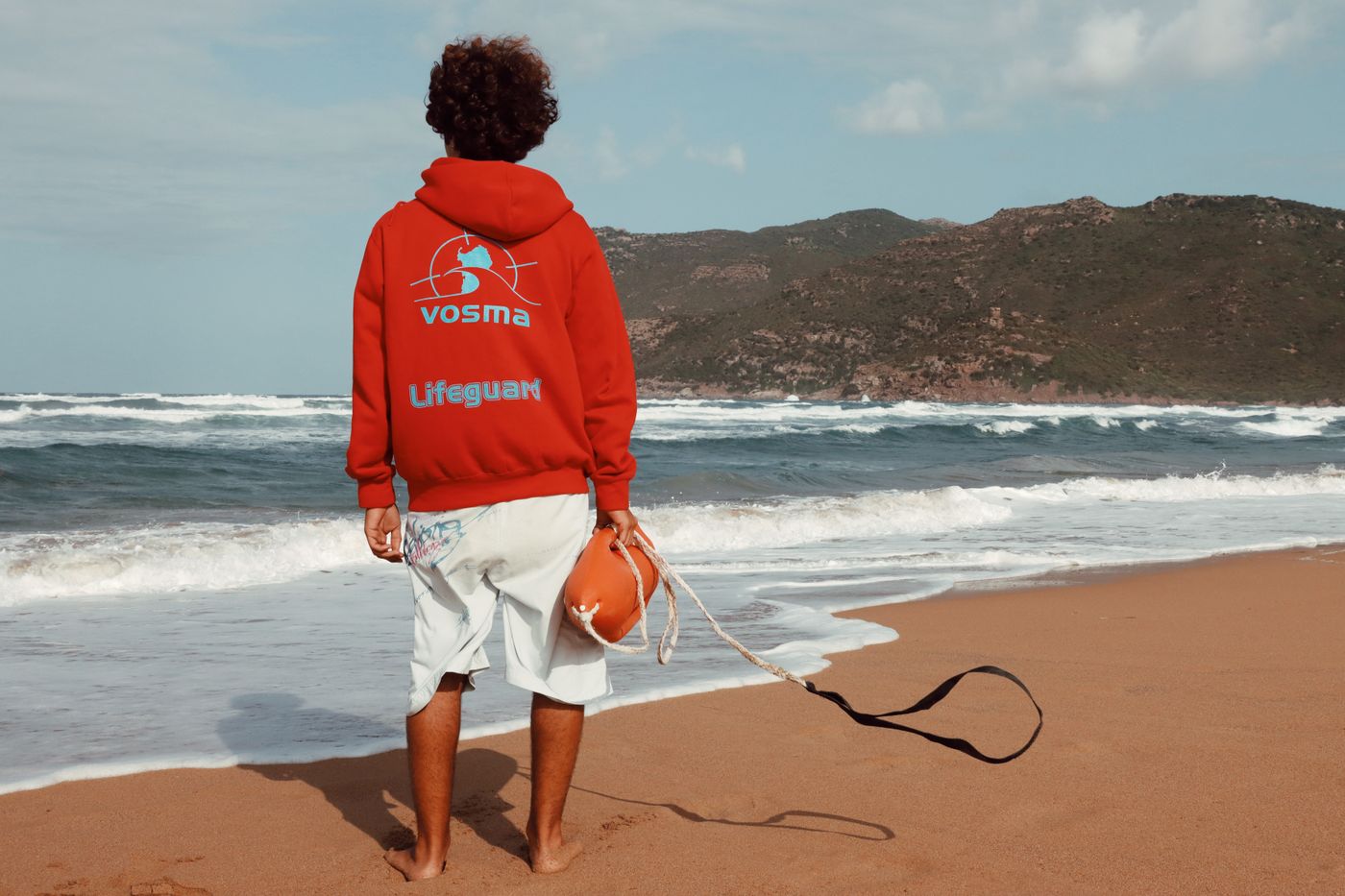
An unfamiliar beach deserves a fresh conversation even if an online guide calls it a beginner spot. That label cannot describe every tide, weather pattern or day. Start with the local lifeguard service where available and a qualified surf instructor who can assess your intended activity and experience.
The RNLI advises surfers to choose a lifeguarded beach and seek local advice. When you ask, explain that you are learning, say whether you have an instructor and identify the equipment you plan to use. “Is the sea okay?” is too broad to produce the same answer as a clear description of your plan.
Ask whether your proposed teaching or surfing area is appropriate now, whether any restrictions apply and what changes are expected during the time you intend to be there. Ask about access and exit arrangements as well as the water itself. A beach can become inconvenient or inaccessible by the route you used earlier.
Point out the exact area you mean. A large bay can contain several distinct sections, and a place name on a map may refer to more coastline than you realise. If you cannot identify the area in the answer, ask the person to clarify it before leaving the conversation.
Check when the information applies. Advice from the previous afternoon is not a substitute for current guidance. Likewise, a school explaining its lesson area does not automatically approve independent practice beyond that area or after the session ends.
Arrange your day so staying out remains a realistic option. If every other plan depends on entering the water, it becomes easier to rationalise an unclear answer. Bring a land-based alternative and avoid promising friends that a particular beach will deliver a session.
If different sources seem to disagree, stop and clarify the difference. They may be discussing different times, activities or levels of experience. Do not average conflicting advice into permission. A warning or closure is not cancelled by an old travel article or by seeing someone else in the water.
Record useful contact points for future visits, but keep the distinction between a directory and a decision. Knowing where to find the lifeguard station or school helps you ask again. It does not turn a previous answer into an enduring assessment of the beach.
Starting out
Find a first lesson whose meeting arrangements, equipment and teaching format leave you ready to learn, rather than trying to solve everything on the beach.

Starting out
Get clear answers about teaching, equipment and changes of plan before a surf school turns a provisional enquiry into a booking.