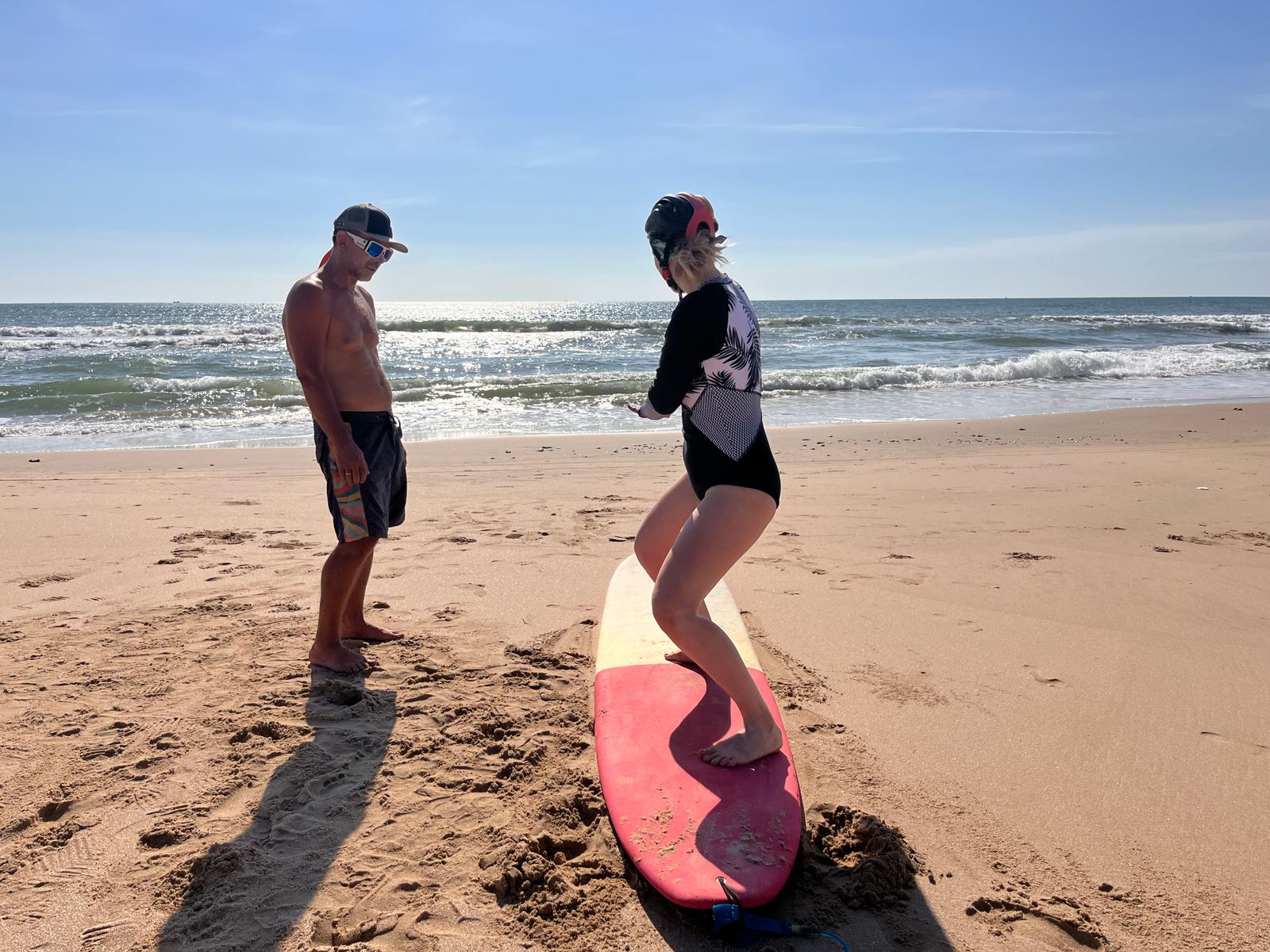
Starting out
Choose a surf lesson for your first day in the water
Find a first lesson whose meeting arrangements, equipment and teaching format leave you ready to learn, rather than trying to solve everything on the beach.
Wavebutler / 26 articles
Lesson choices, unfamiliar terminology and questions to ask before your first sessions.
26 articles
Starting out
Find a first lesson whose meeting arrangements, equipment and teaching format leave you ready to learn, rather than trying to solve everything on the beach.

Starting out
Get clear answers about teaching, equipment and changes of plan before a surf school turns a provisional enquiry into a booking.
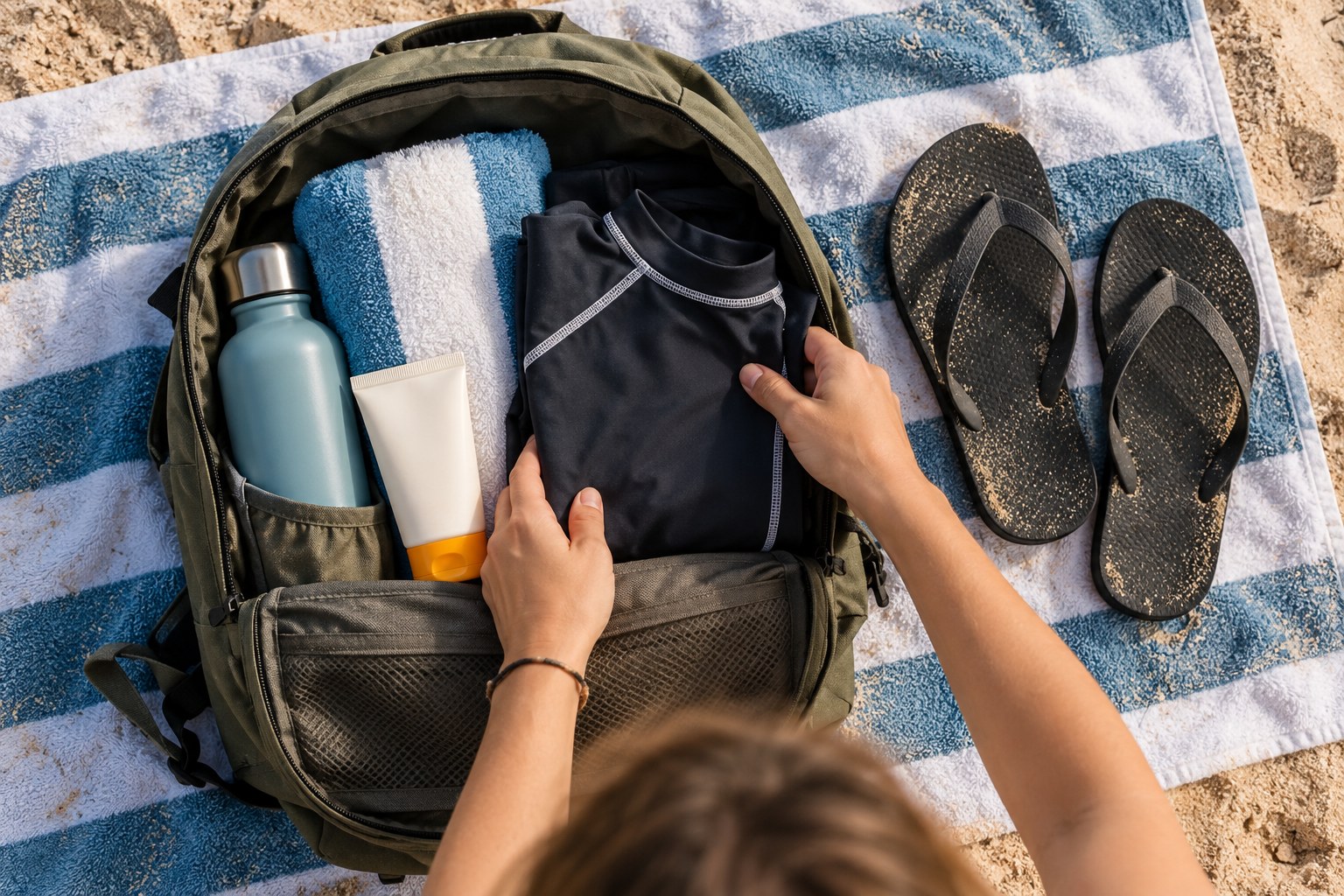
Starting out
Most first lessons need a modest personal bag, with the school confirming the specialist equipment before you set off.
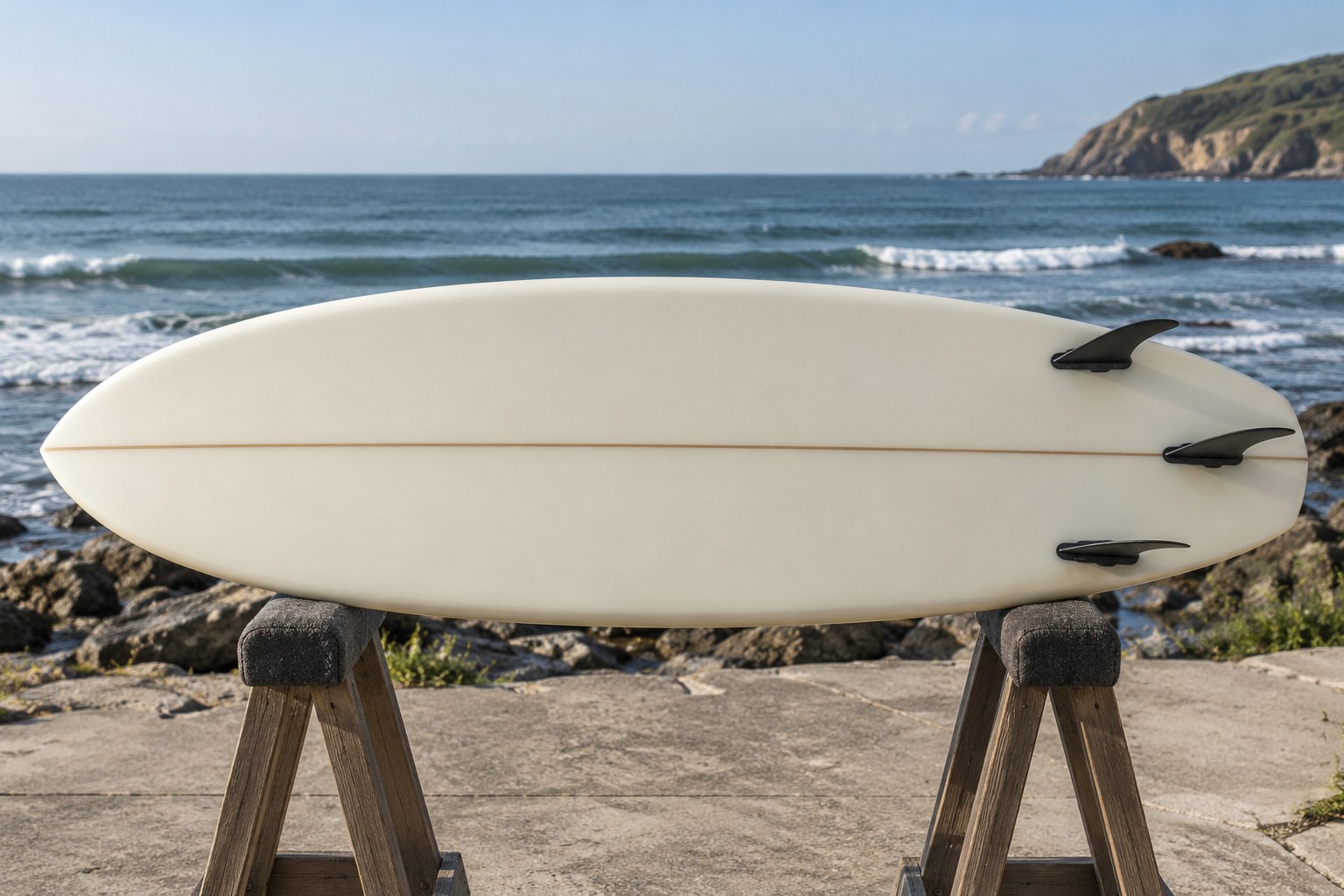
Starting out
Learn the names of the parts you will hear about in a lesson or shop, so a description of a board becomes easier to follow.
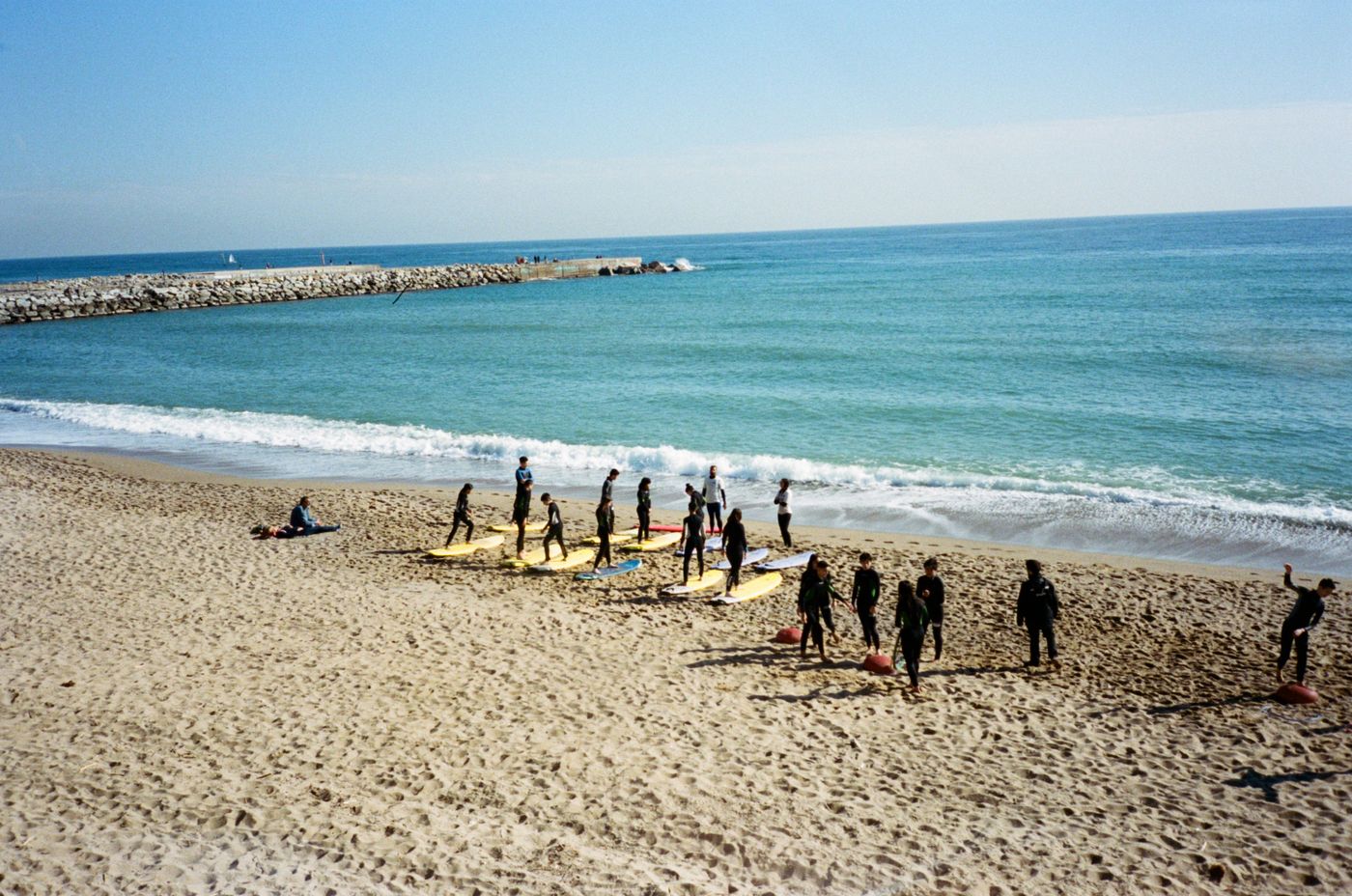
Starting out
Separate appointment length, instruction time and included equipment before deciding which lesson offers what you need.
Starting out
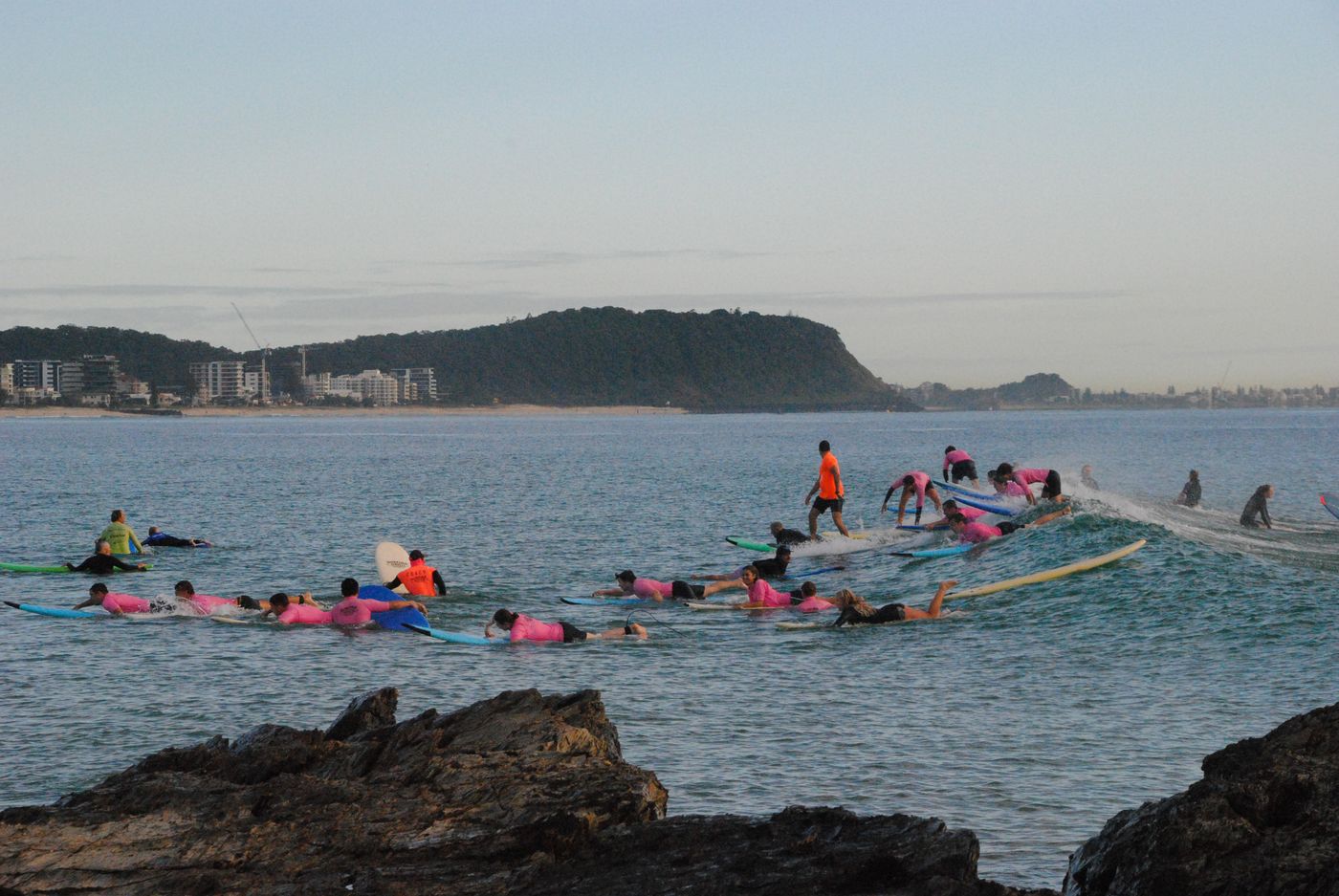
Choose a teaching format around the attention, pace and company you want, rather than assuming private always means better.
Starting out
Leave enough room for changing conditions, recovery and ordinary holiday plans when booking several days of instruction.
Starting out
A short record of feedback, equipment and unanswered questions can make your next lesson more focused.
Starting out
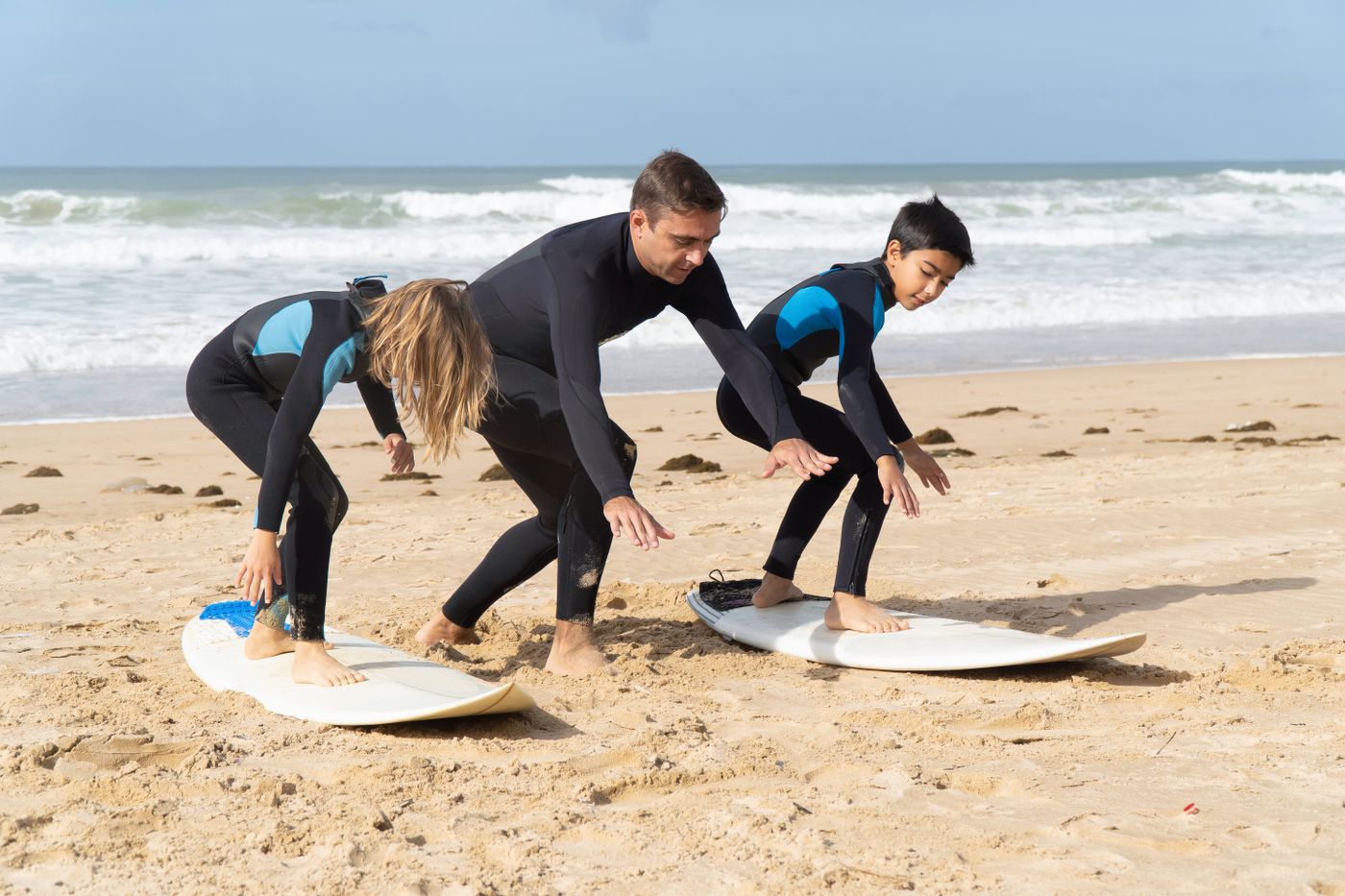
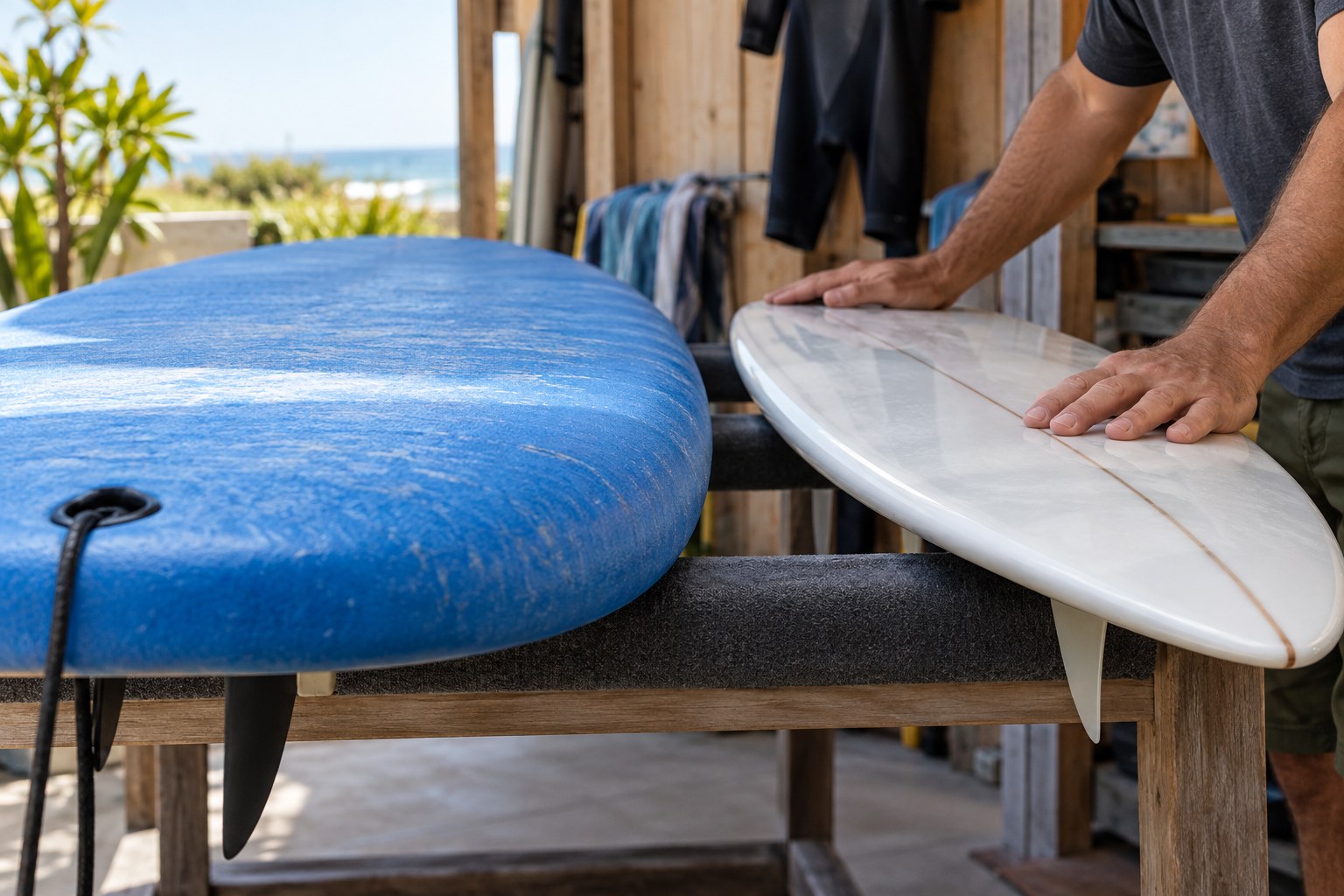
Regular and goofy describe which foot leads. Neither label is a ranking, and a first lesson gives you room to explore what feels workable.
Starting out
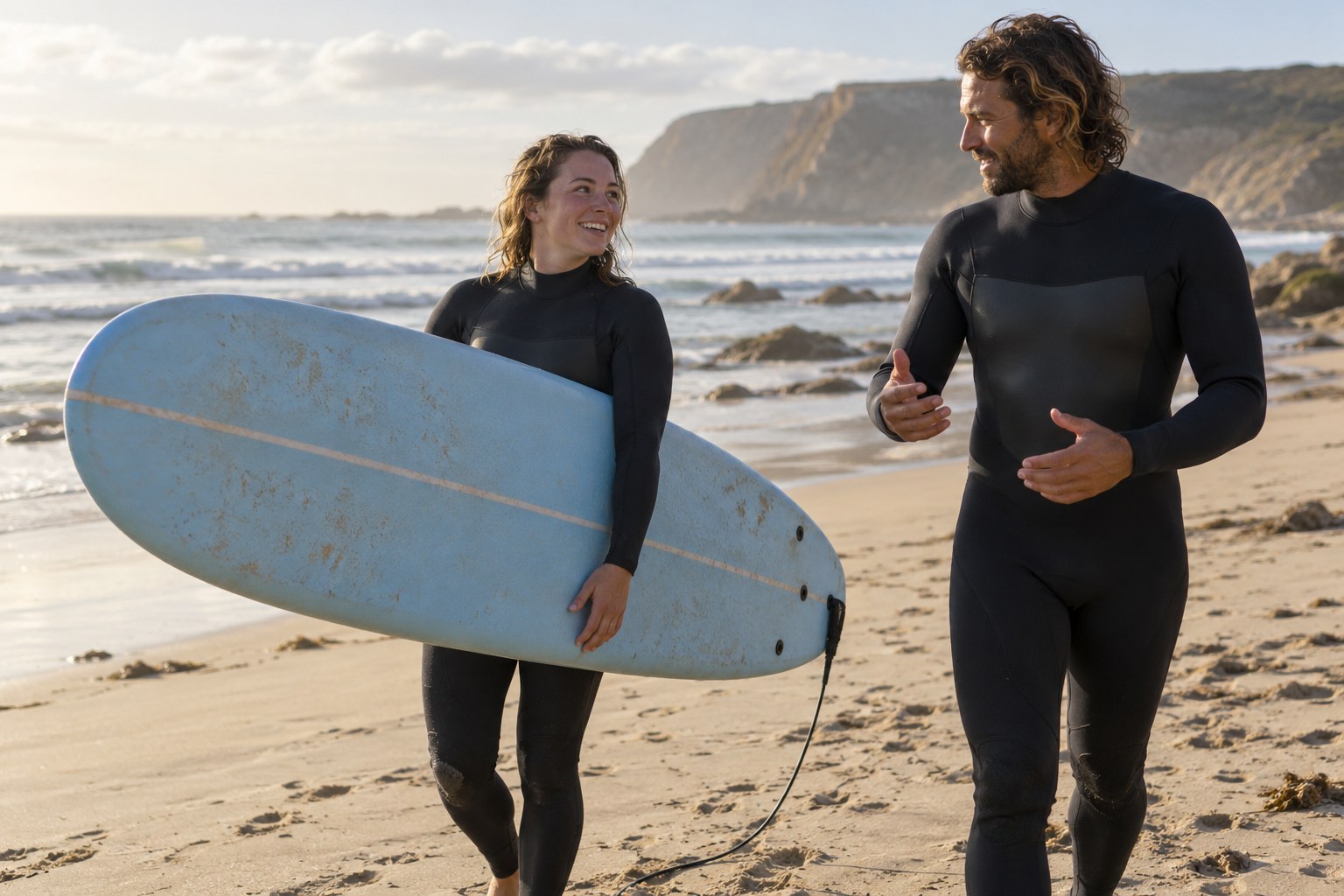
Litres describe one aspect of a board. Use the number to compare known models, then bring shape and your current experience back into the decision.
Starting out
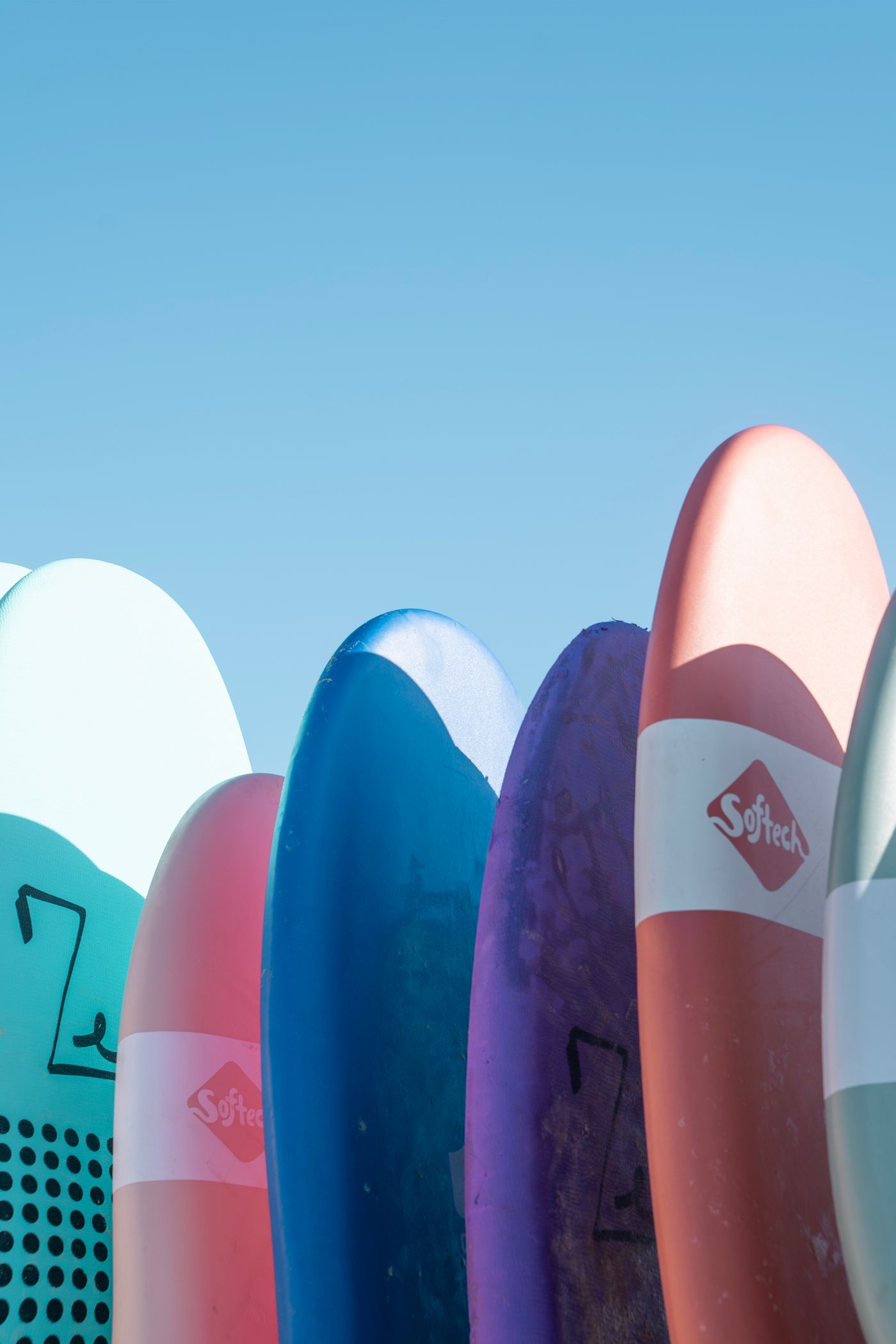
Discuss a board's complete size and shape with your instructor before assuming a smaller board will make learning easier.
Starting out
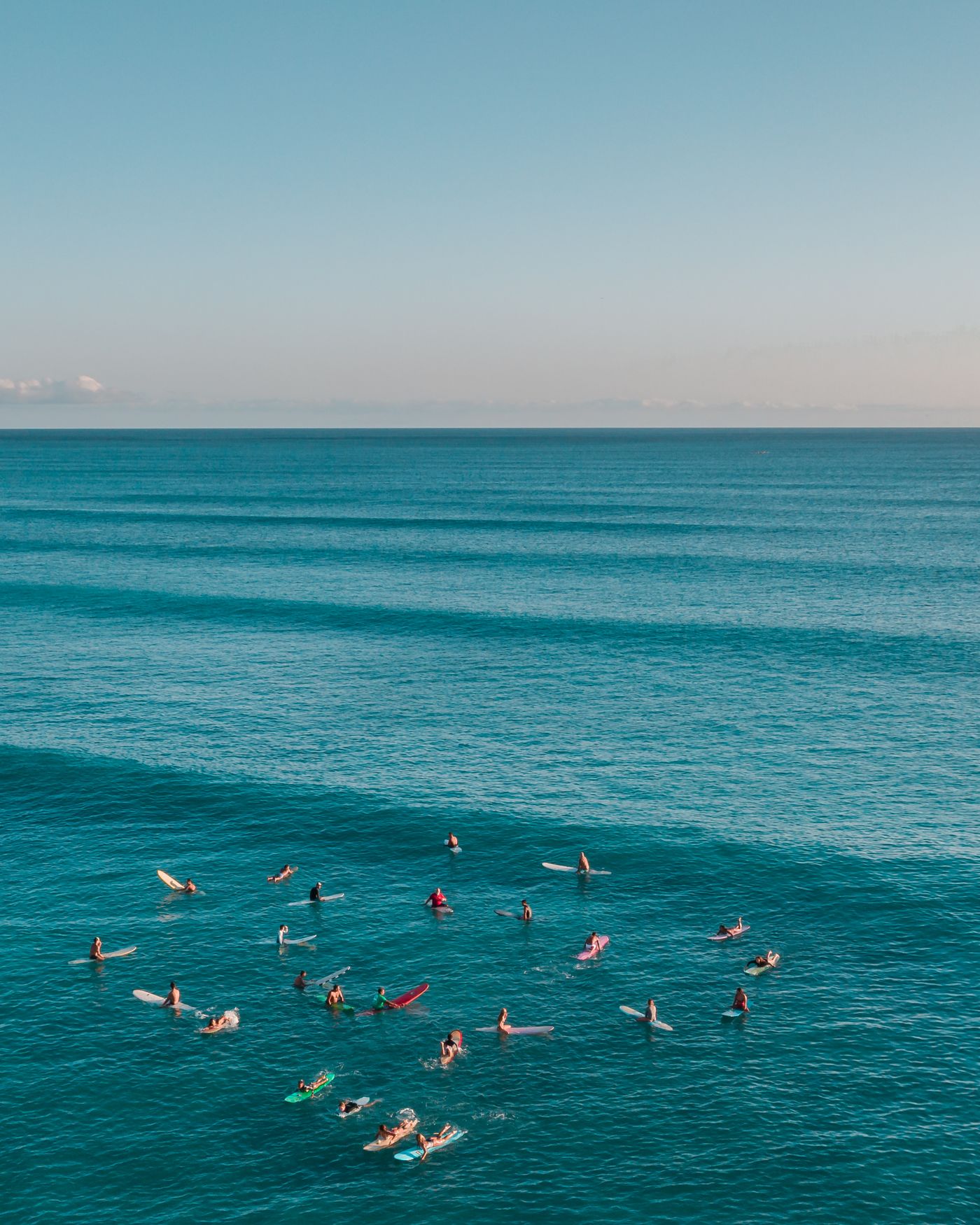
Foam boards vary in outline, construction and intended use. Compare the actual rental options instead of treating every soft deck as the same board.
Starting out
Use surf etiquette as a reason to get a local briefing, especially before moving from a lesson area into a busier setting.
Starting out
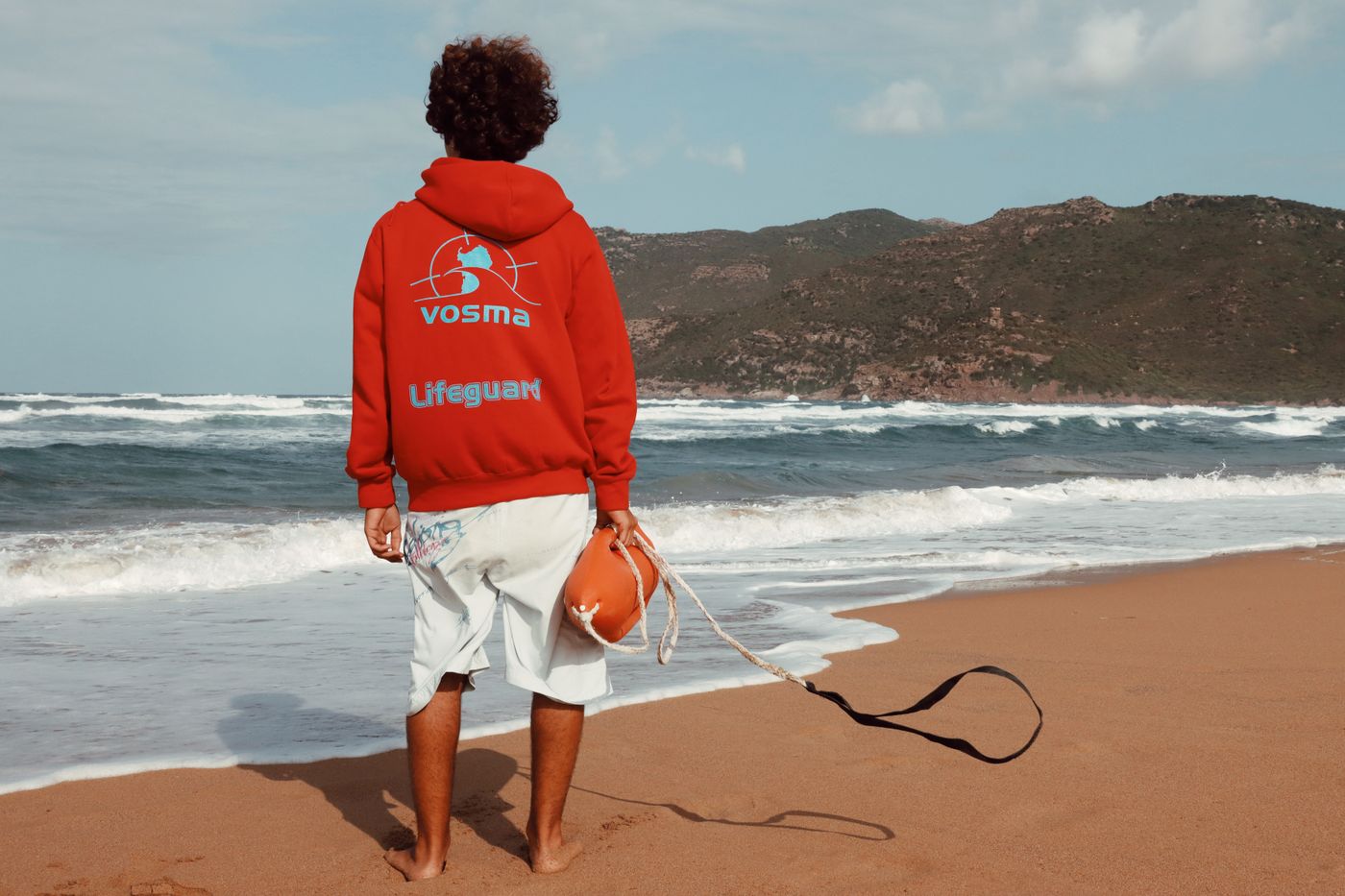
Ask specific, current questions at an unfamiliar beach and leave room for the answer to change your plan.
Starting out
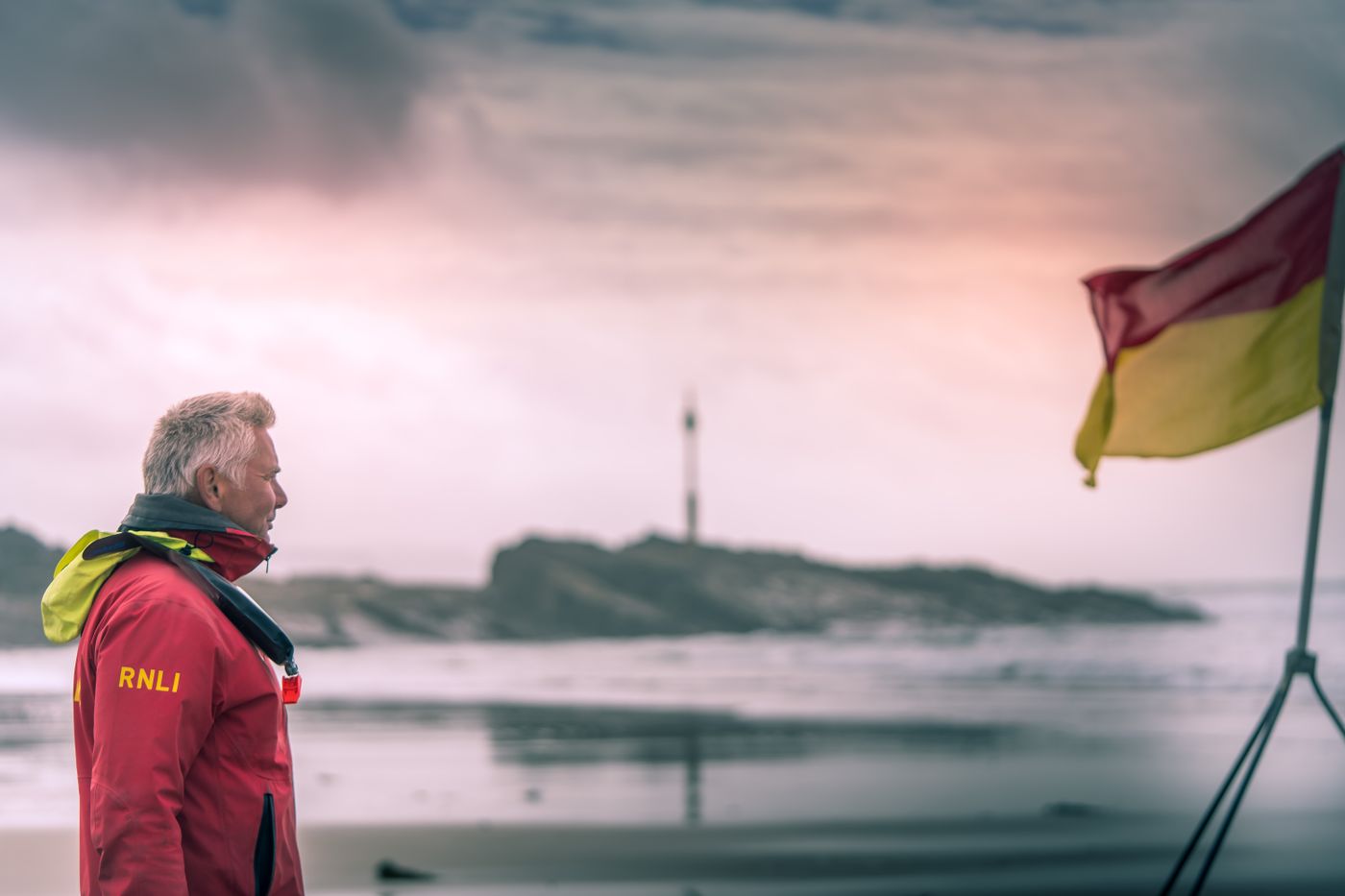
Check patrol dates, the exact beach area and on-the-day information before building a visit around a lifeguard service.
Starting out
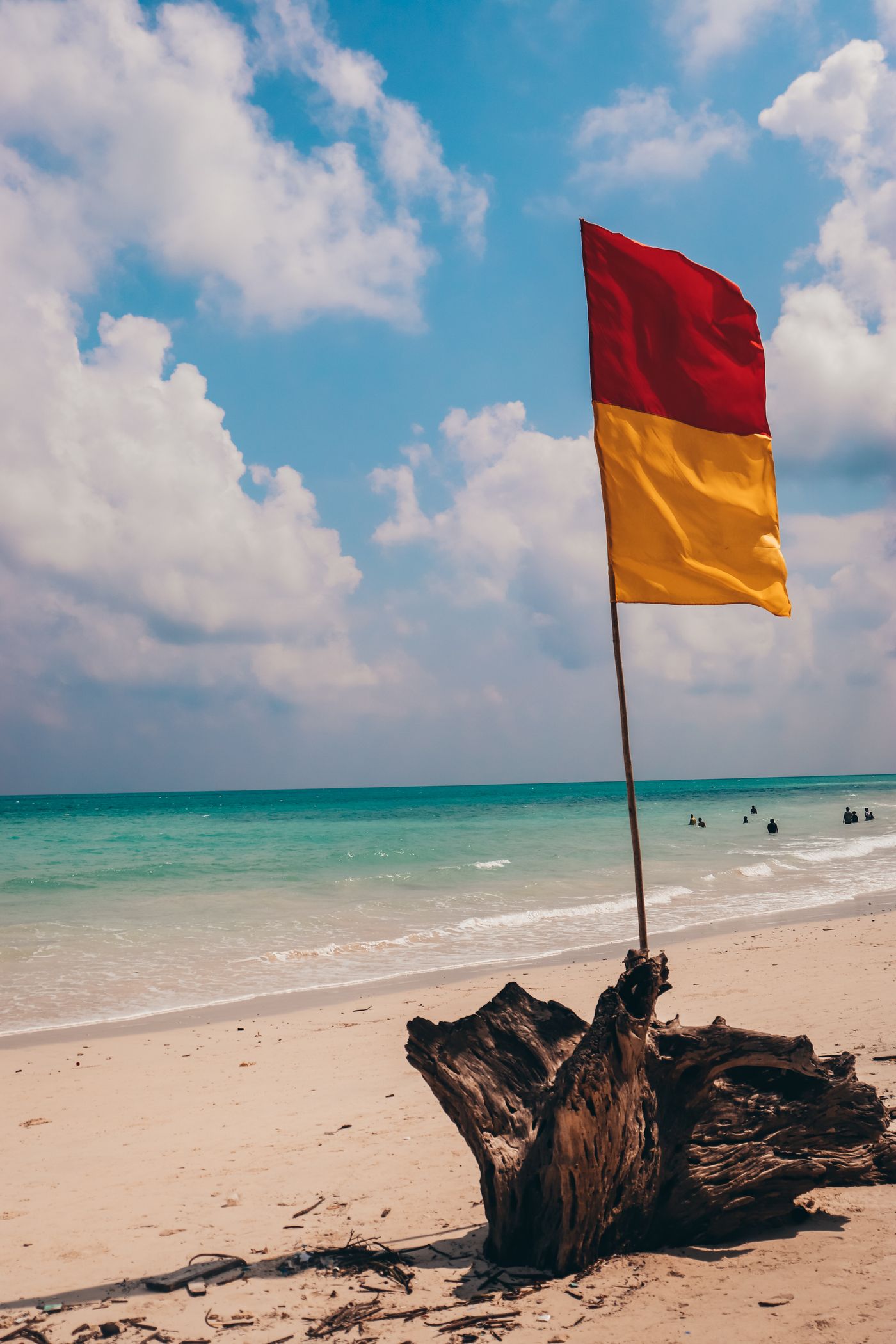
Read the local flag system before choosing an activity area; colours and patterns need the beach's own explanation.
Starting out
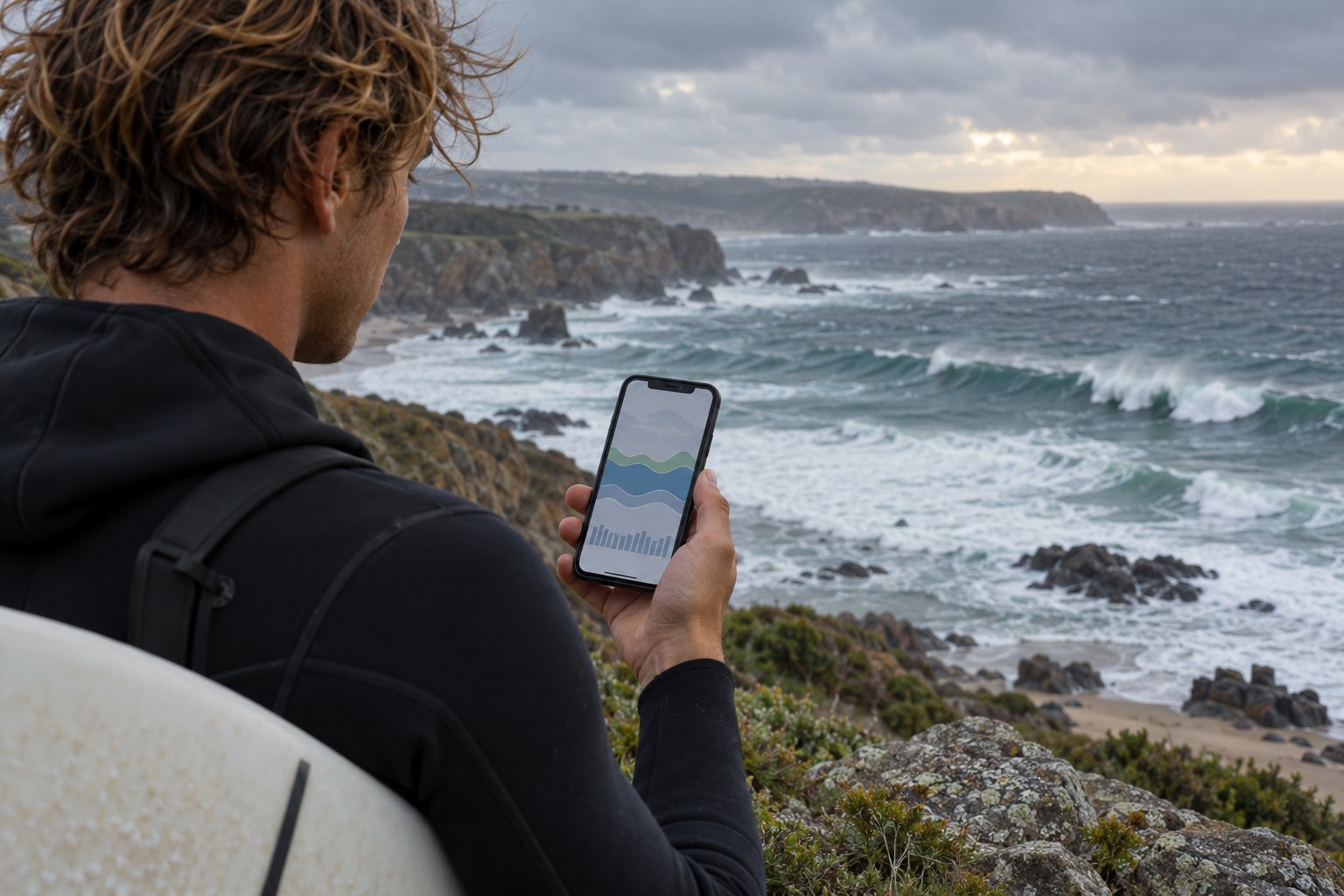
A forecast helps frame questions about a session. It cannot replace current local observation or an assessment of your own ability.

Starting out
Wave period adds information to height, but a longer interval is not a simple signal that conditions are better for a learner.
Starting out
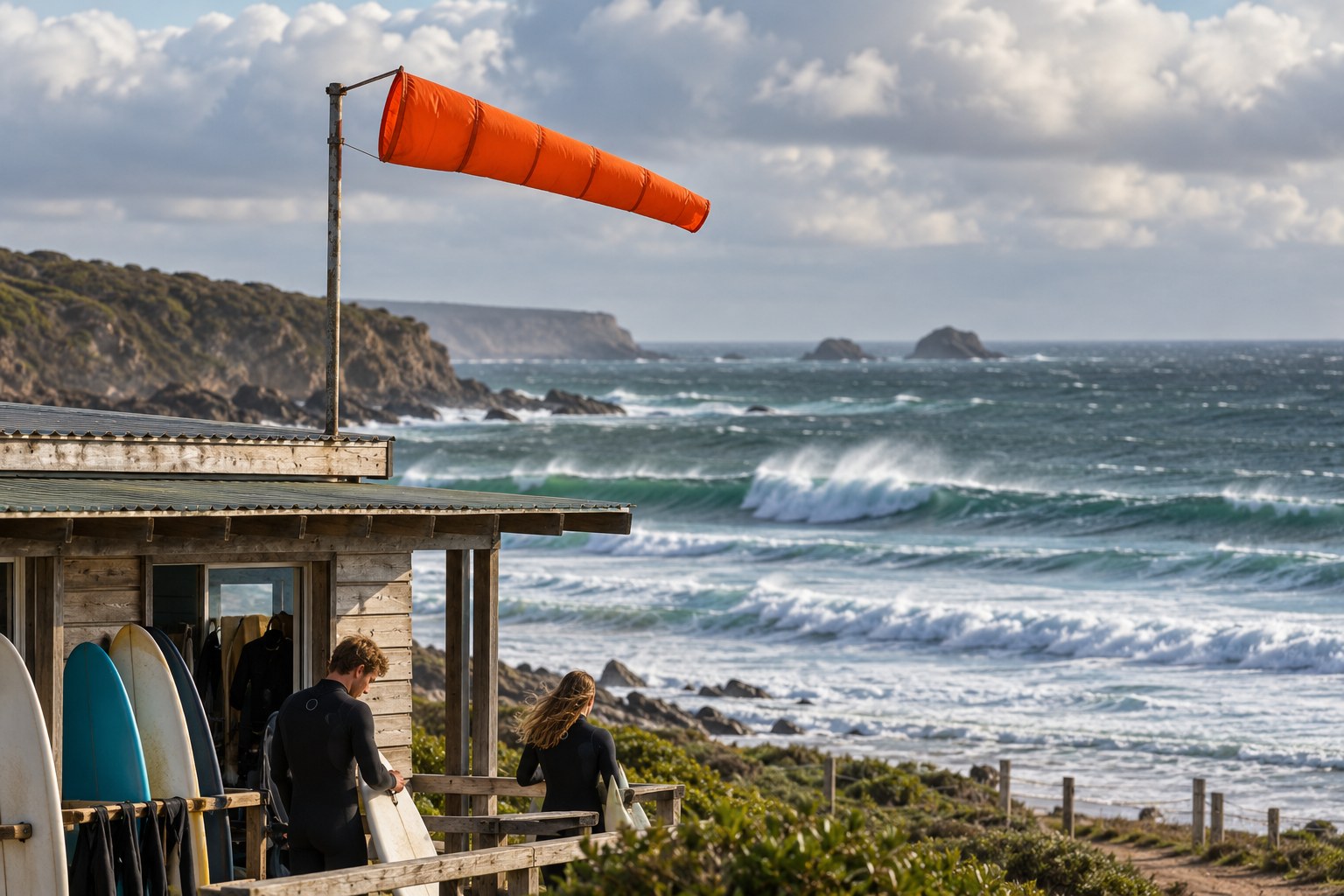
Wind direction only becomes meaningful when you relate it to the beach orientation, the forecast's notation and current local advice.
Starting out
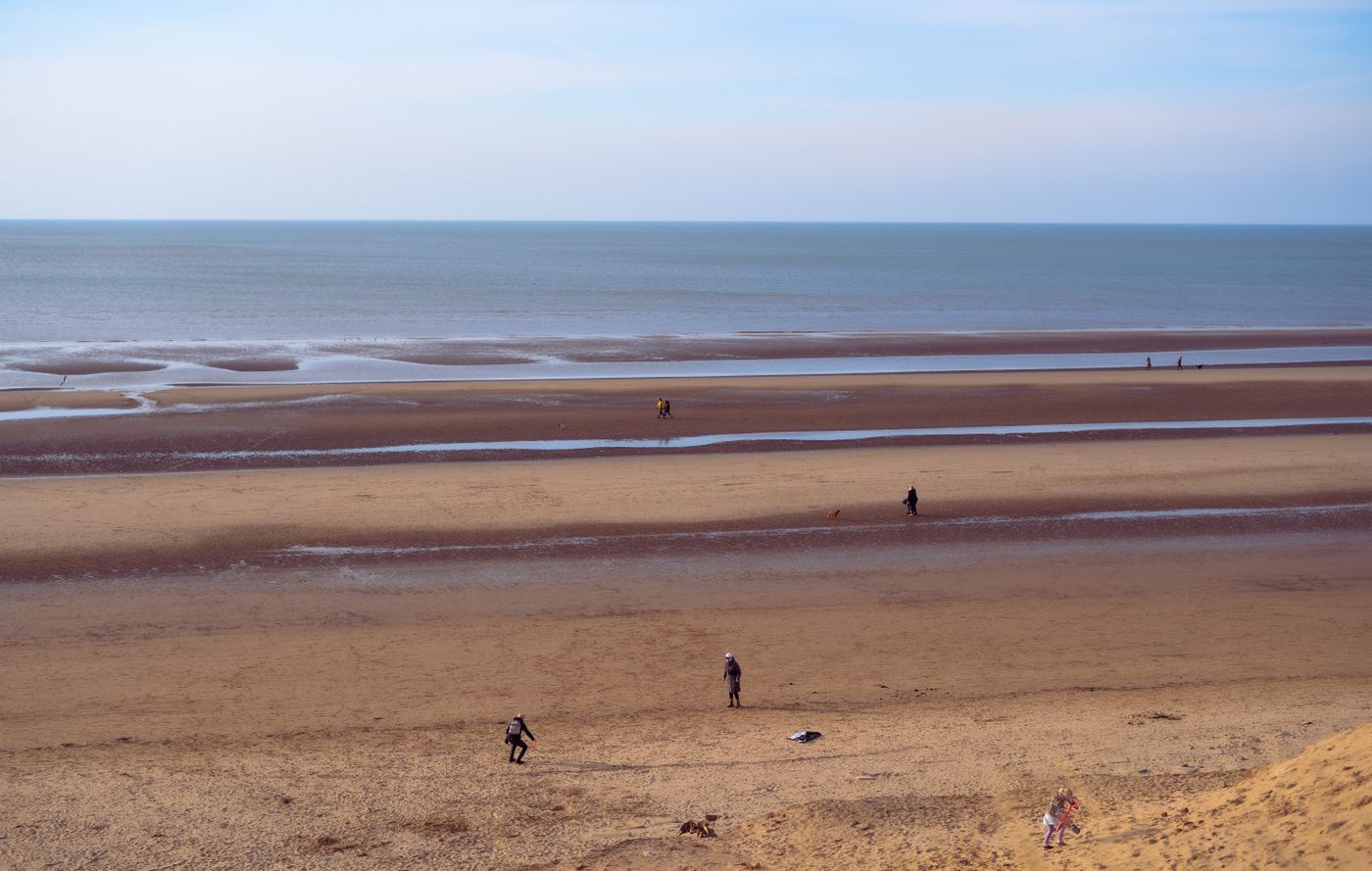
Use a tide table for the right place and time, then ask how those water levels affect the beach you intend to visit.
Starting out
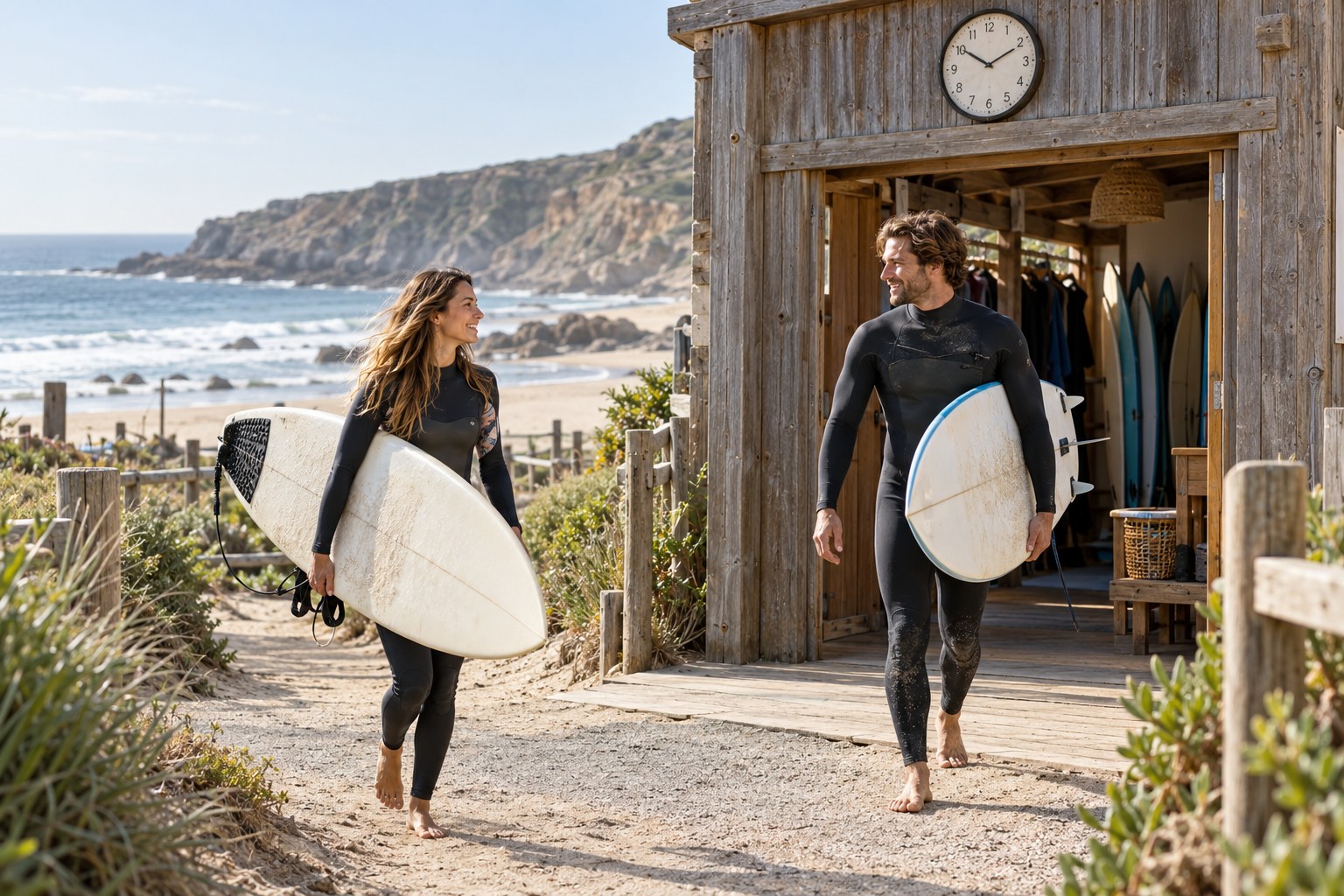
A precise meeting point and a realistic journey make the beginning of a lesson considerably easier to manage.
Starting out
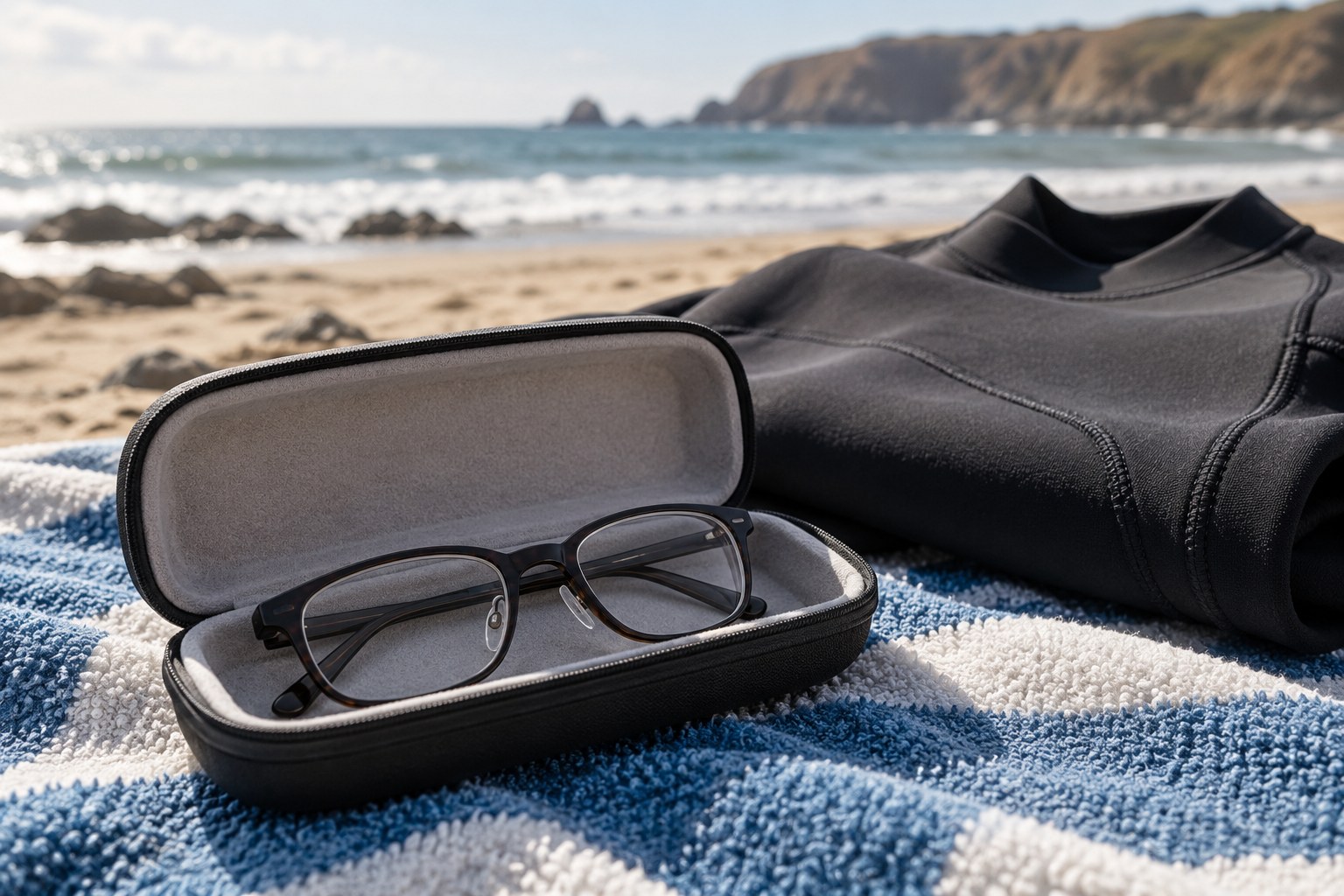
Discuss vision needs before the booking, and arrange any water-suitable eyewear through an eye-care professional rather than improvising at the beach.
Starting out
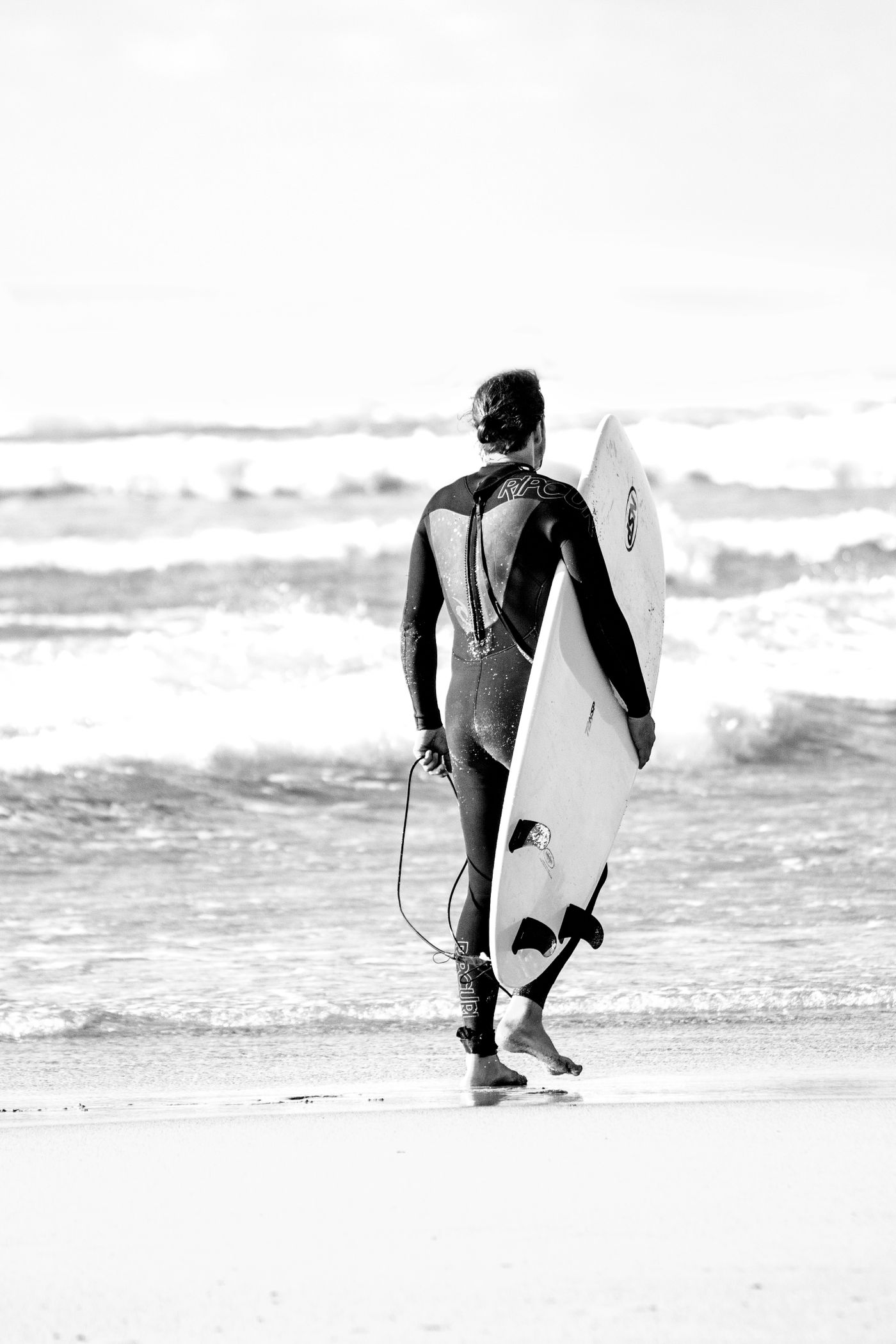
Book a return lesson around your current experience and circumstances, rather than the level you remember reaching years ago.

Starting out
A shared trip works more smoothly when surfing has a defined place in the timetable and nobody has to spend every morning waiting on the sand.
Starting out
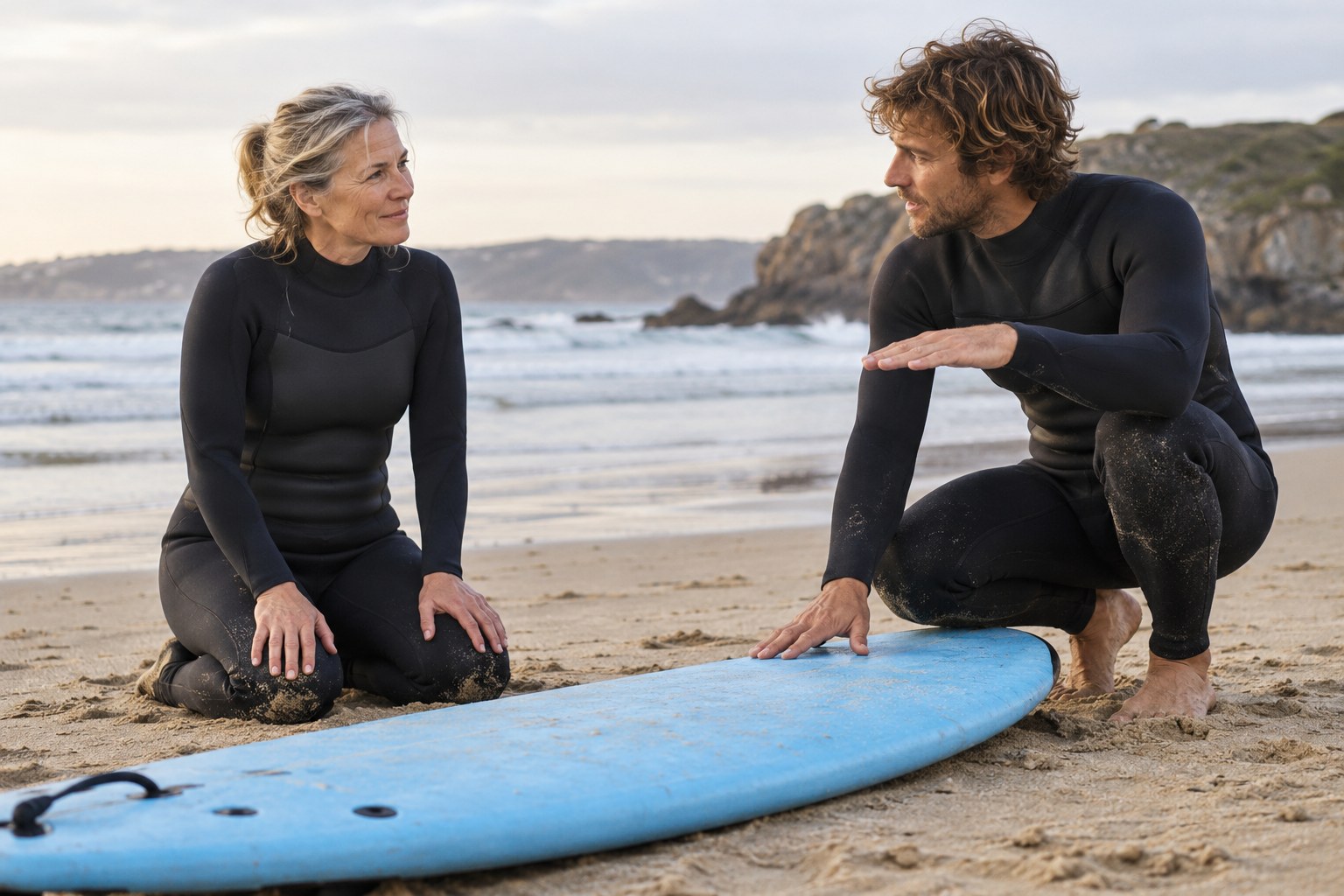
Give an adult first lesson a useful purpose without turning it into a test of age, fitness or how quickly someone else stands up.
Starting out
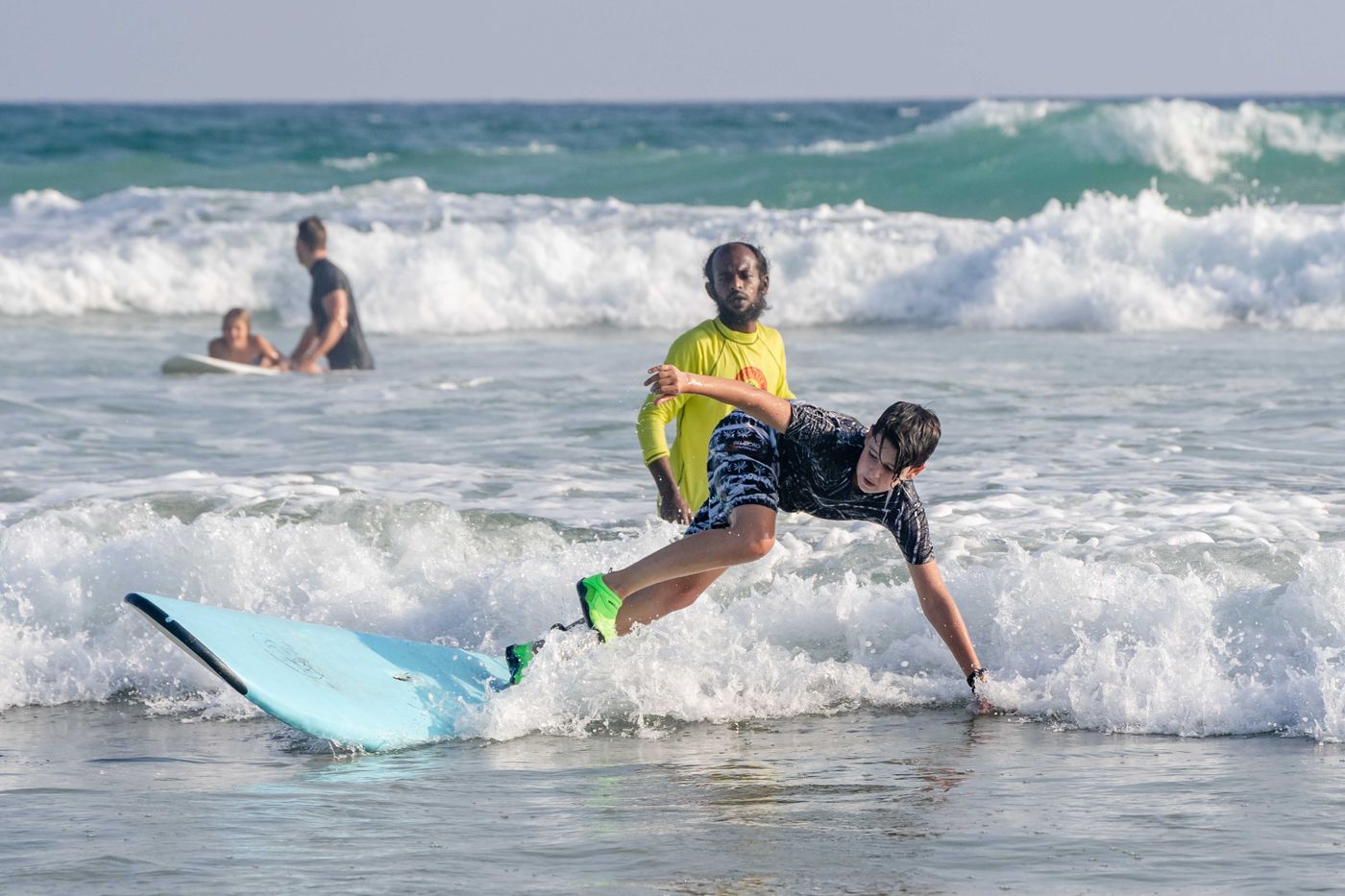
Look at the teaching, communication and useful feedback when deciding what a lesson gave you.
No matching articles. Try another term or clear your choices.