Starting out
Starting out
Boards & equipment
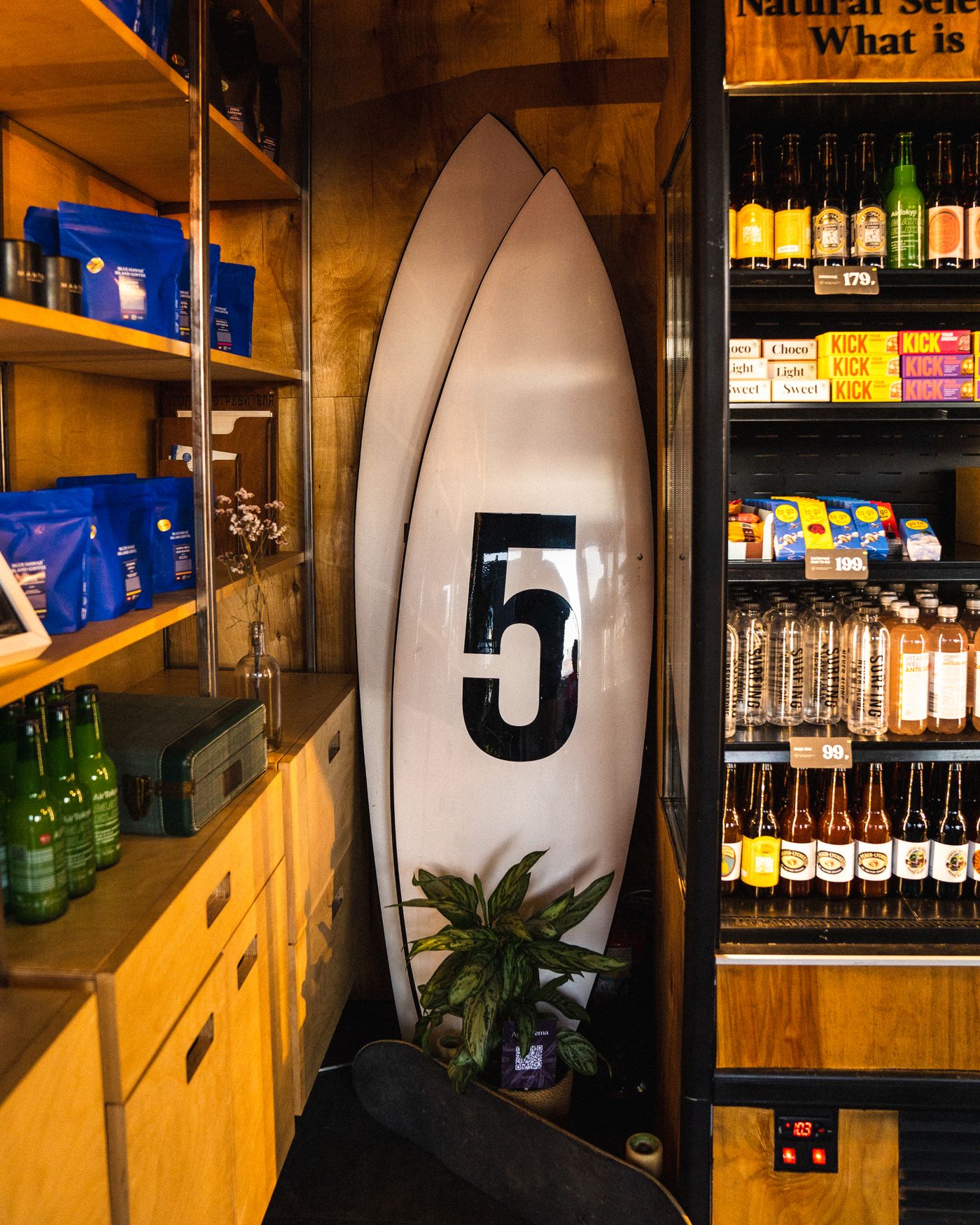
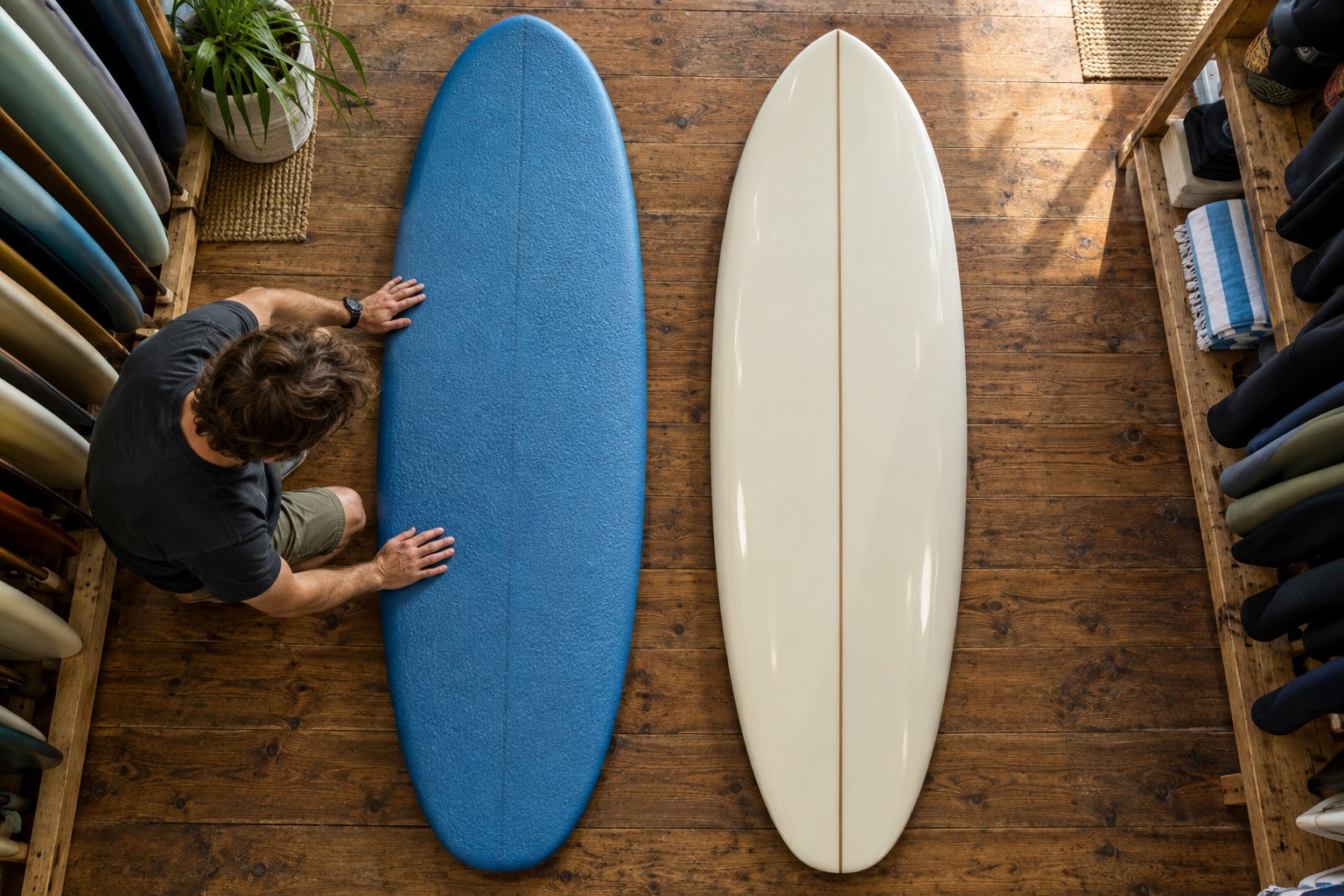
Choose construction alongside shape, condition and the way you will use the board, rather than treating a hard board as an automatic upgrade.
Boards & equipment
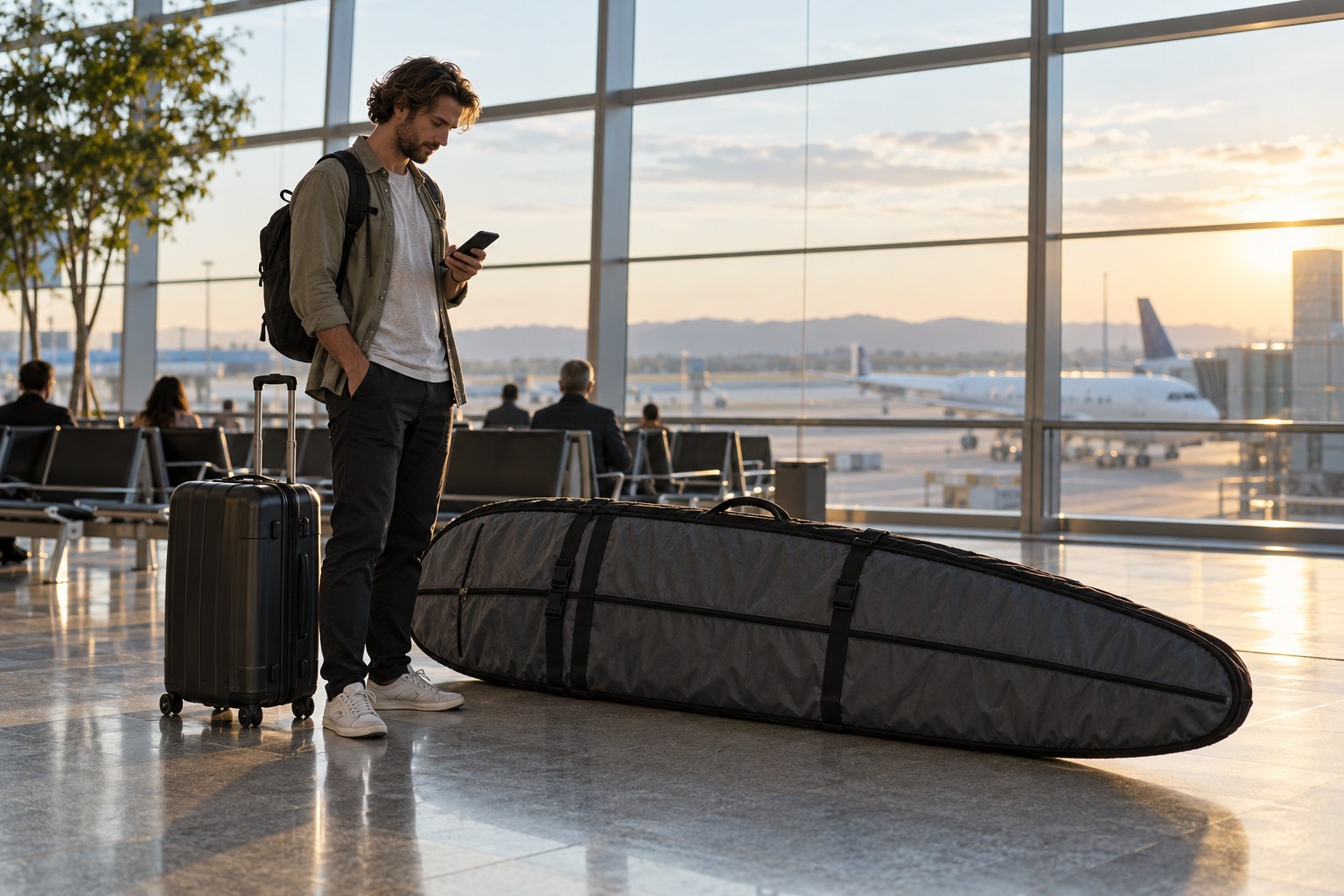
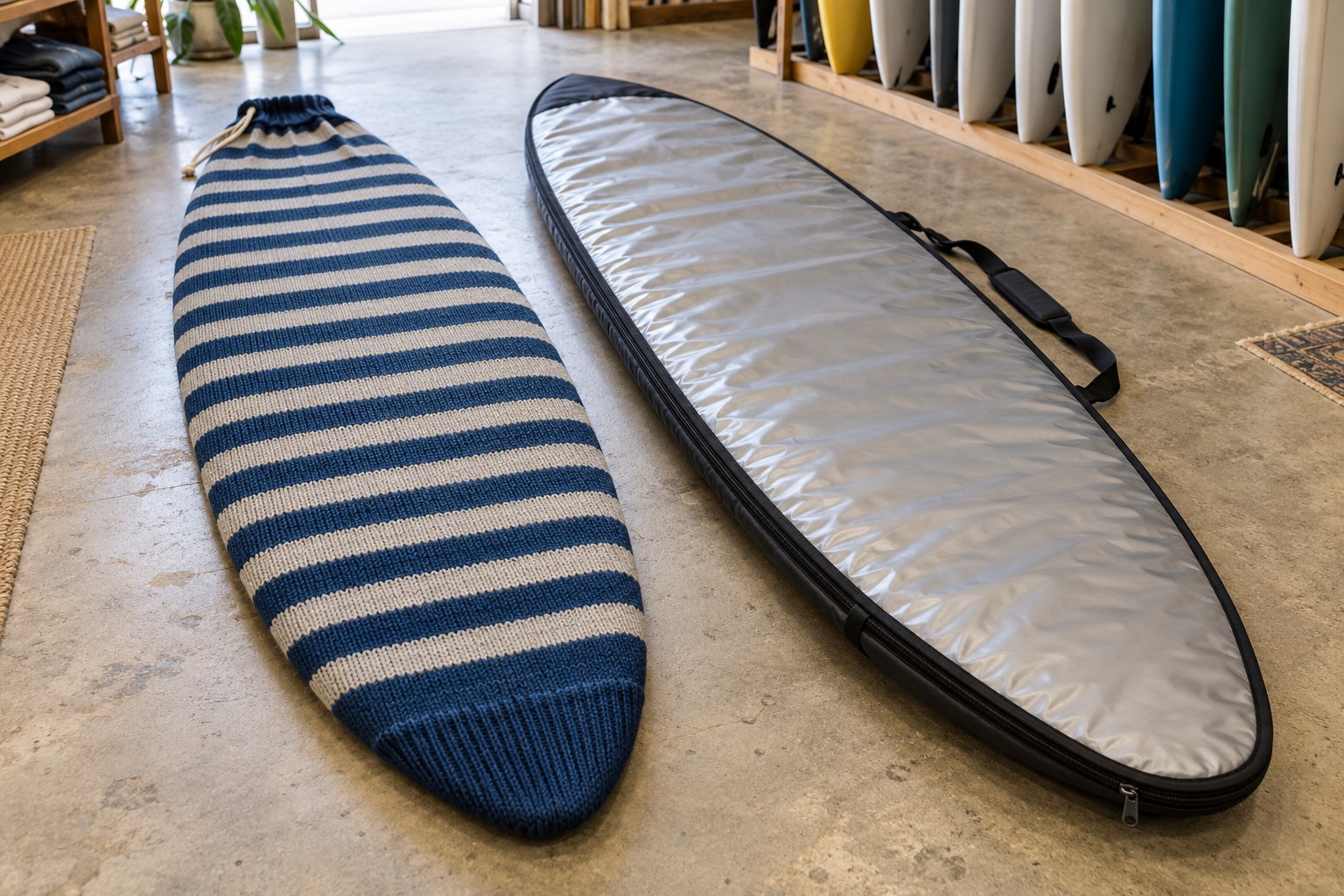
A knitted cover and a padded day bag solve different carrying problems. Compare the journey, the board shape and where the cover will be stored.
Surf travel
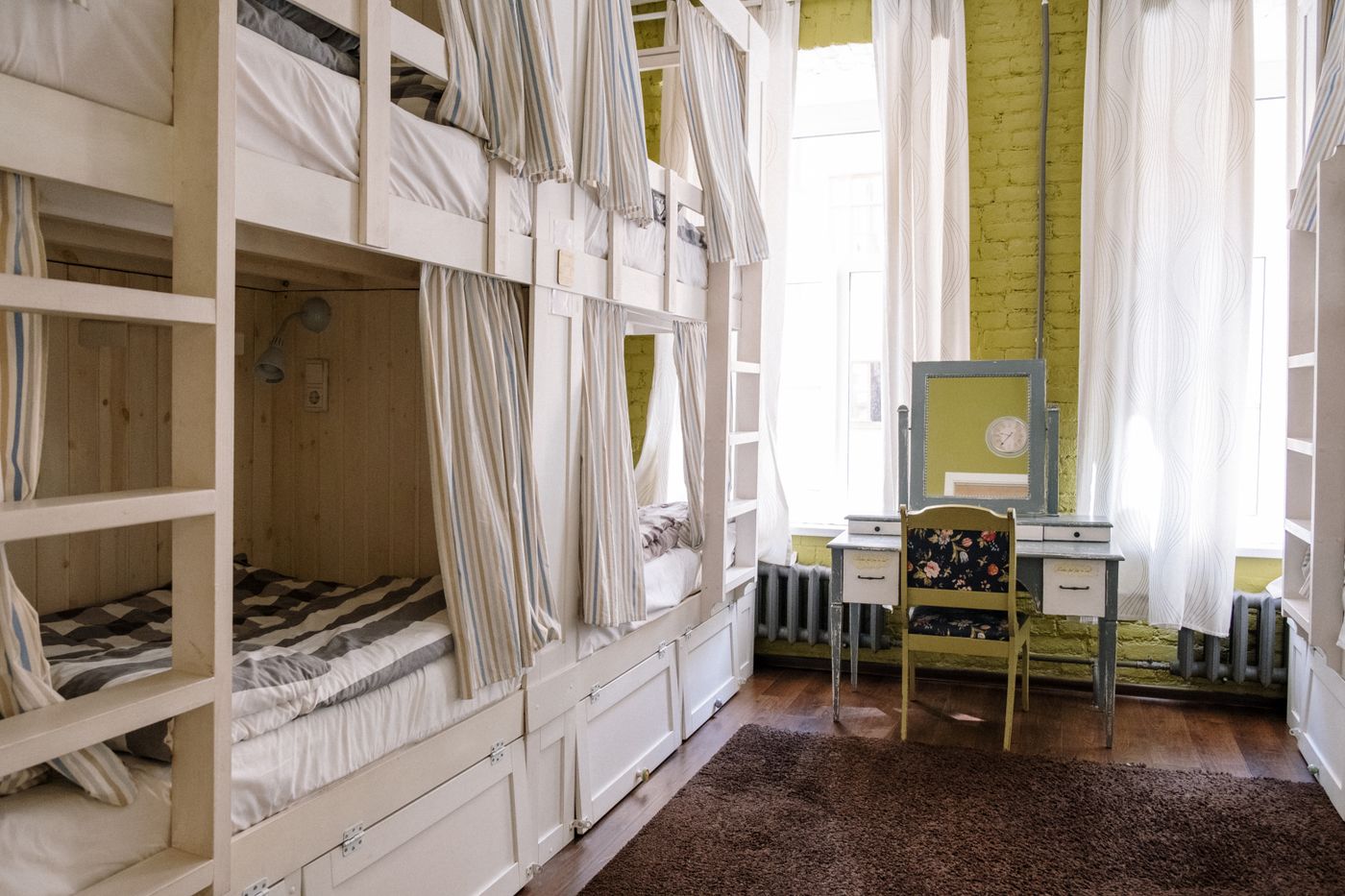
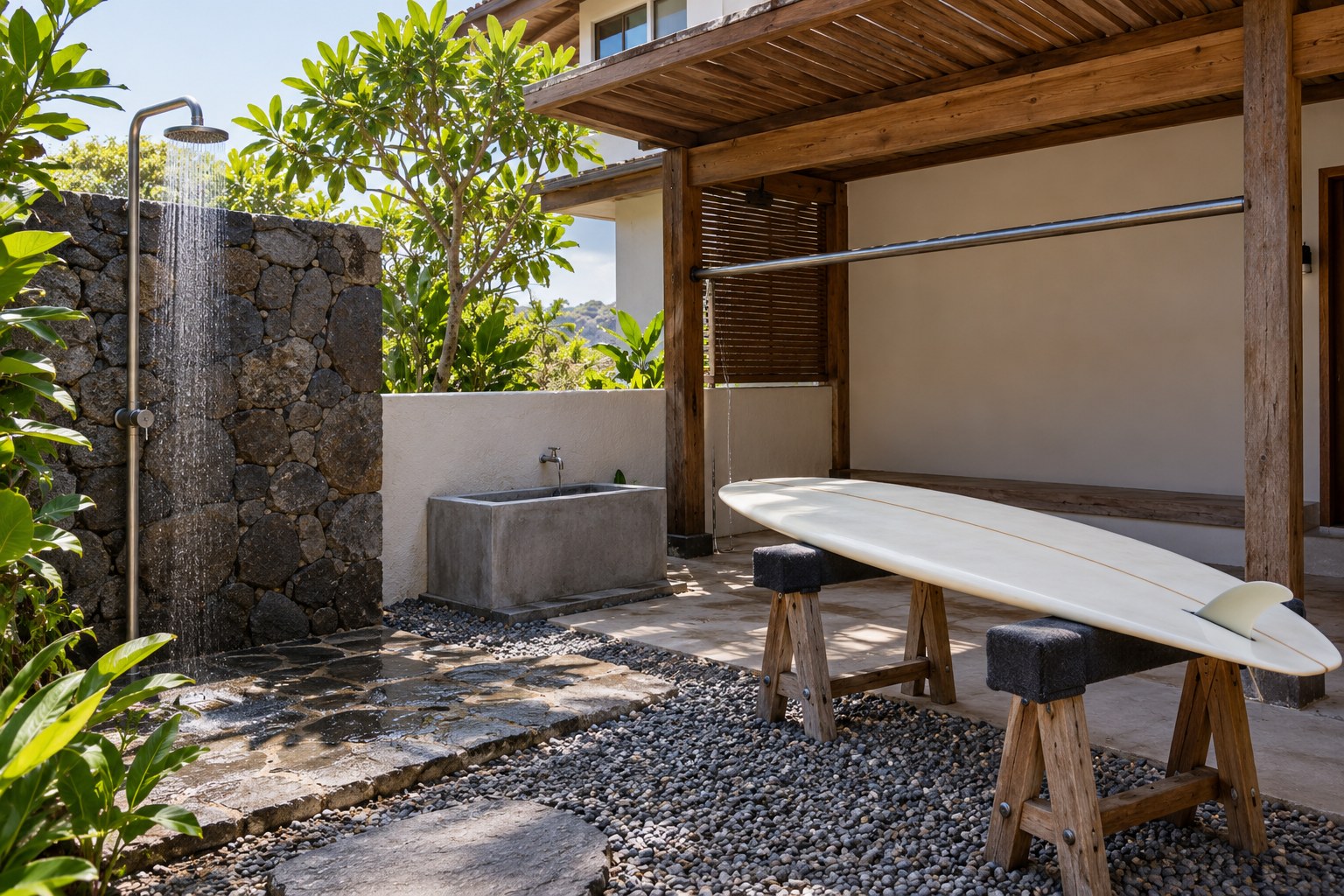
Look for an actual rinse point, a workable drying space and permission to use them; a photograph of a balcony does not answer all three questions.
Care & storage
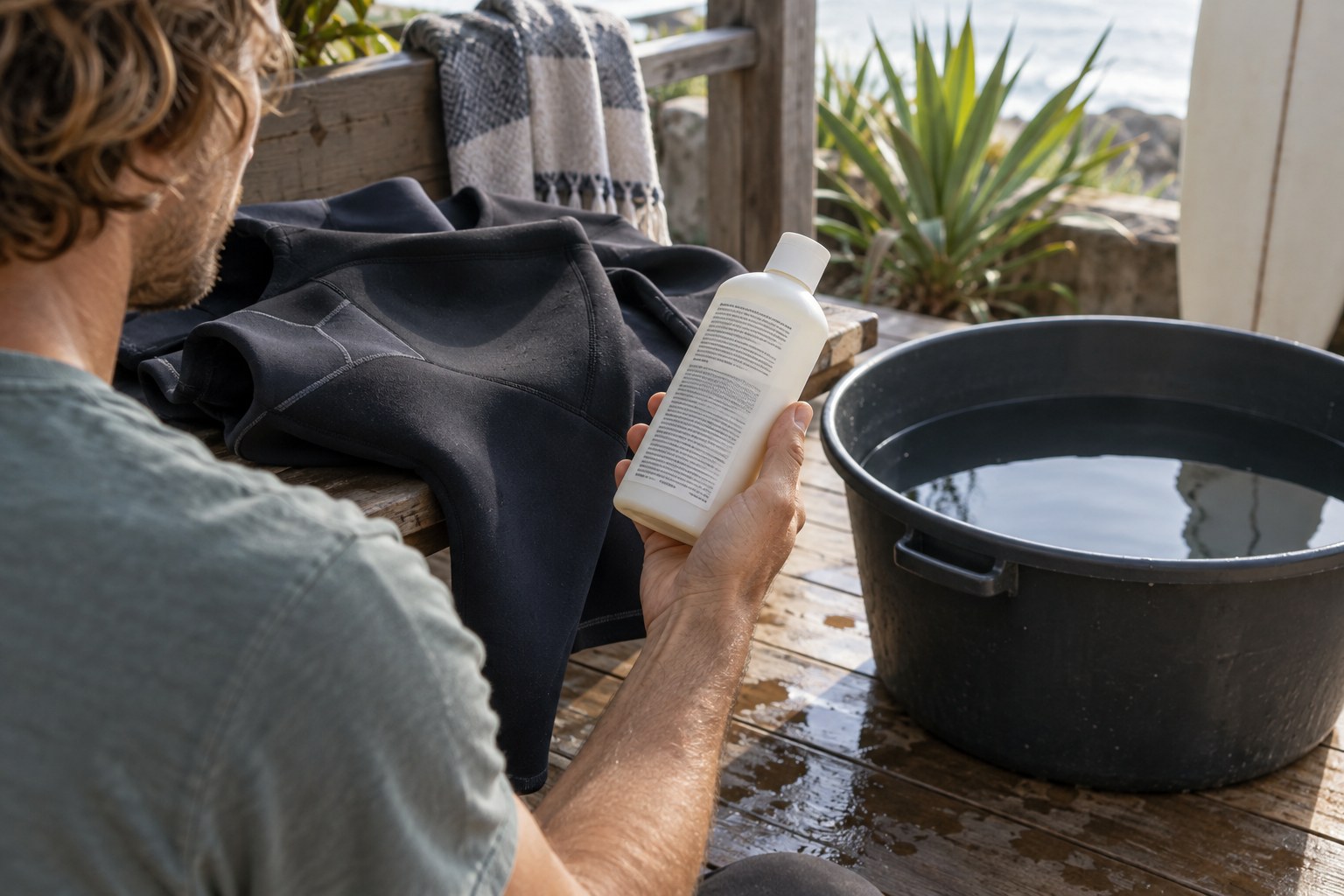
Check compatibility, dilution and the complete wash sequence before using a cleaner, rather than treating a stronger mixture as a better clean.
Care & storage
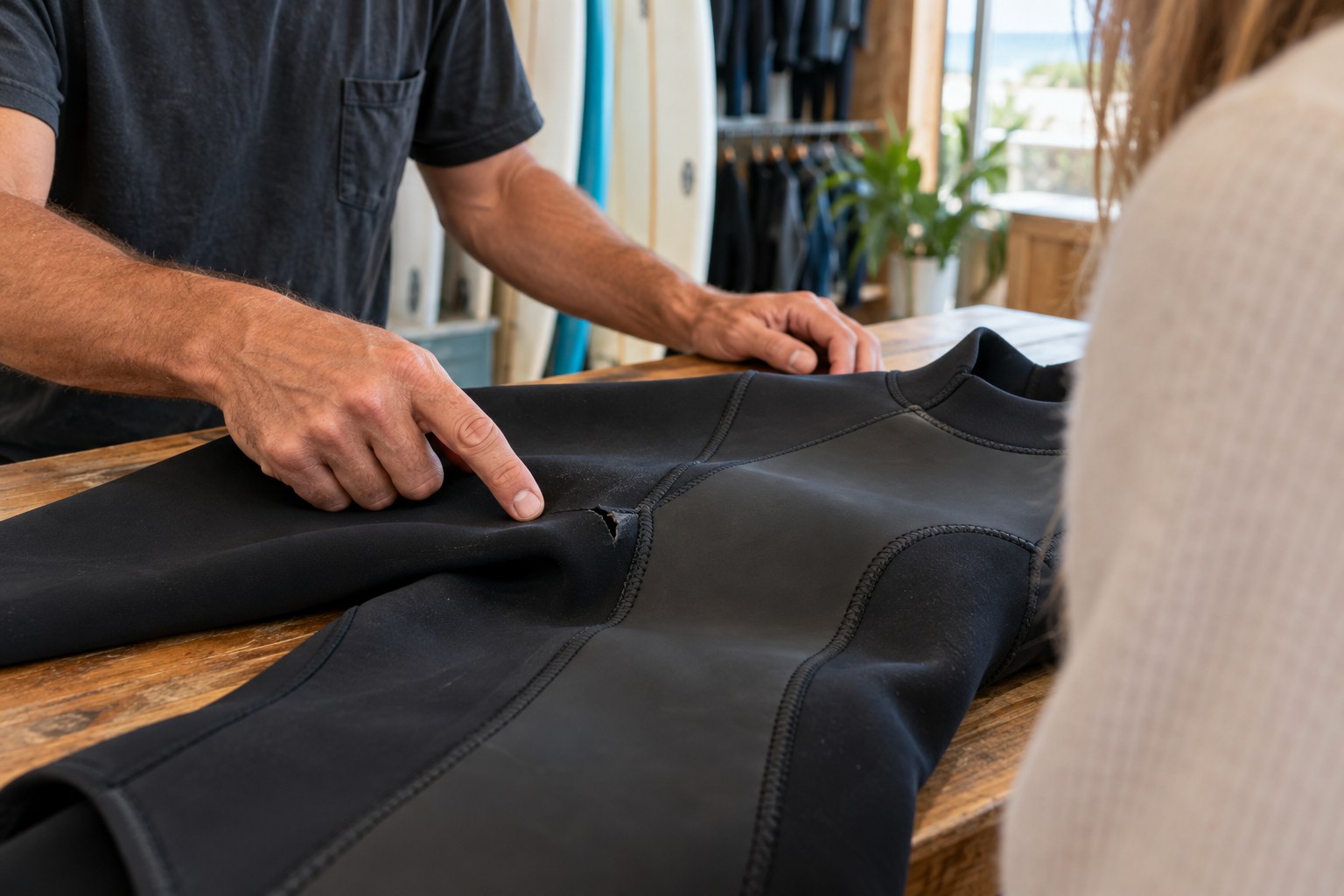
Send the repairer the suit's model and clear views of the damaged area before buying an adhesive or attempting to close the tear yourself.
Care & storage
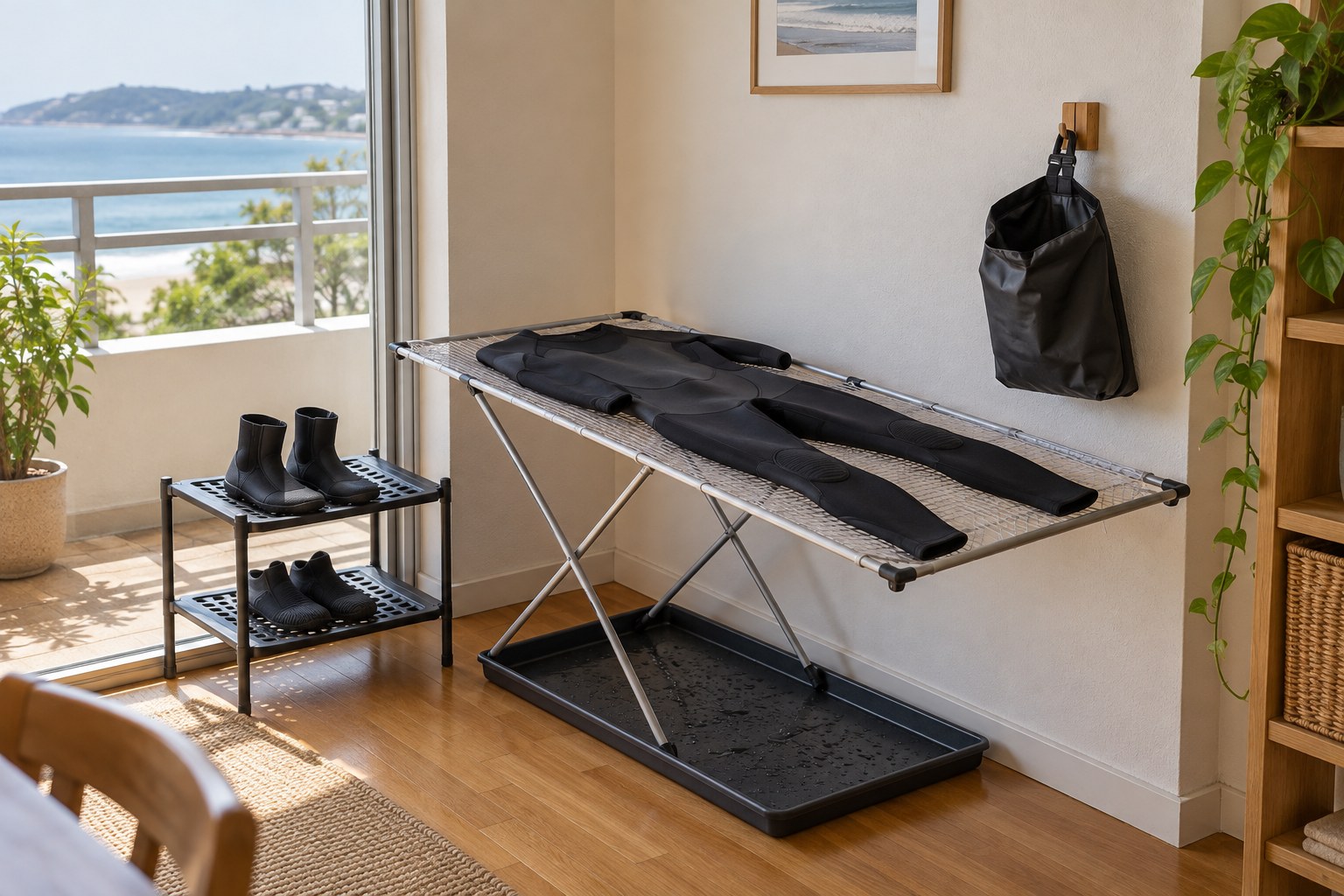
Design the drying area around drainage, permitted supports and airflow, with separate places for wet equipment and items ready to pack.

Starting out
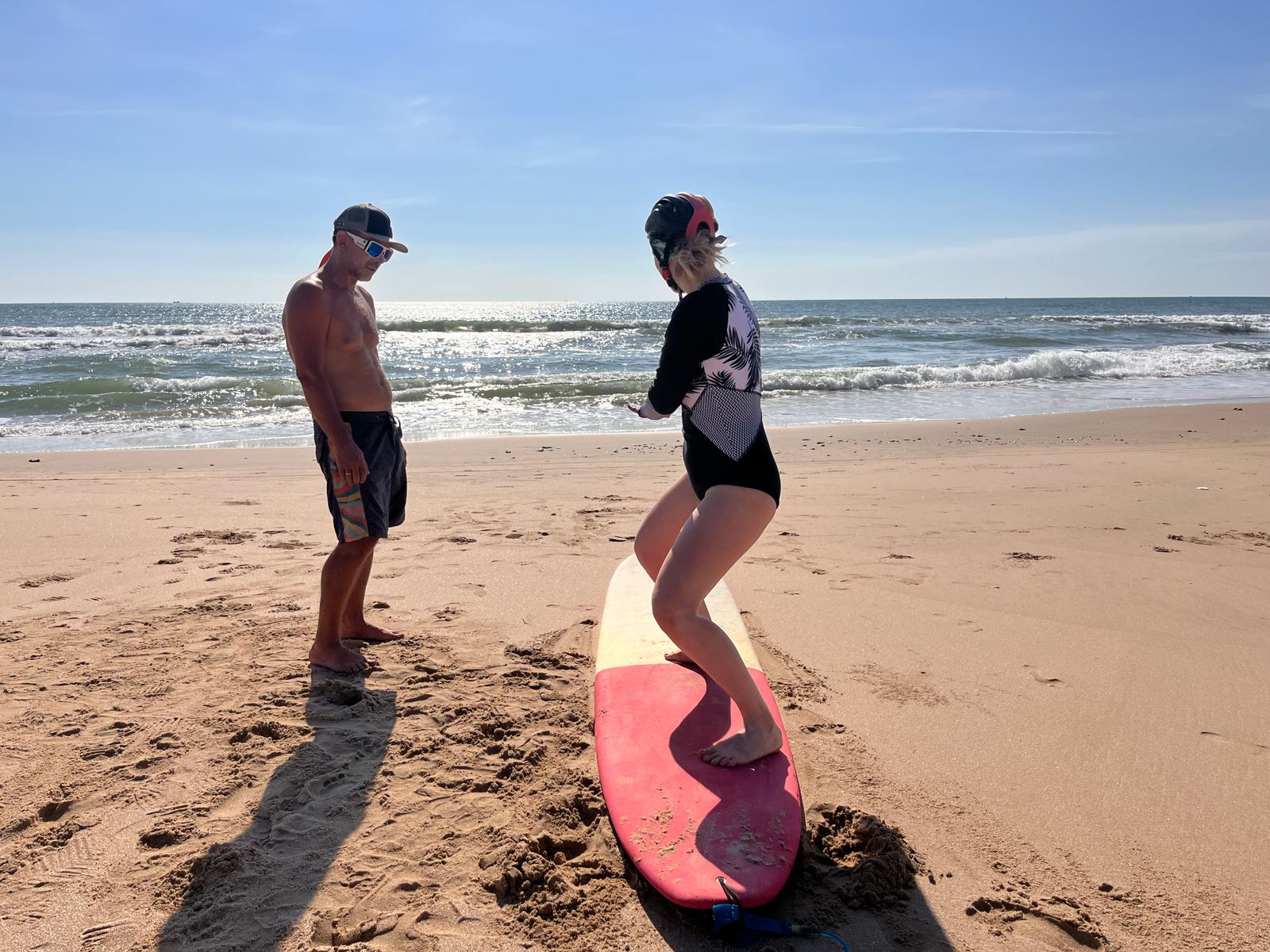
Get clear answers about teaching, equipment and changes of plan before a surf school turns a provisional enquiry into a booking.
Starting out
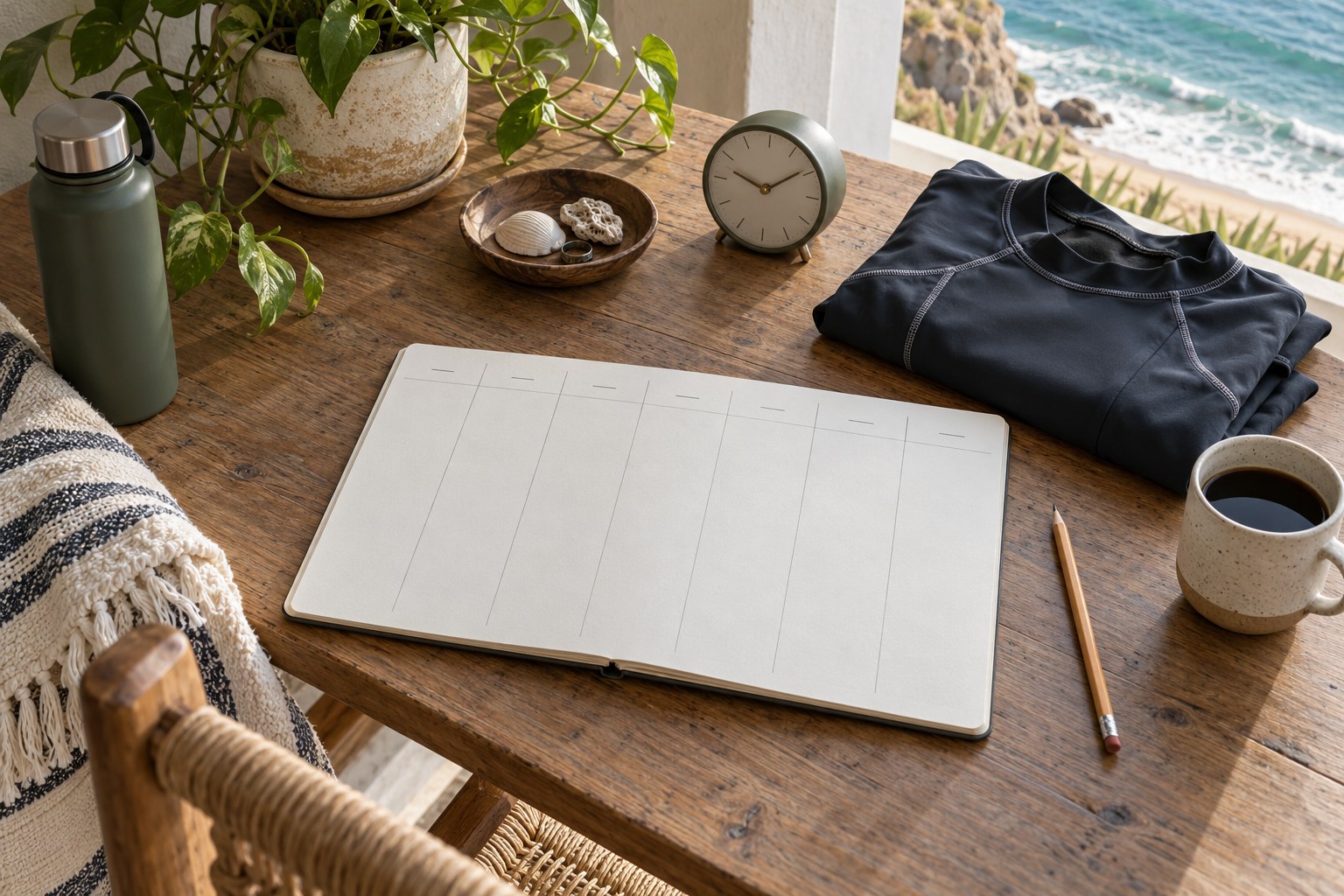
Leave enough room for changing conditions, recovery and ordinary holiday plans when booking several days of instruction.

Starting out
Wave period adds information to height, but a longer interval is not a simple signal that conditions are better for a learner.
Wetsuits & clothing
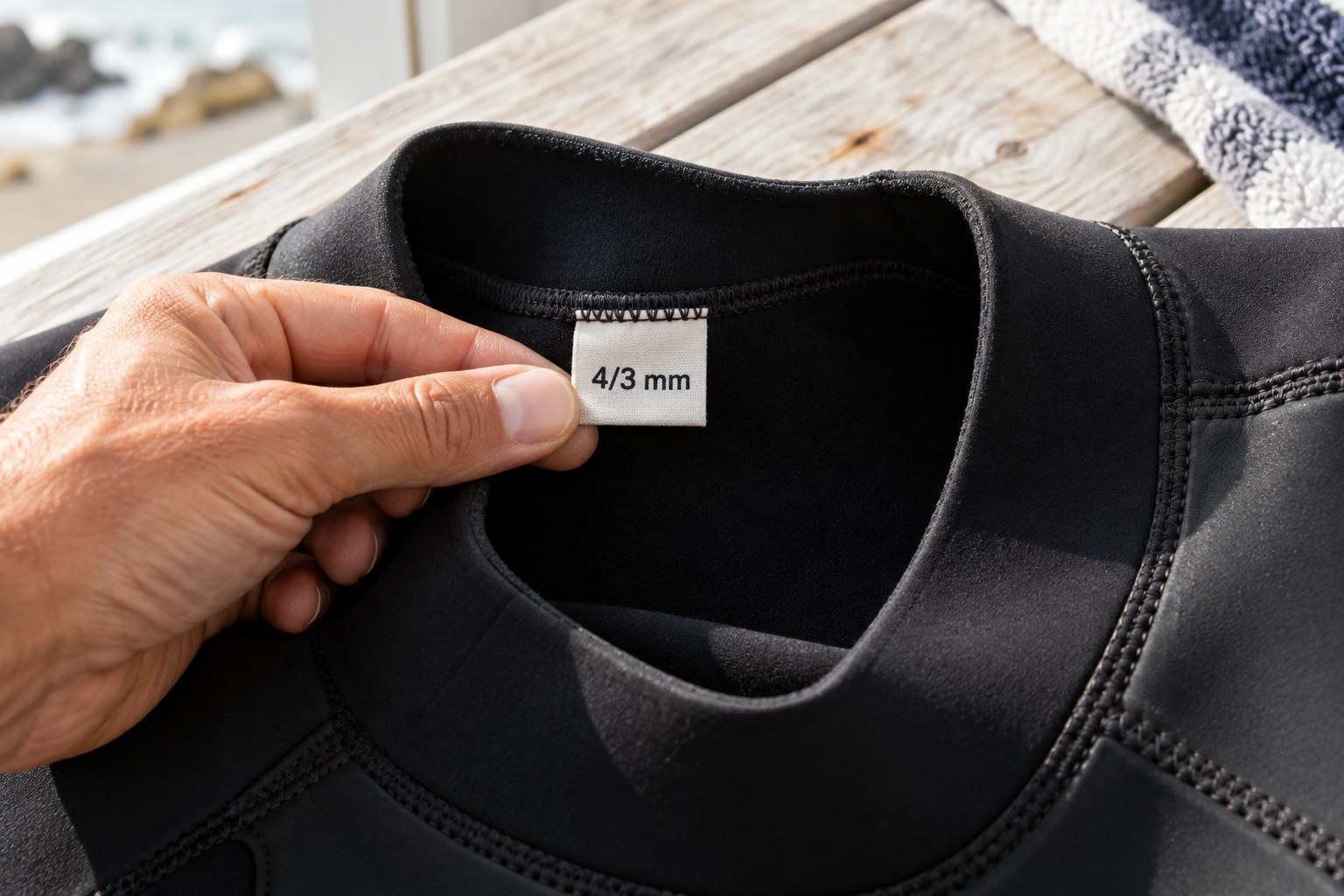
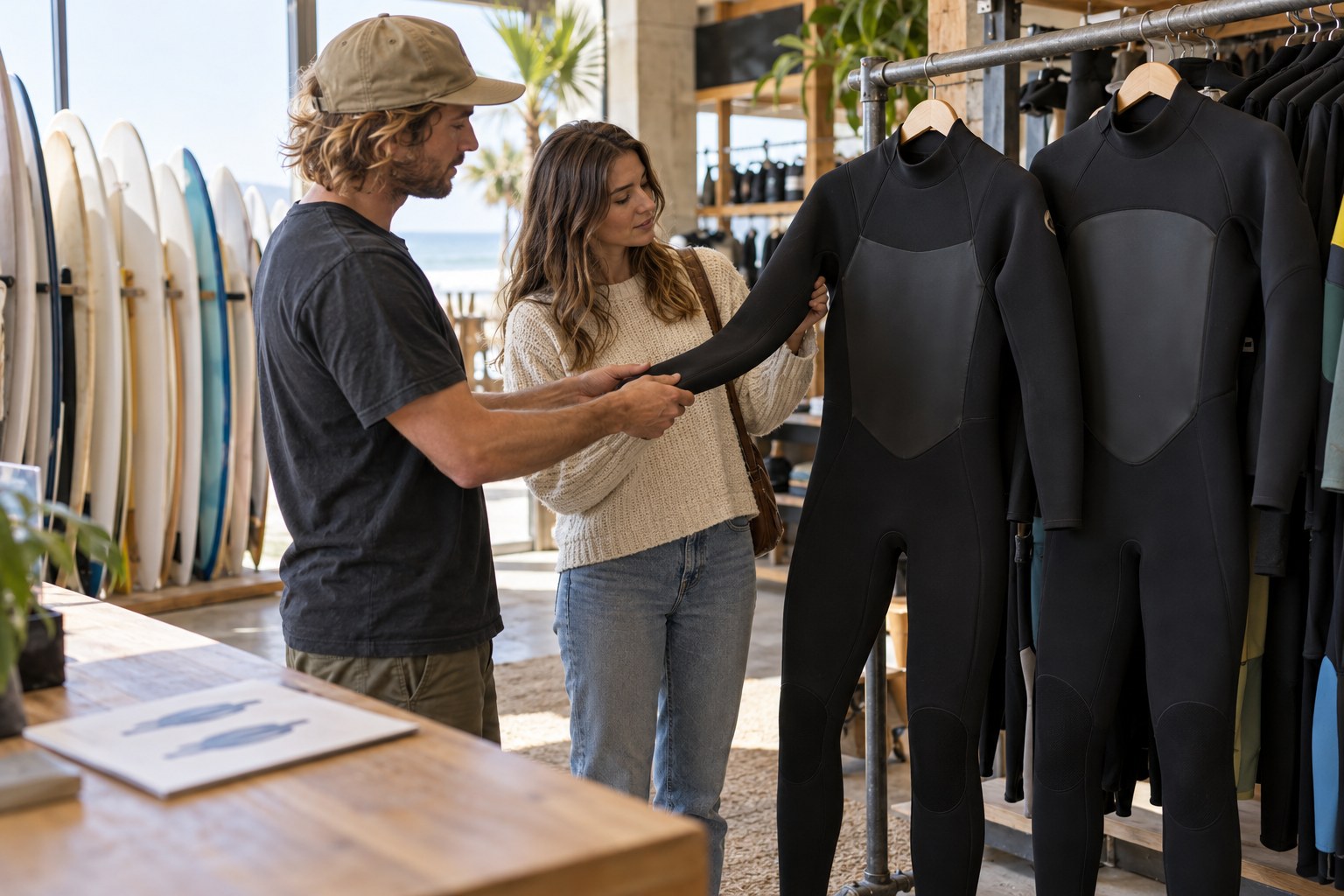
Bring the destination, season and session plan to a local shop, then compare its advice with the manufacturer guidance for the actual suit.

Wetsuits & clothing
A waistband that feels right standing up can behave differently while seated. Check boardshorts through bending, sitting and reaching before choosing them for a lesson.
Wetsuits & clothing
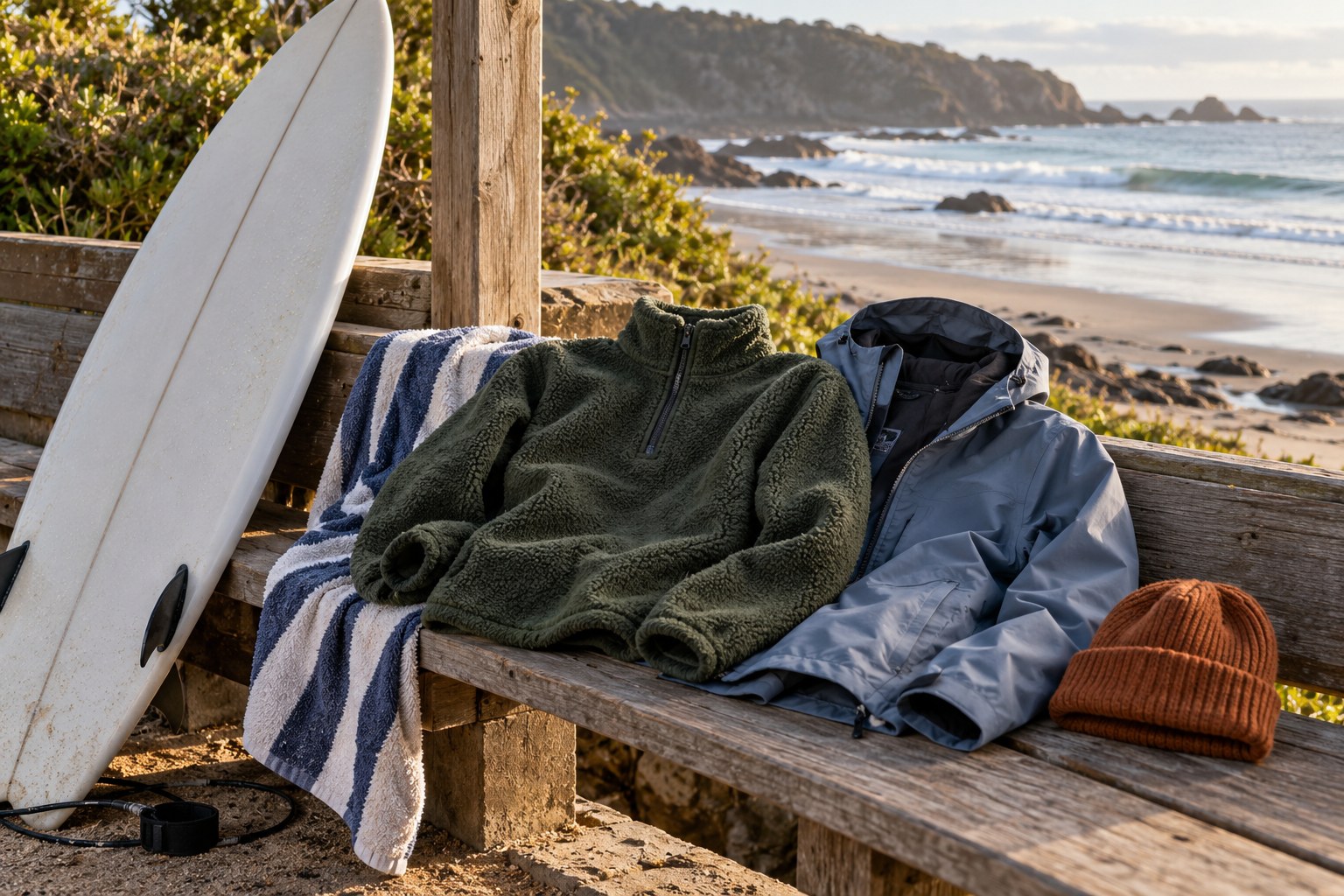
Pack dry layers around the waiting place, the transport and the time between sessions. Keep them separate from wet equipment until you need them.