Surf travel
Compare surf camp accommodation before booking
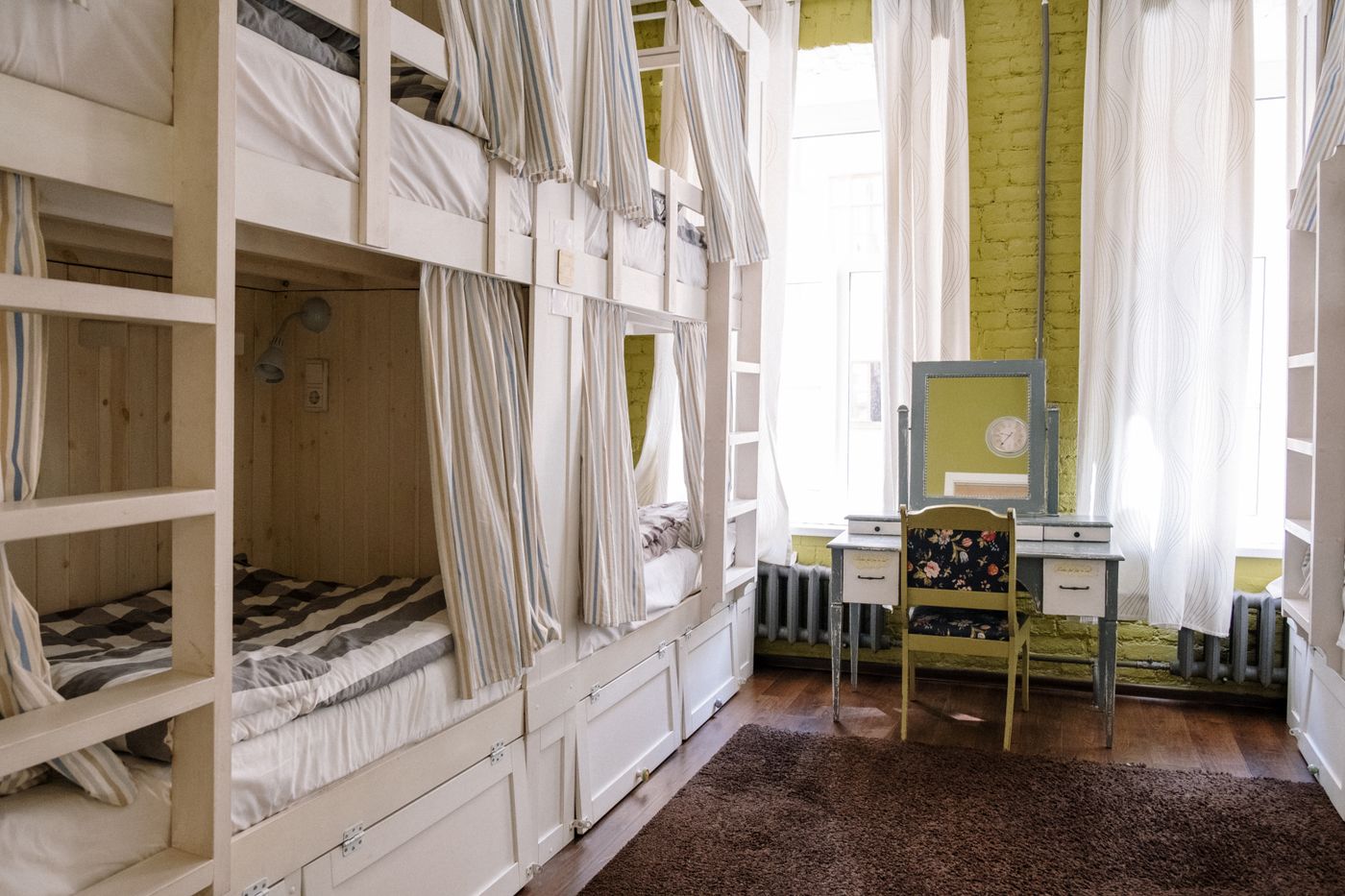
Compare the room you will actually book, the shared facilities and the distance to the camp's meeting point rather than relying on a few attractive photographs.
Surf travel
Read a sample day as a sequence of travel, instruction, meals and rest. The advertised number of lessons does not describe the whole holiday.
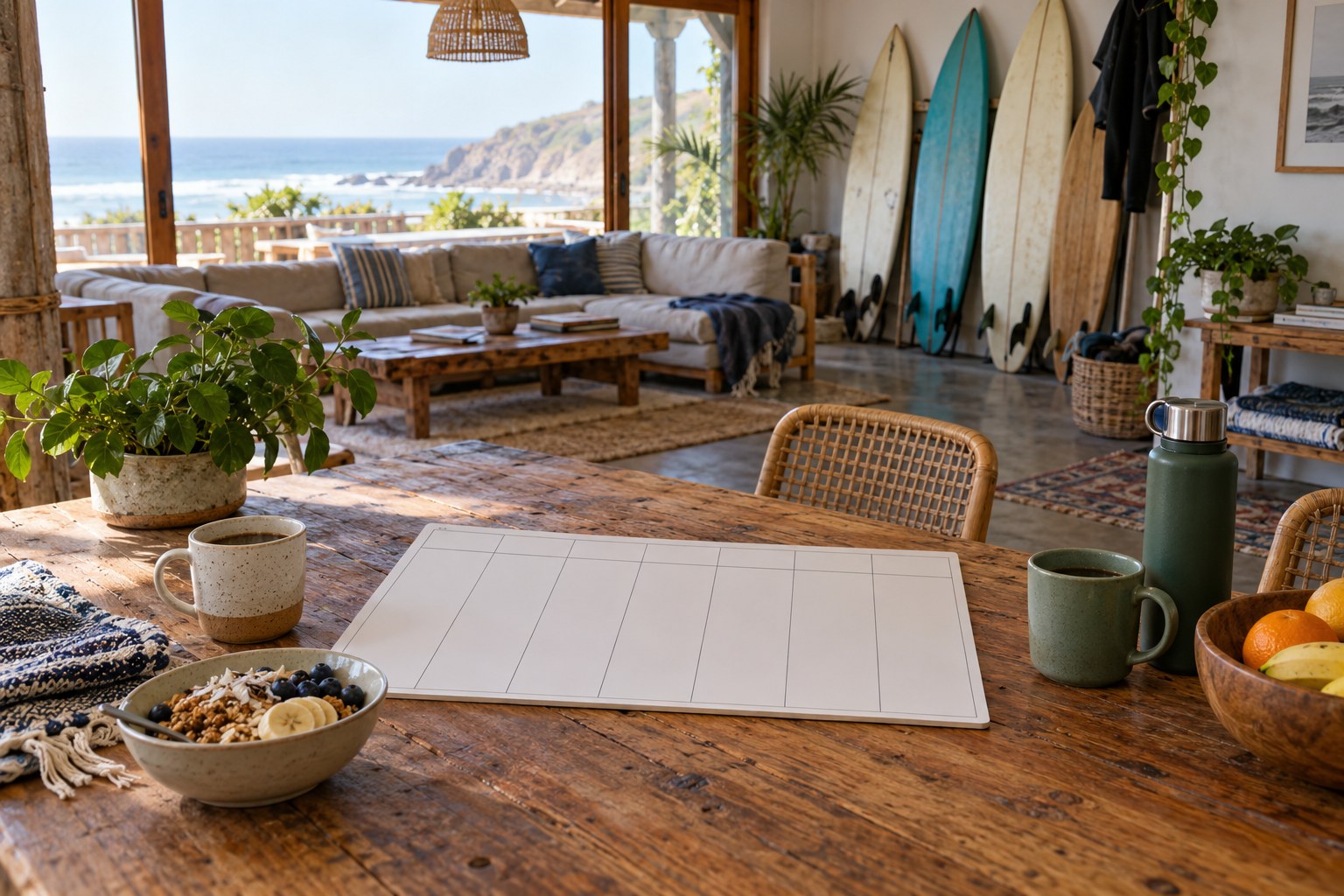
AI-generated illustration. Equipment details are illustrative; follow the instructions for your own item.
A surf camp's daily schedule tells you how the trip will feel. Two packages can advertise the same number of lessons while leaving very different amounts of time for transport, meals, changing and independent plans. Ask for a representative timetable for your level and travel dates, then read it from waking up to returning to the accommodation.
Treat the timetable as an illustration unless the operator explicitly confirms fixed times. Conditions can affect the plan, and a responsible operator may need to change it. What you want to understand is how the day is organised and how changes are communicated, not a promise that every session begins at the same minute.
Ask what the advertised session duration includes. It may cover equipment collection, travel, a briefing, instruction and the return journey. Do not assume that a two-hour activity description means two hours in the water. Request an ordinary example so you can compare packages using the same definition.
Look at where the group meets. A departure from the accommodation is different from an independent journey to a beach meeting point. Check whether the transfer is included, how long it normally takes and what happens if a different beach is selected. Avoid scheduling another activity immediately after the advertised finish without allowing for the return and changing routine.
Find out whether breakfast is available before an early departure and where lunch happens on a day away from the camp. If meals are included, ask which ones and on which days. If they are not, check whether the schedule leaves time to buy food rather than assuming shops will be accessible during every break.
Discuss dietary requirements directly with the operator before paying. Ask what it can actually provide and what you would need to arrange yourself. A general statement that meals are flexible is less useful than a clear answer about your requirement and the day's locations.
Time between sessions is not necessarily free time at the accommodation. The group might remain at the beach, wait for transport or take part in a briefing. Ask where you will be and what facilities are available. That determines what clothing, food and personal items belong in the day bag.
Consider how much organised activity you want. A busy programme may suit someone travelling alone who welcomes shared plans. Another traveller may prefer one lesson and a quiet afternoon. Neither is inherently better, but the timetable should support the holiday you intend to have.
Imagine one option leaves the accommodation early, includes a long transfer and returns after lunch. Another offers a nearby morning lesson with the rest of the day independent. Even if the lesson price and instruction duration are similar, the first occupies more of the day and the second may require you to organise lunch and transport separately.
Write those differences beside the package names. Do not reduce the comparison to a single number of 'surf hours'. The time you spend waiting, moving between locations and caring for equipment affects how much energy and flexibility remain for other plans.
Also check whether a rest day is built into a longer programme and whether participation in optional activities is expected. Someone planning remote work or a quiet afternoon should not rely on a free-time label without knowing where they will be. Ask which parts of the day are genuinely independent and which remain attached to the group's transport.
Find out when the next day's plan is announced, which communication channel is used and whether you need mobile data to receive updates. Ask what happens when a session cannot proceed: an alternative activity, a rescheduled lesson or another arrangement should be explained in the booking terms rather than assumed.
If travelling with someone who is not joining lessons, ask whether they can make independent plans without depending on the surf group's vehicle. Clarify any shared room or meal arrangements that tie the schedules together.
Finally, align arrival and departure days with the timetable. A package described as seven nights may not contain seven full activity days. Check the first meeting, equipment fitting and last lesson against your transport before booking. A clear schedule comparison makes the holiday easier to choose and leaves fewer surprises for the first morning.
Surf travel
Compare the room you will actually book, the shared facilities and the distance to the camp's meeting point rather than relying on a few attractive photographs.
Surf travel
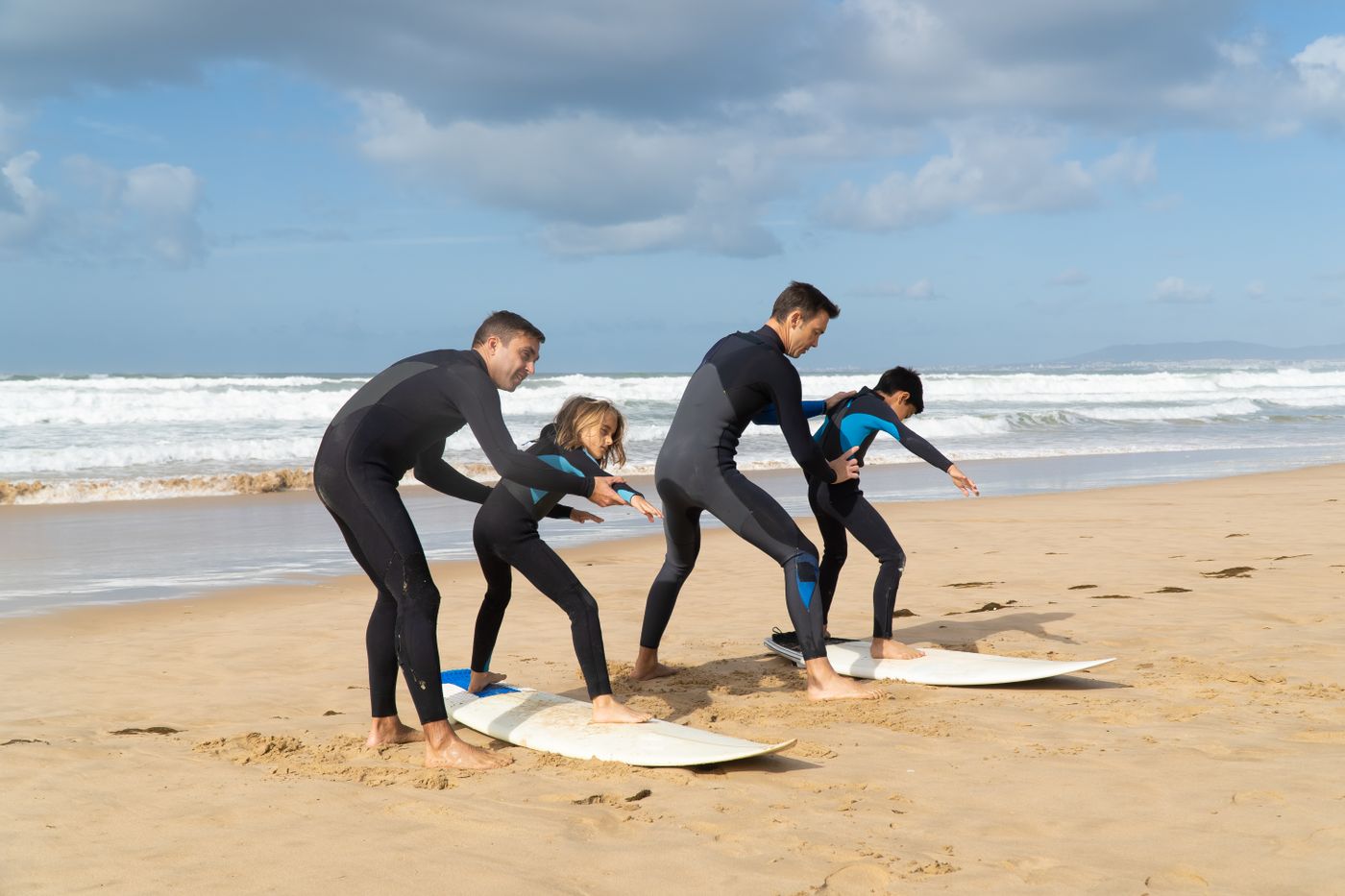
Ask how the camp identifies experience, assigns instructors and adjusts groups. A label such as beginner or intermediate needs a more concrete explanation.