Starting out
Choose a surf lesson for your first day in the water
Find a first lesson whose meeting arrangements, equipment and teaching format leave you ready to learn, rather than trying to solve everything on the beach.
Starting out
Check patrol dates, the exact beach area and on-the-day information before building a visit around a lifeguard service.
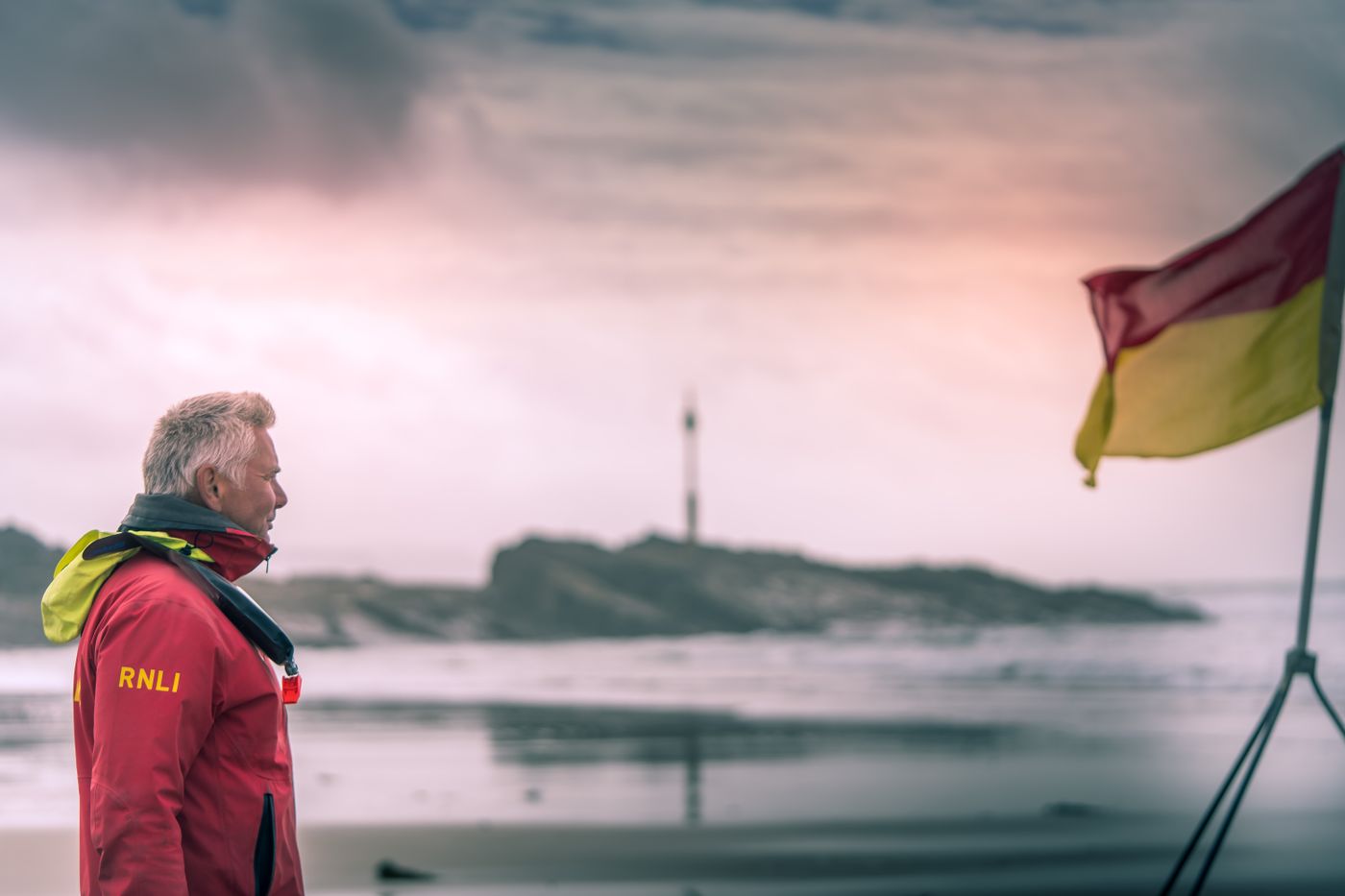
A beach described as lifeguarded may have a seasonal or limited-hours service. Check the official local listing for the date of your visit and read which part of the beach it covers. Do not infer year-round patrols from a summer photograph of a lifeguard hut.
For UK and Irish trips, the RNLI provides information about its lifeguarded beaches and recommends seeking lifeguard advice. Elsewhere, use the relevant local service or beach authority. The name and operation of the service may differ, so look for current official information rather than a copied directory entry.
Account for travelling, parking and changing when choosing your arrival time. Reaching a car park shortly before patrols finish does not create a full afternoon within the advertised hours. If you are booking a lesson, ask the school how its meeting time and teaching area relate to the local arrangements.
Locate the official access point and any information boards on arrival. A map pin for a long beach may lead to a different entrance from the patrolled section. Walk to the relevant information point instead of assuming the nearest stretch of sand has the same coverage.
Ask about the designated area for your activity. Swimming and board sports may use different zones. A lifeguard presence does not mean every part of the beach is suitable for every visitor, and it does not replace instruction for a beginner surfer.
Services and conditions can change. Read the signs and follow directions given on the day, even if they differ from what you expected while planning at home. If the intended service is unavailable, reassess the visit rather than quietly continuing with the original water plan.
For a group outing, choose a clear meeting point on land and make sure everyone knows it. Avoid using a temporary flag as your only landmark; activity boundaries can move. A fixed building or signed entrance is easier to describe, provided it is accessible and does not obstruct staff operations.
Keep your belongings and boards out of access routes around the lifeguard station. Staff need space to work, and a crowded doorway is an inconvenient place to organise a large group. Once you have asked for advice, take time to discuss it with your companions before deciding what the day will involve.
Starting out
Find a first lesson whose meeting arrangements, equipment and teaching format leave you ready to learn, rather than trying to solve everything on the beach.

Starting out
Get clear answers about teaching, equipment and changes of plan before a surf school turns a provisional enquiry into a booking.