Starting out
Choose a surf lesson for your first day in the water
Find a first lesson whose meeting arrangements, equipment and teaching format leave you ready to learn, rather than trying to solve everything on the beach.
Starting out
Choose a teaching format around the attention, pace and company you want, rather than assuming private always means better.
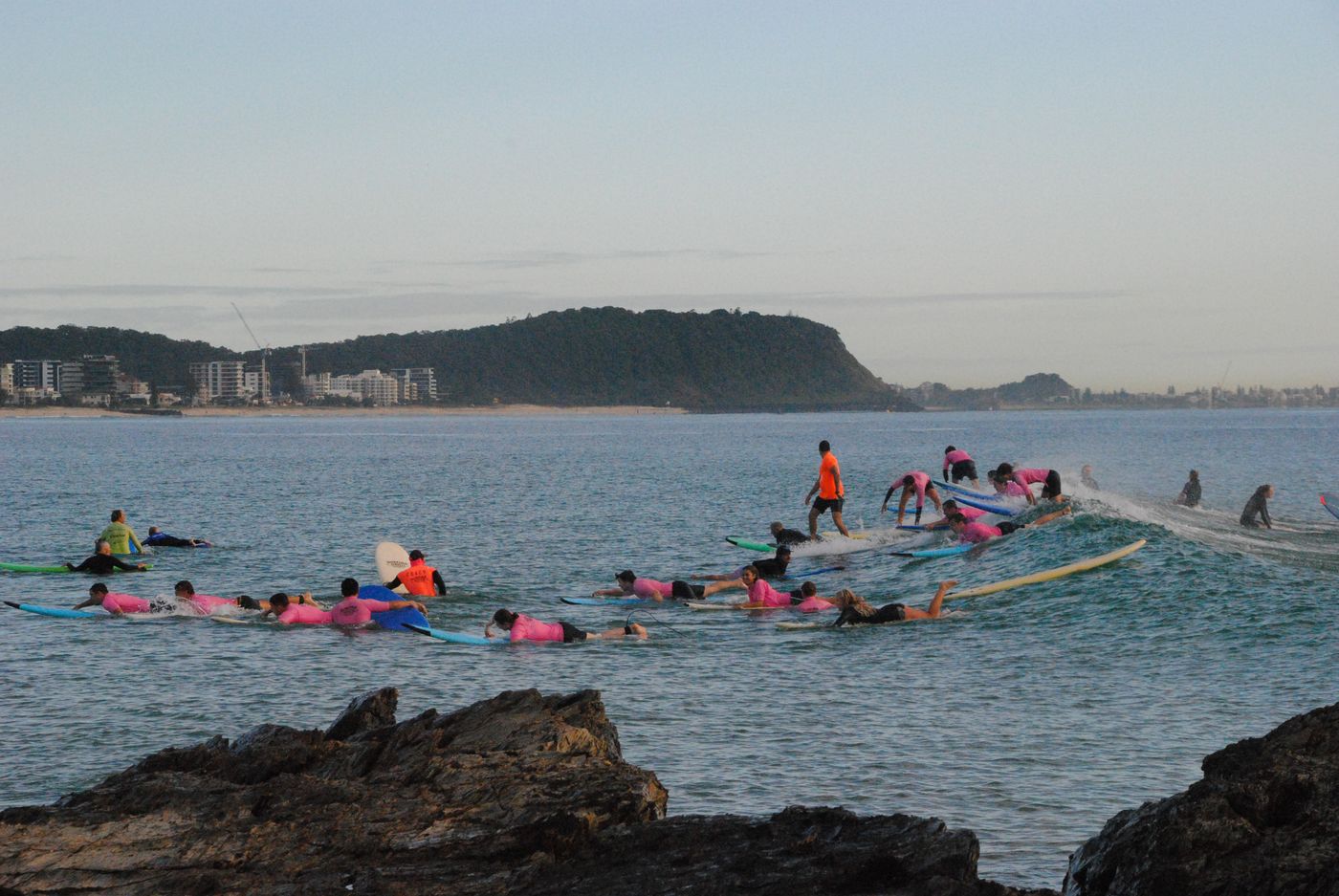
A private surf lesson buys a particular teaching arrangement, not a guaranteed result. A group lesson offers company, but it does not necessarily mean the instructor will have no time for individual feedback. The useful comparison starts with your reason for choosing one format over the other.
If you want a first introduction with friends who have similar experience, a group may make the day easier to organise. If you have a specific skill to review or need more time to understand instructions, a private appointment may allow a more focused discussion. Ask the school how it would structure either option for you.
Some schools use private to mean one learner and one instructor. Others offer a private group for a couple, family or booking party. Confirm the number of learners, not just the label. A private lesson for six friends is quite different from a one-to-one session even though both exclude strangers.
Find out whether the session can move at your pace and what happens if you need a break. An instructor still has to choose an appropriate location and respond to conditions. Paying for individual attention does not make every part of the beach or every time of day suitable.
Be specific about your goal. “I want to improve” gives little direction. “I have taken four lessons and want feedback on why my position changes when I try to stand” gives the school a clearer starting point. It also lets the instructor tell you whether the proposed session is the right setting for that work.
Ask how learners are grouped and whether complete beginners share a class with people who already catch waves independently. Find out the maximum booking size and the teaching team for that session. If friends want to stay together despite different abilities, ask what compromise that involves before deciding.
Consider the social side honestly. Watching another learner receive an explanation can help you understand a point, and a friendly group may make a first day less intimidating. On the other hand, if comparison with strangers makes you rush, a smaller format could remove that pressure.
Compare the complete price and duration, then consider a sequence rather than a single purchase. You might choose a group introduction and decide afterwards whether a private follow-up would answer a specific question. There is no need to reserve an expensive package before you know how the first session feels.
Ask what feedback you can take away: a few verbal priorities, a written note or an optional video review. A lesson is easier to build on when you leave knowing one or two appropriate next steps, regardless of how many other learners shared the appointment.
Imagine a couple who both want a first lesson but differ in confidence. A private booking may let the instructor work with that pair alone, yet it still requires a plan for each person's needs. Ask whether both can participate comfortably in the same session and how the lesson would continue if one wants to stop. The answer may favour two groups or another arrangement rather than the package labelled private.
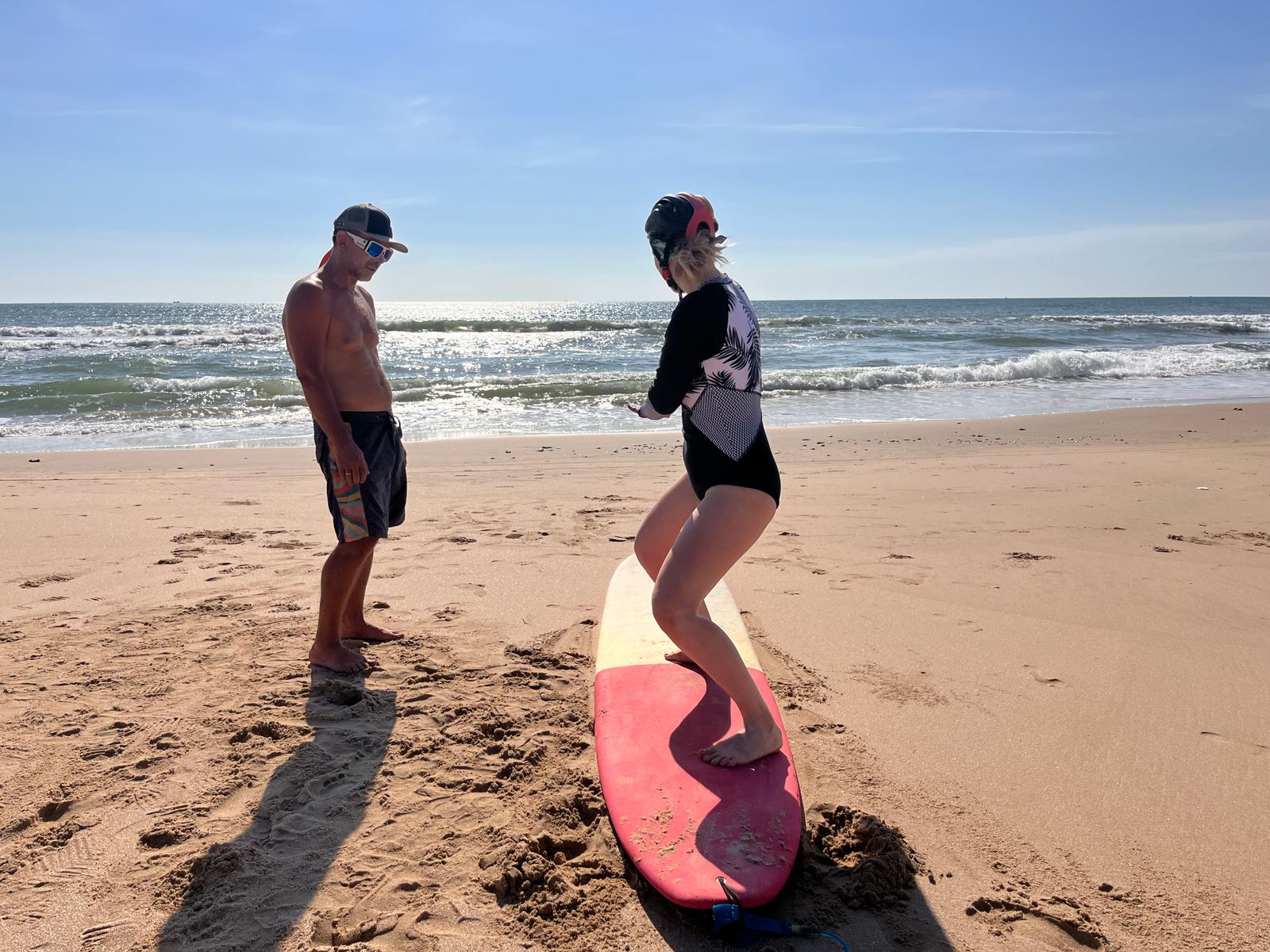
Now consider someone who has attended several introductory classes and keeps receiving the same broad advice. A one-to-one session could be useful if the instructor can observe the unresolved issue and provide focused feedback. Before booking, describe that issue and ask whether the proposed lesson is designed for it. Paying more for the same introductory format may not address the reason for changing.
Group size also affects the social promise. A booking sold as a group could have very few participants on a quiet date, while a private group may contain more people than the public class. Ask about the confirmed format and any minimum-number policy instead of drawing conclusions from the title. If the school combines classes when bookings are low, find out whether the level and teaching arrangements remain appropriate.
Starting out
Find a first lesson whose meeting arrangements, equipment and teaching format leave you ready to learn, rather than trying to solve everything on the beach.

Starting out
Get clear answers about teaching, equipment and changes of plan before a surf school turns a provisional enquiry into a booking.