Starting out
Choose a surf lesson for your first day in the water
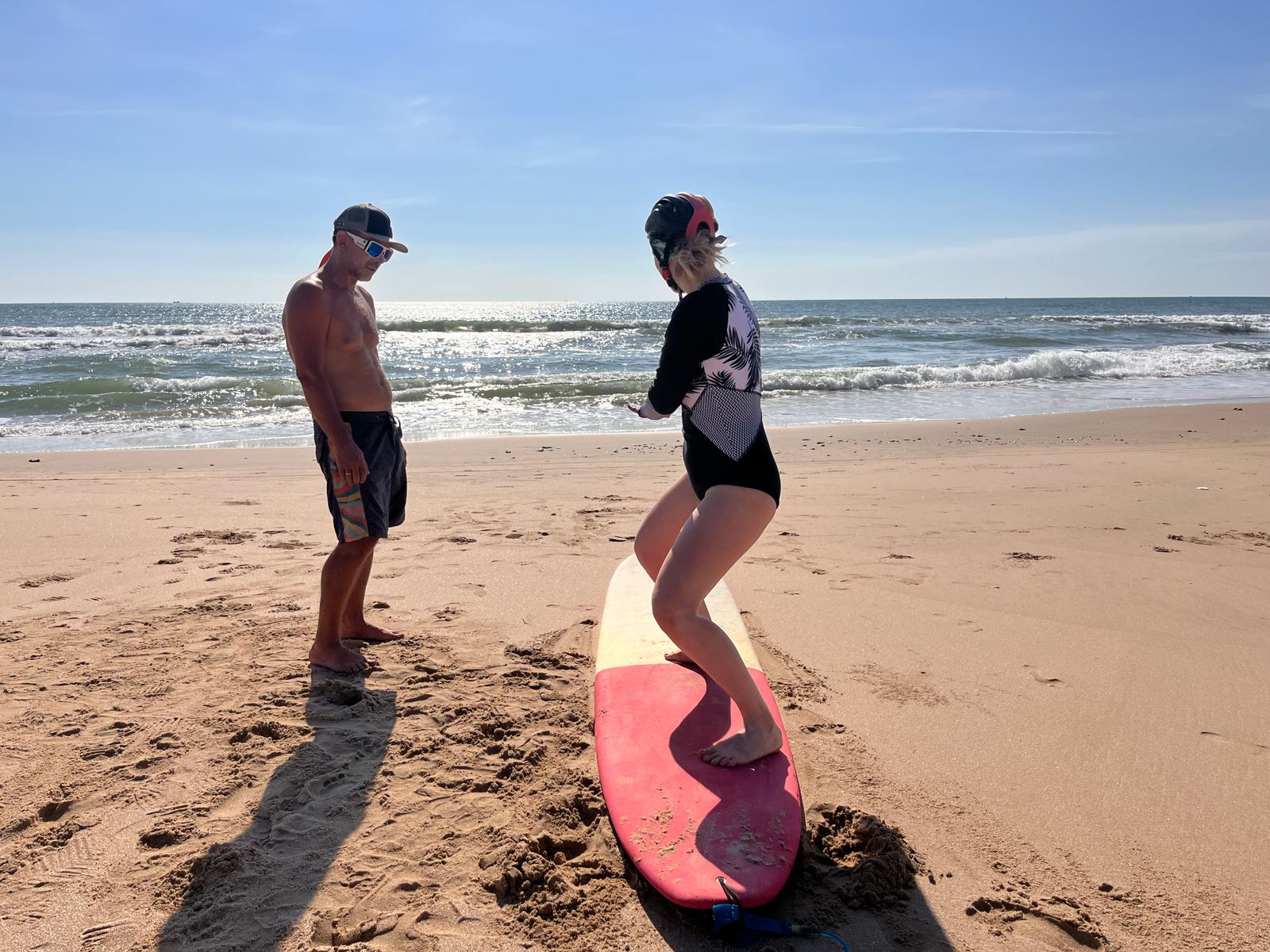
Find a first lesson whose meeting arrangements, equipment and teaching format leave you ready to learn, rather than trying to solve everything on the beach.
Starting out
Use a tide table for the right place and time, then ask how those water levels affect the beach you intend to visit.
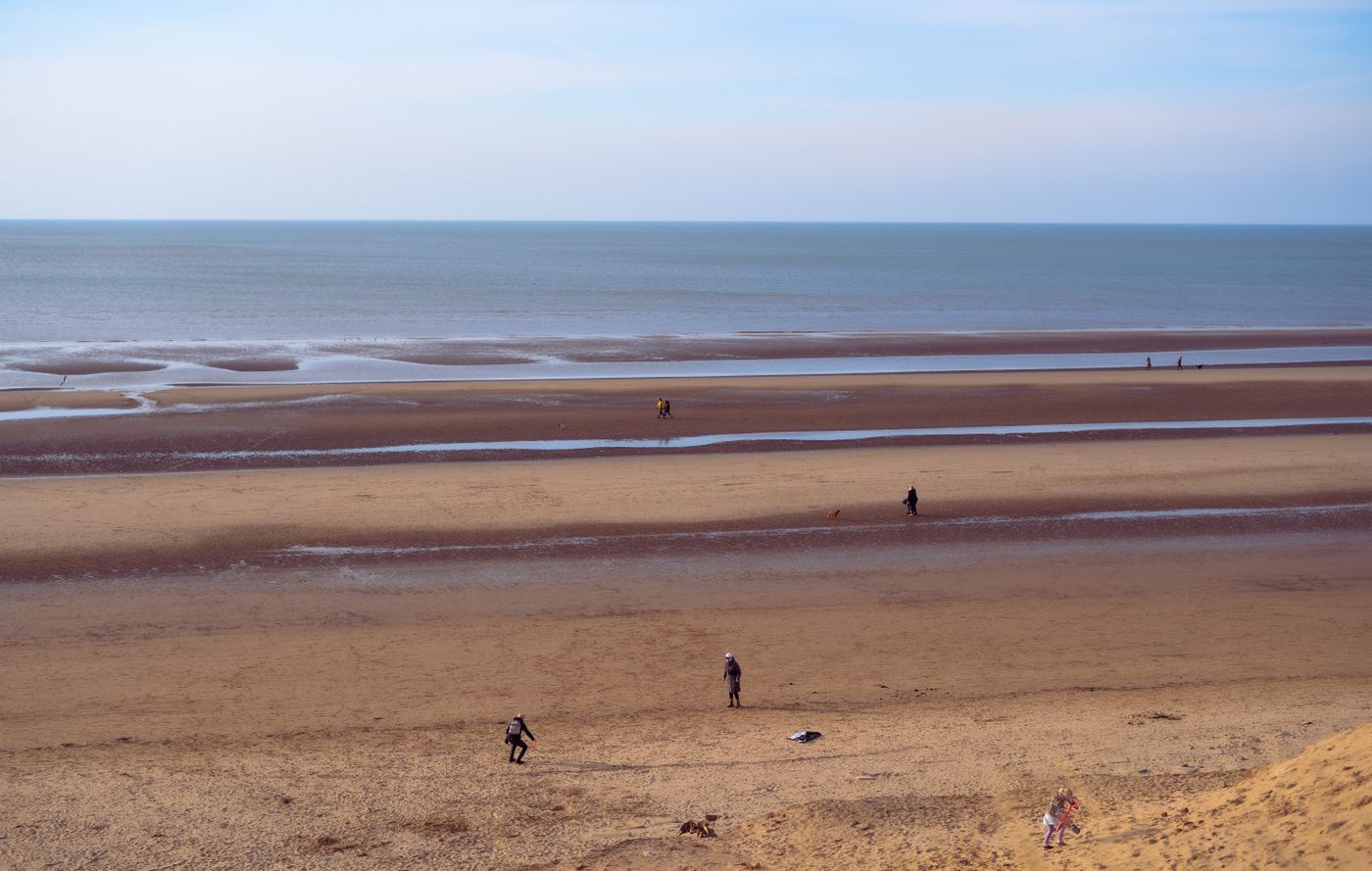
A high-tide time is a prediction for a particular location, not a universal appointment shared by every beach nearby. NOAA explains that coastline shape, depth and seafloor features influence local tidal patterns. That is why a table for a convenient town name still needs checking against the actual place you plan to use.
Begin with an official or clearly identified tide source. Confirm the station, date, units and time zone. If the display offers daylight-saving settings, read how they are handled rather than adding or subtracting an hour from memory.
For a beach visit, the most immediate question may be the route to and from the sand. Ask local staff whether your intended access changes with the tide and whether any sections become cut off. Do not assume the path available on arrival will remain available when you leave.
If a lesson changes meeting point with the tide, get the exact location in the confirmation. A familiar school name is not enough when the group starts from a different entrance. Save the map pin and leave time to reach it without taking an unofficial shortcut.
Do not infer current strength from the words high tide or low tide alone. A tide-height prediction is not a complete description of water movement. Ask the instructor to explain the relevant local conditions instead of treating the top or bottom of a graph as an automatic quiet period.
An online guide may describe a beach as working at a certain stage of tide. That can be useful background for an experienced local discussion, but it is not a complete beginner plan. The day still includes swell, wind, weather, changing beach conditions and the learner's needs.
Keep a lesson booking flexible enough to follow the school's assessment. If a proposed time conflicts with your transport, explain that constraint early. It is better to find another appointment than to insist that the water timetable fit an inflexible bus or restaurant reservation.
In your notes, preserve the distinction between a prediction and advice. Record the table source separately from what the instructor said about the day's session. When you return, consult current information again. The old note helps you remember what to ask, while the new assessment determines what is appropriate now.
Starting out
Find a first lesson whose meeting arrangements, equipment and teaching format leave you ready to learn, rather than trying to solve everything on the beach.

Starting out
Get clear answers about teaching, equipment and changes of plan before a surf school turns a provisional enquiry into a booking.