Surf travel
Choose a surf camp by its daily schedule
Read a sample day as a sequence of travel, instruction, meals and rest. The advertised number of lessons does not describe the whole holiday.
Surf travel
Ask about the exact activity, destination and equipment arrangement, then keep the insurer's answer with the policy wording.
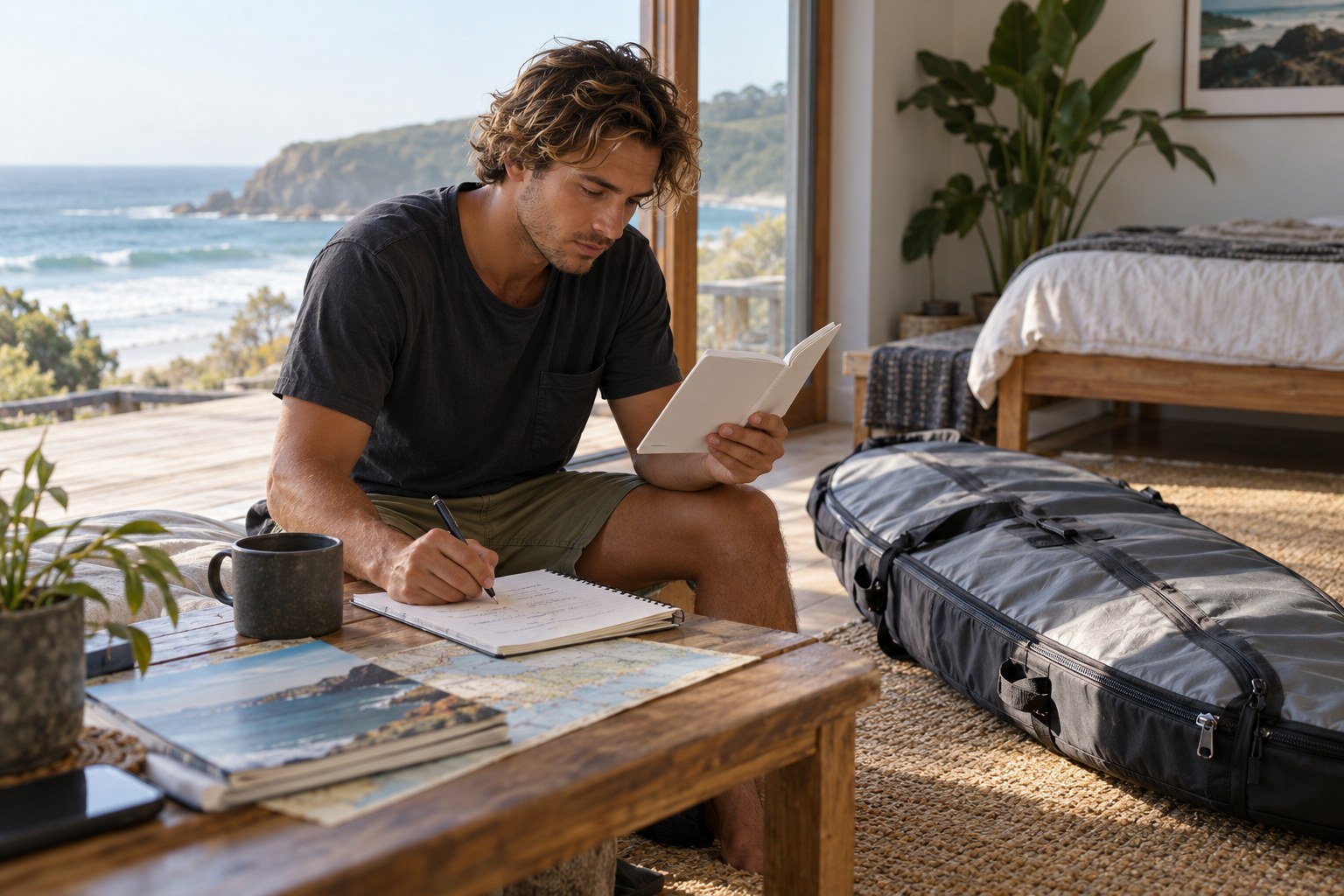
AI-generated illustration. Equipment details are illustrative; follow the instructions for your own item.
The word surfing in a holiday description does not establish what an insurance policy covers. Before buying cover, describe the actual trip to the insurer: destination, dates, lessons or independent sessions, any competition and whether equipment is owned or hired. Ask which policy section applies rather than relying on a broad phrase such as adventure activities included.
UK government guidance on foreign travel insurance advises checking that planned activities are covered and notes that some need specialist cover or an add-on. That is a starting question, not a recommendation of a particular policy. Requirements and eligibility vary by traveller and jurisdiction, so obtain an answer appropriate to your own circumstances.
Ask about the activity cover and the equipment cover independently. A policy that covers a person during a lesson may have separate limits or exclusions for a surfboard. Conversely, cover for a damaged bag does not answer questions about medical assistance or other personal risks during the activity.
For equipment, describe whether it belongs to you or a rental provider and how it will travel and be stored. Ask about individual-item limits, applicable excesses, evidence of ownership and any conditions relating to unattended property. Do not assume a general baggage limit means the full value of a board will be paid in every situation.
If hiring equipment, read the rental agreement alongside the insurance wording. Ask the insurer how it treats liability for damage to a hired board and whether the rental provider's damage arrangement changes anything. Avoid paying for two products merely because their names sound similar; clarify the role and limitations of each.
A short written question is easier to answer than a broad request for reassurance. Explain, for example, that you plan recreational lessons with a named provider and will carry your own board on scheduled flights. Then ask which sections, limits and exclusions you should read. Keep the answer tied to the policy version being offered.
If the itinerary changes, revisit the relevant question. A different destination, a longer stay or a different activity may not fit the original description. Do not assume that cover for ordinary surfing extends to every other board sport or organised event.
Be accurate when answering the insurer's questions. If you do not understand a term or disclosure request, ask for clarification rather than guessing. This article is a checklist for that conversation, not an interpretation of your contract or a guarantee that a claim will be accepted.
Save the policy number, assistance contact details and relevant claims instructions where you can access them offline. Keep purchase receipts and equipment photographs separately from the checked bag. Check how soon incidents must be reported and what evidence the insurer asks you to preserve.
Compare policies only after these answers are clear. The lowest premium does not tell you whether the cover matches the trip, and the longest feature list does not remove exclusions. A useful decision record identifies the policy, the questions you asked and the written answers you relied on when buying it.
Surf travel
Read a sample day as a sequence of travel, instruction, meals and rest. The advertised number of lessons does not describe the whole holiday.
Surf travel
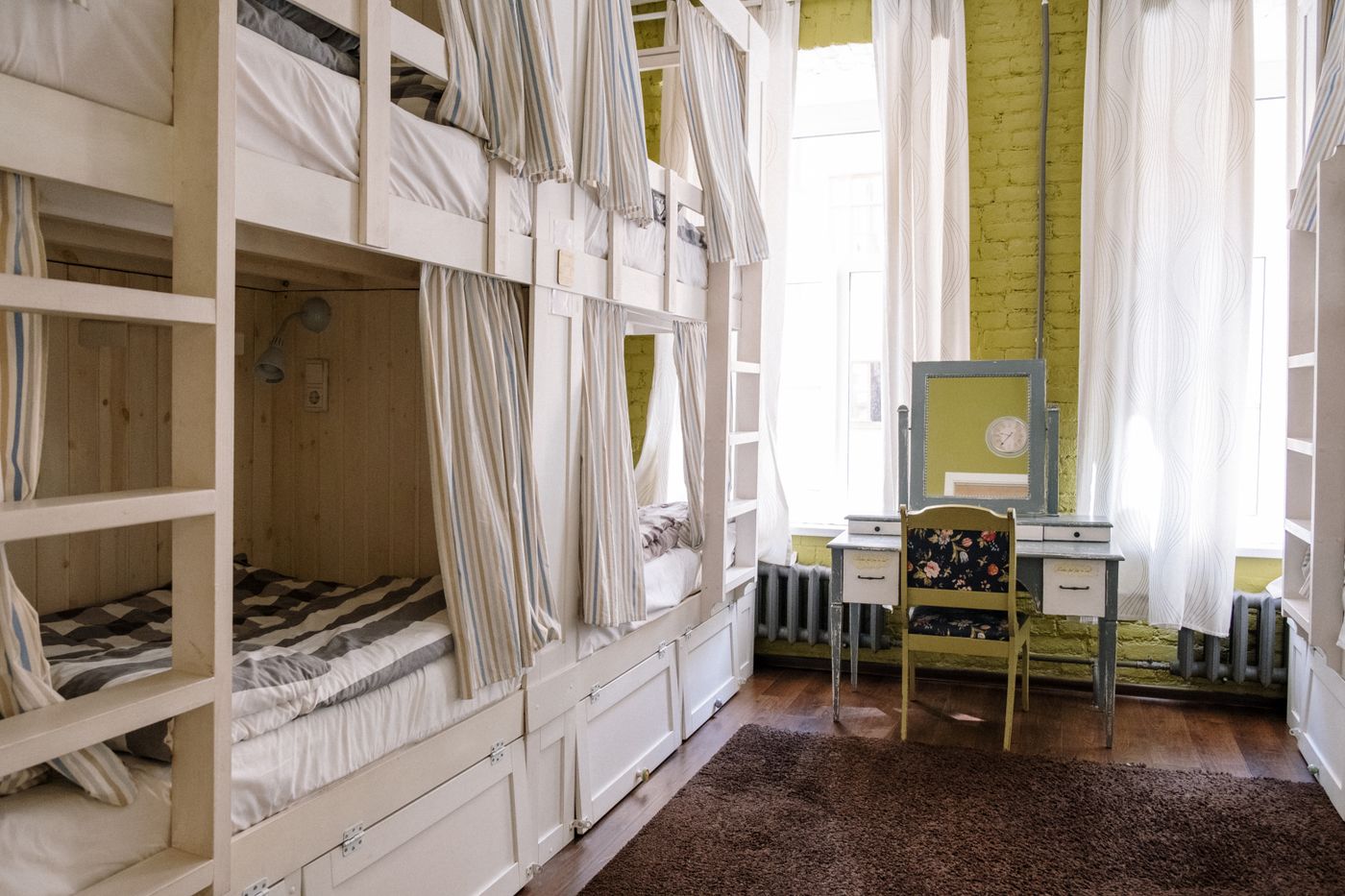
Compare the room you will actually book, the shared facilities and the distance to the camp's meeting point rather than relying on a few attractive photographs.