Surf travel
Choose a surf camp by its daily schedule
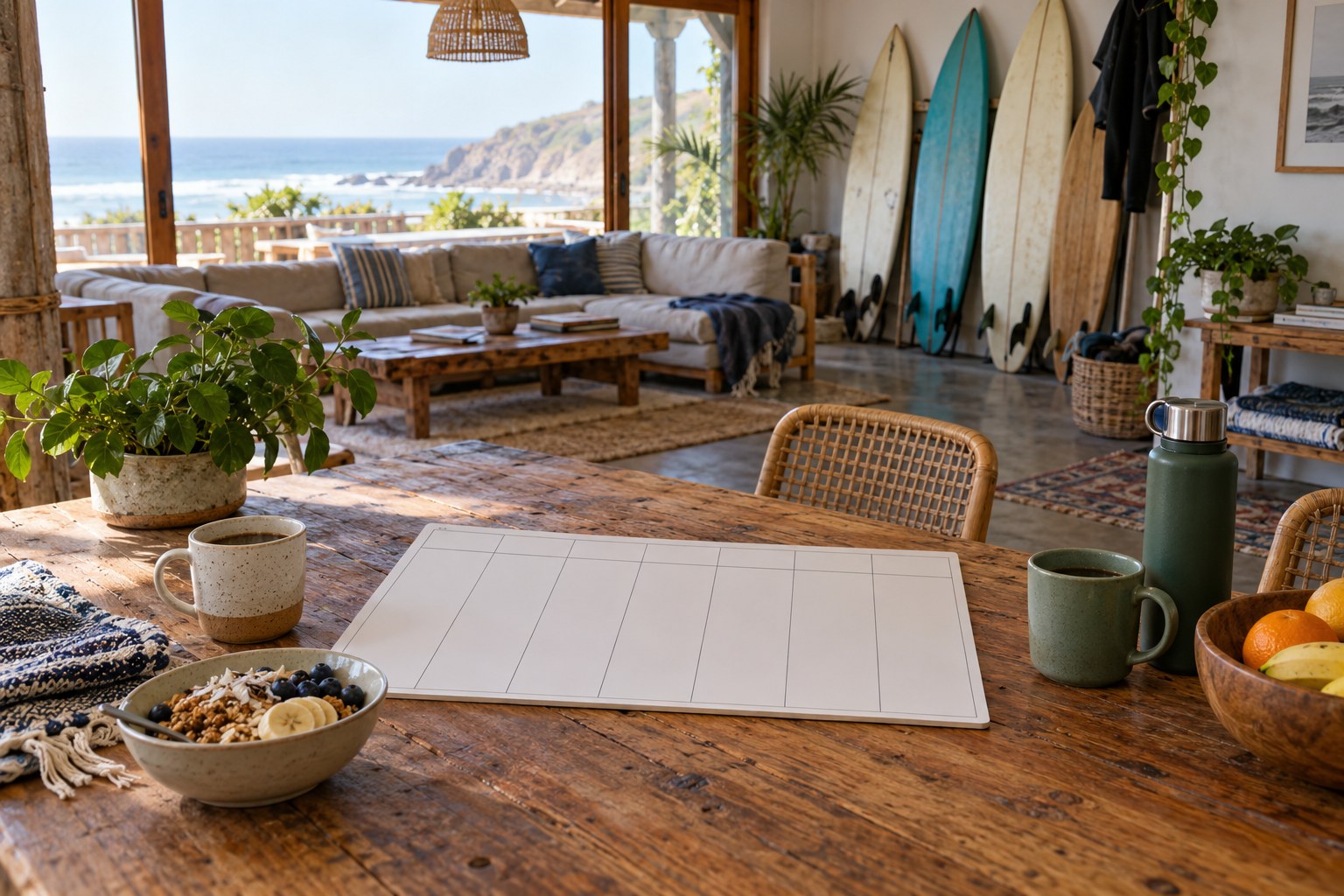
Read a sample day as a sequence of travel, instruction, meals and rest. The advertised number of lessons does not describe the whole holiday.
Surf travel
Compare usable space and approved carrying arrangements, rather than assuming a vehicle category will accommodate a particular surfboard.
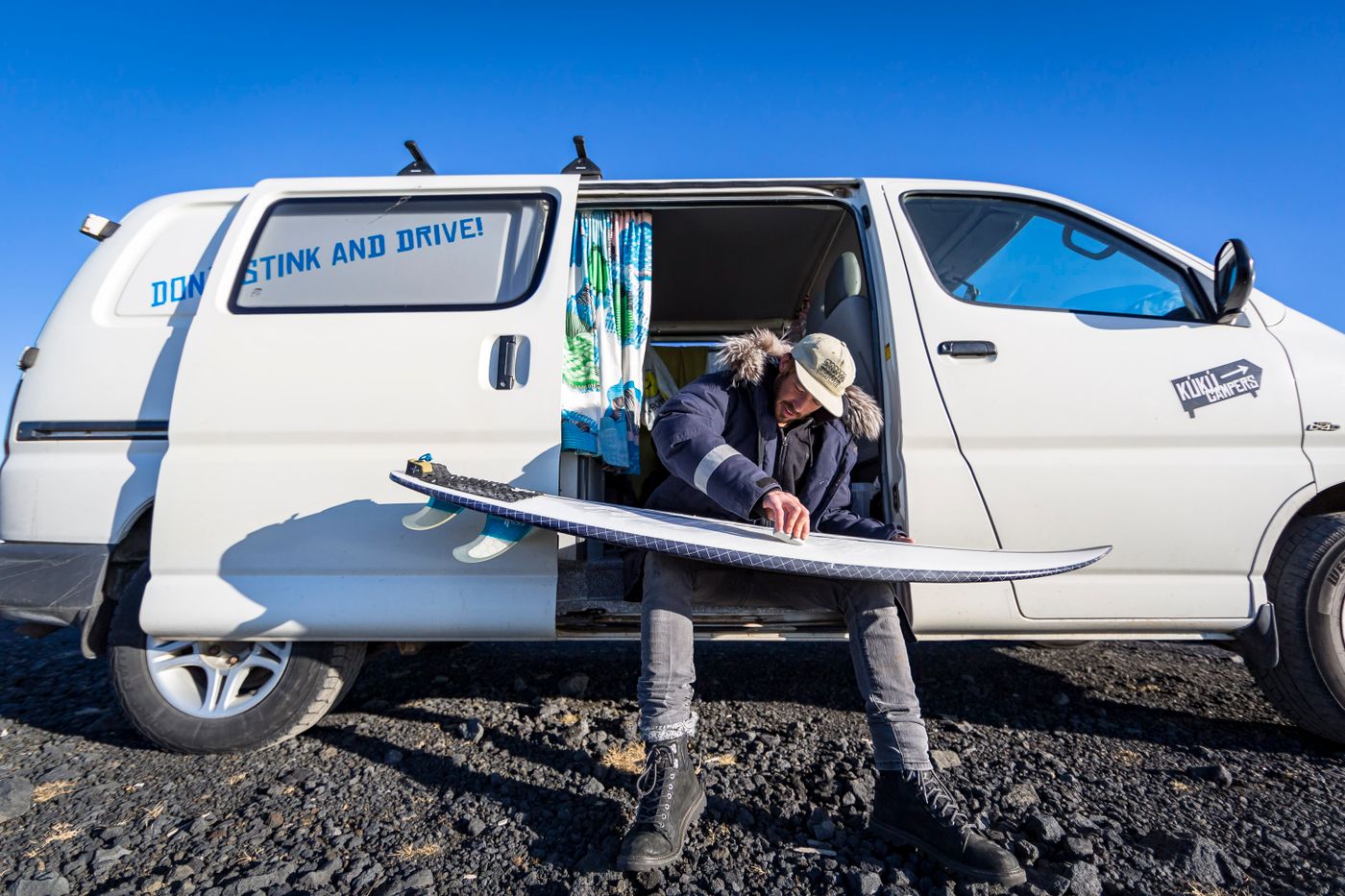
A photograph of an estate car or SUV does not establish that your board will fit. Rental categories often cover several models, and the longest object you need to carry may be the padded bag rather than the bare board. Begin with the bag's external dimensions, the number of passengers and the rest of the luggage.
Ask the rental company what arrangement it permits. Carrying equipment inside, using a fitted rack and attaching an aftermarket system are separate questions. A plan that depends on folding every rear seat is incompatible with passengers who need those seats. Keep seat belts, driver visibility and required vehicle controls unobstructed; do not treat a trial fit as permission to drive with an unsafe load.
If a rack is supplied, request its type and instructions, and confirm whether the necessary pads or approved attachments are included. If you intend to bring a system, ask both the rental company and the system manufacturer about compatibility. 'Universal' in a product title is not a substitute for the permitted vehicle configuration.
Clarify the reservation: is the rack guaranteed or merely requested? What happens if the allocated vehicle differs? A useful confirmation describes the equipment arrangement, not only the vehicle class. Keep it with the booking so the collection conversation has something concrete to refer to.
Consider the places you will park as well. A taller vehicle with a roof load can change clearance requirements, while a very long bag can make a small accommodation car park awkward. Check the relevant dimensions rather than assuming every beach car park resembles the one at home.
A confirmed transfer plus local board rental may be simpler than hiring a larger car solely to move equipment. Conversely, a group travelling with several boards may need a vehicle arrangement that is worth organising well in advance. Compare the complete cost, including any equipment fee and parking, with the journeys you actually expect to make.
At collection, inspect the vehicle and carrying equipment together before accepting that the plan works. Report missing parts or visible damage and obtain the required instructions. If the agreed arrangement is unavailable, resolve that with the provider instead of creating a makeshift substitute because a lesson is starting soon.
Consider a hypothetical pair travelling with one long board, two suitcases and a third passenger joining later. A car that accommodates the bag with its rear seats folded may work for the airport journey but fail for the later trip. Put every expected passenger arrangement through the same check. The requirement is the busiest realistic configuration, not the easiest one on arrival day.
Ask what happens if the confirmed rack or vehicle is unavailable at collection. A useful alternative might be another suitable vehicle or a separate equipment transfer, but the provider needs to explain the options and charges. Keep time in the itinerary for that conversation. A non-refundable activity immediately after pickup makes it harder to reject an unsuitable arrangement.
Before returning the vehicle, follow the rental and carrying-system instructions for removal and cleaning. Keep all supplied parts together and record any issue raised during the rental. Do not leave an accessory fitted merely because it was difficult to install, or remove parts that belong permanently to the vehicle. The return procedure is another reason to obtain the system's instructions at collection rather than waiting until the last morning.
Surf travel
Read a sample day as a sequence of travel, instruction, meals and rest. The advertised number of lessons does not describe the whole holiday.
Surf travel
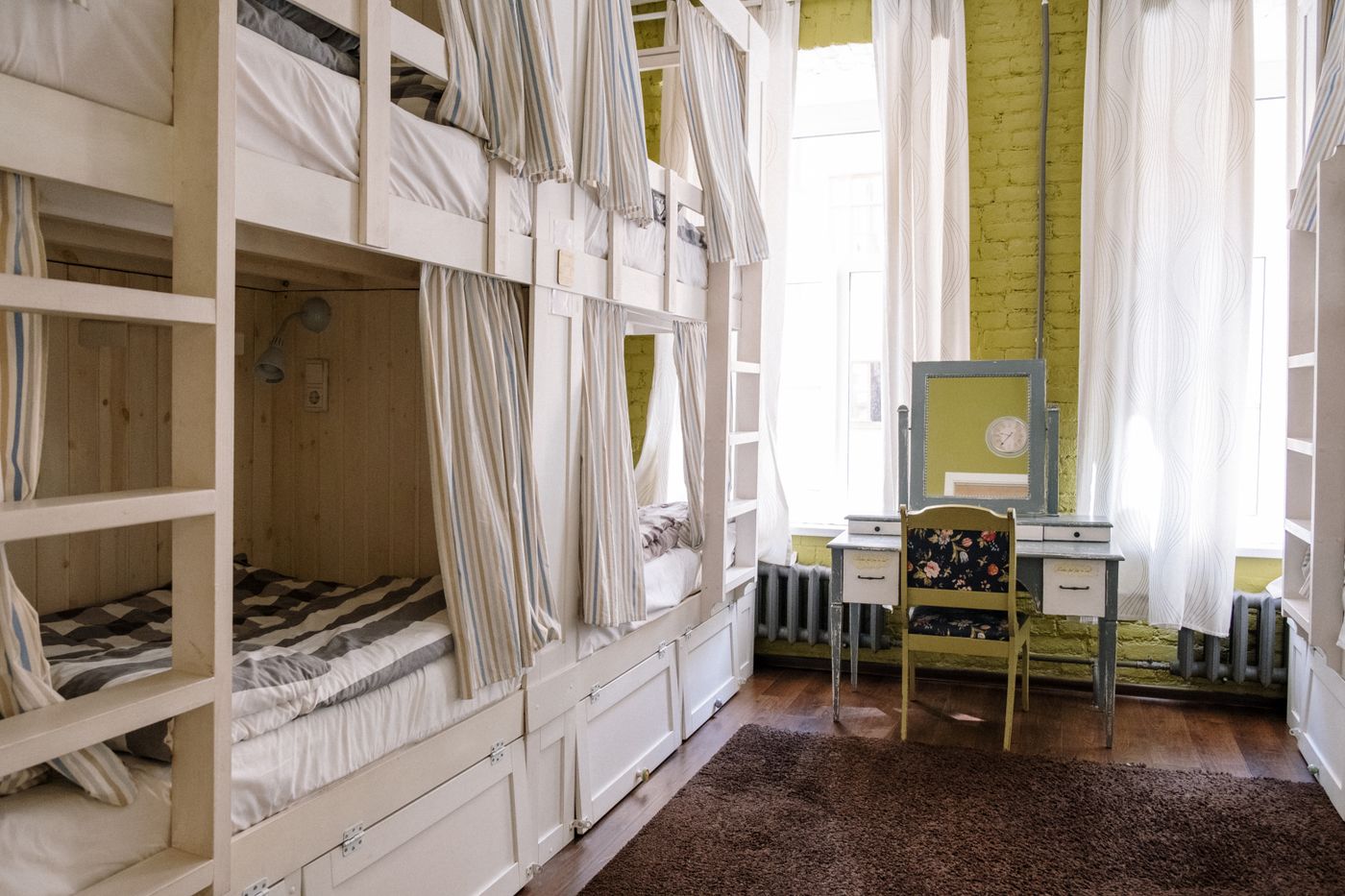
Compare the room you will actually book, the shared facilities and the distance to the camp's meeting point rather than relying on a few attractive photographs.