Surf travel
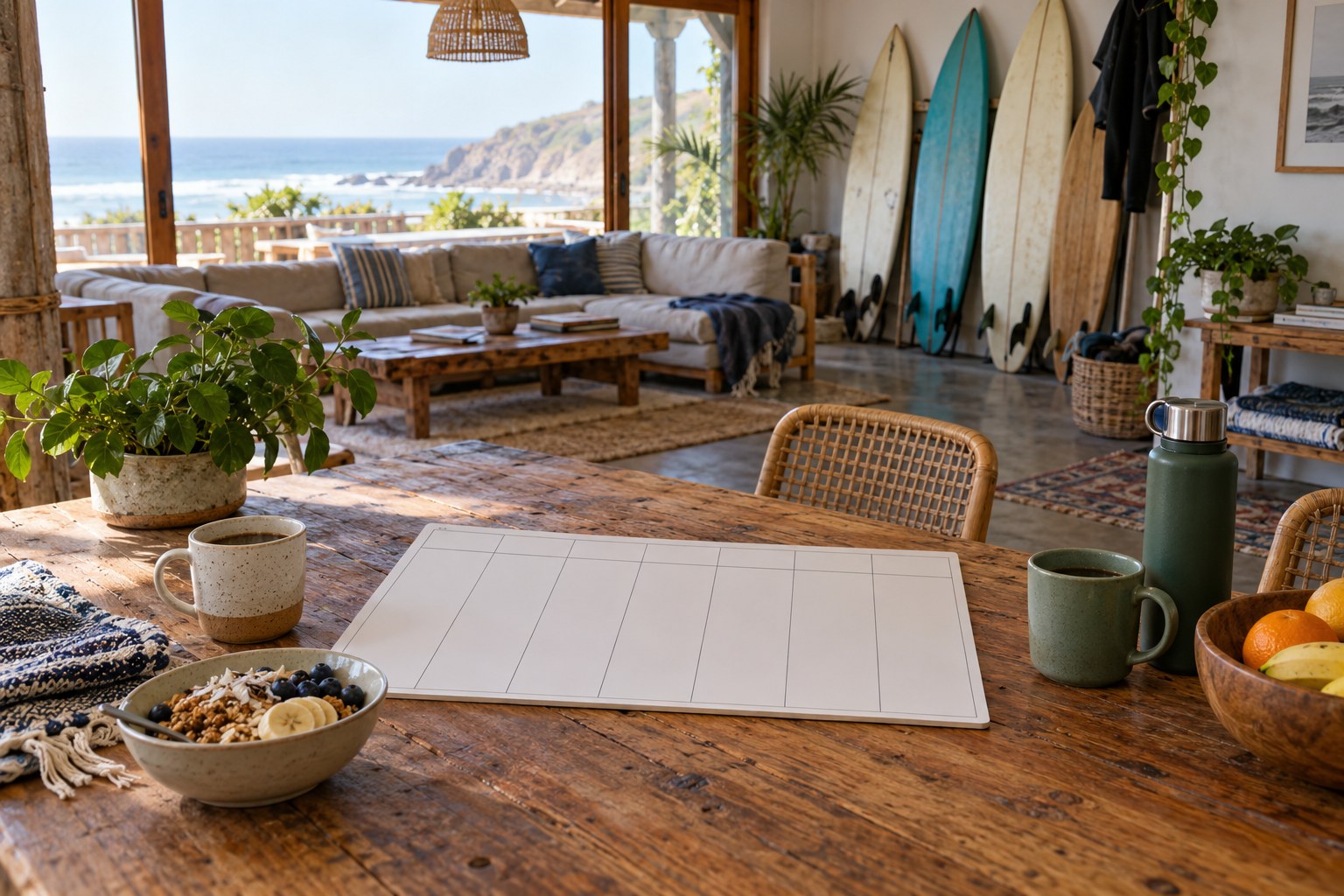
Choose a surf camp by its daily schedule
Read a sample day as a sequence of travel, instruction, meals and rest. The advertised number of lessons does not describe the whole holiday.
Surf travel
Use a destination article to generate questions, then verify the details that determine your booking directly with the relevant providers.
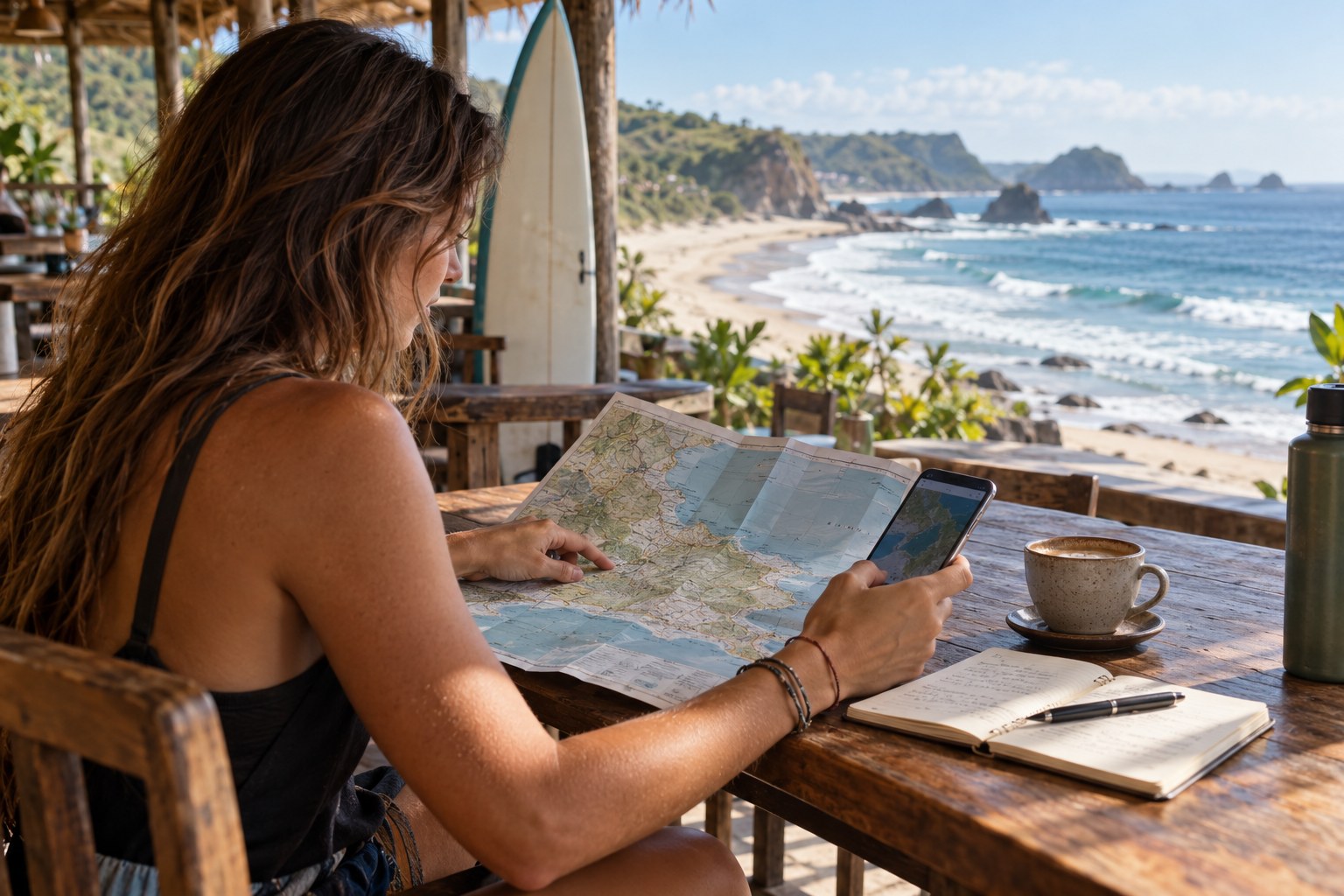
AI-generated illustration. Equipment details are illustrative; follow the instructions for your own item.
A destination guide can remain useful after its practical details have aged. The description of a town's layout may still help, while a quoted transfer fare or a seasonal opening time may no longer apply. Read the article in layers rather than deciding that it is either entirely current or entirely useless.
First, identify the decisions you need to make. Accommodation location, lesson availability, equipment transport and meal arrangements each depend on different information. Highlight the parts of the guide that affect those decisions. A vivid description of a beach does not answer whether a particular school is operating on your dates or can accommodate your experience level.
Find the publication or update date, but do not treat a recent date at the top as proof that every paragraph was rechecked. A guide may have updated its photographs while retaining an old price table. Follow links to the provider and compare the current description of the service you intend to book.
For prices, record what is included and the currency. A number for one person in a shared room is not directly comparable with a private-room package for two. Check taxes, equipment, transport and minimum stay requirements where relevant. Instead of copying the guide's total into your budget, request a quote for your dates and group.
For transport, use the operating company's timetable and equipment rules. A route mentioned in an article may be seasonal or may not accept your packed board. Verify the final journey to the actual accommodation address, not merely the arrival in a nearby town.
A guide may describe a beach as popular with learners. That does not establish that the conditions on your visit will suit you, that instruction is available or that the advertised area is the current meeting point. Ask a qualified local provider about the session and follow local notices. Avoid converting a general destination label into an independent safety judgement.
The same caution applies to photographs. A quiet scene may have been taken at a different time of year, and a visible path may not be the public access route. Use images to understand the setting, then verify access and facilities through appropriate local information.
Read recommendations with their intended audience in mind. A guide written for travellers with a vehicle and their own boards can be less useful for someone relying on lessons and public transport. Make a note of those assumptions before following its itinerary.
Use four columns: claim, source, answer for your dates and action still needed. For example, a guide's mention of board-friendly transfers becomes a question about your bag dimensions and arrival time. A claim about drying facilities becomes a request for the host to describe the actual space.
Keep confirmed answers beside the booking rather than collecting dozens of general links. If two sources disagree, return to the party that operates the service and ask for clarification. A search snippet or an old traveller's comment should not outweigh the current terms of the booking you are about to make.
Once the important details are confirmed, let the guide return to its more enjoyable role: suggesting places to explore and questions you had not considered. It does not need to become your contract, timetable and local instructor at the same time.
Surf travel
Read a sample day as a sequence of travel, instruction, meals and rest. The advertised number of lessons does not describe the whole holiday.
Surf travel
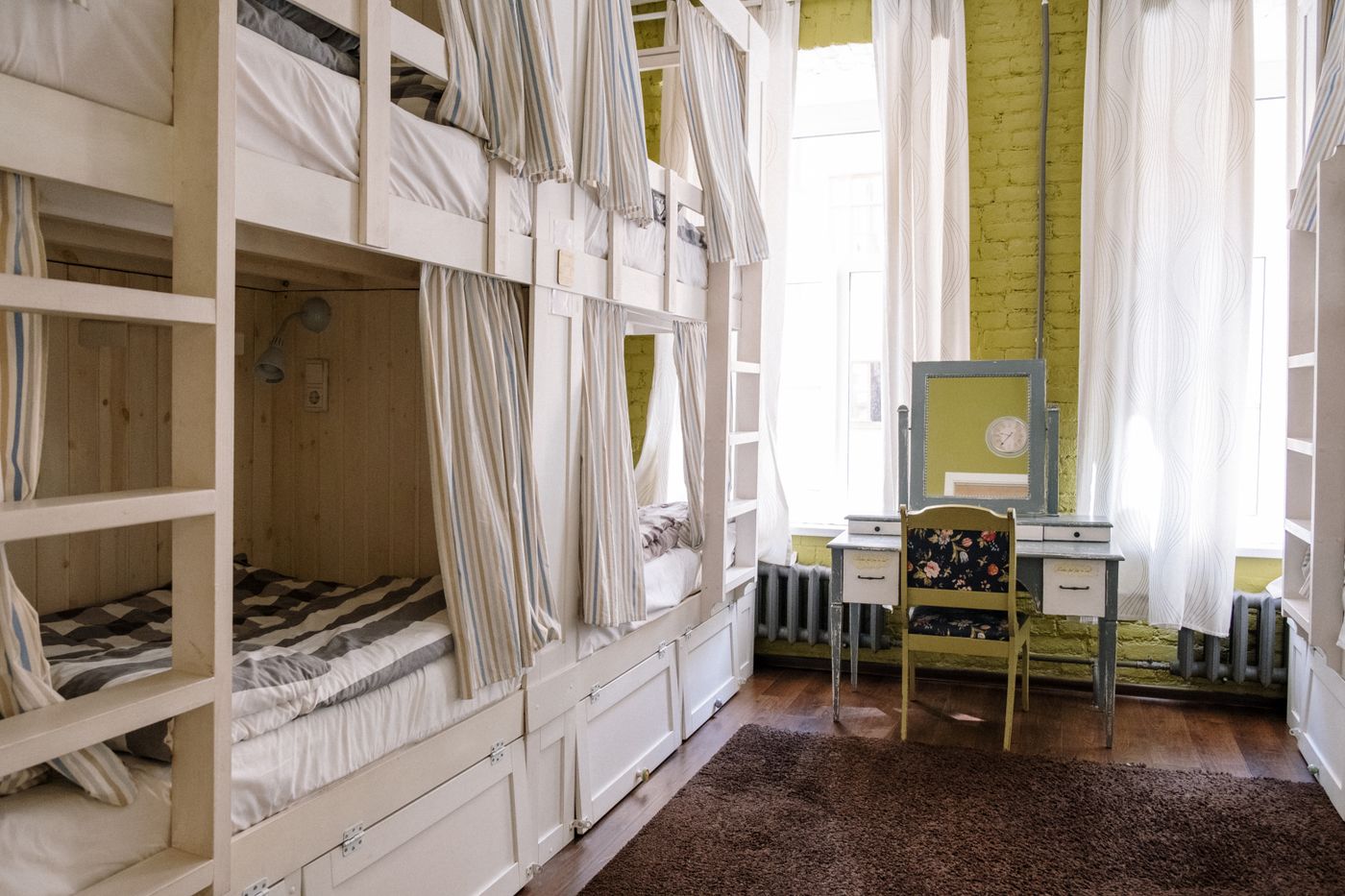
Compare the room you will actually book, the shared facilities and the distance to the camp's meeting point rather than relying on a few attractive photographs.