Surf travel
Choose a surf camp by its daily schedule
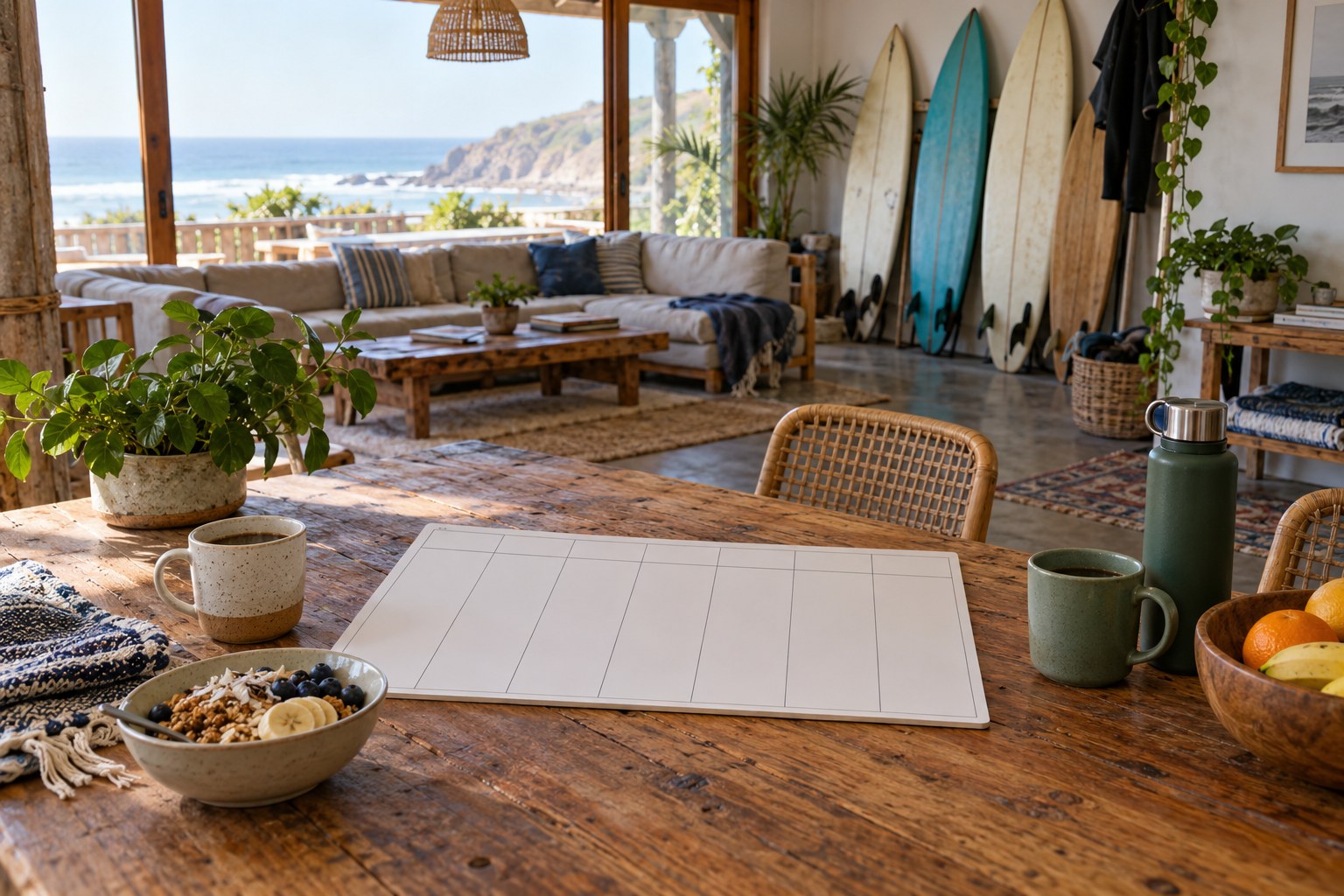
Read a sample day as a sequence of travel, instruction, meals and rest. The advertised number of lessons does not describe the whole holiday.
Surf travel
Build the holiday around verified routes and equipment rules, with a separate fallback for early starts and the journey home.
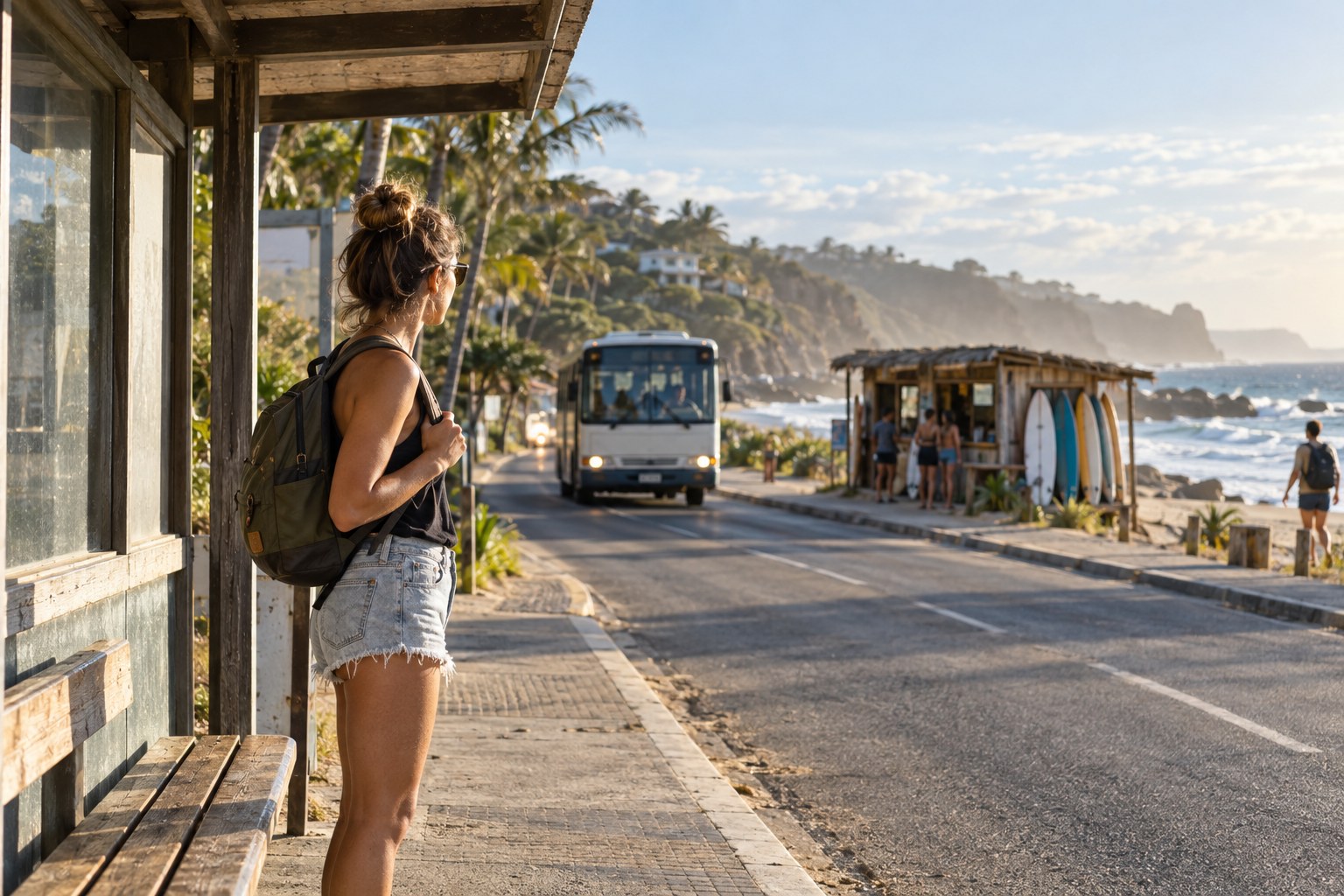
AI-generated illustration. Equipment details are illustrative; follow the instructions for your own item.
A car-free surf holiday is easiest when the lesson, accommodation and transport have been planned together. Begin with the school's actual meeting point and start time. A town may have a railway station while the beach is several kilometres away, and a bus shown on a route map may not run early enough for the session you want.
Check the timetable for your dates and the correct day of the week. Seasonal services, weekend schedules and the last return departure deserve their own notes. Save the operator's page rather than relying only on a journey planner's summary. Leave time to walk between stops and the meeting point with whatever you are carrying.
Public transport rules can distinguish between ordinary luggage and large sports equipment. Ask the operator about your packed dimensions before making the plan depend on taking a board aboard. A quiet vehicle on one journey does not establish a right to carry the same item on a crowded service.
Renting near the lesson may simplify the journey considerably. Confirm that the equipment can be collected where you need it and that its return time works with the bus or train. If a school transports participants, ask which pickup points it serves and whether the transfer is included in your booking.
Walk the route on a map with attention to access rather than scenery. Steps, narrow pavements, exposed stretches and long crossings can make a short distance awkward with a board. Choose a manageable luggage setup that leaves you able to handle doors and tickets without balancing everything precariously.
Record the last realistic departure, not merely the last scheduled one. You need time to finish the lesson, return equipment and change. Do not put yourself in a position where the only way to catch transport is to rush those tasks.
Price an alternative before you need it. That could be a confirmed equipment-capable taxi, a school transfer or a different accommodation location. If no workable fallback exists, adjust the booking. The aim is a holiday in which transport supports the day's activities, rather than a series of narrow connections that only work when every session ends exactly on time.
Surf travel
Read a sample day as a sequence of travel, instruction, meals and rest. The advertised number of lessons does not describe the whole holiday.
Surf travel
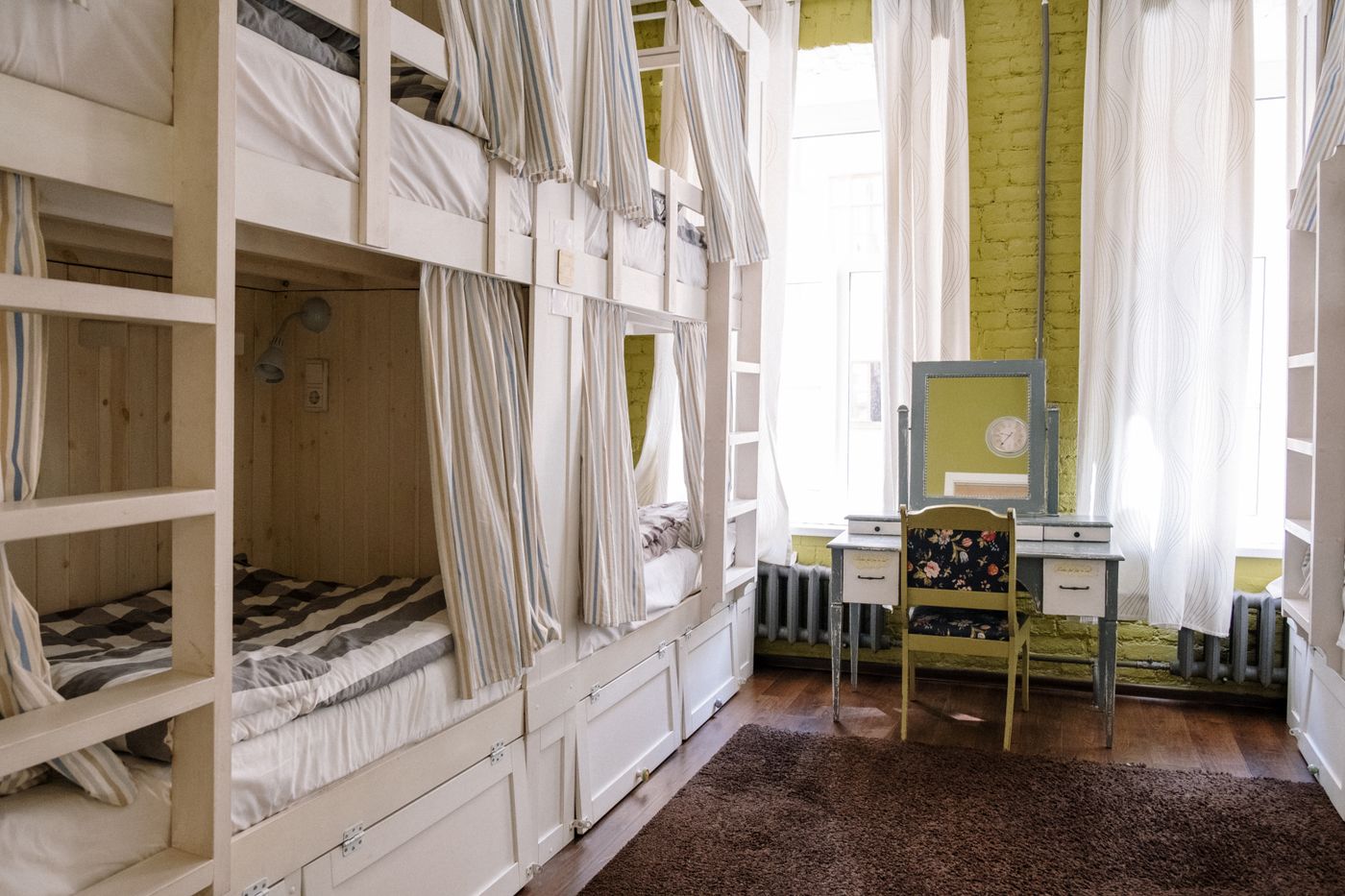
Compare the room you will actually book, the shared facilities and the distance to the camp's meeting point rather than relying on a few attractive photographs.