Surf travel
Choose a surf camp by its daily schedule
Read a sample day as a sequence of travel, instruction, meals and rest. The advertised number of lessons does not describe the whole holiday.
Surf travel
Give each traveller an appropriate lesson or activity plan, then build shared time around those plans instead of forcing everyone into the same session.
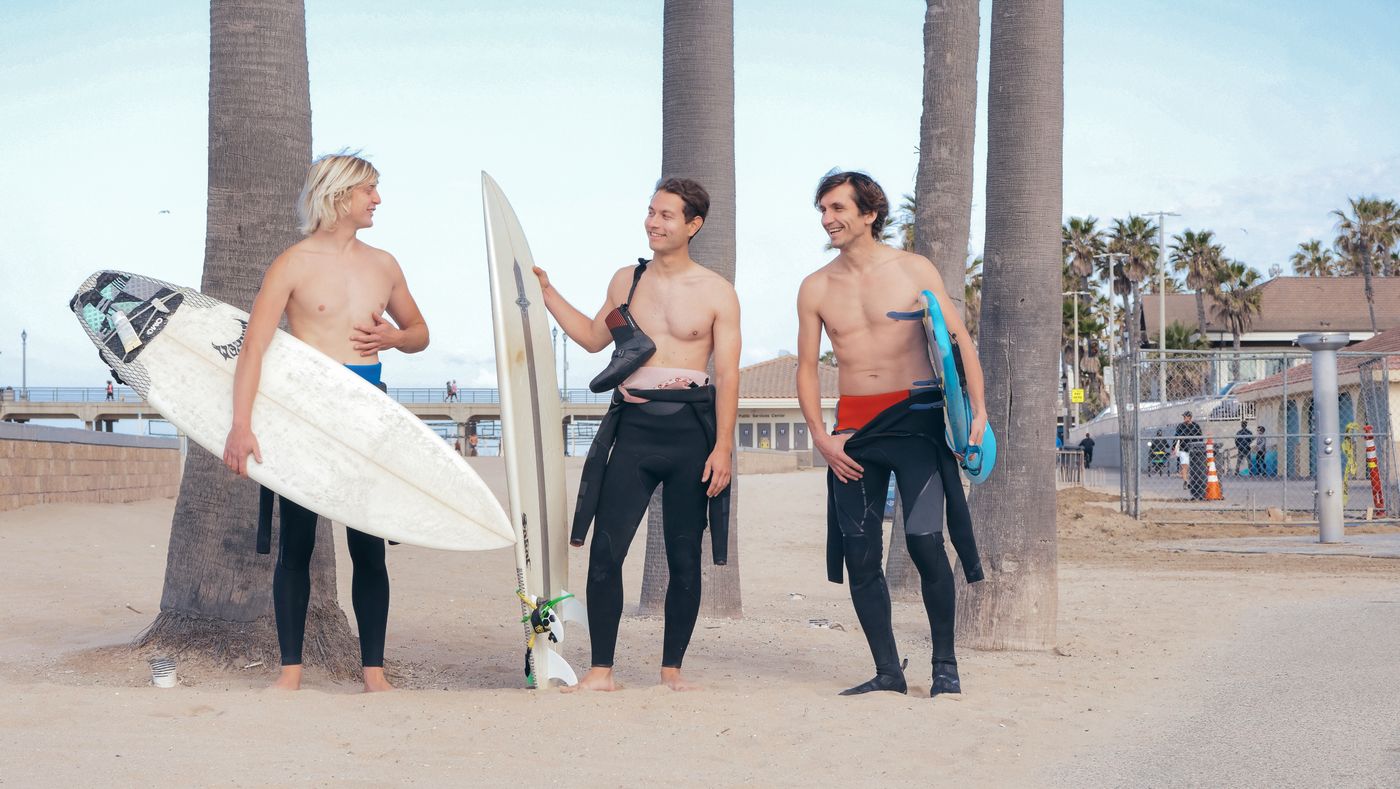
A mixed-ability surf holiday can work well when the group does not confuse travelling together with doing every activity together. List each person's experience, goals and preferred amount of time in lessons. Include people who do not want to surf at all. Those differences should shape the booking before accommodation is chosen.
Ask the school how it groups participants and whether different sessions can share a pickup point. Do not describe everyone as intermediate merely to keep friends together. A more accurate account lets the provider explain its options and may prevent a booking that is frustrating for several people.
Compare the transport needs of the separate sessions. If one person takes the only car early in the morning, the rest of the group needs a workable plan. A central accommodation choice, provider transfers or local rentals can be more useful than a property close to one person's preferred beach.
Agree which meals or evenings you want to share. Keep those plans far enough from session end times to allow equipment return, changing and travel. A shared breakfast may be impossible on an early lesson day, while an unhurried evening meal can bring the group together without controlling everyone's morning.
Discuss costs before booking. Private lessons, extra transport and equipment hire may differ by participant. Decide what is shared and what each person pays individually. A simple written breakdown prevents one traveller's specialist arrangement from quietly becoming a group expense.
Share addresses, meeting points and contact details so nobody depends on the most experienced surfer to organise every movement. Agree how changed plans will be communicated. A message saying 'back later' is less useful than a time and location for the next meeting.
Leave some unbooked time. People may want different amounts of rest, and a non-surfing companion should not have to wait on the sand for every session to feel included. Build a few activities everyone genuinely wants to do, without treating them as compensation for the rest of the holiday.
Review the plan after the first day. If the transport or meeting arrangement is cumbersome, change that practical detail rather than interpreting different preferences as a problem with the group. Shared travel can accommodate separate learning paths when the logistics are explicit.
A three-person group can make the division explicit. One person may book beginner lessons, another may arrange a different supervised session and the third may prefer land-based activities. Put the pickup and return times on the same page, then find the overlap for shared meals and outings. If the overlap is small, adjust the accommodation or transport before asking anyone to abandon the activity they wanted.
Give each traveller a small independent budget for their own choices. This can reduce pressure to join an unsuitable session simply because a group package has already been paid for. If a package is still the preferred option, ask whether different lesson allocations or non-surfing places are offered and obtain the actual terms.
Avoid using the more experienced traveller as the default instructor for the rest of the group. They may want their own holiday, and familiarity with surfing does not establish teaching or rescue qualifications. Keeping lessons with an appropriate provider can make the shared time less strained and the responsibilities clearer.
Surf travel
Read a sample day as a sequence of travel, instruction, meals and rest. The advertised number of lessons does not describe the whole holiday.
Surf travel
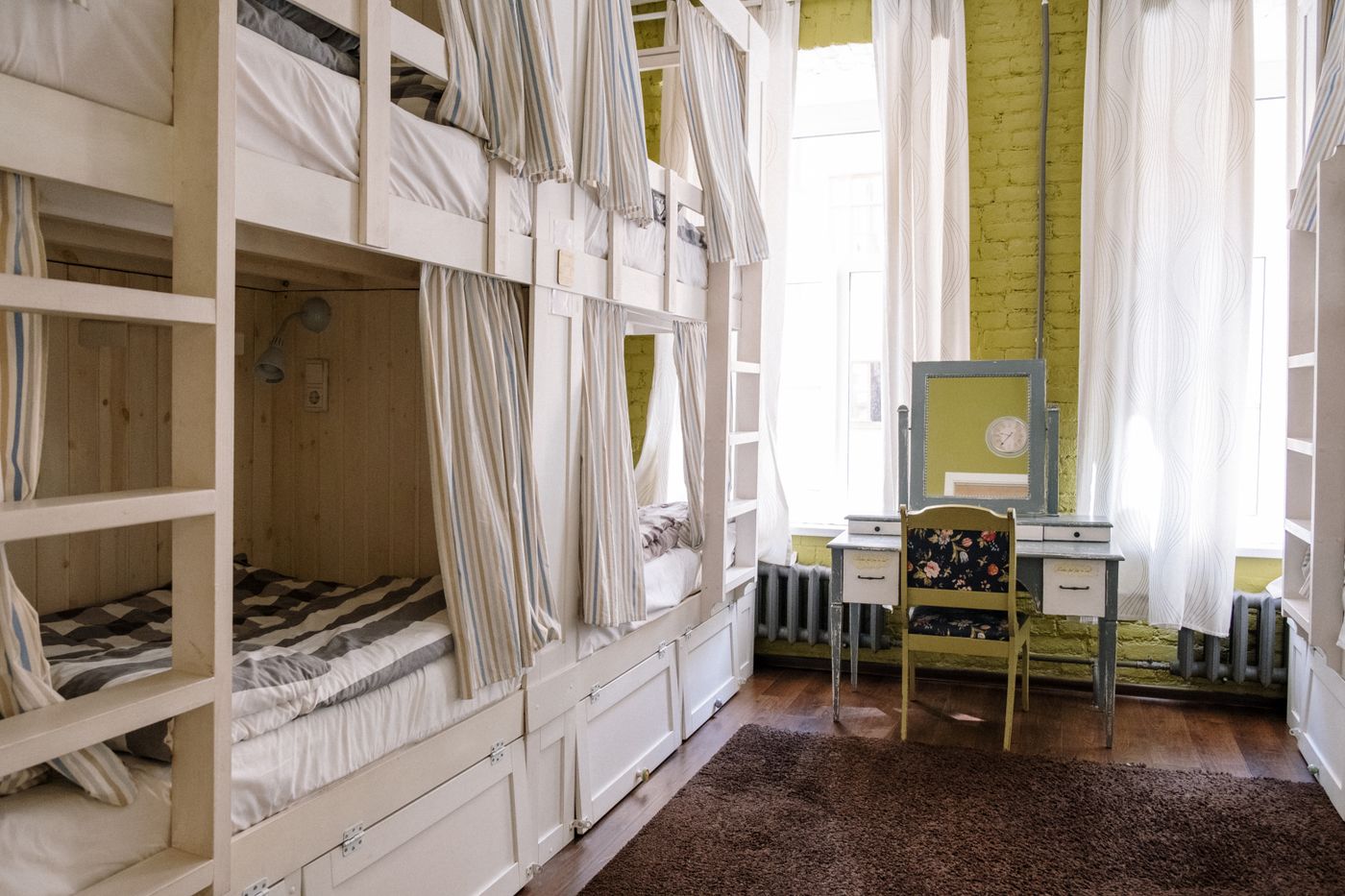
Compare the room you will actually book, the shared facilities and the distance to the camp's meeting point rather than relying on a few attractive photographs.