Surf travel
Choose a surf camp by its daily schedule
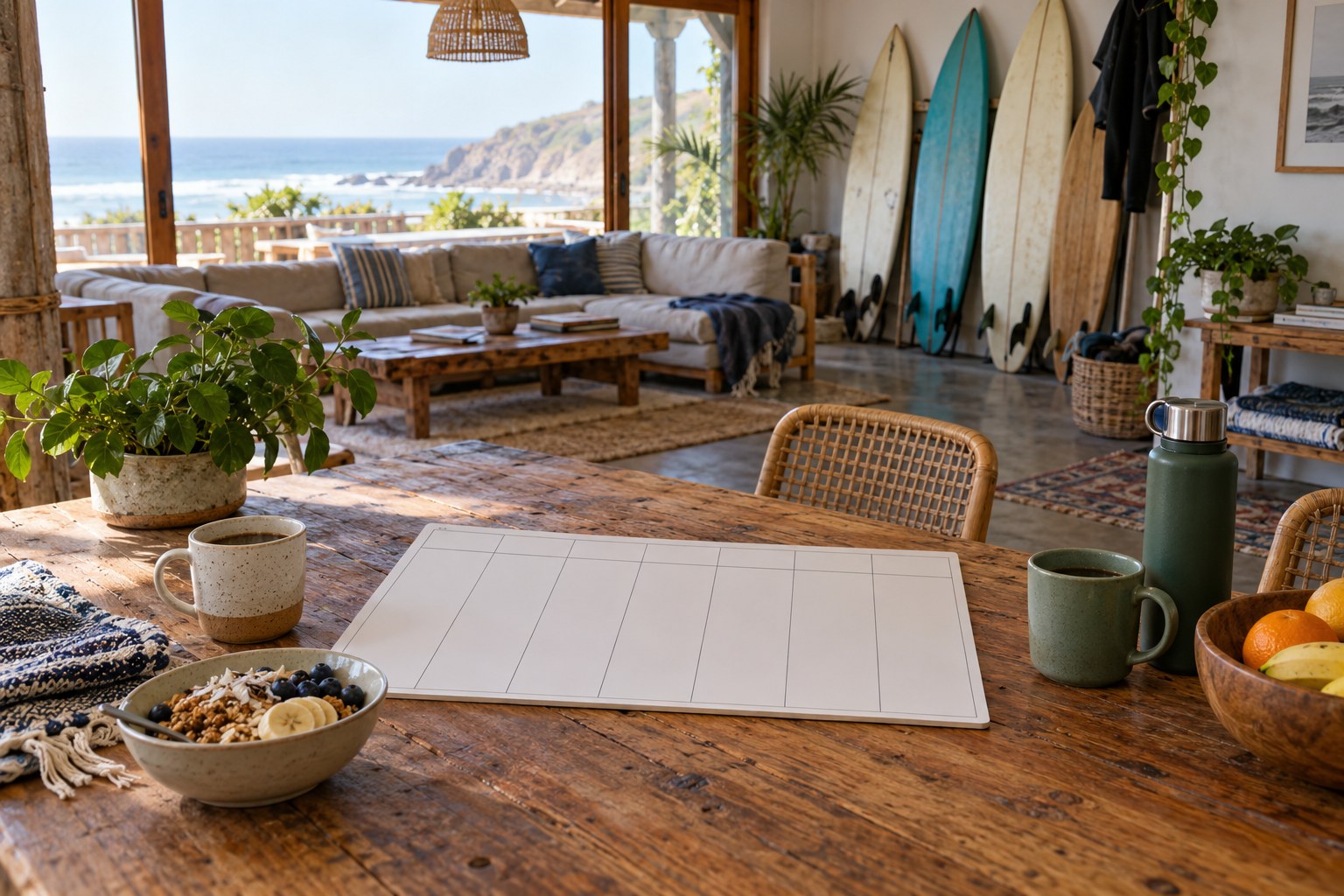
Read a sample day as a sequence of travel, instruction, meals and rest. The advertised number of lessons does not describe the whole holiday.
Surf travel
Create a short, repeatable photo record before packing and compare the same areas when the bag is collected.
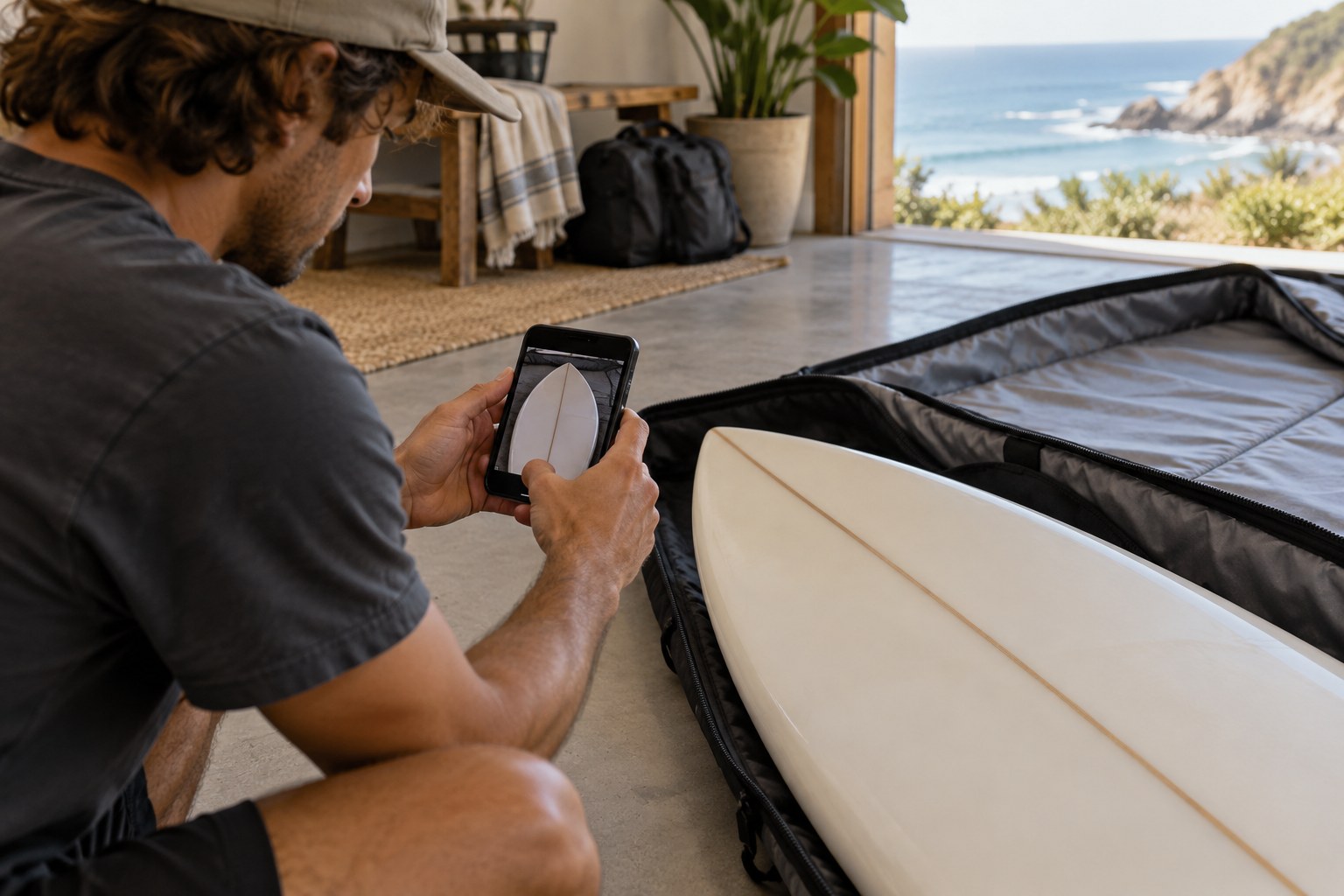
AI-generated illustration. Equipment details are illustrative; follow the instructions for your own item.
A condition record is most useful when it shows the board clearly enough to distinguish an existing mark from something noticed later. Photograph the deck, bottom, rails, nose, tail and fin area in good light before packing. Include an overall view so a close-up can be located on the board rather than becoming an unexplained picture of a scratch.
Record marks you already know about. A simple note such as 'small surface mark on left rail near nose' is more useful than calling the board perfect when the photographs show otherwise. Do not press, scrape or otherwise test a questionable area merely to make the record more dramatic.
Save the photographs in a folder with the date and trip reference. Include the bag and the packing arrangement, along with any visible pre-existing bag damage. Keep purchase or ownership records and the baggage receipt in a separate accessible place.
At arrival, inspect the bag and board as soon as reasonably possible within the carrier's reporting process. Photograph a newly noticed issue before moving or altering the affected area. Capture both the location and the wider context, including relevant bag damage, without assuming the appearance alone proves the cause.
If something needs reporting, follow the carrier or insurer's instructions and deadlines. An informal message to a travel companion is not necessarily a report to the responsible provider. Keep reference numbers and copies of the communication with the photographs.
The same images can help a repairer understand the board's previous condition, but photographs cannot establish structural soundness. If damage is uncertain, keep the board out of use until an appropriate assessment has been made. Avoid applying a product that conceals the area before asking what documentation or inspection is needed.
After the trip, label the final condition record and retain it with any repair information. On the next journey, take fresh pictures rather than recycling an old set. The value lies in the record describing the board at a particular point in time, not in having a large folder of images with unclear dates and locations.
Surf travel
Read a sample day as a sequence of travel, instruction, meals and rest. The advertised number of lessons does not describe the whole holiday.
Surf travel
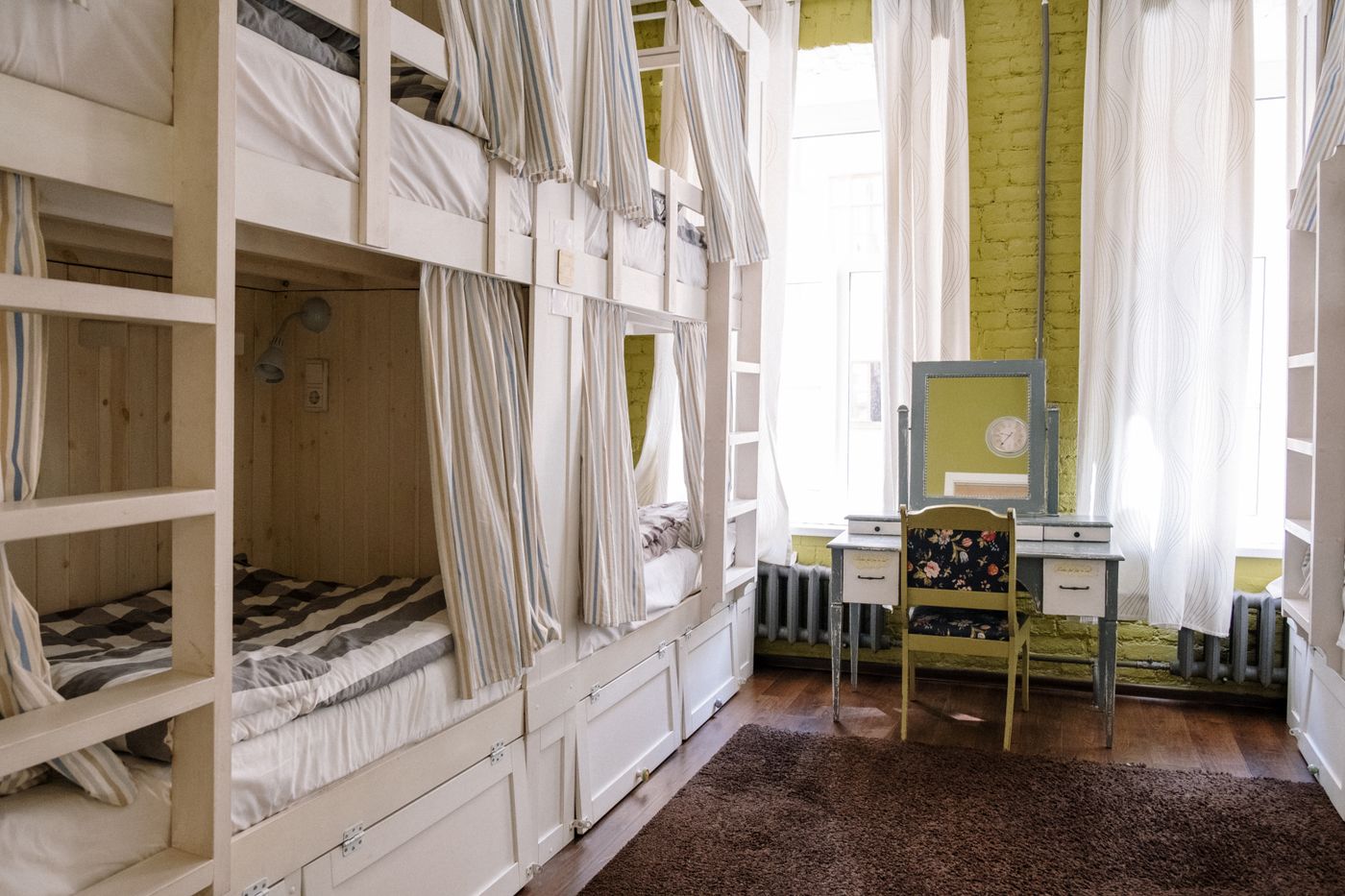
Compare the room you will actually book, the shared facilities and the distance to the camp's meeting point rather than relying on a few attractive photographs.