Surf travel
Choose a surf camp by its daily schedule
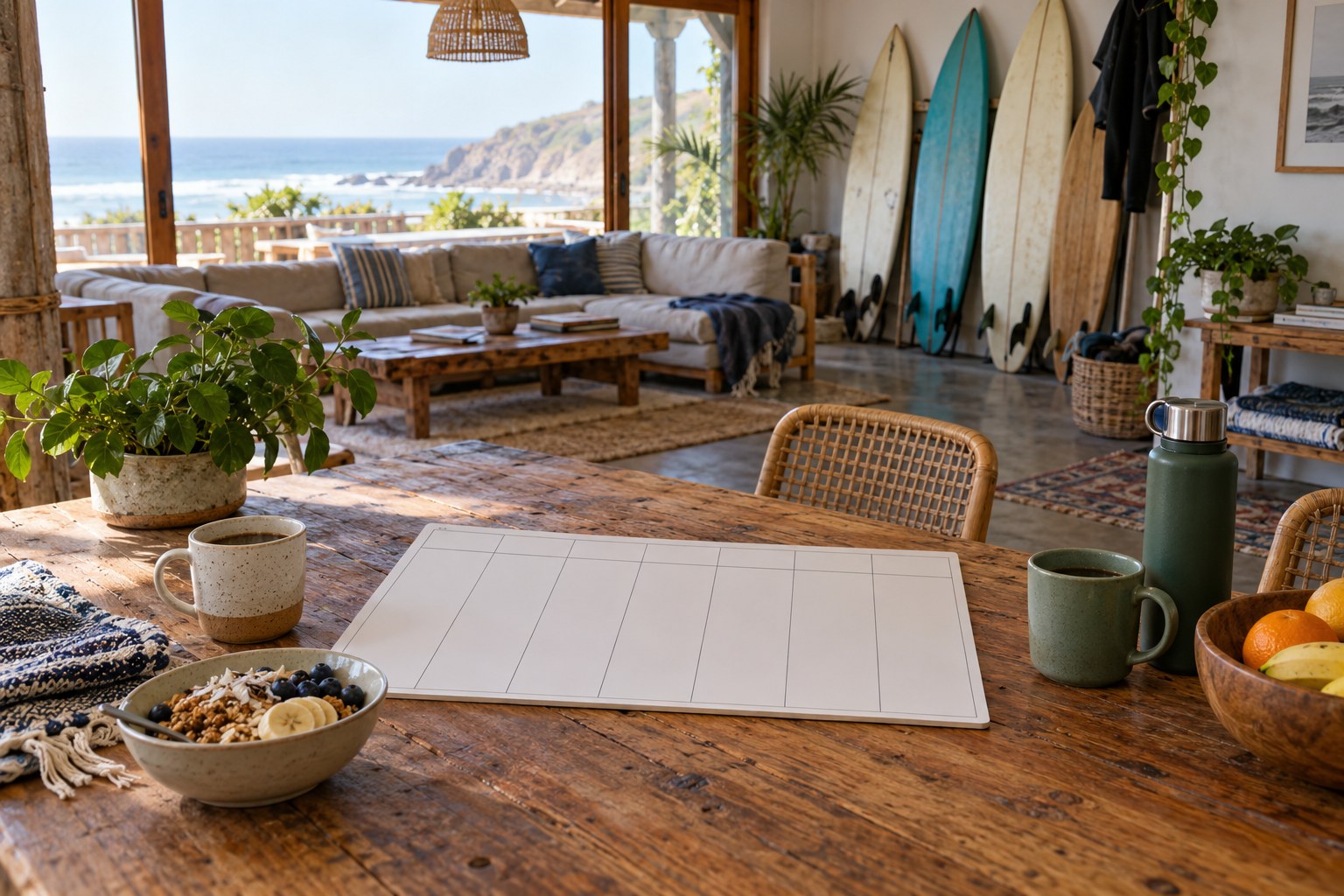
Read a sample day as a sequence of travel, instruction, meals and rest. The advertised number of lessons does not describe the whole holiday.
Surf travel
Compare supervision, transport and daily routines in detail; the phrase family-friendly does not describe who is responsible for a child at each point in the day.
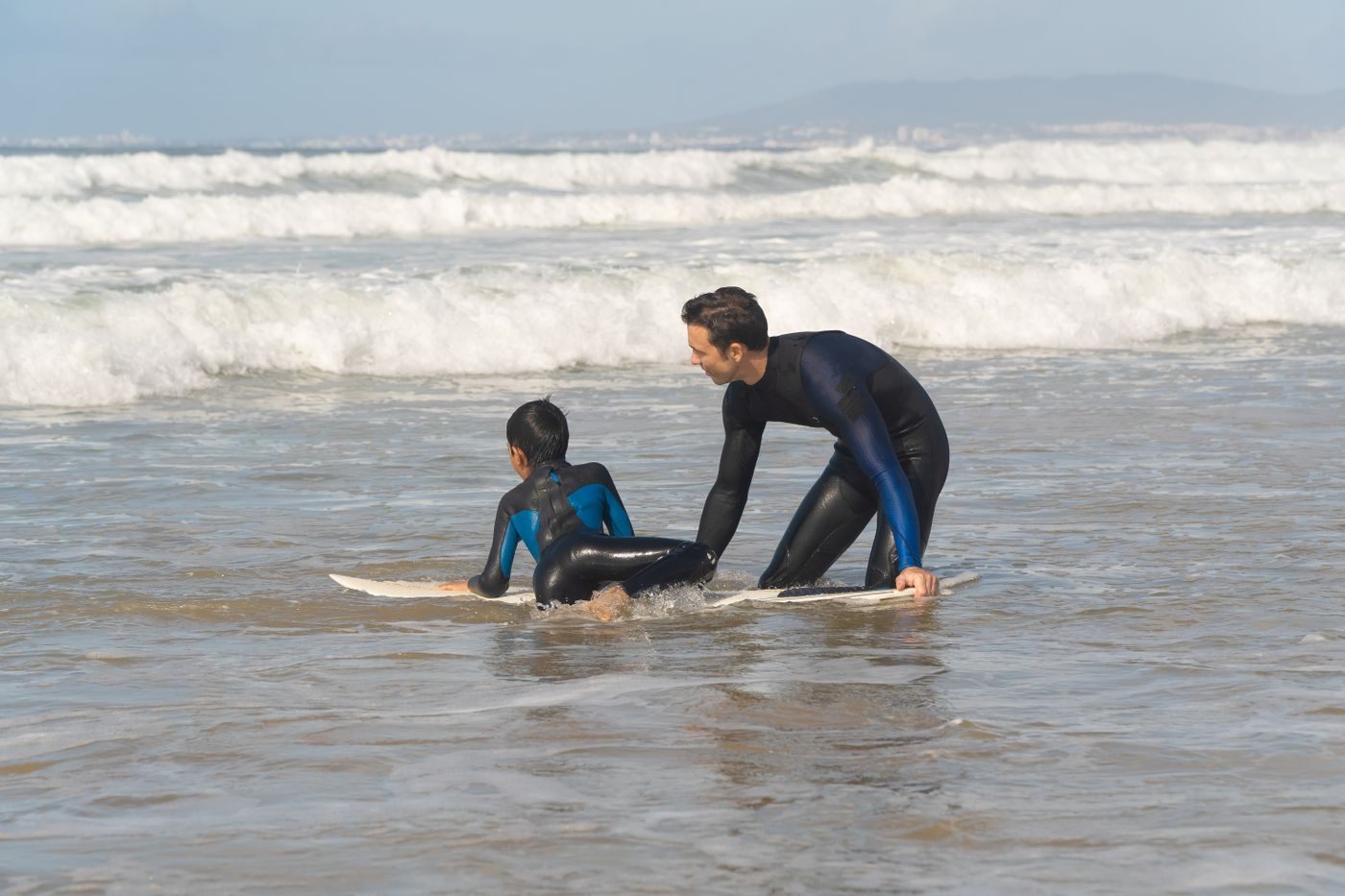
A family surf camp booking involves more than matching an age to an advertised minimum. Ask the provider how it assesses the child's experience and whether the proposed session is suitable. Describe any relevant access or communication needs before paying. The provider should explain its requirements and the information it needs, rather than relying on a parent to infer them from promotional photographs.
Start with a sample day. Mark the handover point, lesson, return transfer, meals and any free time. At each stage, ask who is supervising and where the parent or guardian must be. A lesson booking does not necessarily include childcare before or afterwards, even if the accommodation and school share a name.
Find out how children are grouped and what happens if siblings have different needs or experience. A family may want to stay together, but that preference should not determine whether the same activity suits everyone. Ask about instructor qualifications, current water-safety training and the safeguarding arrangements relevant to the provider's location.
Request the provider's procedure for a child who becomes uncomfortable, tired or wants to stop. Who stays with them, and where does the parent meet them? A clear answer is more informative than a promise that everyone always enjoys the session. Discuss how the child can communicate with the instructor if the lesson language is unfamiliar.
Equipment needs to be confirmed for the individual child. Ask about available sizes, fitting time and what is supplied. Do not buy equipment to solve an unanswered booking question; resolve the session requirements first. Check what dry clothes, towels and personal items should be available immediately afterwards.
For transfers, ask who accompanies the children, what seating arrangements are provided and where responsibility changes hands. Confirm any required child restraint arrangements with the transport provider under local rules. Do not assume the vehicle used for adult guests is automatically appropriate for a younger group.
If parents remain at the beach, ask where they should wait without interfering with instruction or access. If they may leave, confirm the contact process and how quickly they must be able to return. Keep a working local contact number available and check that the provider has it correctly recorded.
Meals and downtime deserve attention too. Ask how dietary requirements are handled and whether food is included at the times shown in the schedule. A long gap between a morning session and a late group meal can be difficult for a family even when the lesson itself is well organised.
Read cancellation and adjustment terms before committing to a full week. Ask whether a shorter initial booking or a different activity is possible if the arrangement does not suit the child. Avoid making the entire family itinerary depend on everyone completing every advertised session.
Keep the practical agreements in one place and explain the day's sequence to the child in language they understand. The best booking for your family is the one whose responsibilities and routines are clear enough to follow, rather than the one with the most activities printed on the programme.
Surf travel
Read a sample day as a sequence of travel, instruction, meals and rest. The advertised number of lessons does not describe the whole holiday.
Surf travel
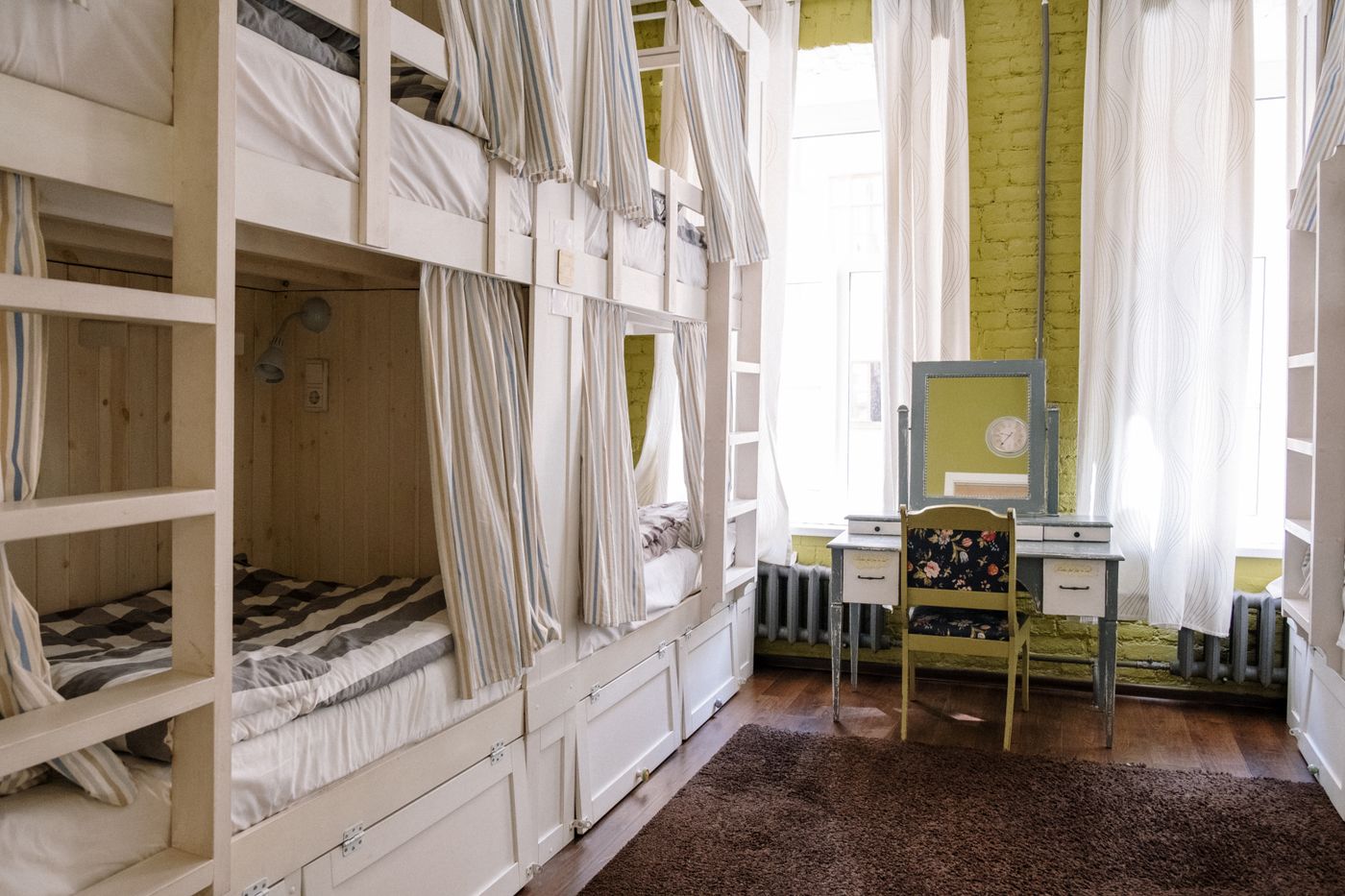
Compare the room you will actually book, the shared facilities and the distance to the camp's meeting point rather than relying on a few attractive photographs.