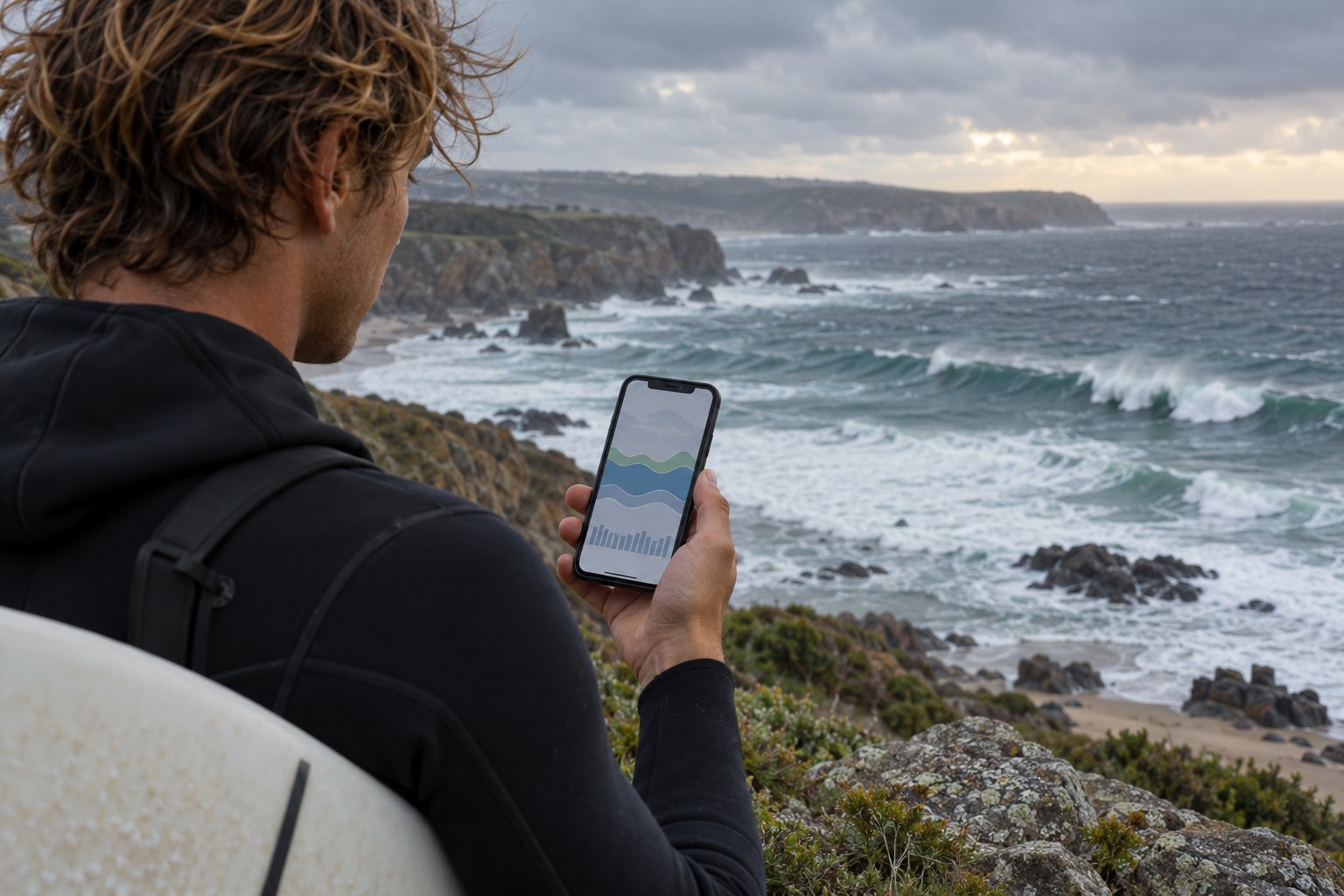
Starting out
Recognise the limits of a surf forecast
A forecast helps frame questions about a session. It cannot replace current local observation or an assessment of your own ability.
Explore the journal
Lesson choices, unfamiliar terminology and questions to ask before your first sessions.
Starting out
A forecast helps frame questions about a session. It cannot replace current local observation or an assessment of your own ability.

Starting out
Wave period adds information to height, but a longer interval is not a simple signal that conditions are better for a learner.
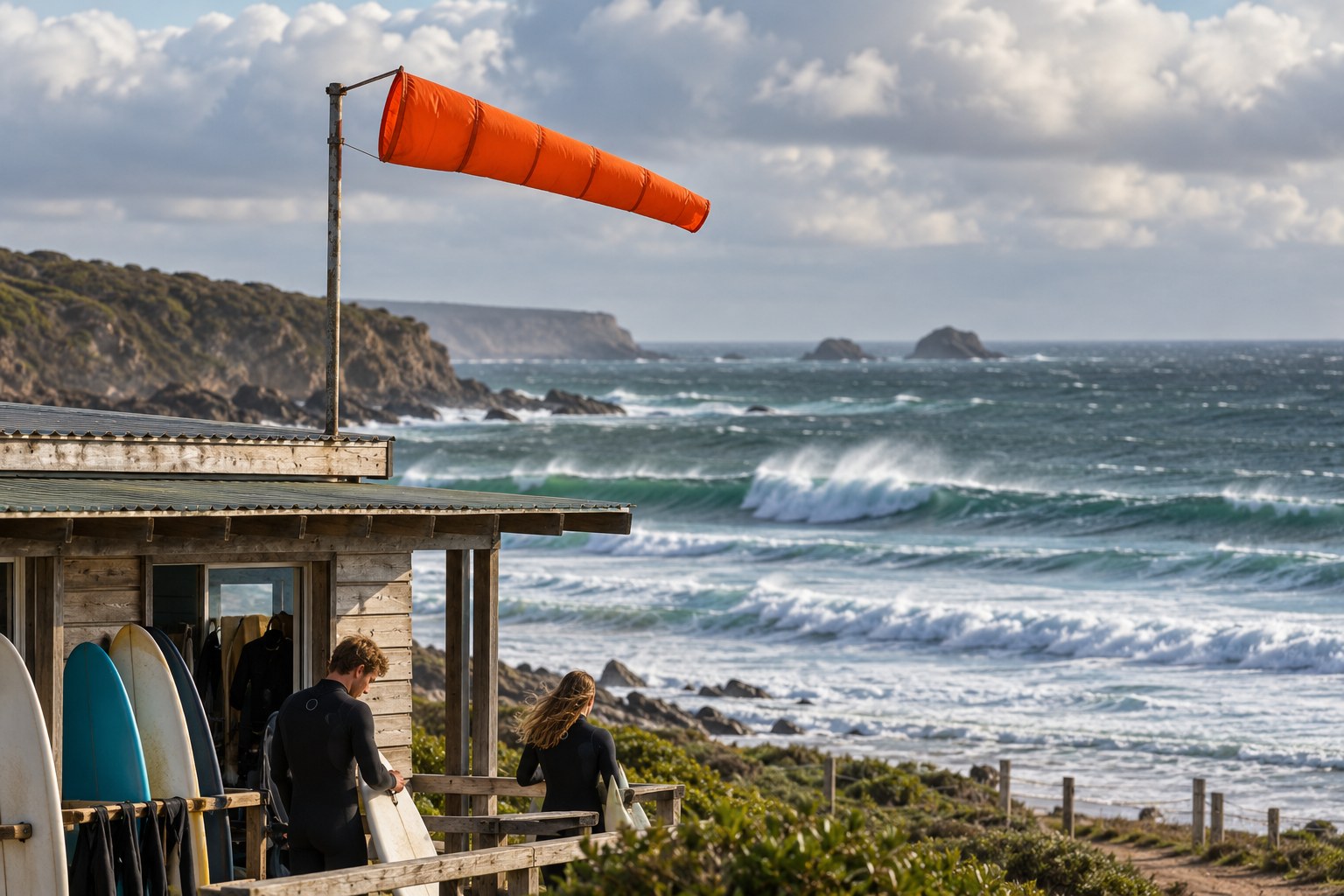
Starting out
Wind direction only becomes meaningful when you relate it to the beach orientation, the forecast's notation and current local advice.
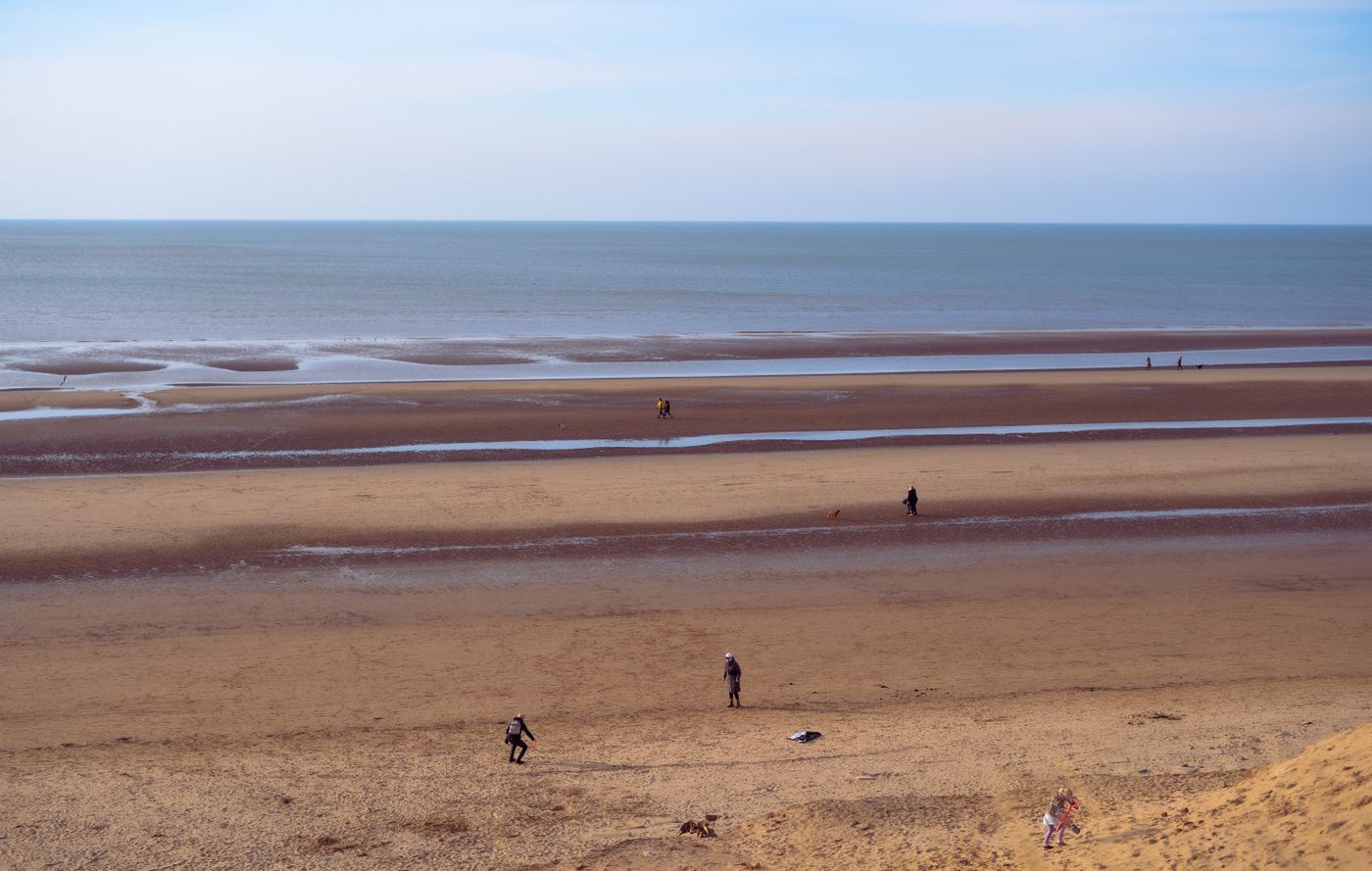
Starting out
Use a tide table for the right place and time, then ask how those water levels affect the beach you intend to visit.
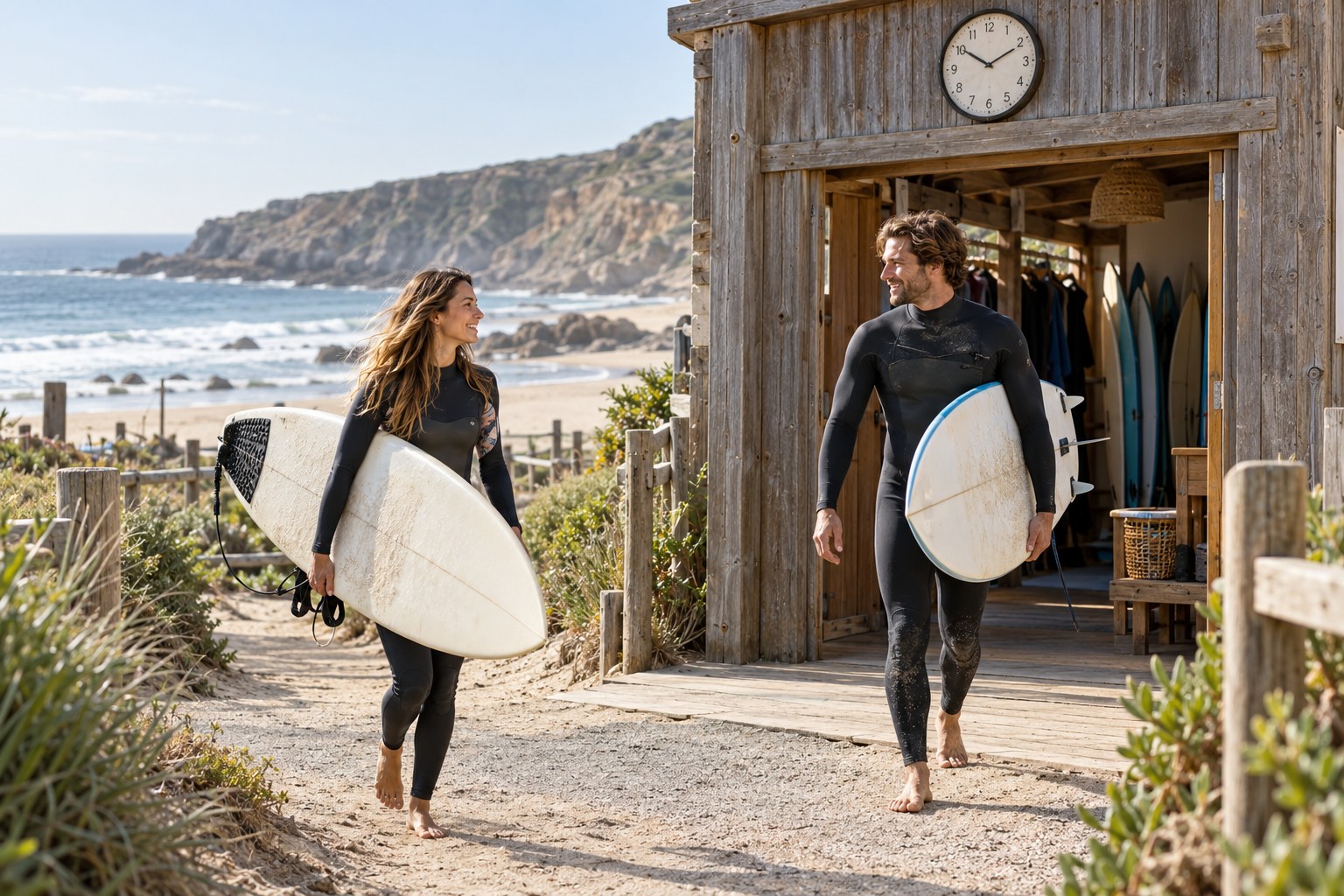
Starting out
A precise meeting point and a realistic journey make the beginning of a lesson considerably easier to manage.
Starting out
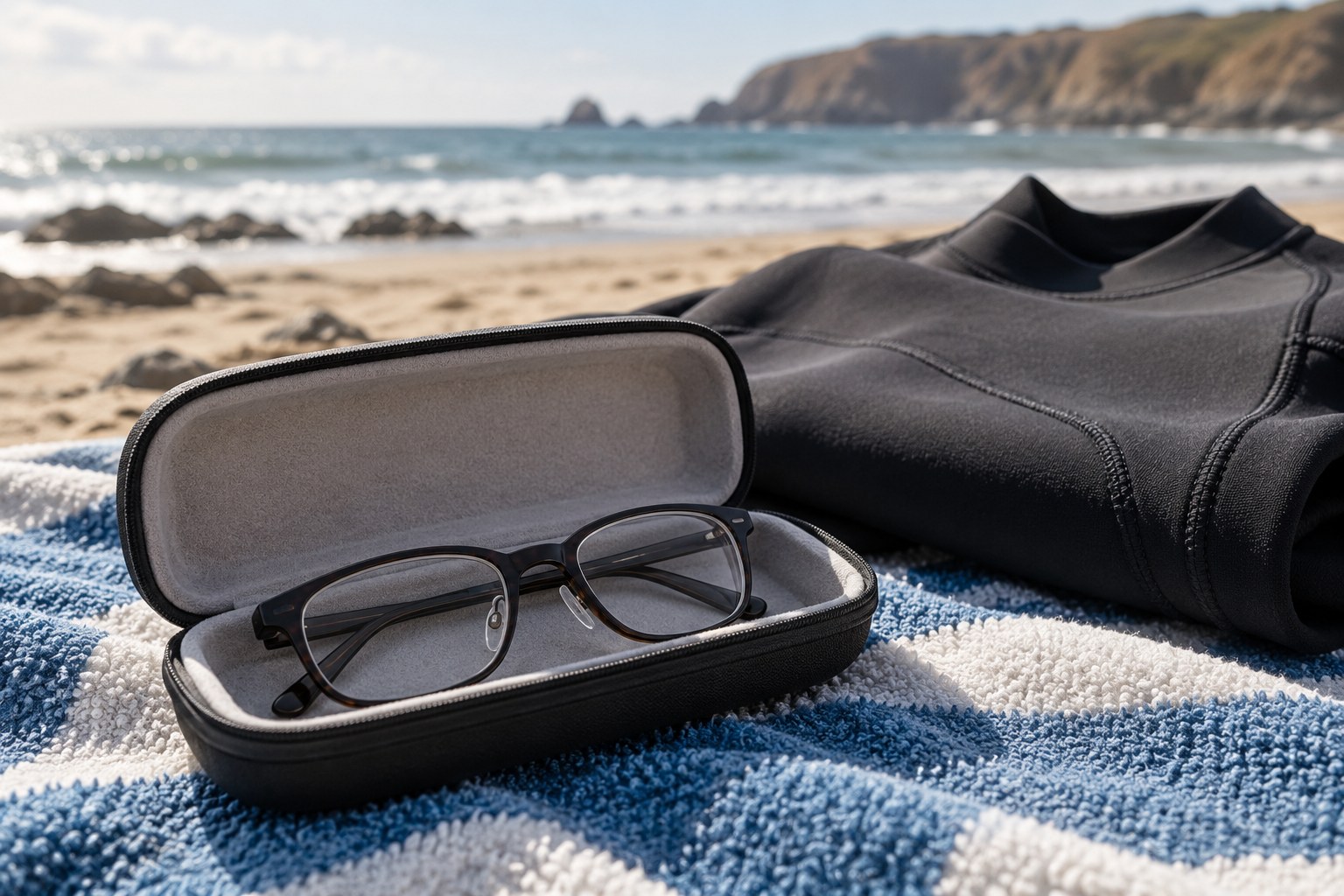
Discuss vision needs before the booking, and arrange any water-suitable eyewear through an eye-care professional rather than improvising at the beach.

Starting out
Book a return lesson around your current experience and circumstances, rather than the level you remember reaching years ago.

Starting out
A shared trip works more smoothly when surfing has a defined place in the timetable and nobody has to spend every morning waiting on the sand.