Starting out
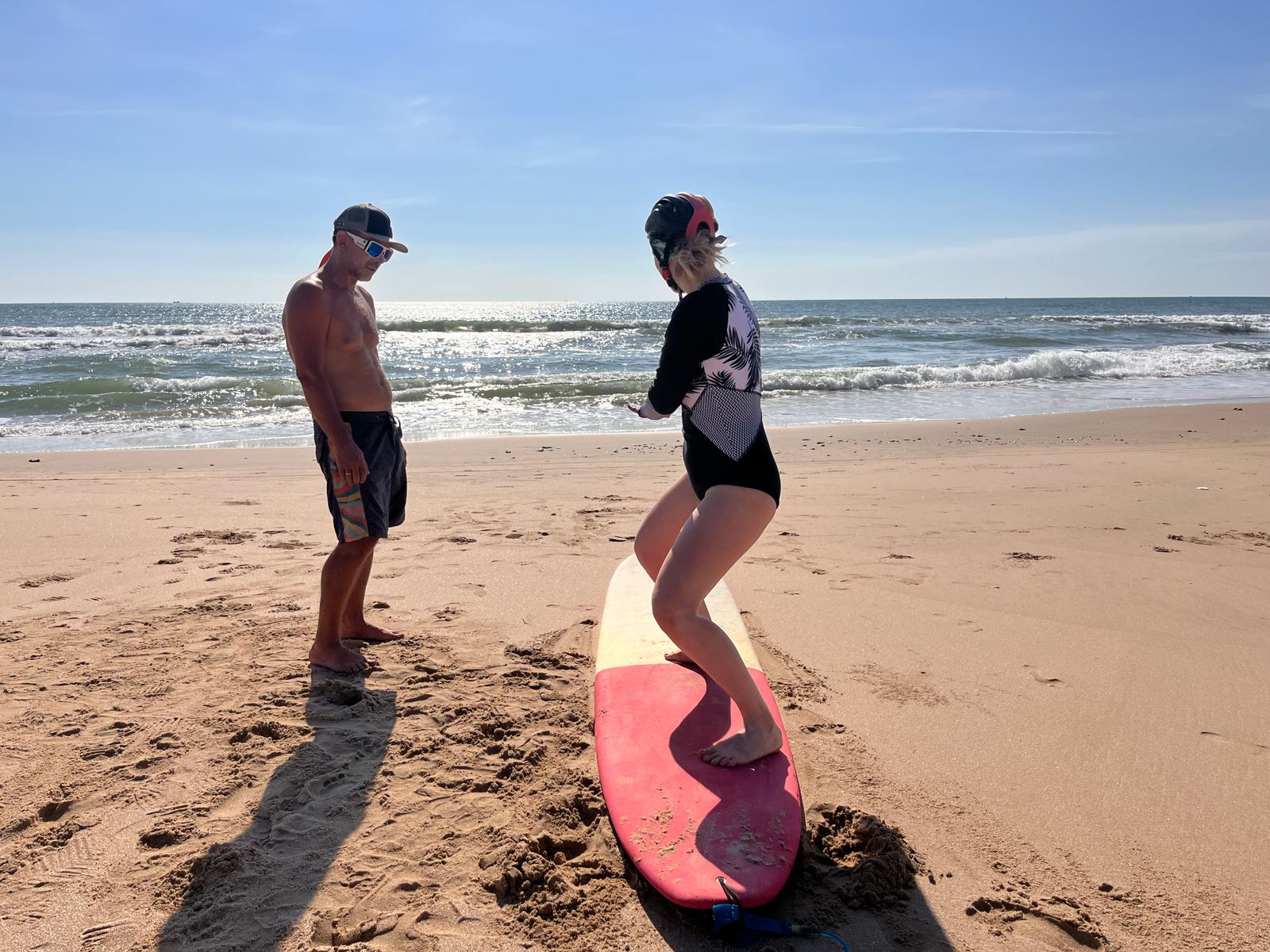
Choose a surf lesson for your first day in the water
Find a first lesson whose meeting arrangements, equipment and teaching format leave you ready to learn, rather than trying to solve everything on the beach.
Wavebutler / 146 articles
Browse articles on starting out, choosing equipment and organising time away with a surfboard.
146 articles
Starting out
Find a first lesson whose meeting arrangements, equipment and teaching format leave you ready to learn, rather than trying to solve everything on the beach.

Starting out
Get clear answers about teaching, equipment and changes of plan before a surf school turns a provisional enquiry into a booking.
Starting out
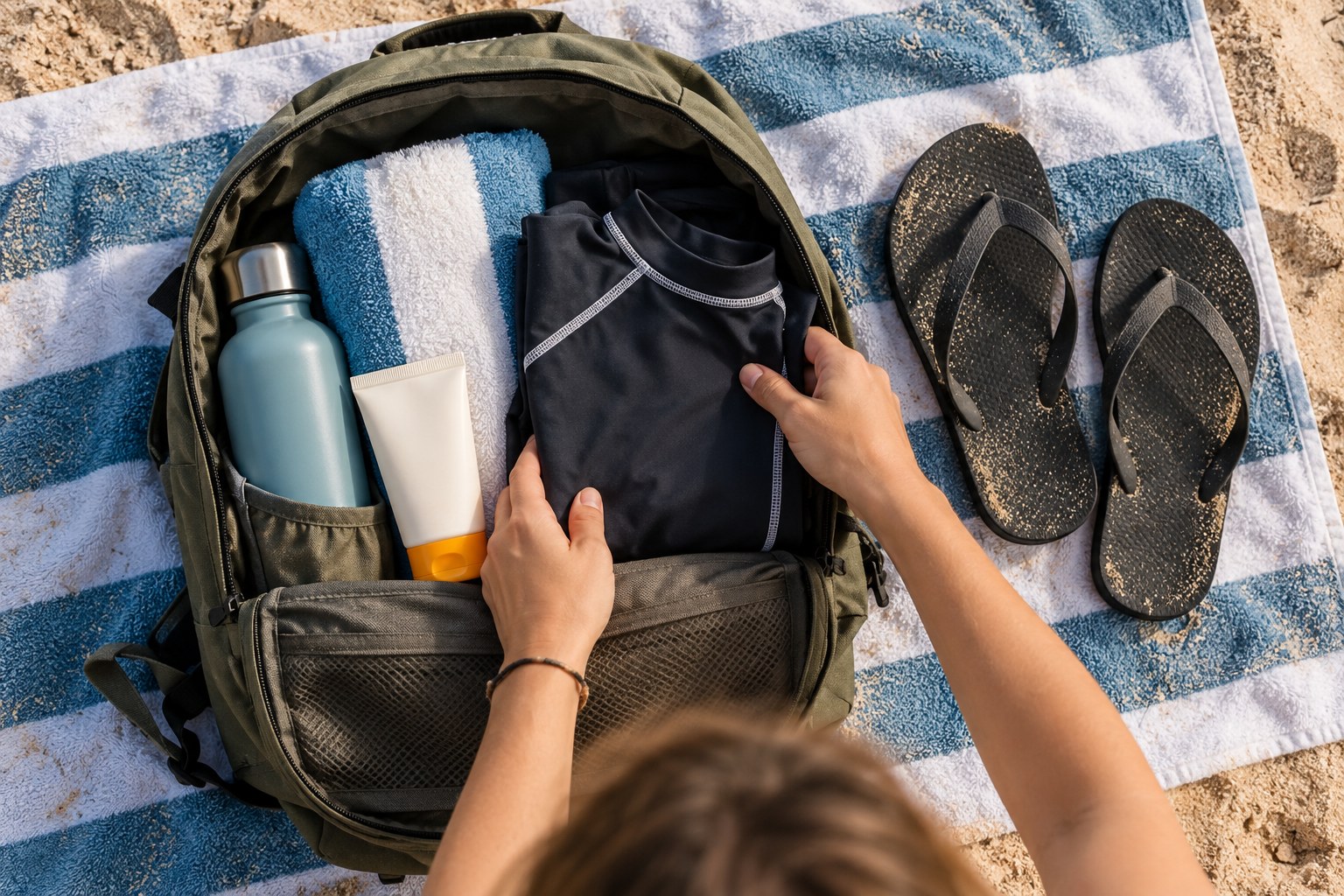
Most first lessons need a modest personal bag, with the school confirming the specialist equipment before you set off.
Starting out
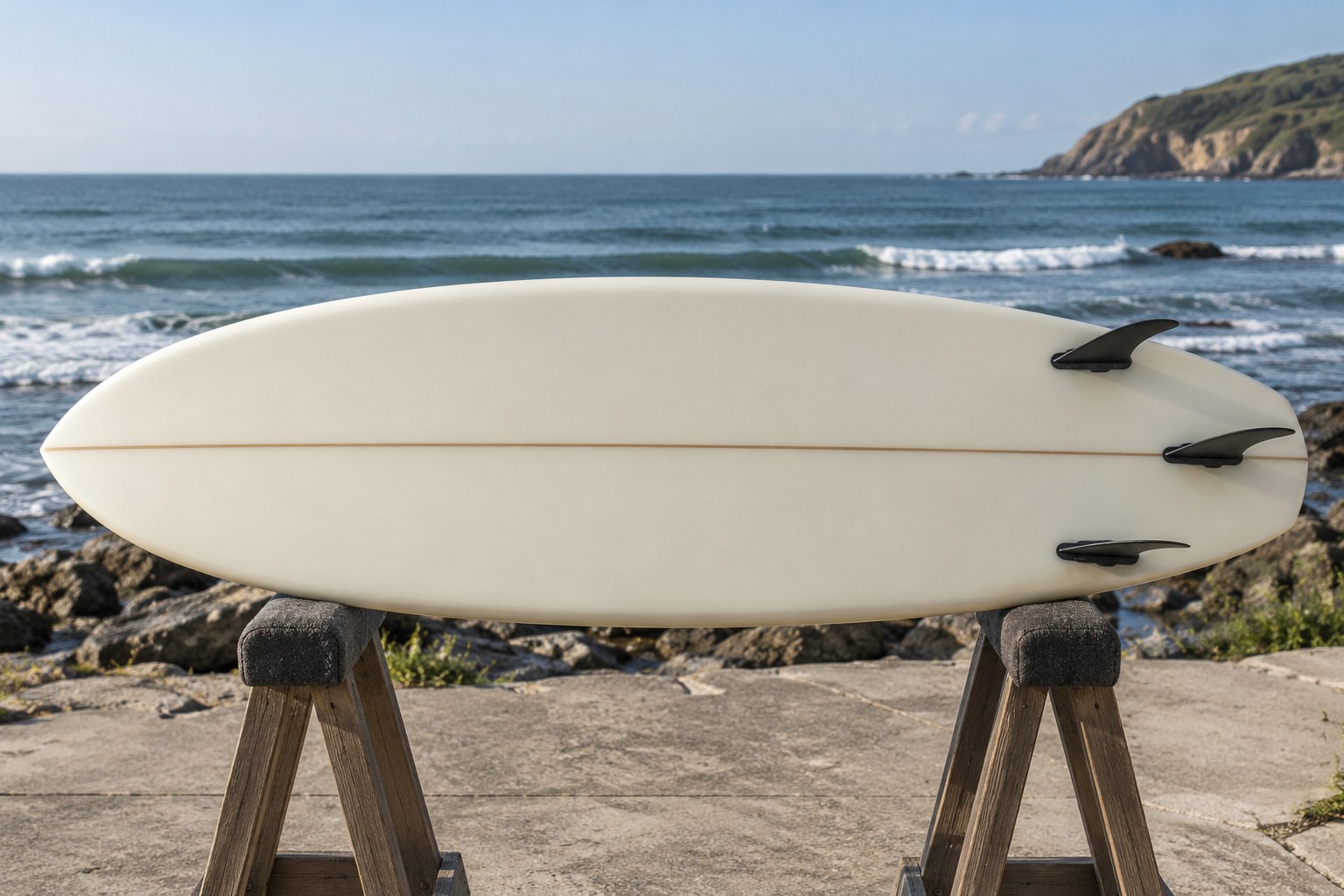
Learn the names of the parts you will hear about in a lesson or shop, so a description of a board becomes easier to follow.
Starting out
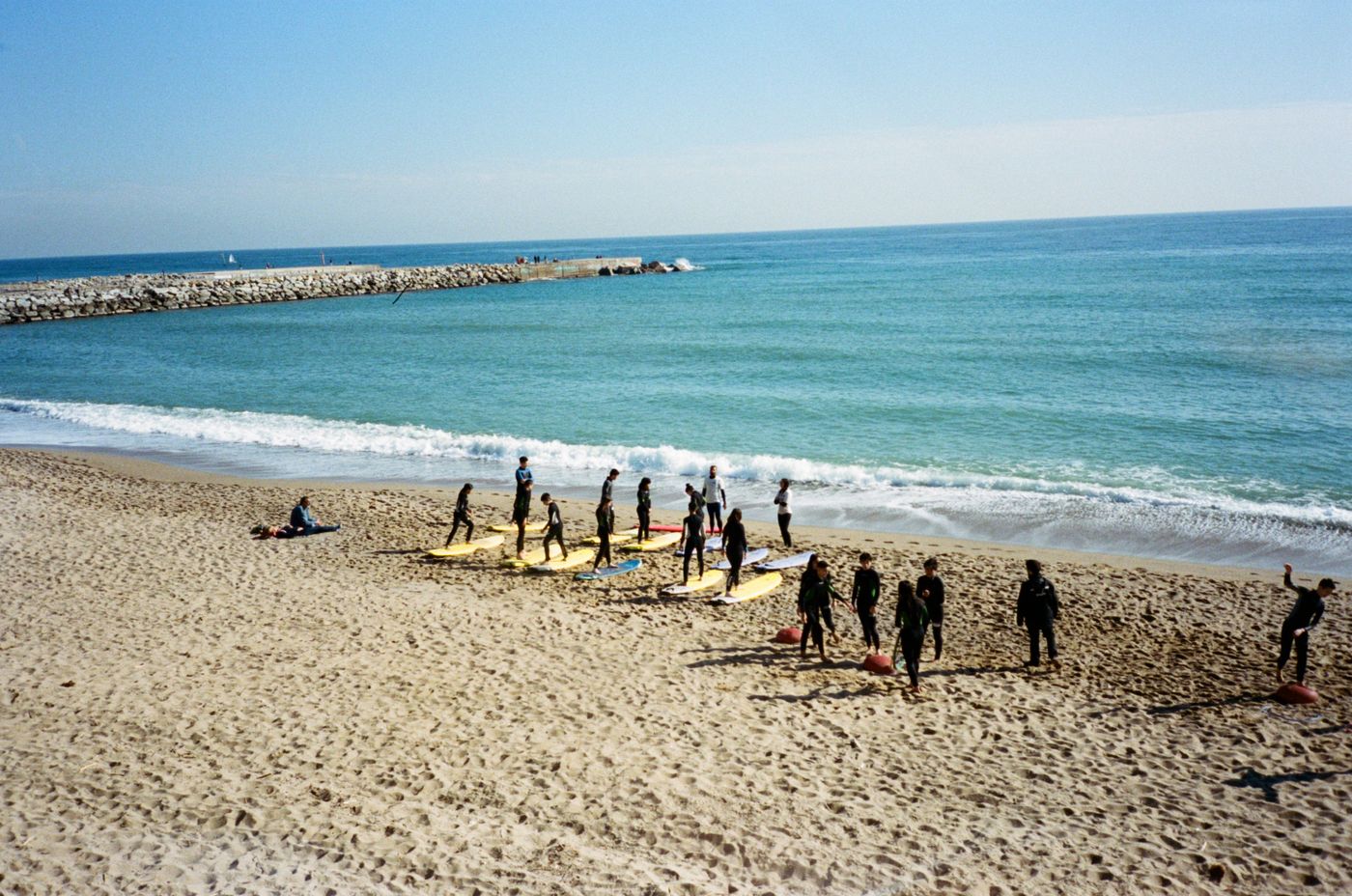
Separate appointment length, instruction time and included equipment before deciding which lesson offers what you need.
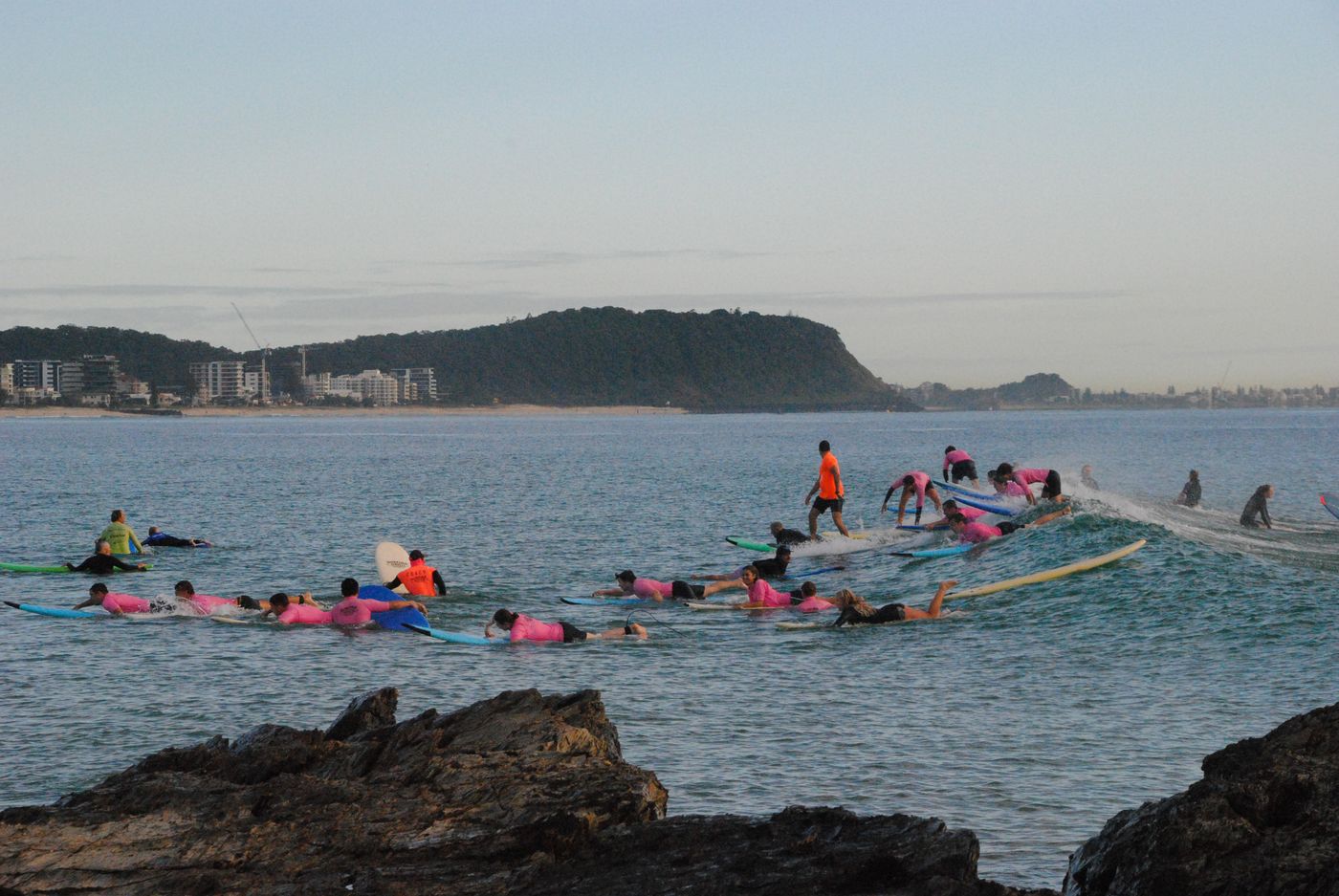
Starting out
Choose a teaching format around the attention, pace and company you want, rather than assuming private always means better.
Starting out
Leave enough room for changing conditions, recovery and ordinary holiday plans when booking several days of instruction.
Starting out
A short record of feedback, equipment and unanswered questions can make your next lesson more focused.
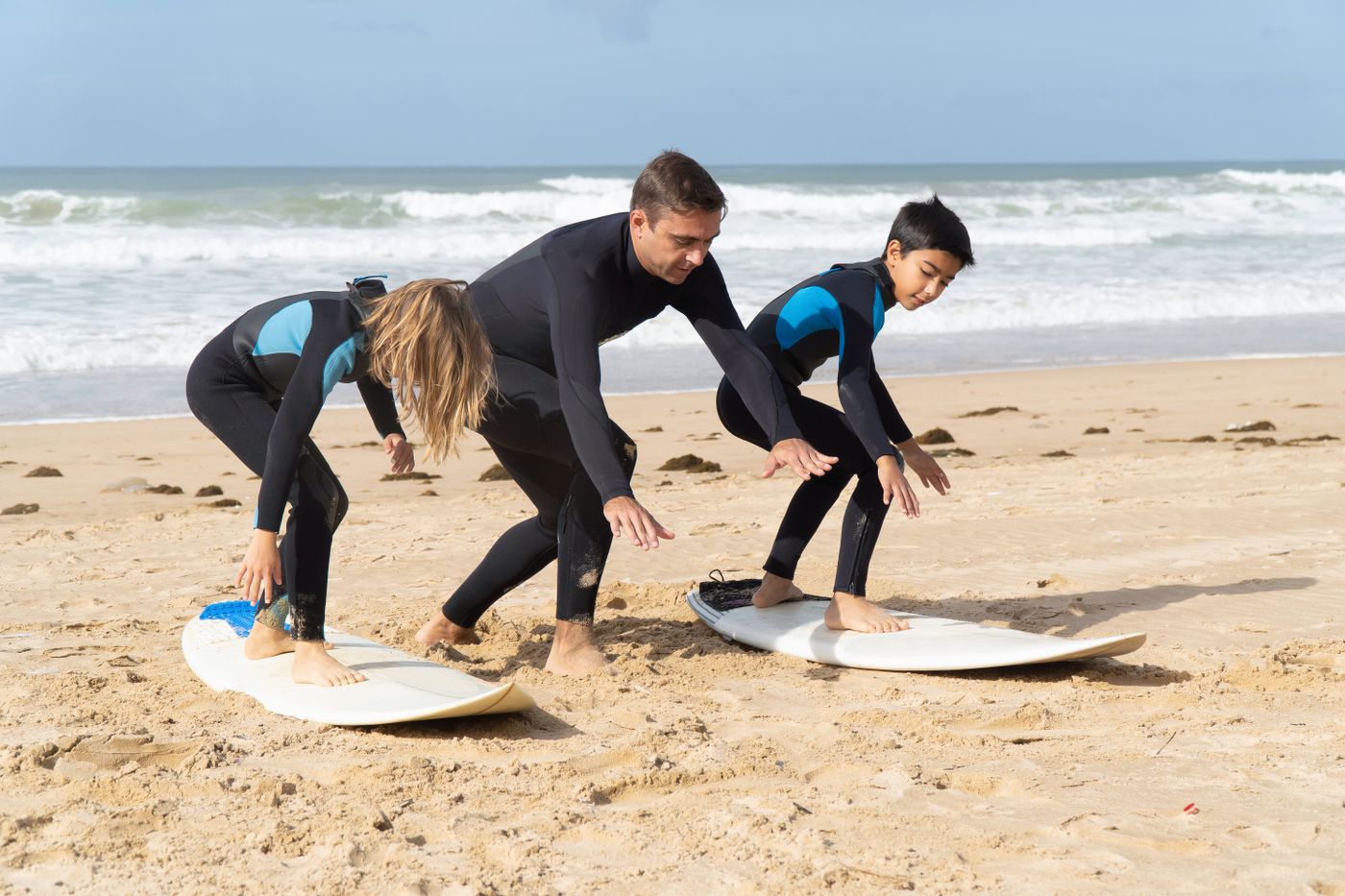
Starting out
Regular and goofy describe which foot leads. Neither label is a ranking, and a first lesson gives you room to explore what feels workable.
Starting out
Litres describe one aspect of a board. Use the number to compare known models, then bring shape and your current experience back into the decision.
Starting out
Discuss a board's complete size and shape with your instructor before assuming a smaller board will make learning easier.

Starting out
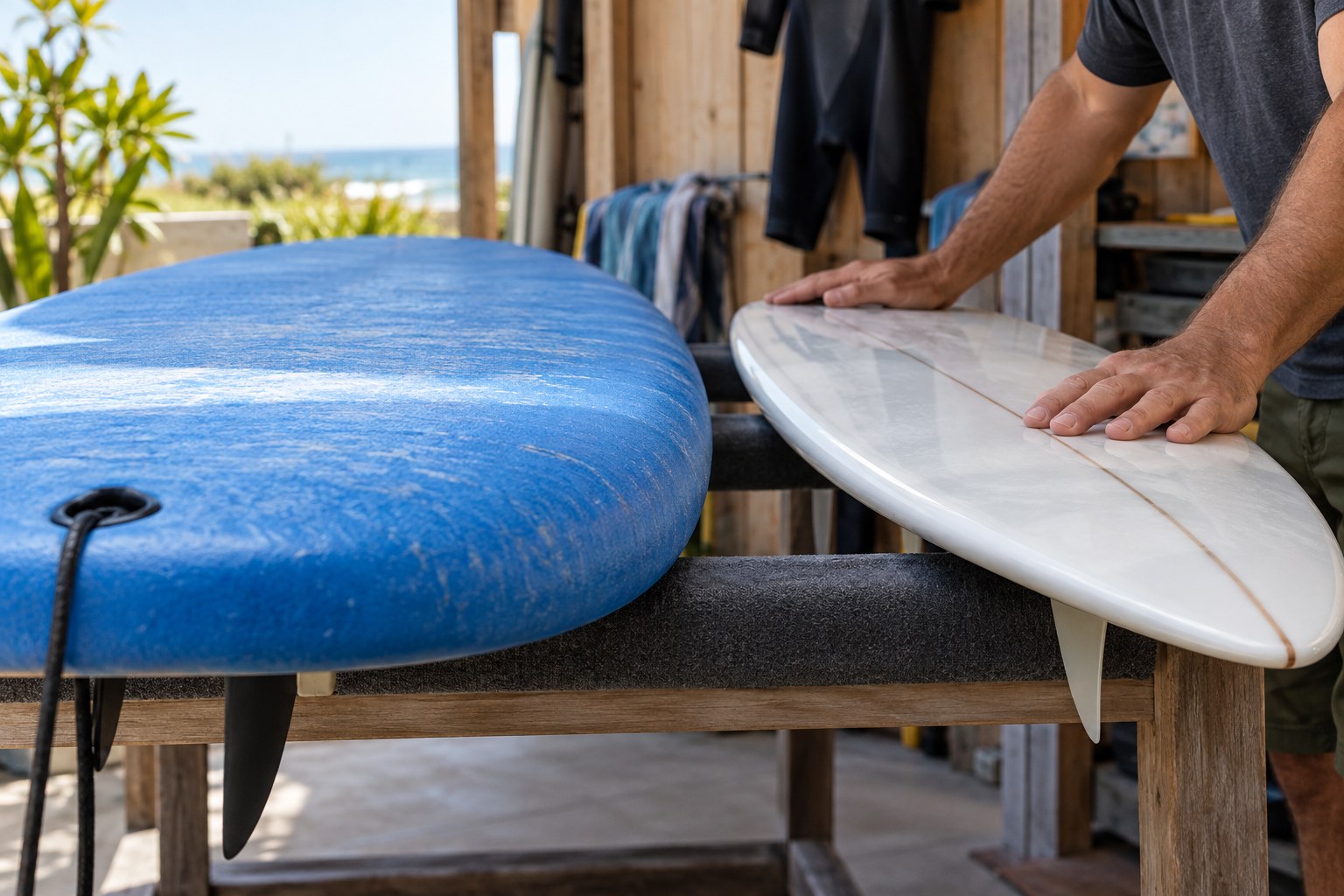
Foam boards vary in outline, construction and intended use. Compare the actual rental options instead of treating every soft deck as the same board.
Starting out
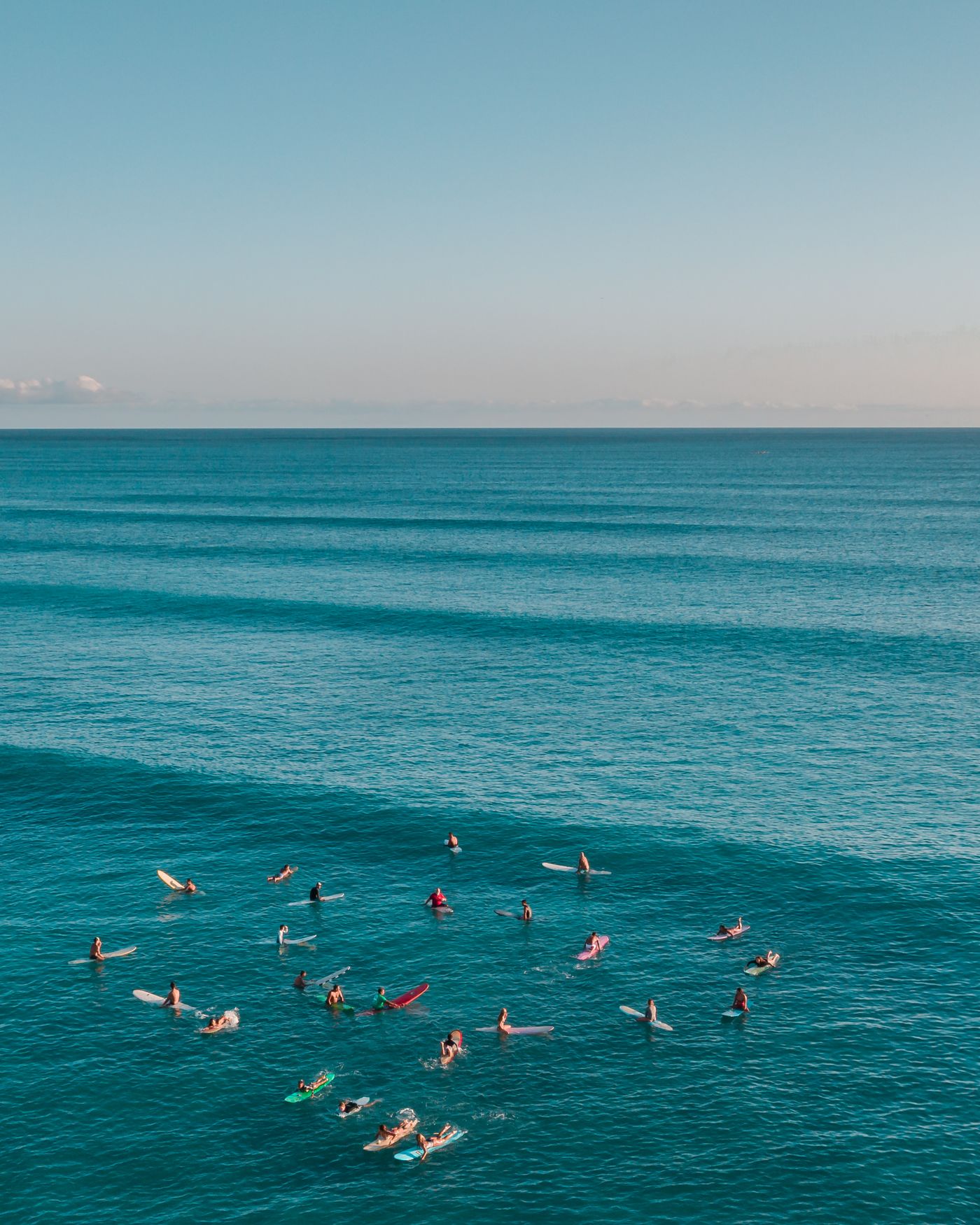
Use surf etiquette as a reason to get a local briefing, especially before moving from a lesson area into a busier setting.
Starting out
Ask specific, current questions at an unfamiliar beach and leave room for the answer to change your plan.

Starting out
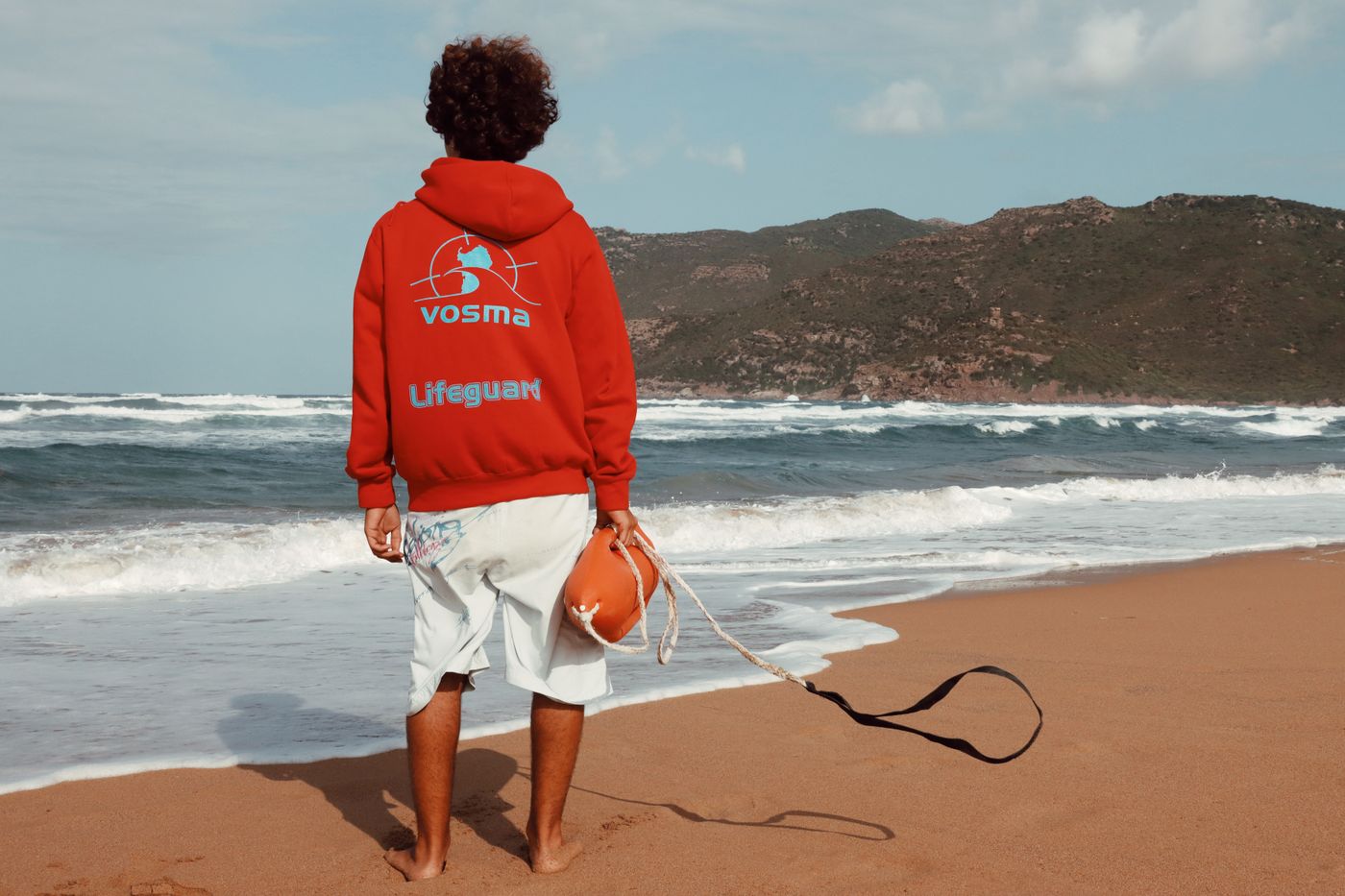
Check patrol dates, the exact beach area and on-the-day information before building a visit around a lifeguard service.

Starting out
Read the local flag system before choosing an activity area; colours and patterns need the beach's own explanation.
Starting out
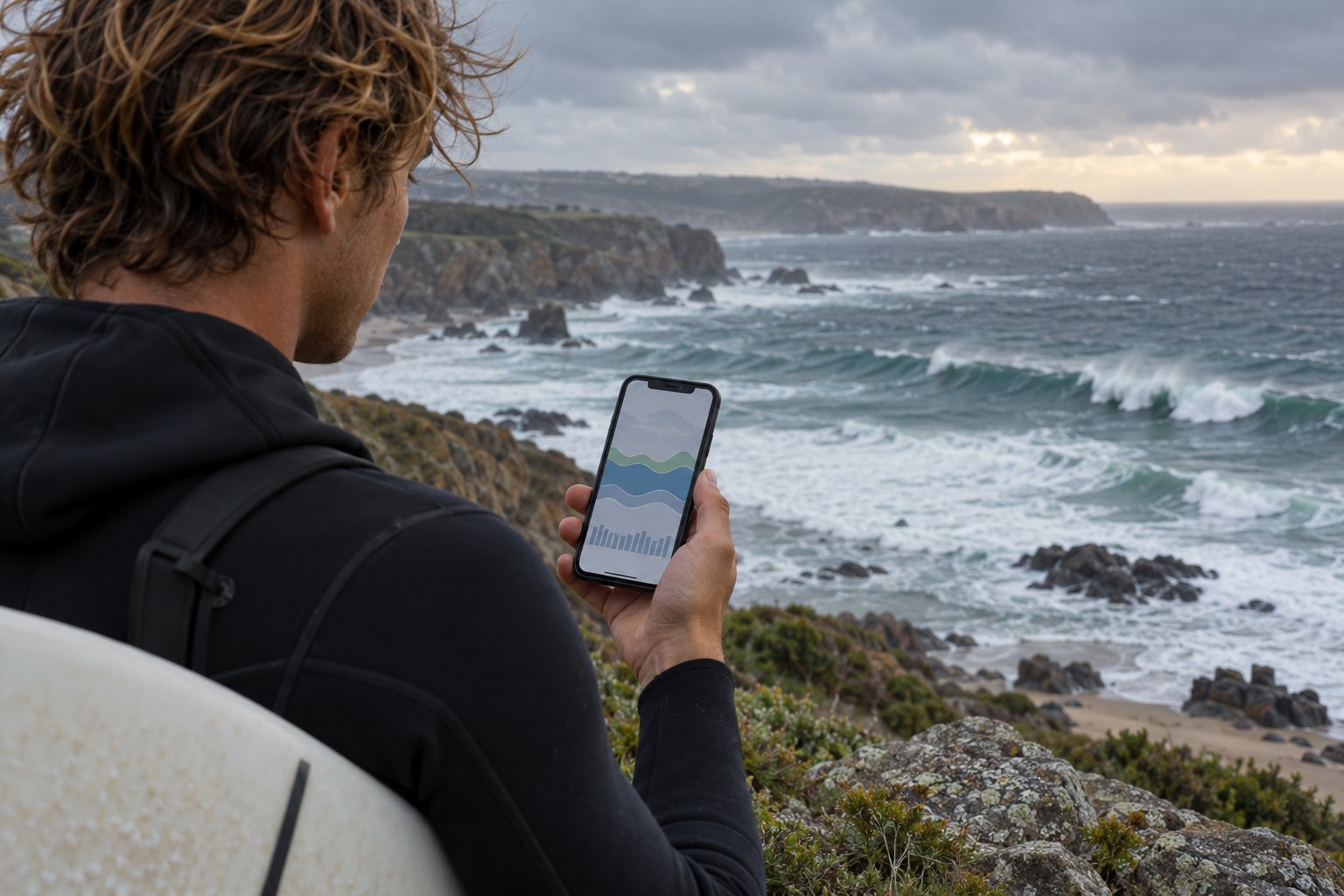
A forecast helps frame questions about a session. It cannot replace current local observation or an assessment of your own ability.

Starting out
Wave period adds information to height, but a longer interval is not a simple signal that conditions are better for a learner.
Starting out
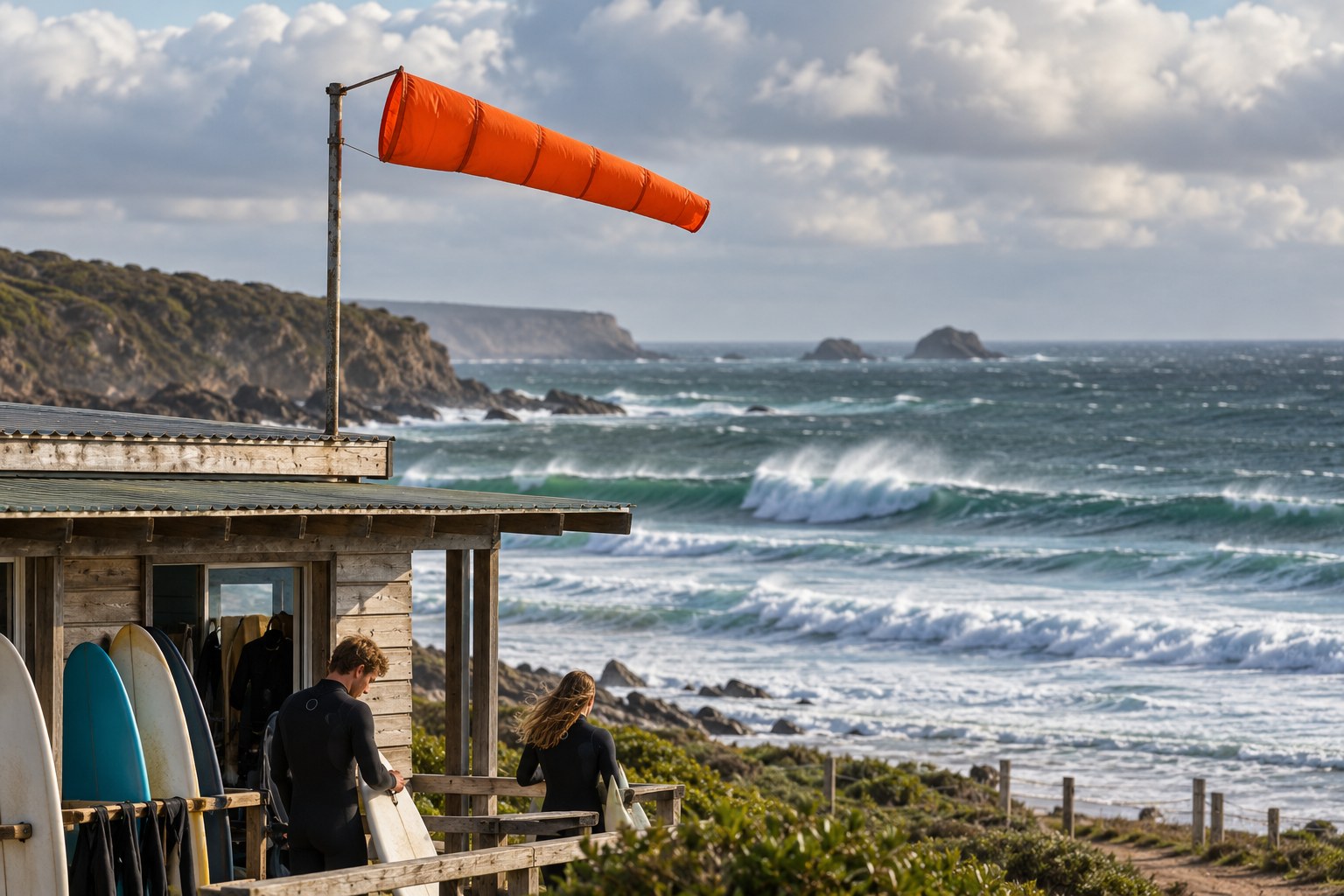
Wind direction only becomes meaningful when you relate it to the beach orientation, the forecast's notation and current local advice.

Starting out
Use a tide table for the right place and time, then ask how those water levels affect the beach you intend to visit.
Starting out
A precise meeting point and a realistic journey make the beginning of a lesson considerably easier to manage.
Starting out
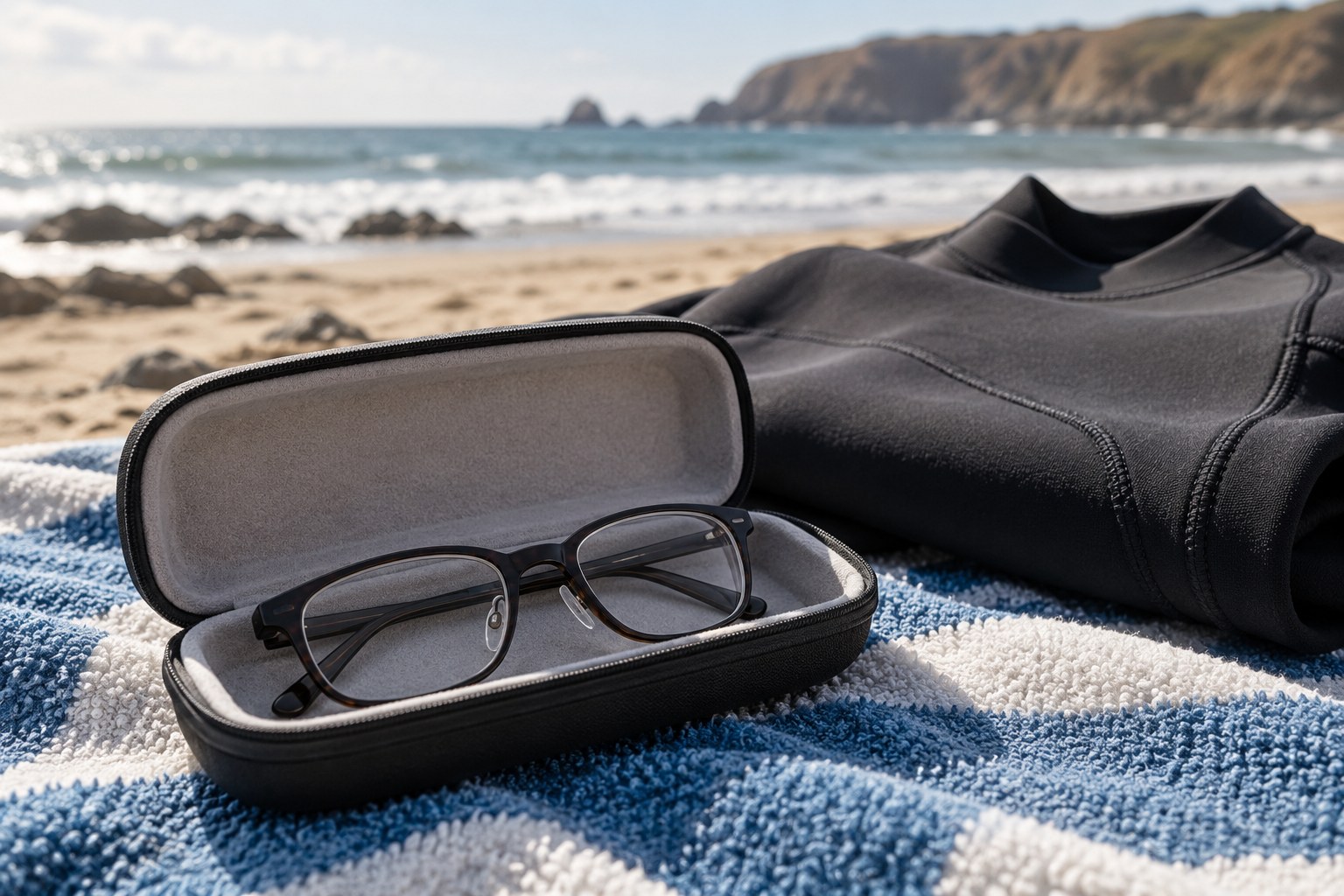
Discuss vision needs before the booking, and arrange any water-suitable eyewear through an eye-care professional rather than improvising at the beach.
Starting out
Book a return lesson around your current experience and circumstances, rather than the level you remember reaching years ago.

Starting out
A shared trip works more smoothly when surfing has a defined place in the timetable and nobody has to spend every morning waiting on the sand.

Starting out
Give an adult first lesson a useful purpose without turning it into a test of age, fitness or how quickly someone else stands up.
Starting out
Look at the teaching, communication and useful feedback when deciding what a lesson gave you.
Boards & equipment
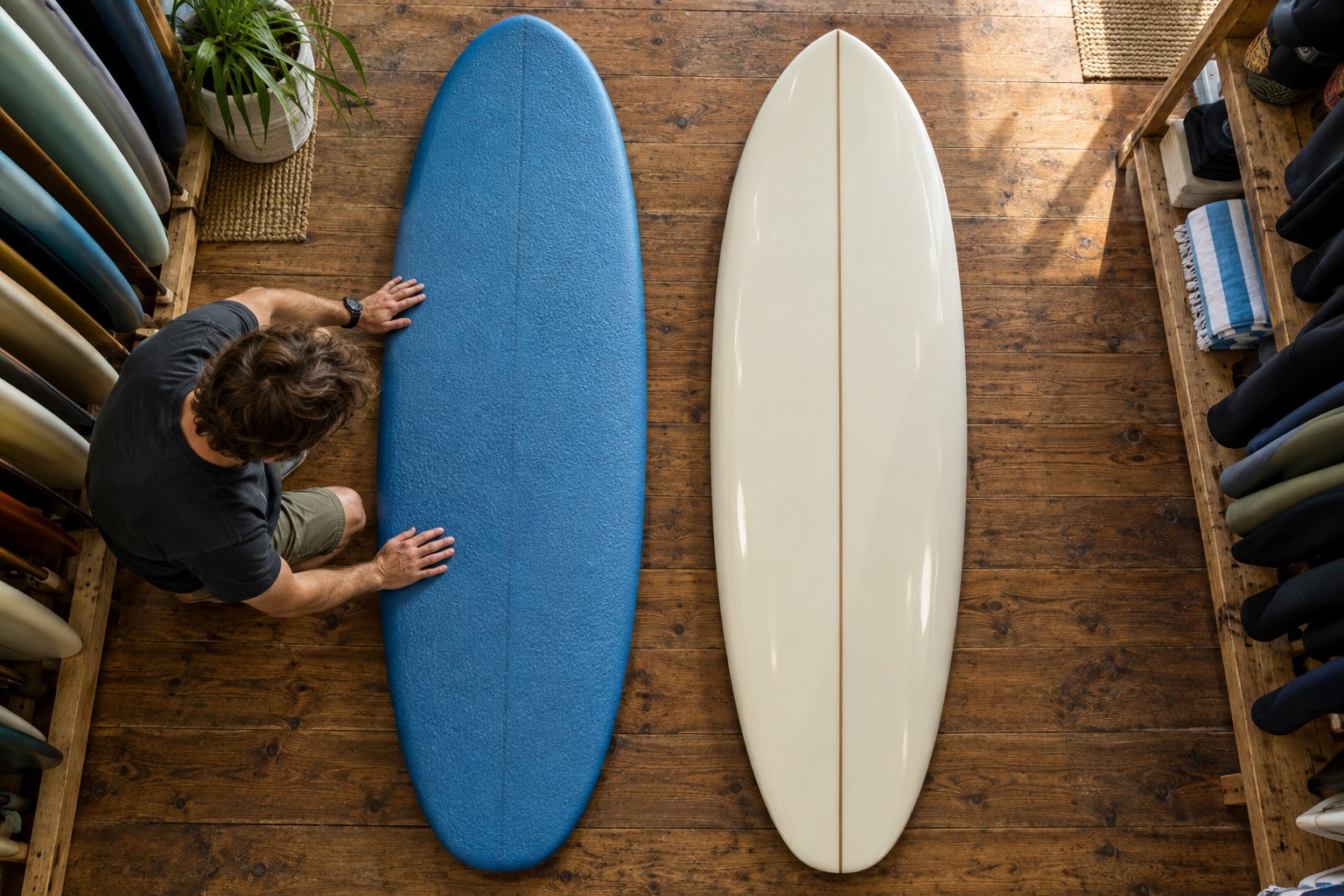
Choose construction alongside shape, condition and the way you will use the board, rather than treating a hard board as an automatic upgrade.
Boards & equipment
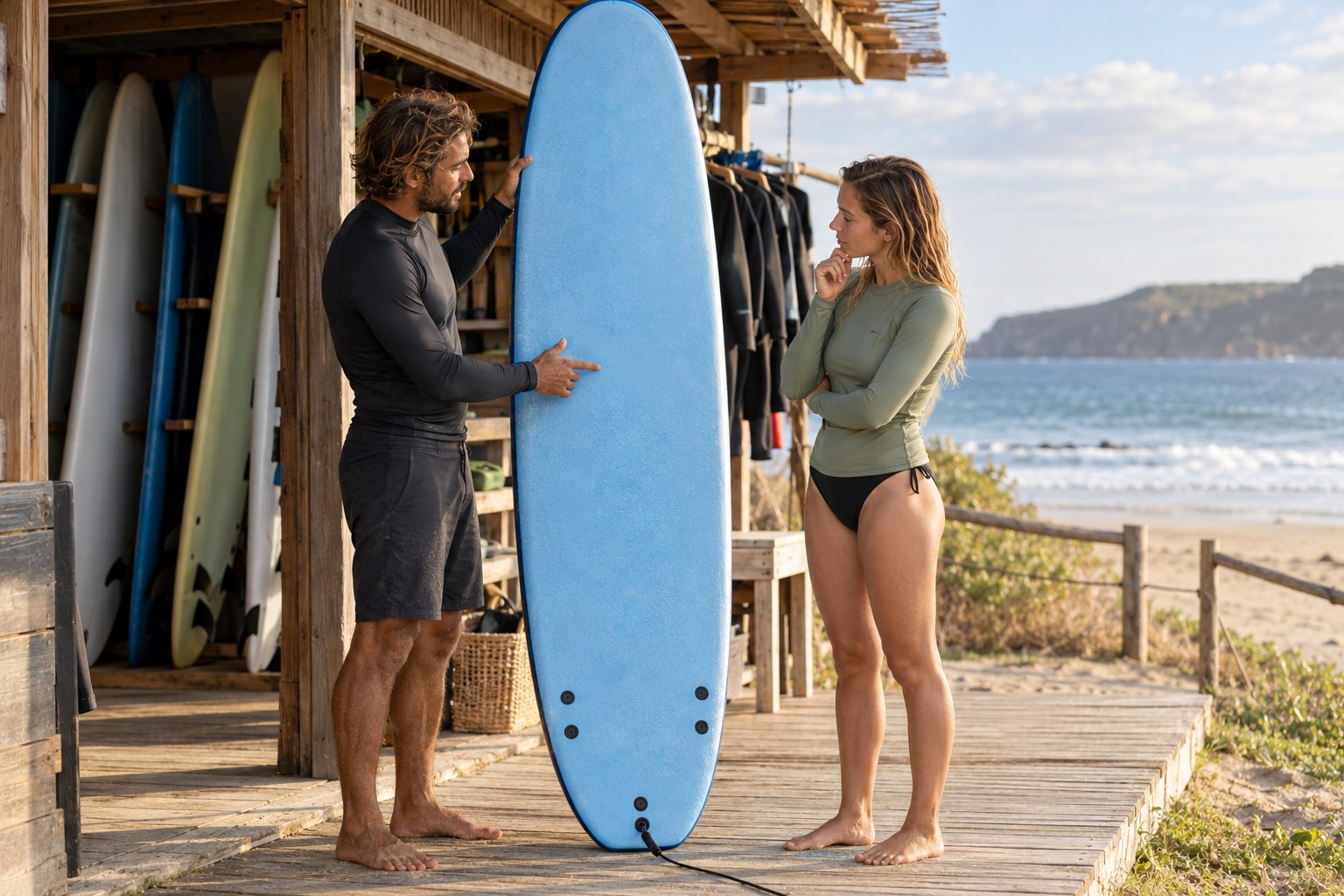
Bring a record of the boards you have used and the sessions you want to your sizing conversation.
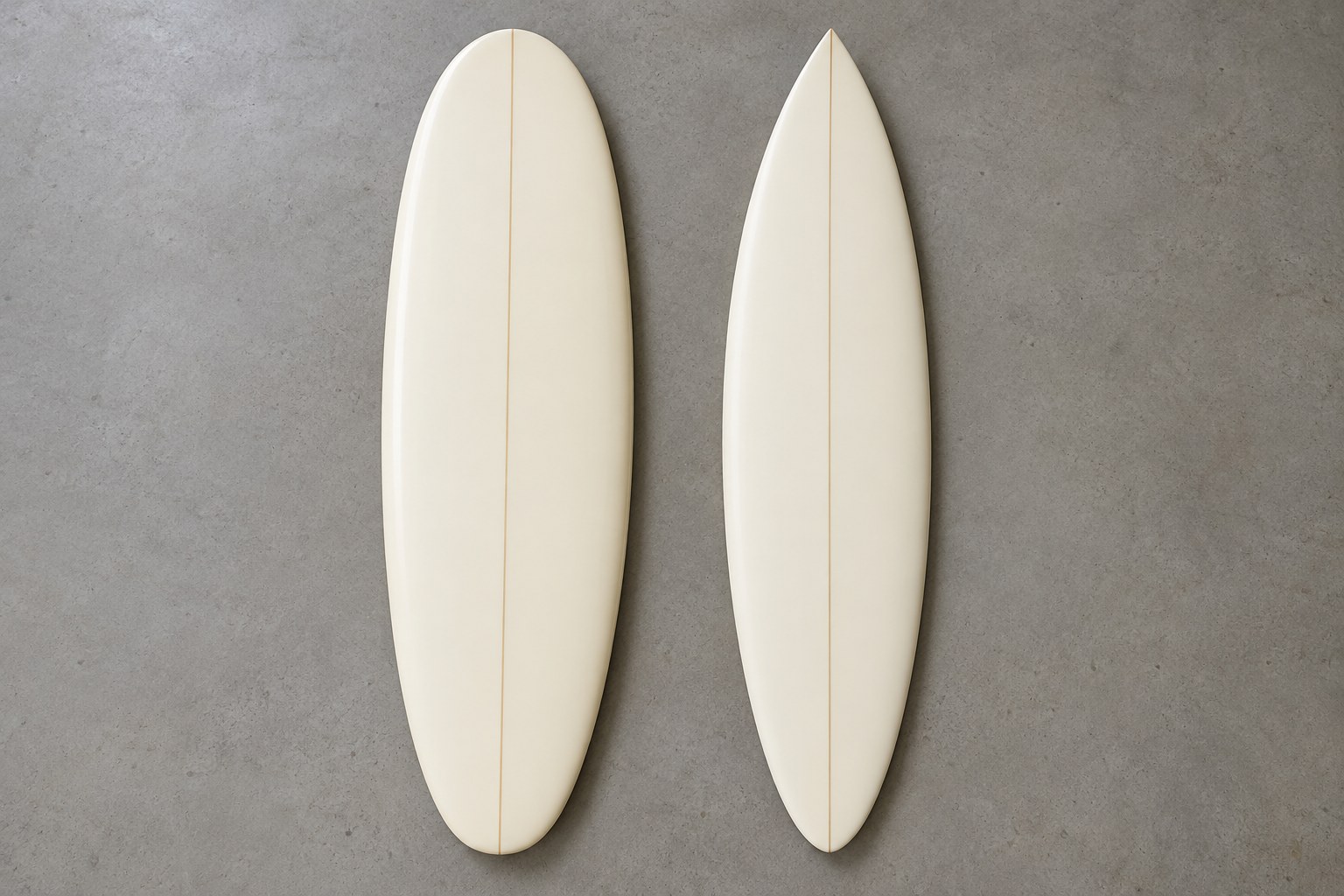
Boards & equipment
Look at where a board carries its width, not just the maximum measurement printed beside its length.
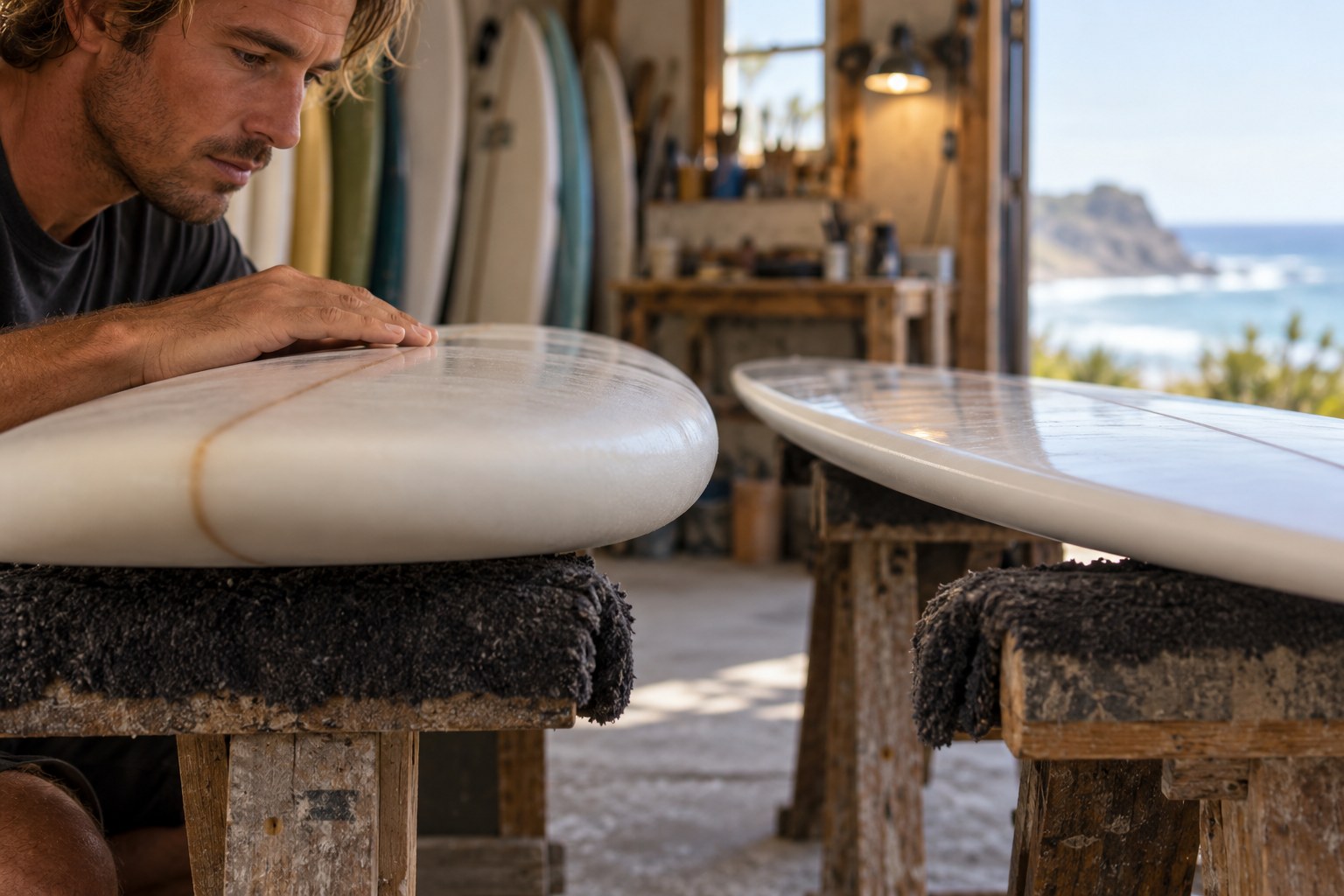
Boards & equipment
A thickness measurement identifies one dimension; it does not show how foam is distributed through the rails, nose and tail.
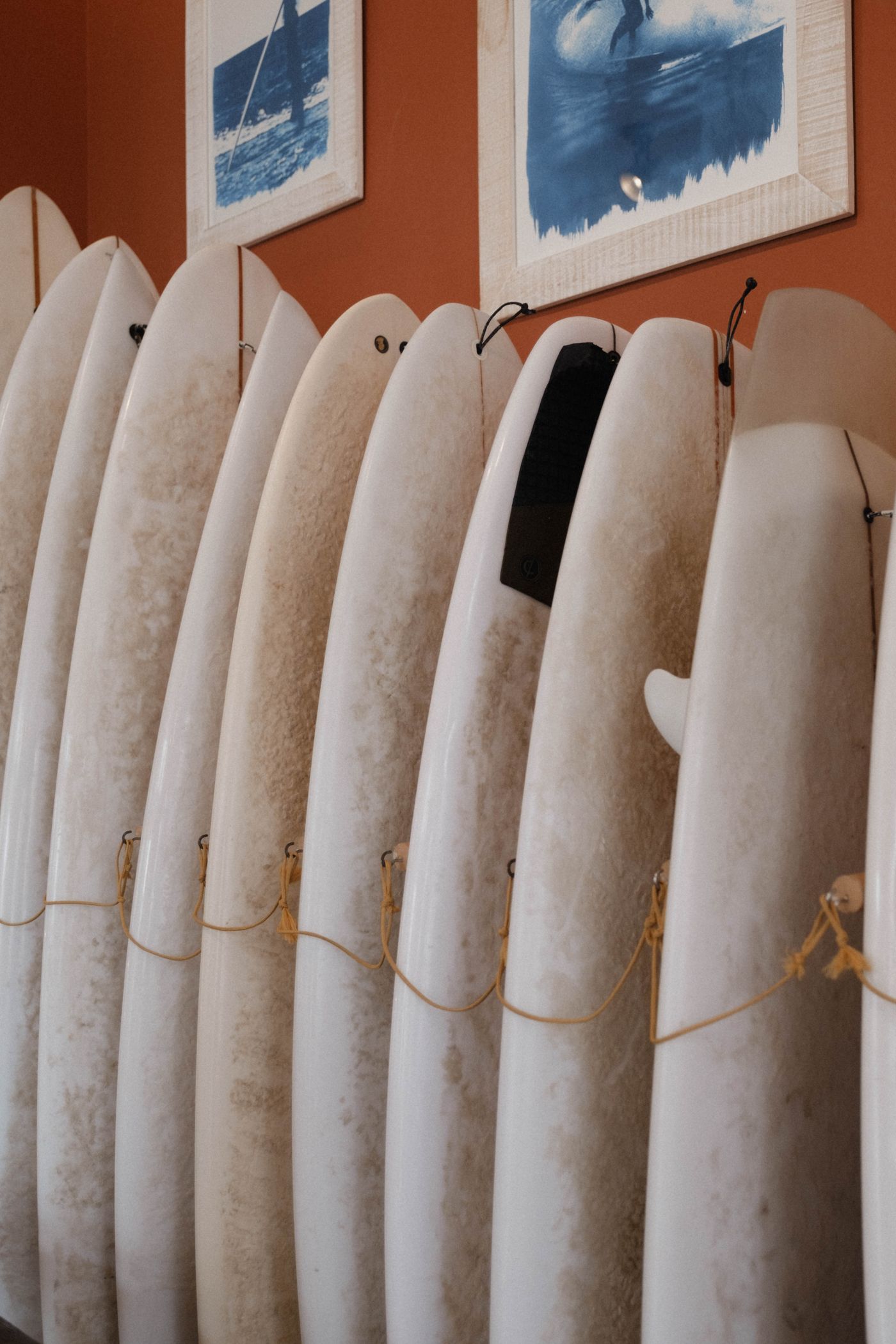
Boards & equipment
Longboards and midlengths cover varied designs. Decide what you want from the sessions before choosing the label on the rack.
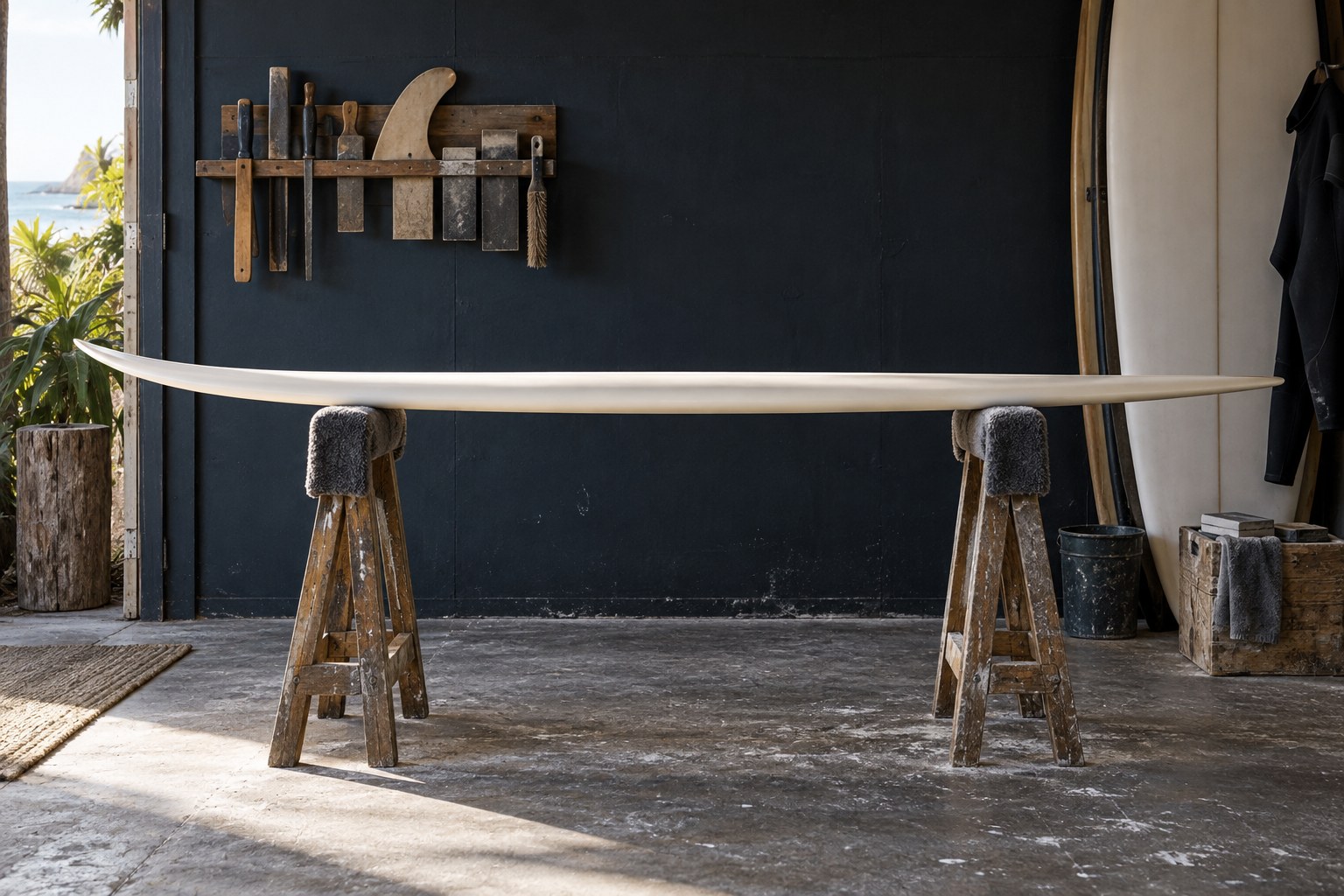
Boards & equipment
Rocker is the board's lengthwise curve. Learn what the description means without expecting one curve measurement to predict the whole ride.
Boards & equipment
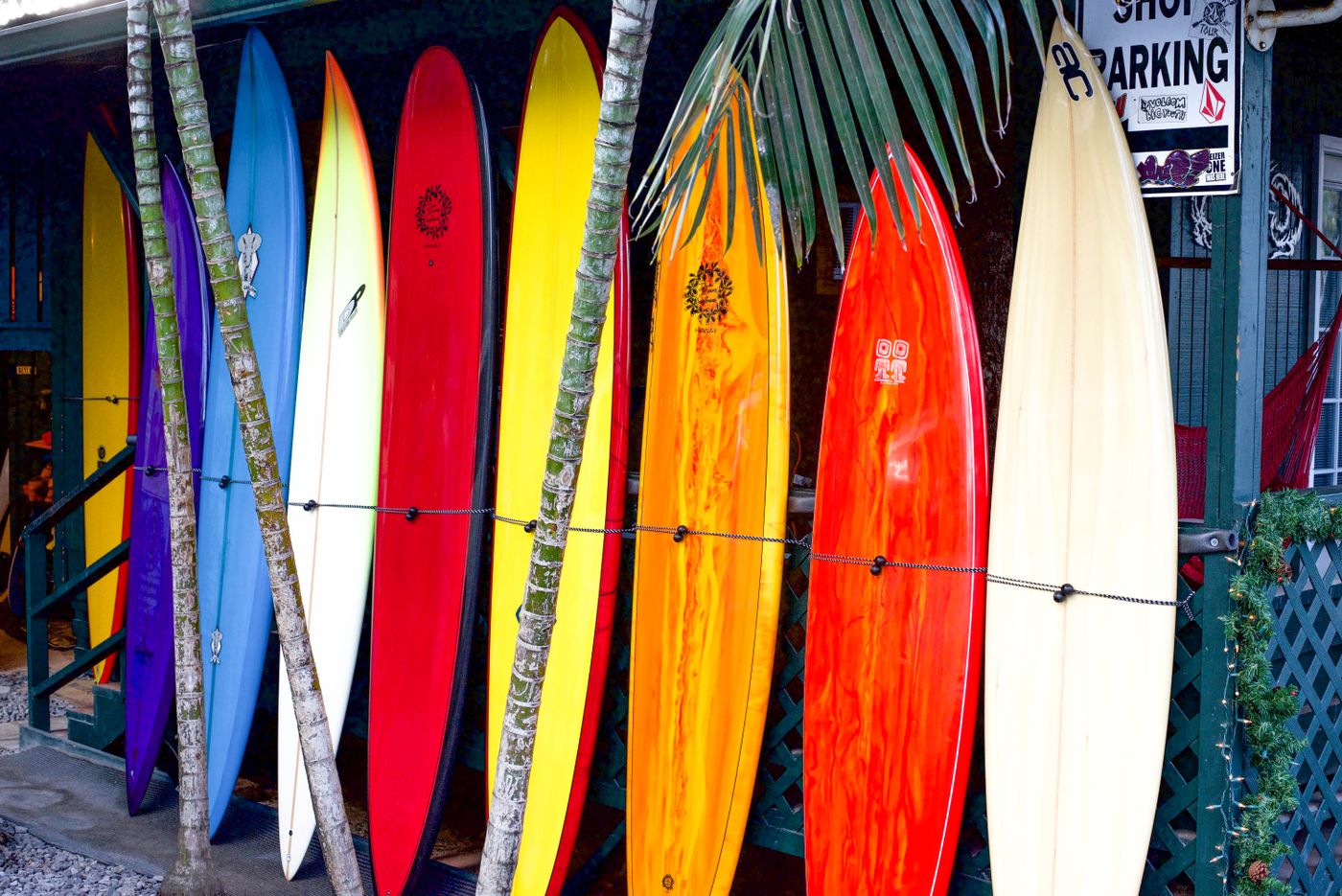
The nose is easy to recognise in a product picture, but its outline should be read alongside the rest of the board.
Boards & equipment
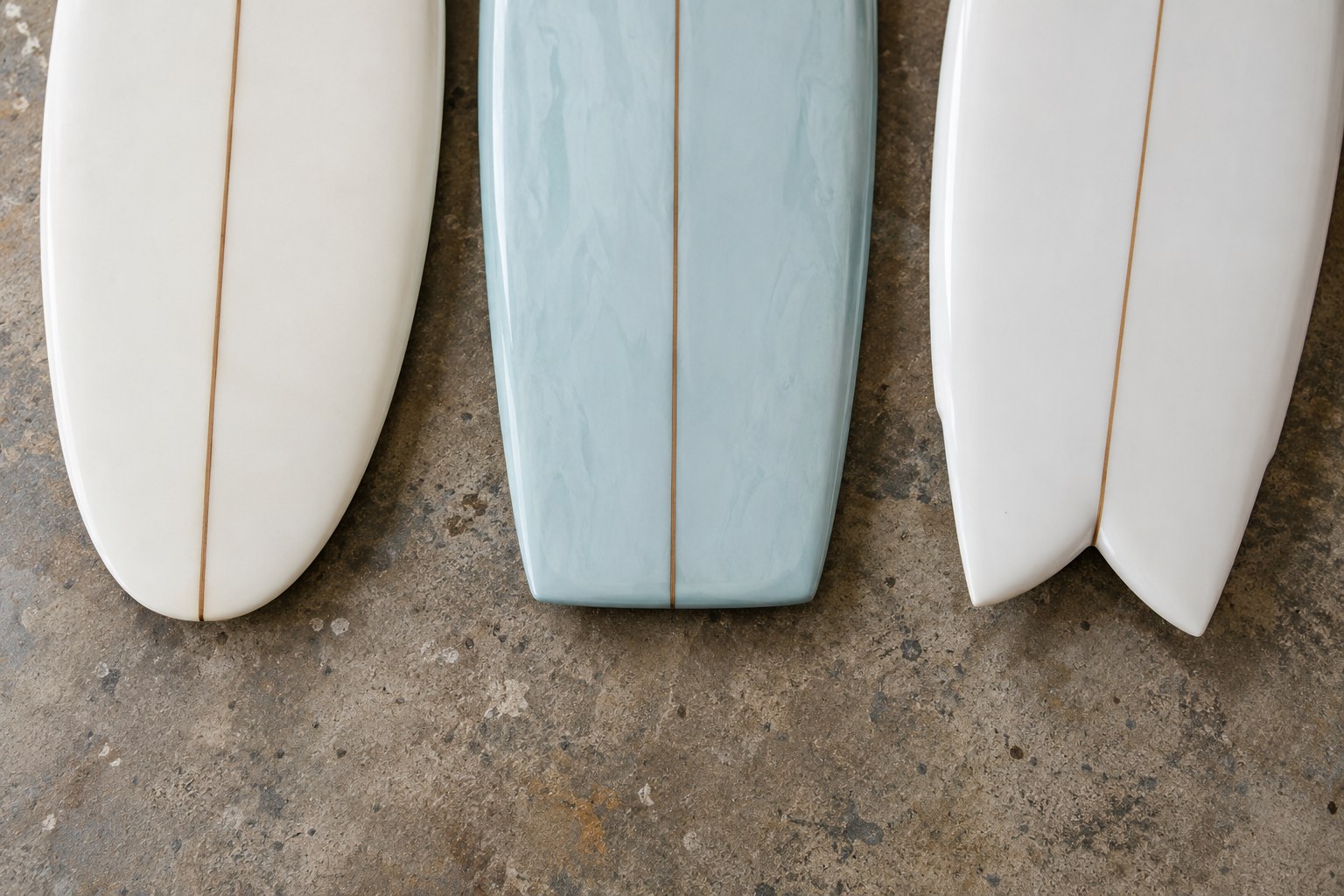
Tail names describe recognisable shapes, while the way they work depends on the board around them.
Boards & equipment
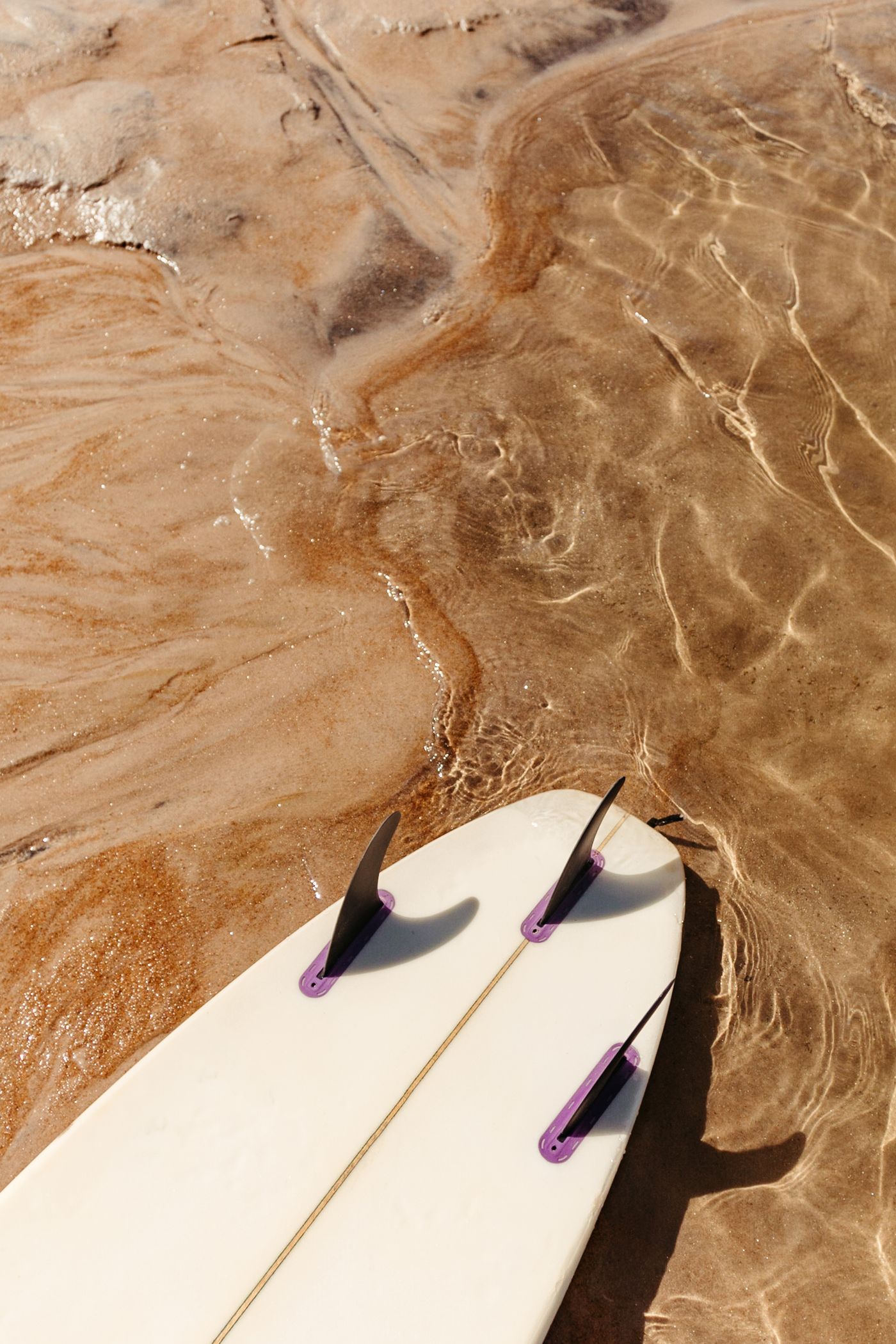
Identify the intended fin configuration before comparing how many boxes or fins appear under a board.
Boards & equipment
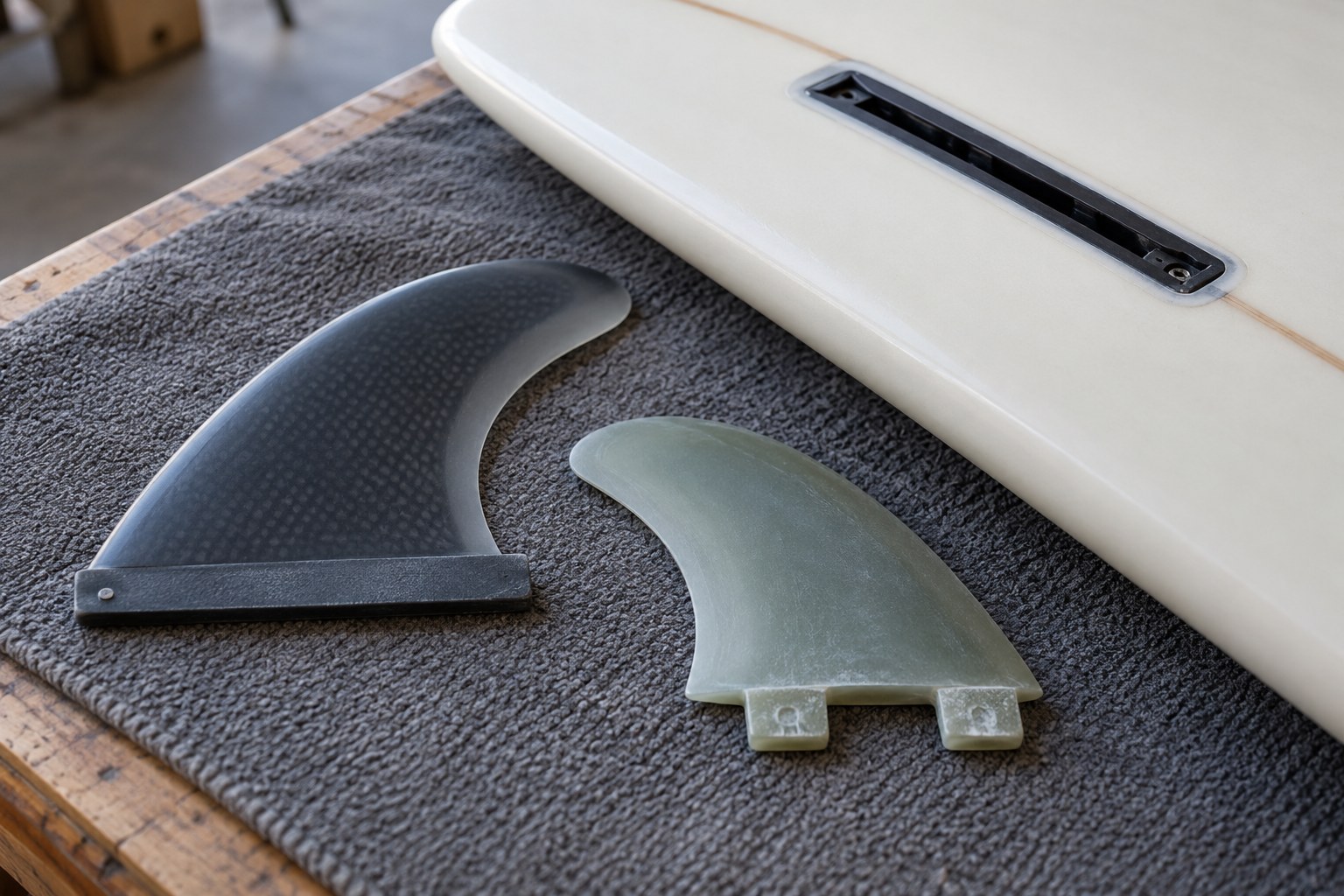
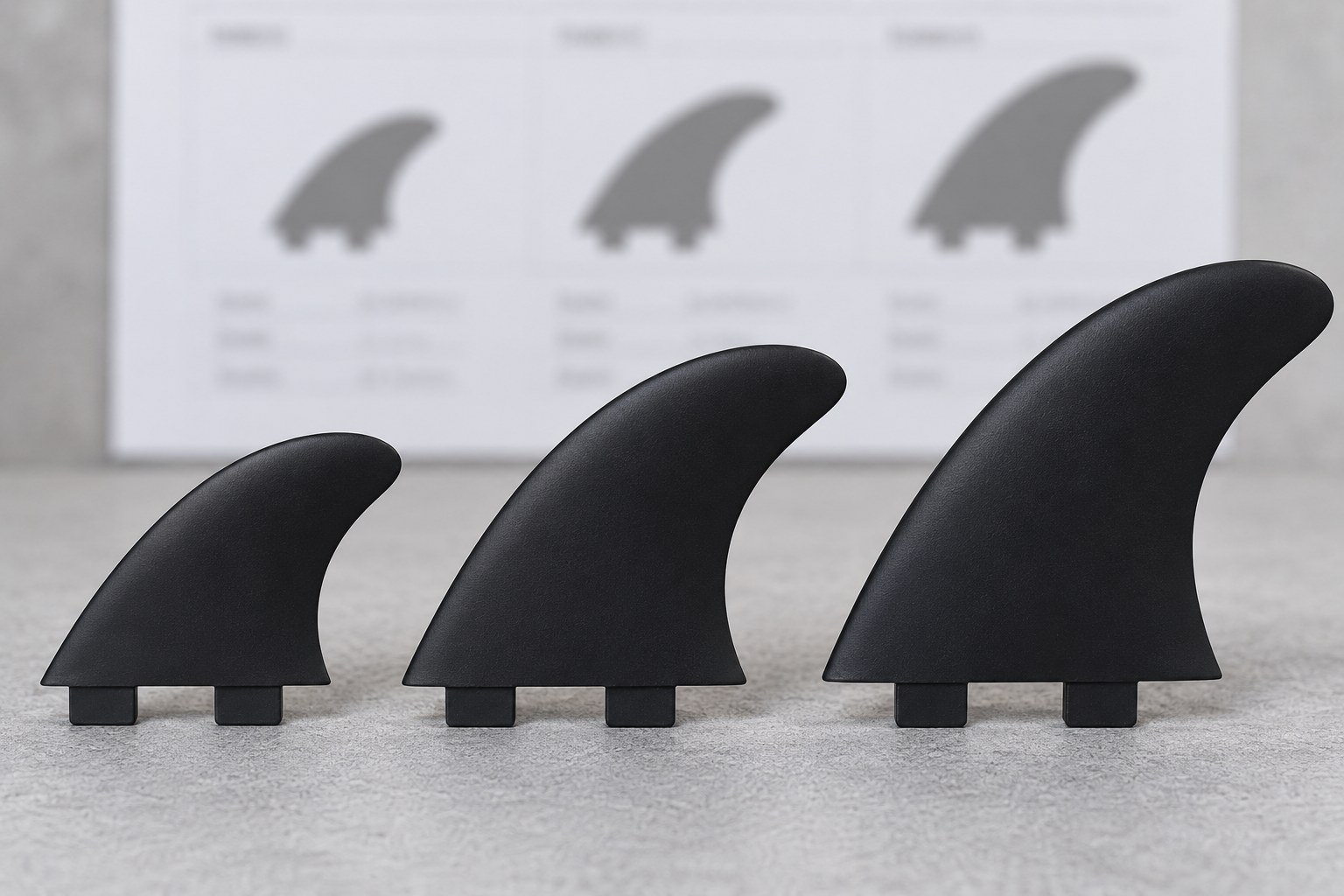
Identify the box system, board model and required hardware before buying a fin that merely looks as though it will fit.
Boards & equipment
Use a fin chart as a model-specific starting point, then check the board's recommended setup and your actual requirements.
Boards & equipment
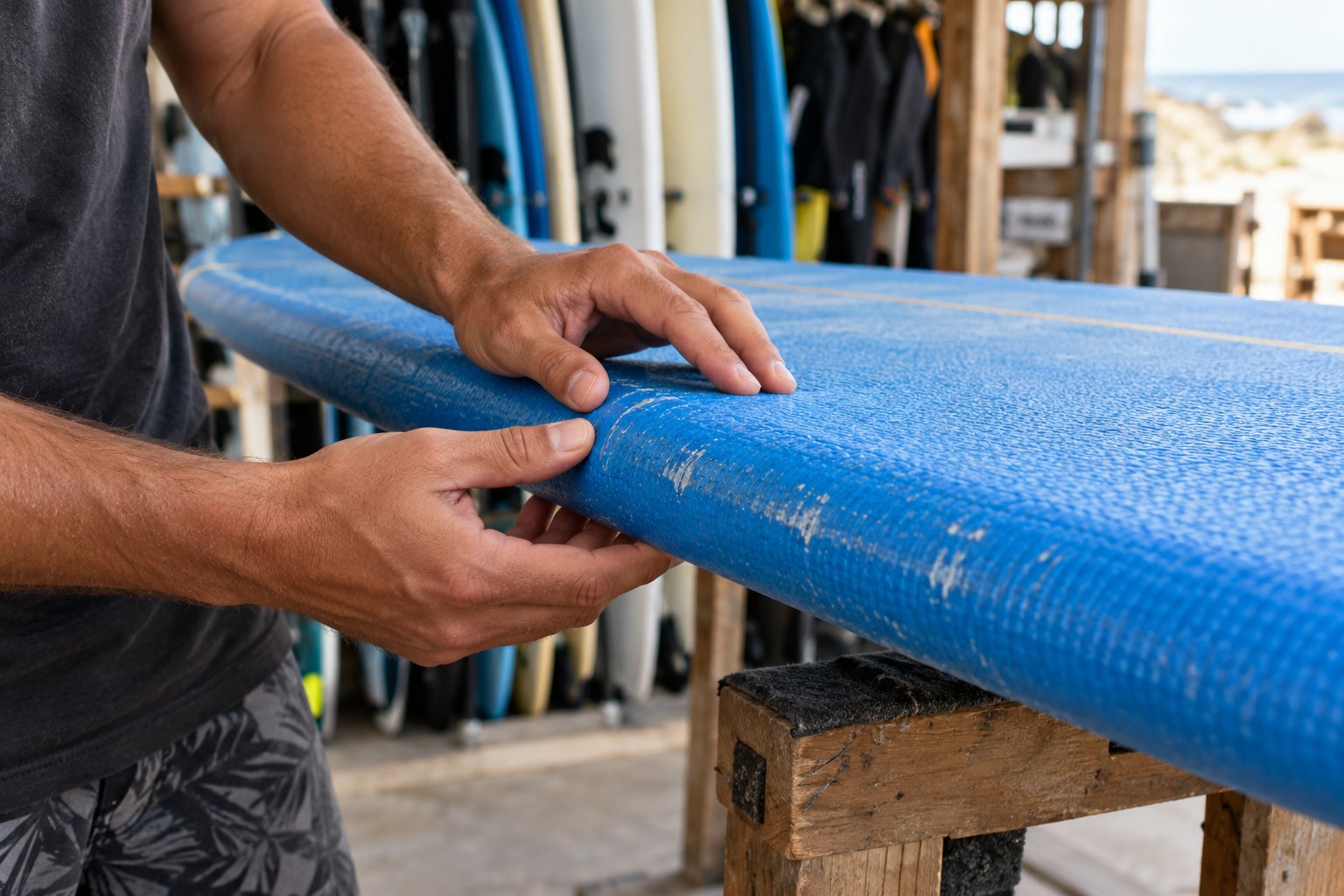
Assess the surface, fittings and ownership history of a used foam board before accepting a low price as good value.
Boards & equipment
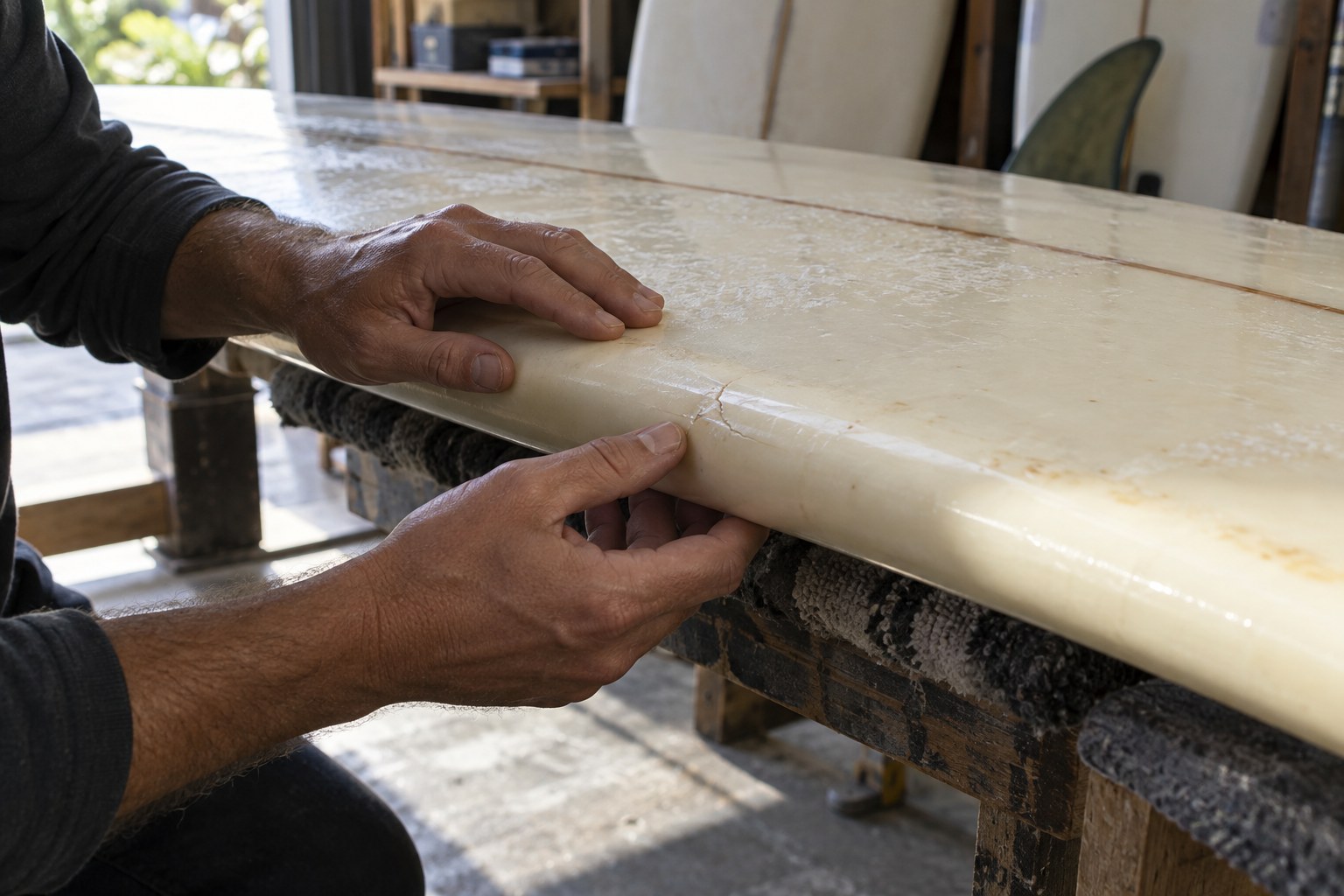
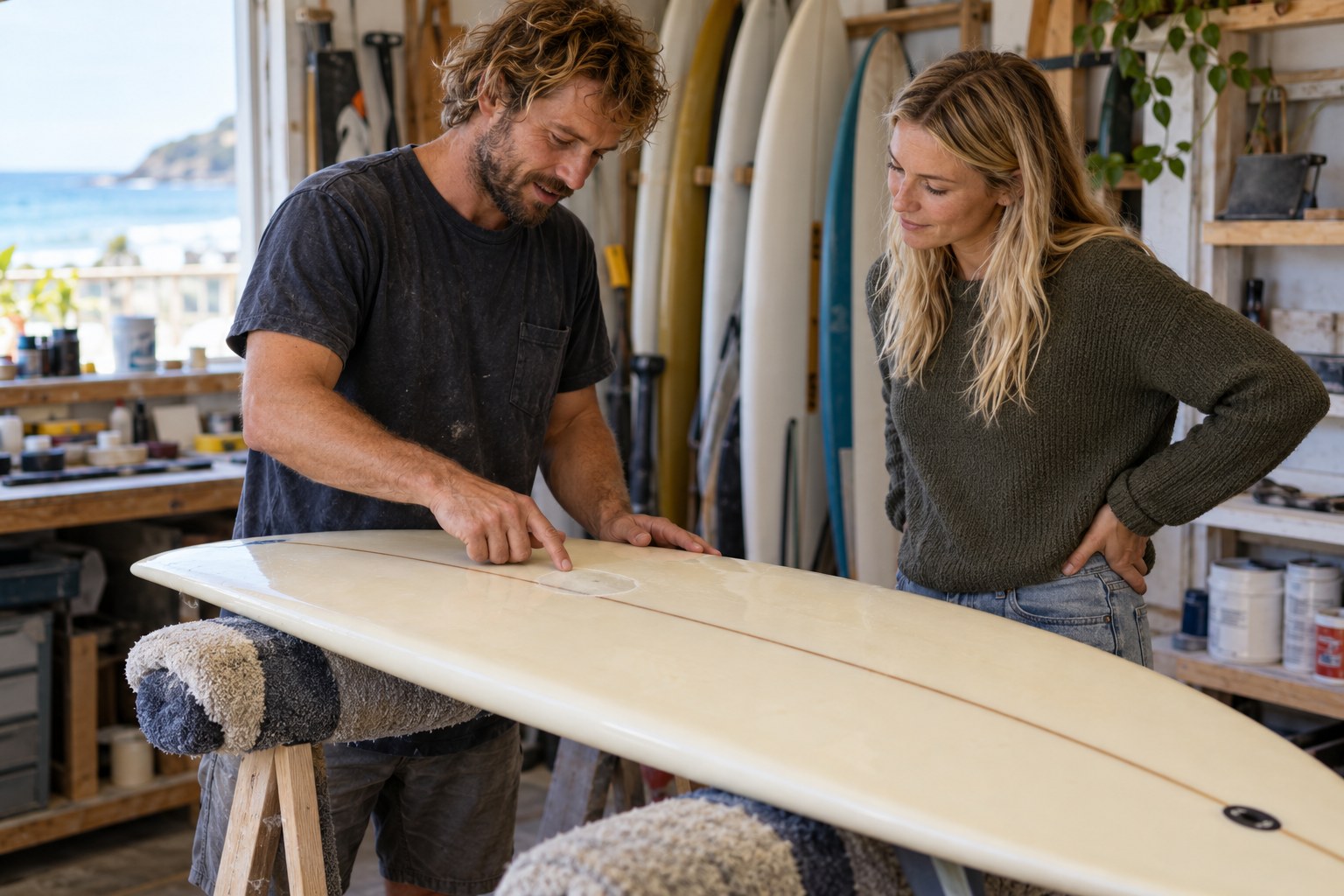
Inspect a used hard board in person where possible, and get uncertain damage assessed before the transaction becomes your repair project.
Boards & equipment
A repair can be perfectly relevant to a buying decision, but its location, method and history need more explanation than “professionally fixed”.
Boards & equipment
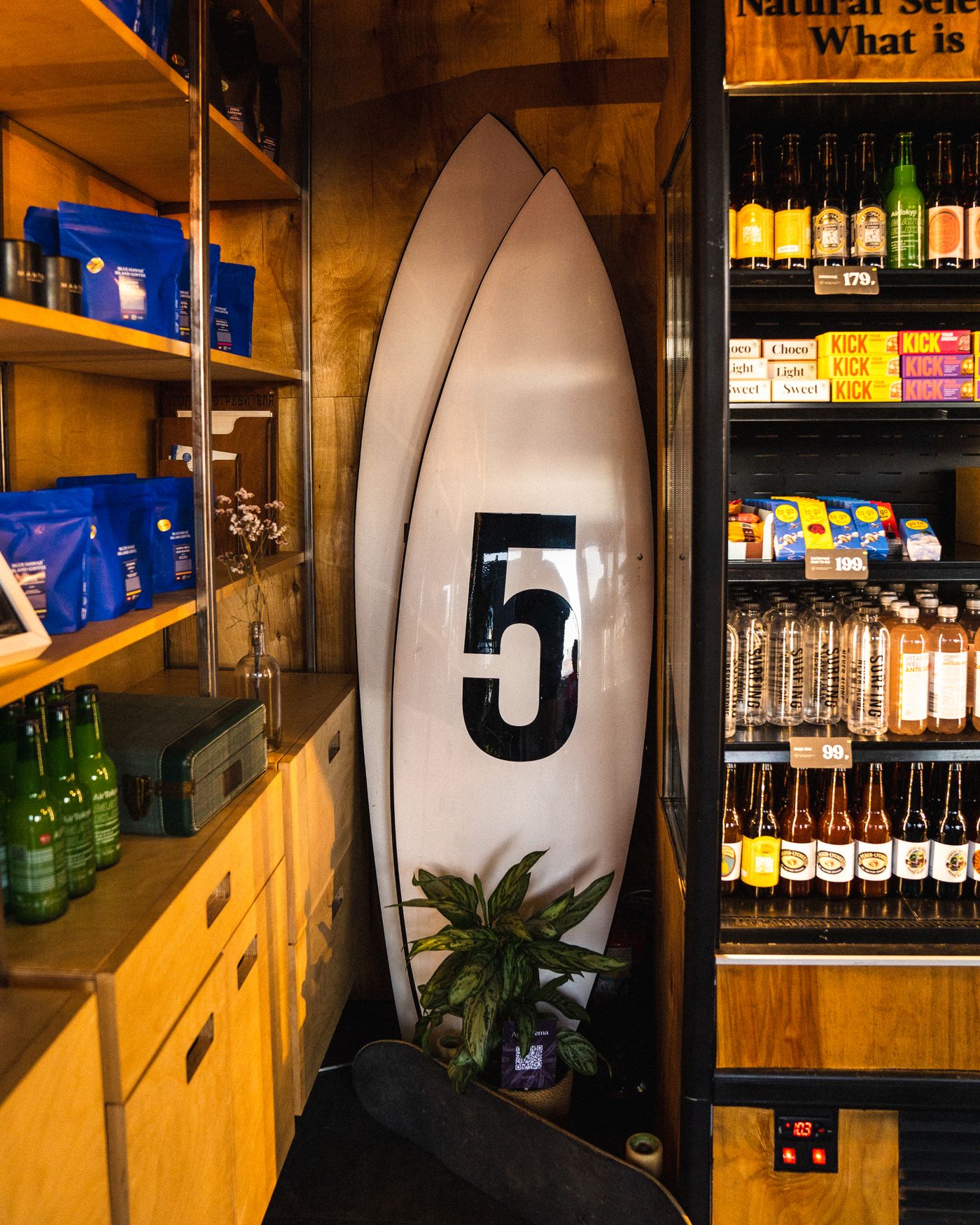
Make a rental trial answer a specific equipment question instead of treating one unfamiliar session as a verdict on a whole category.
Boards & equipment
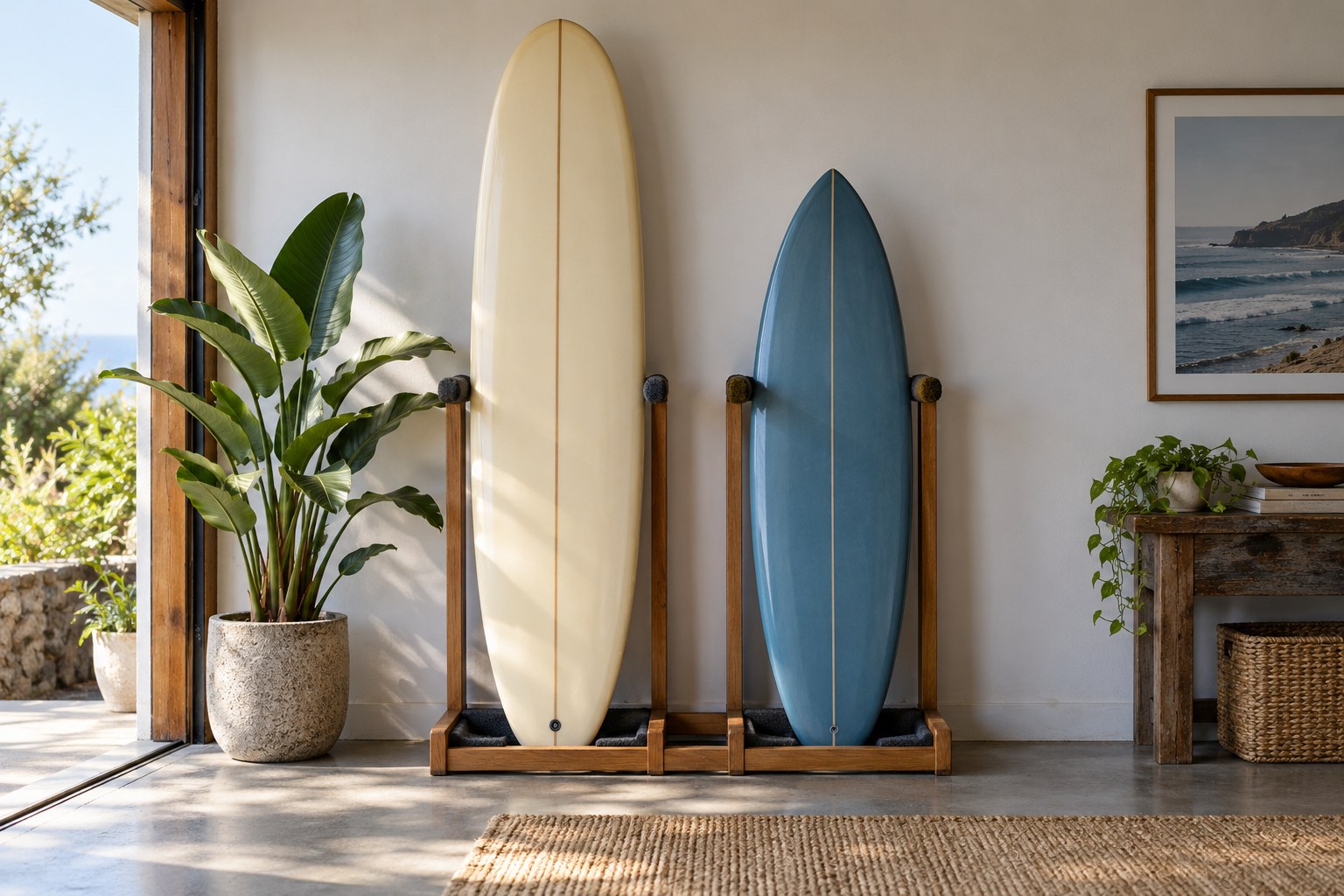
Add a second board only when you can describe a distinct role for it and accommodate the extra equipment between sessions.
Boards & equipment
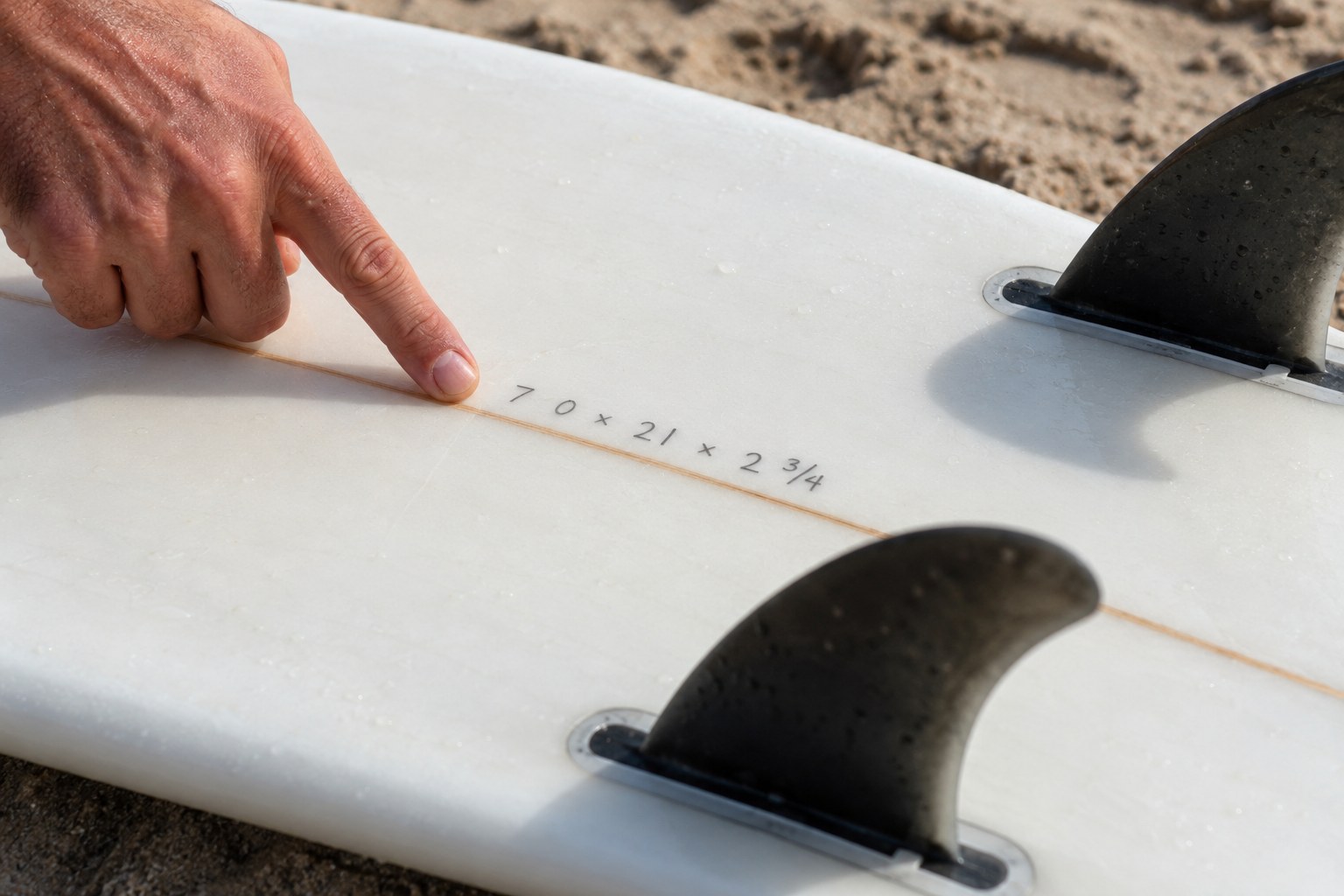
Read the units and keep the entire dimensions line together when identifying a board or comparing a proposed replacement.
Boards & equipment
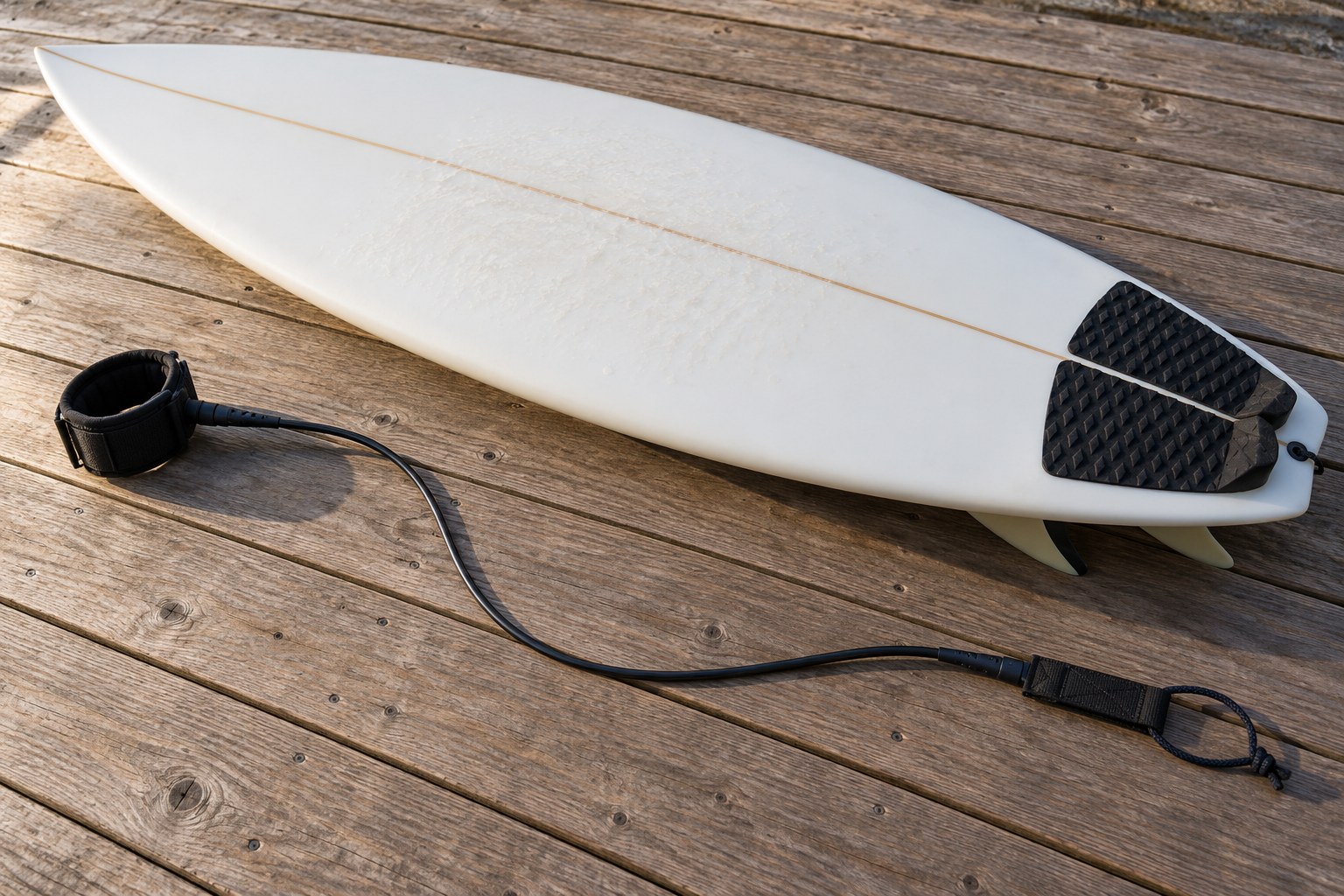
Use the board and leash makers' guidance to choose a suitable length, then check the rest of the specification rather than buying by colour or price alone.
Boards & equipment
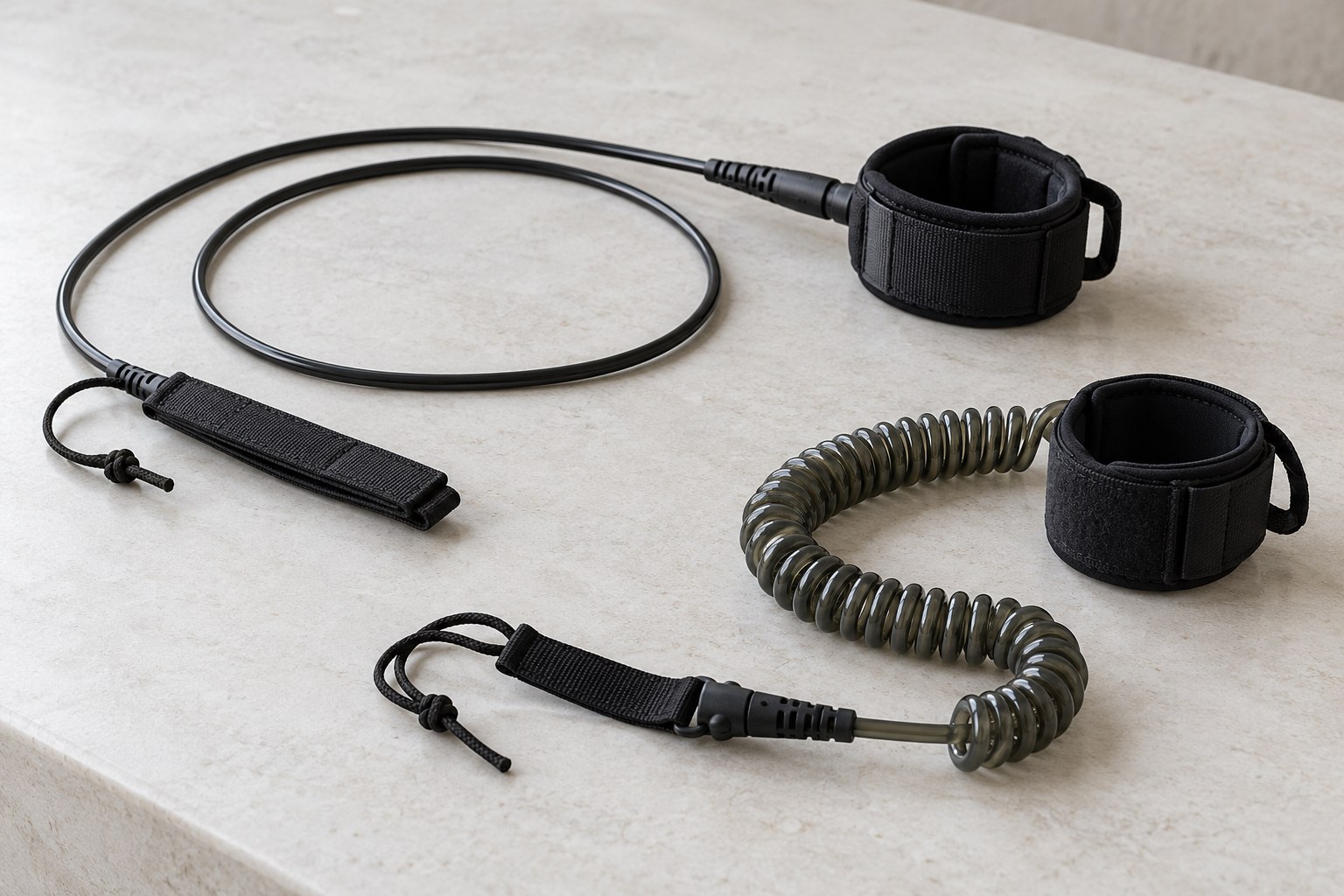
Straight and coiled cords appear across different board sports. Match the leash to its stated activity instead of assuming the shapes are interchangeable.
Boards & equipment
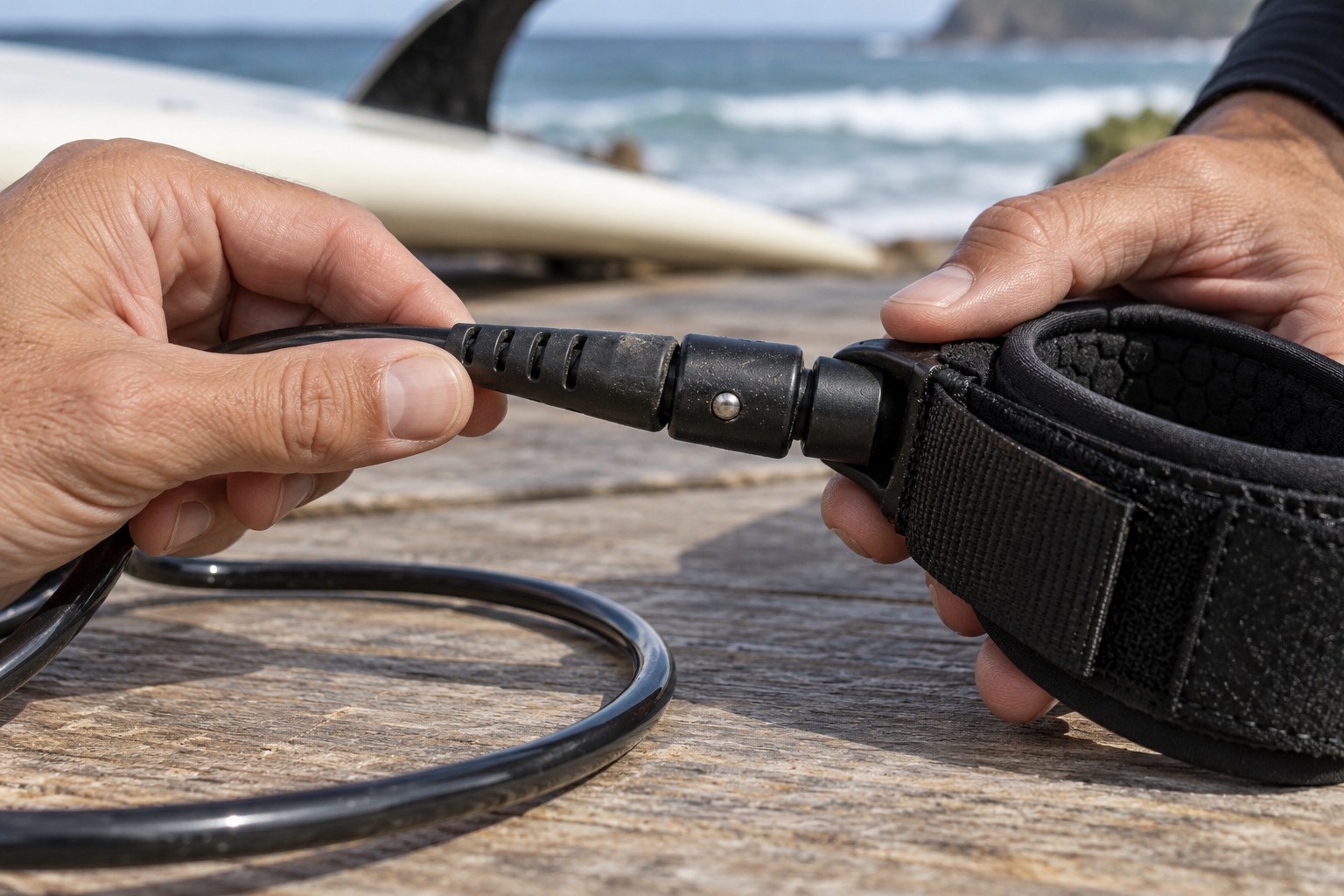
Make the leash a separate part of your equipment check, with enough time to replace a suspect component before the session.

Boards & equipment
A cuff needs the correct position, a sound closure and a fit that follows its maker's instructions. Tightness alone is not a useful test.
Boards & equipment
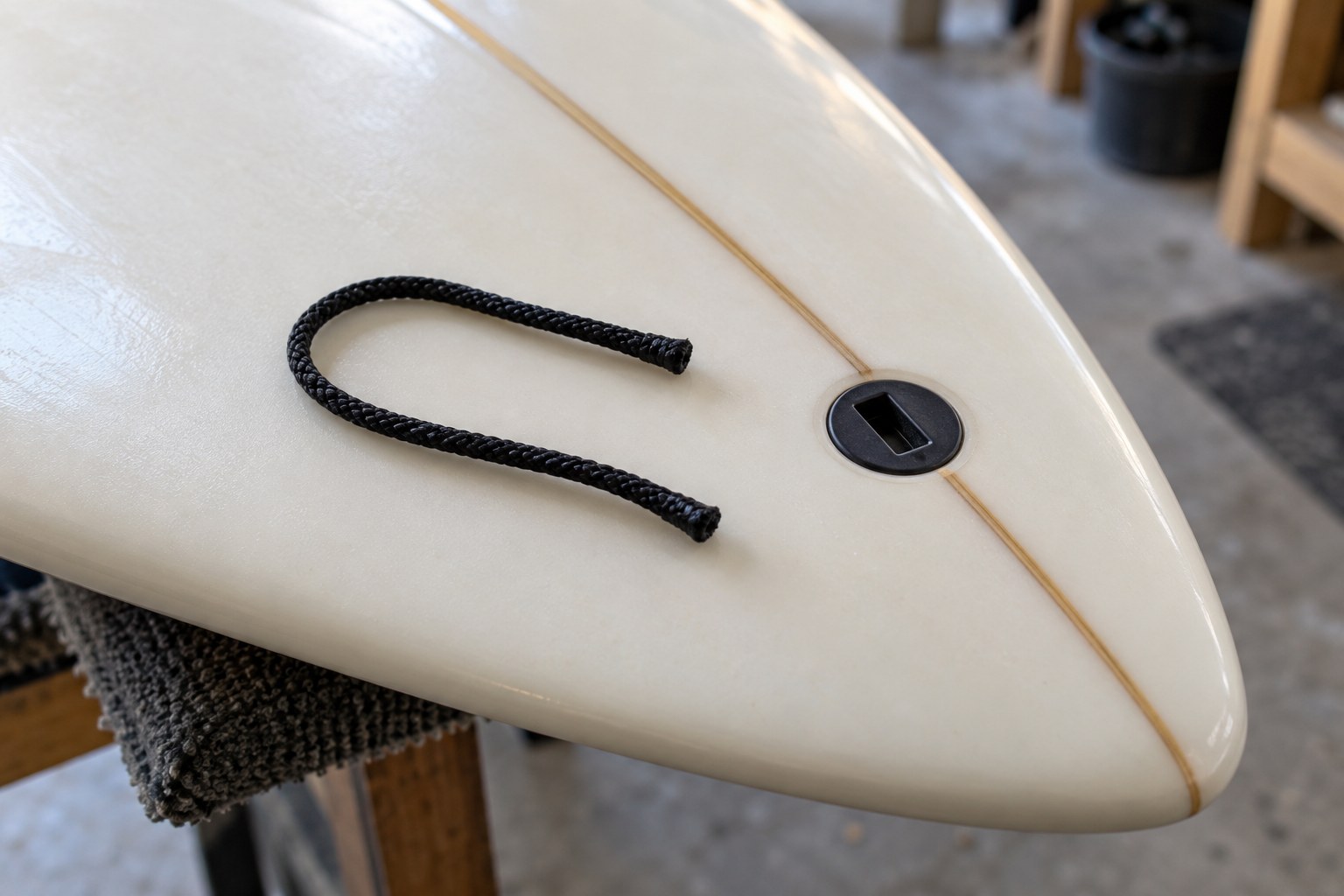
The small connection at the board deserves the correct replacement part and installation instructions, rather than a piece of cord chosen by eye.
Boards & equipment
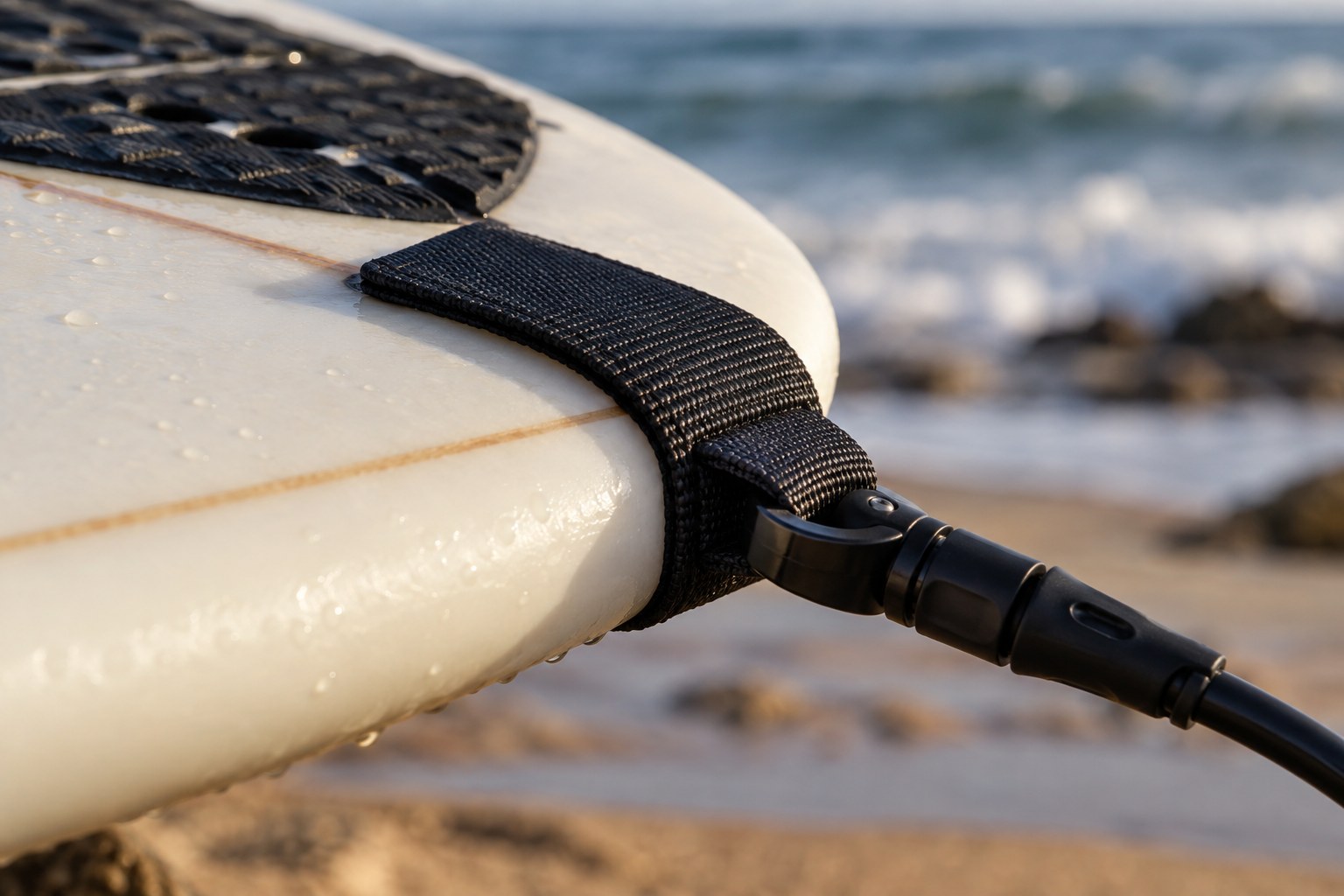
The broad fabric section near the tail has a different purpose from the thin attachment string. Identify both before checking the connection.
Boards & equipment
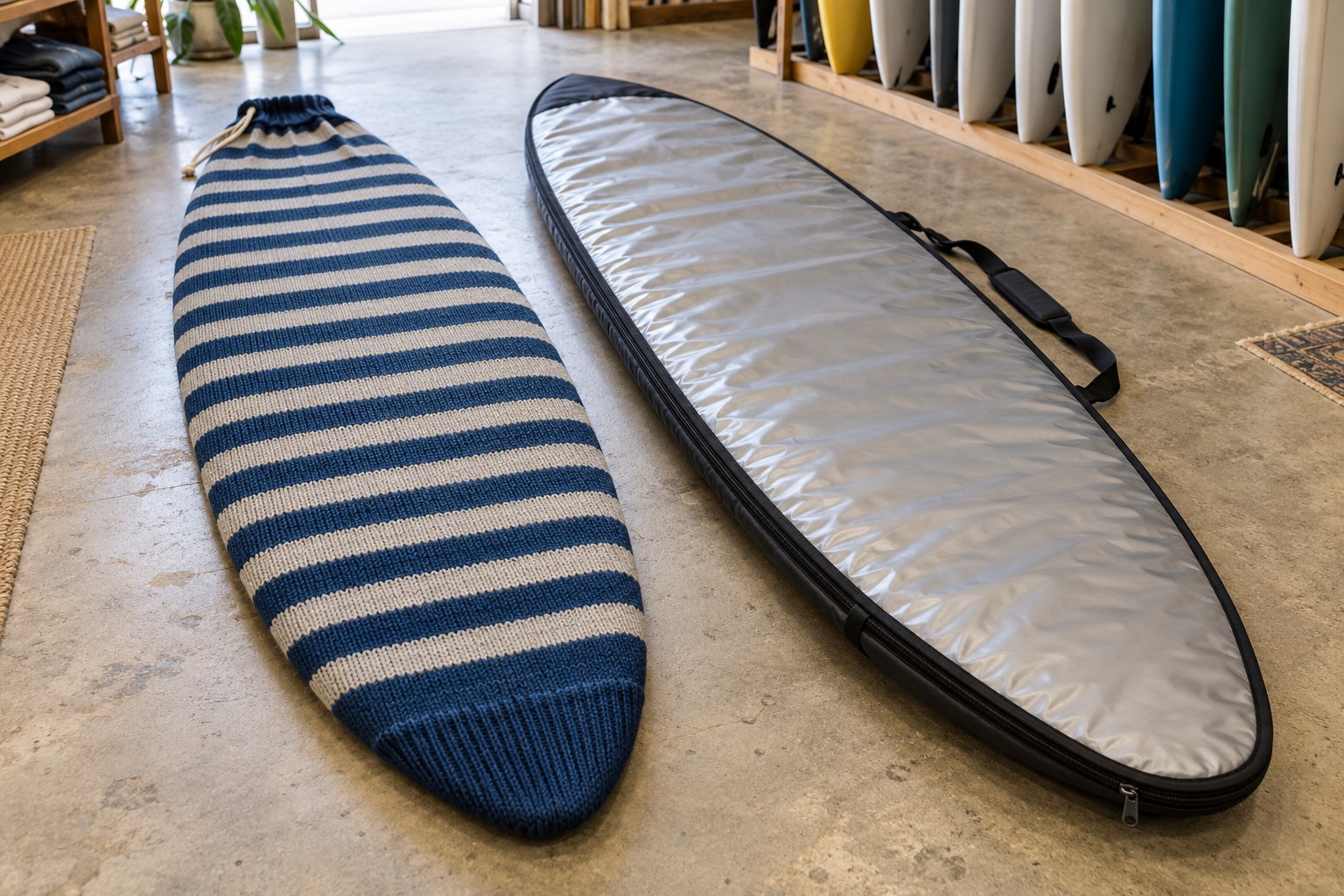
A knitted cover and a padded day bag solve different carrying problems. Compare the journey, the board shape and where the cover will be stored.
Boards & equipment
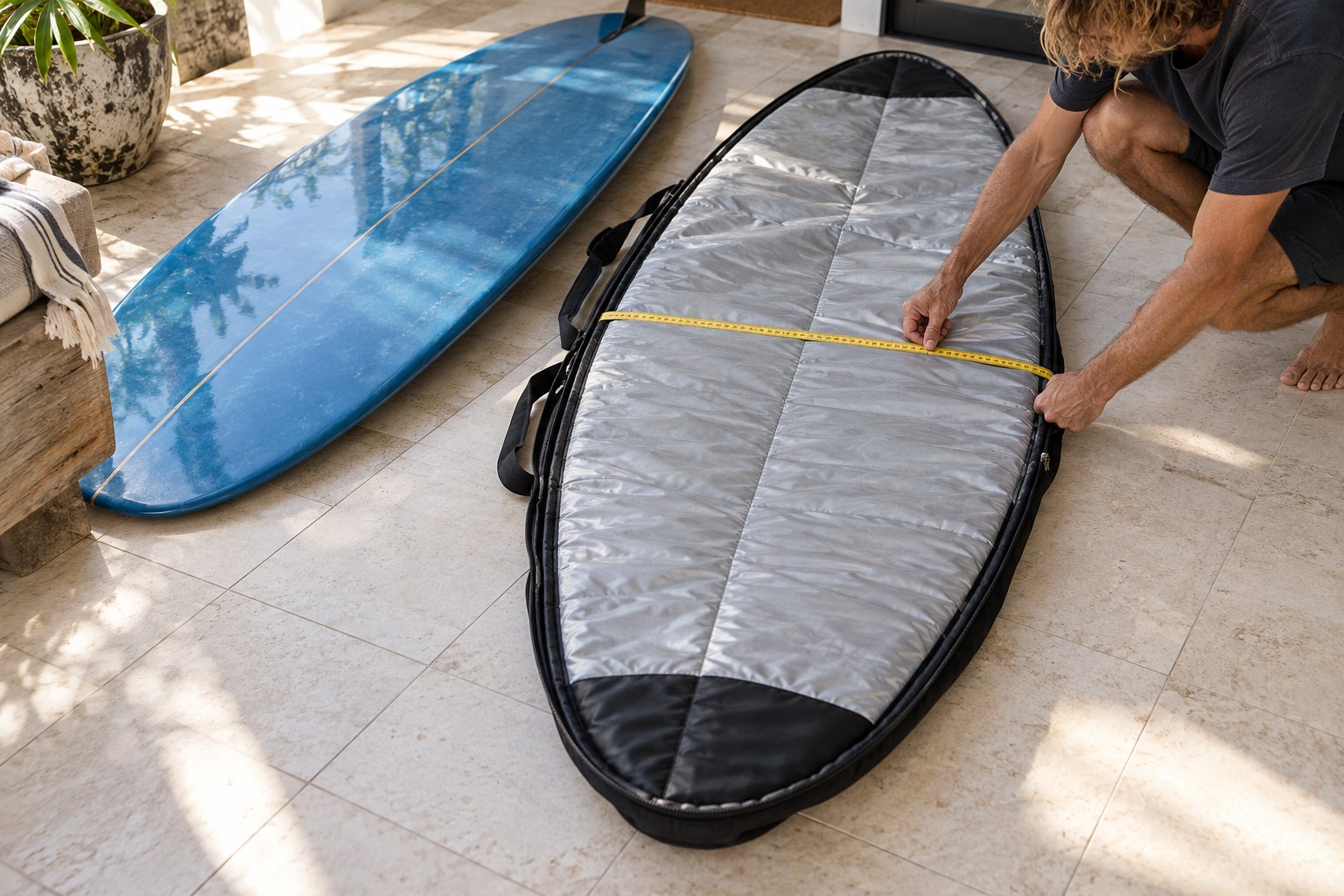
Length is only one part of board-bag fit. Check the outline, internal room and fin arrangement before choosing a size.
Boards & equipment
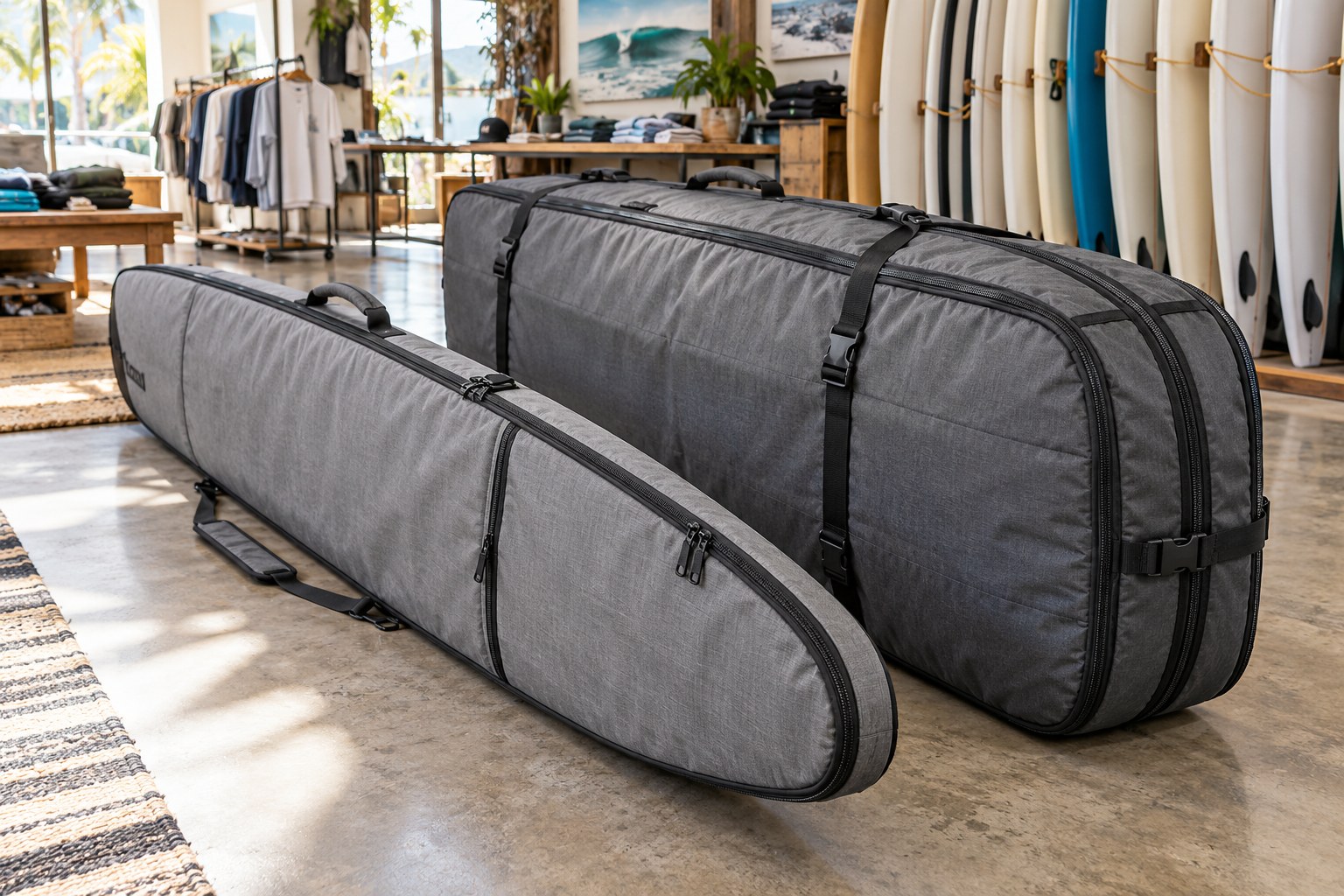
Decide how many boards must travel together before comparing padding, dividers, wheels and the burden of one large bag.
Boards & equipment
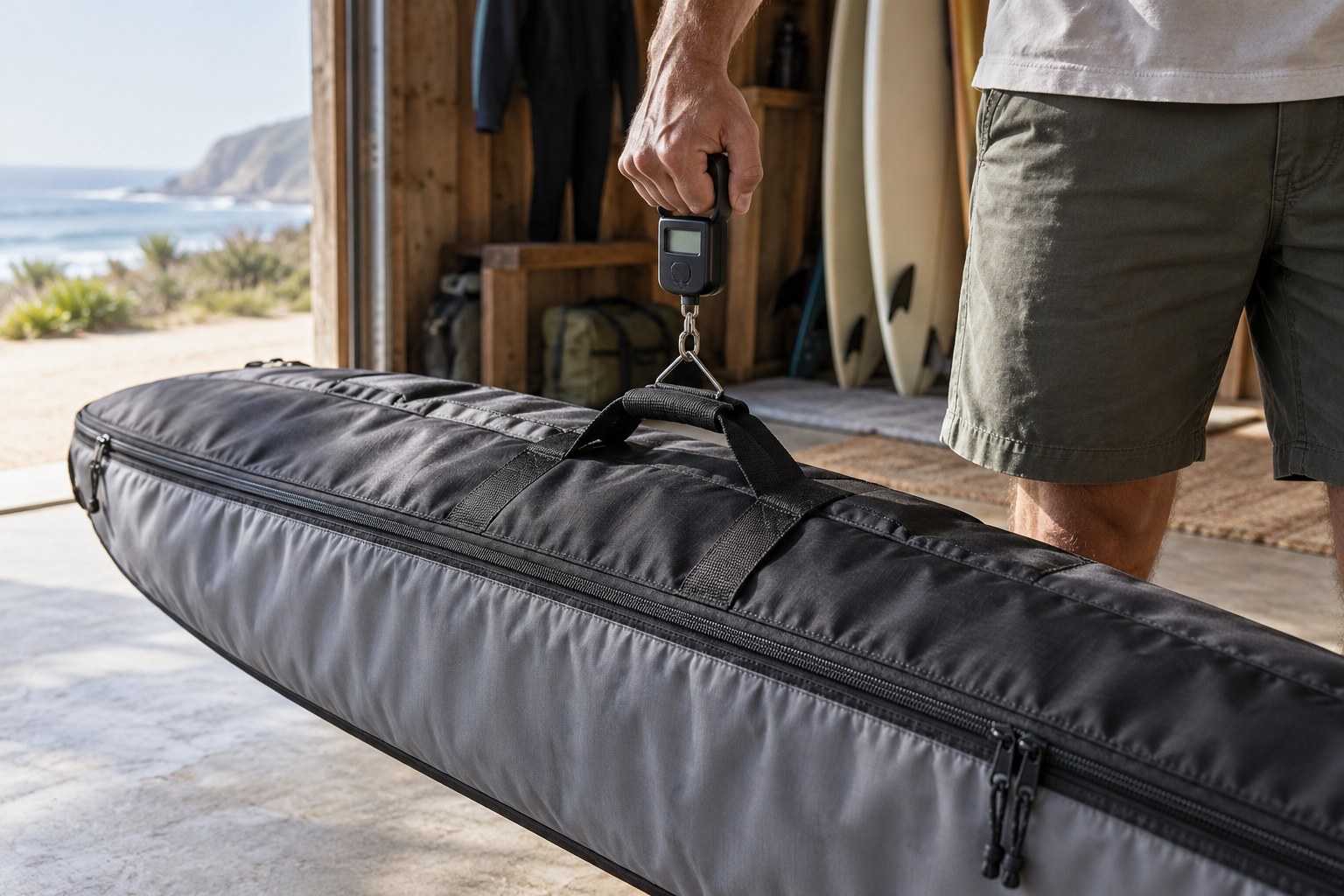
Weigh the complete packed bag, record what is inside and compare it with the airline's current rules for your exact journey.
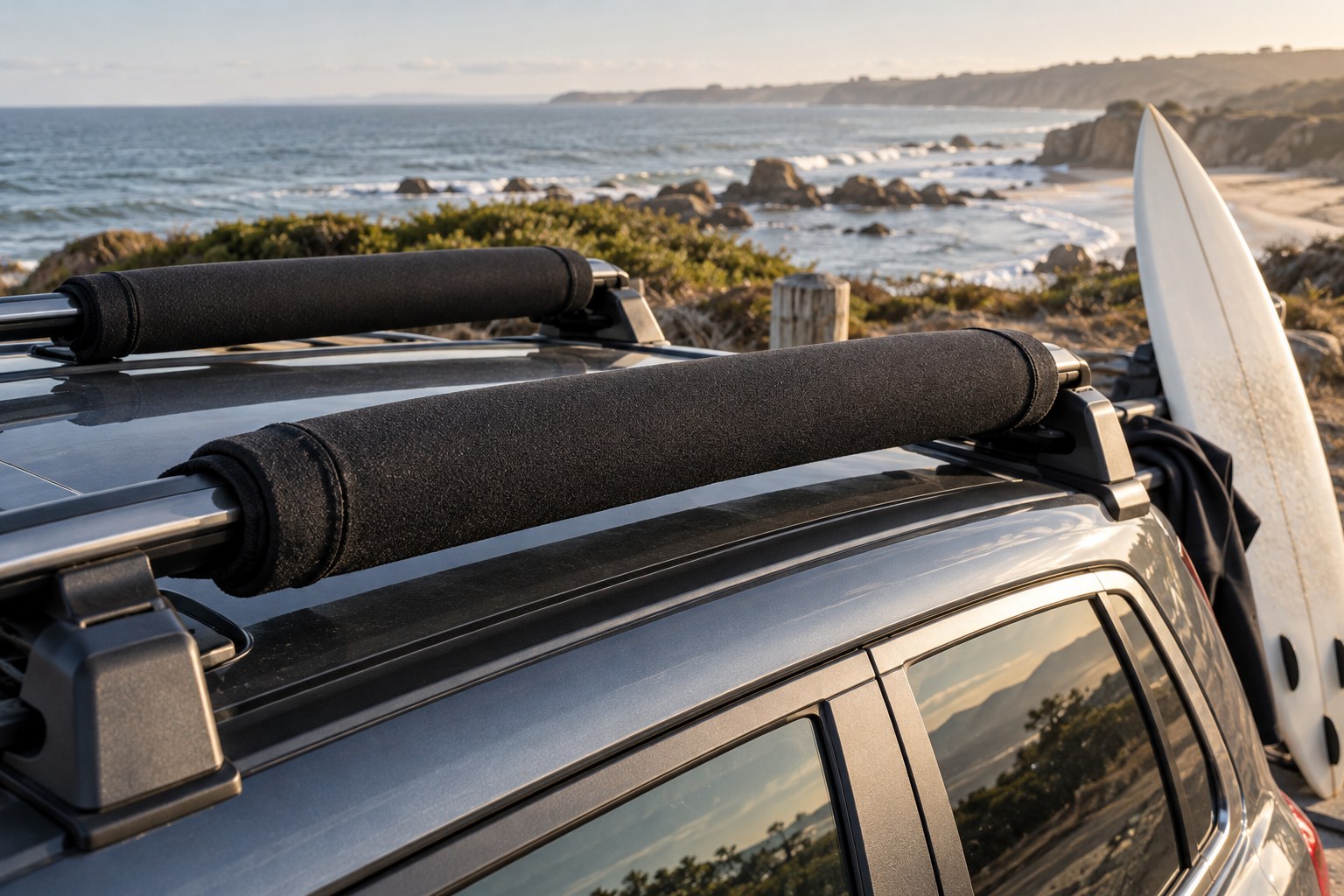
Boards & equipment
Roof-rack pads must match the bars and the complete carrying system. Begin with vehicle and rack compatibility, then examine the pad dimensions.
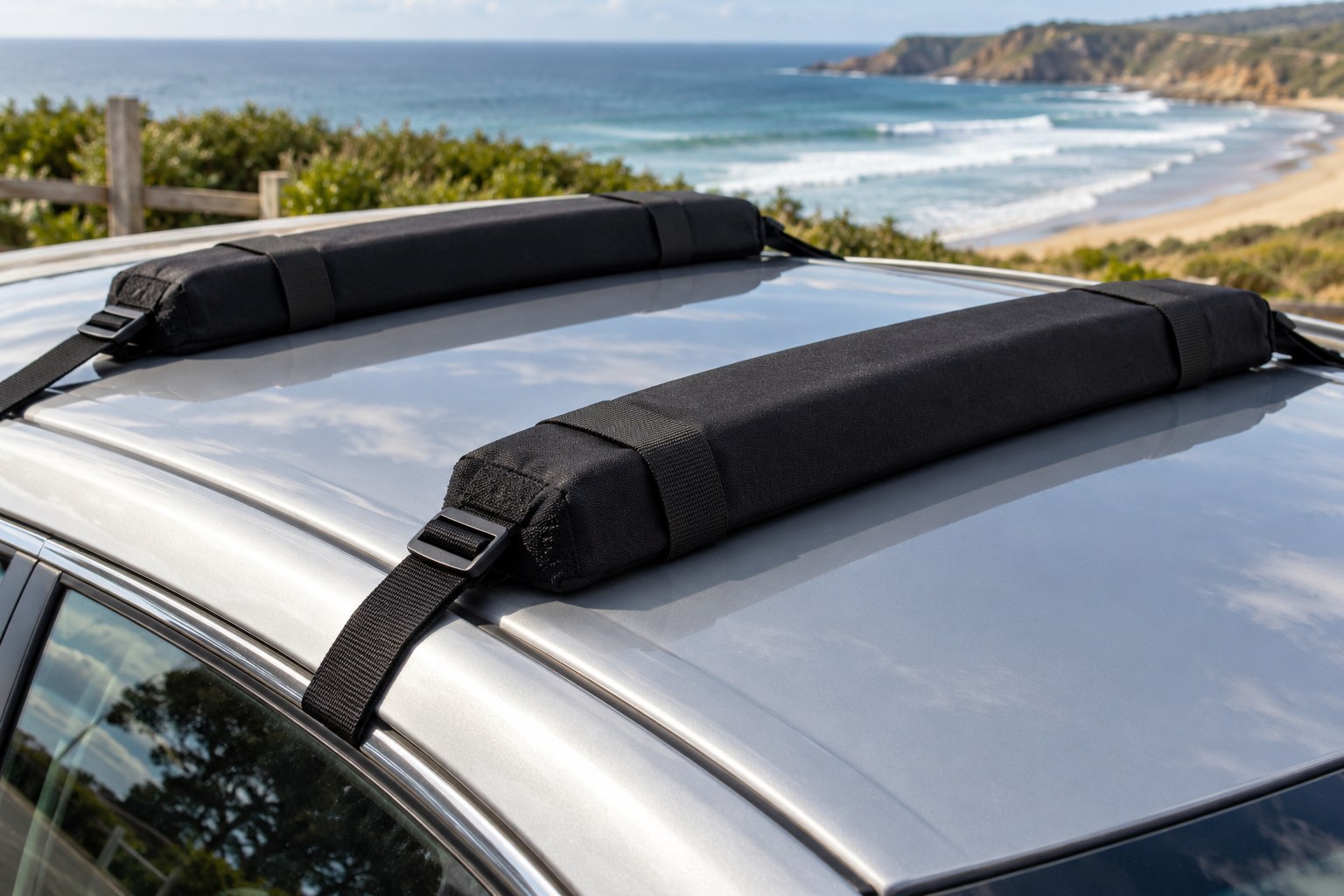
Boards & equipment
A soft rack needs a vehicle-specific answer. Ask about roof shape, door arrangement, restrictions and the exact fitting instructions before buying.
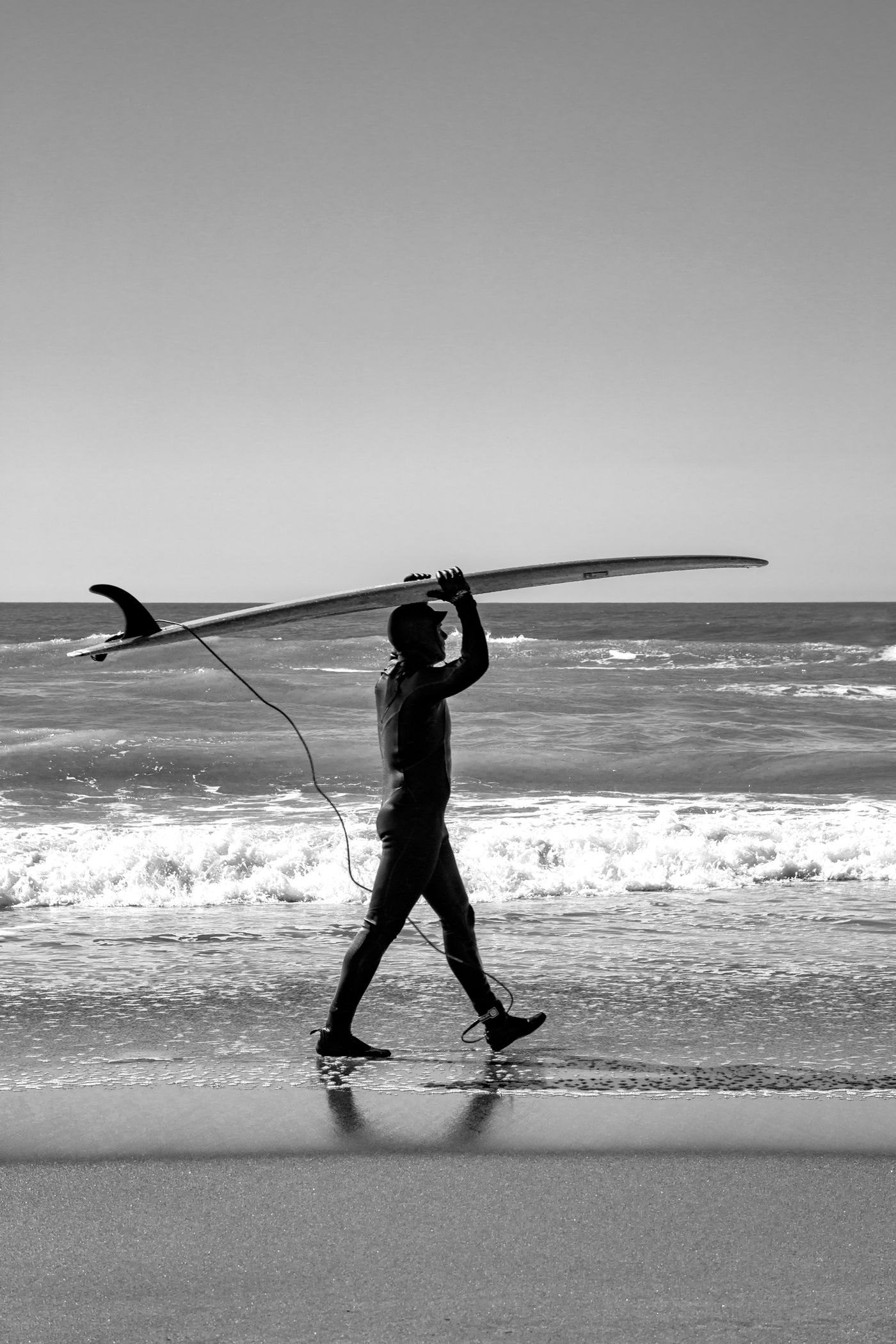
Boards & equipment
Plan the path before lifting a longboard. Doorways, wind and crowded walkways can make a short carry more awkward than its distance suggests.
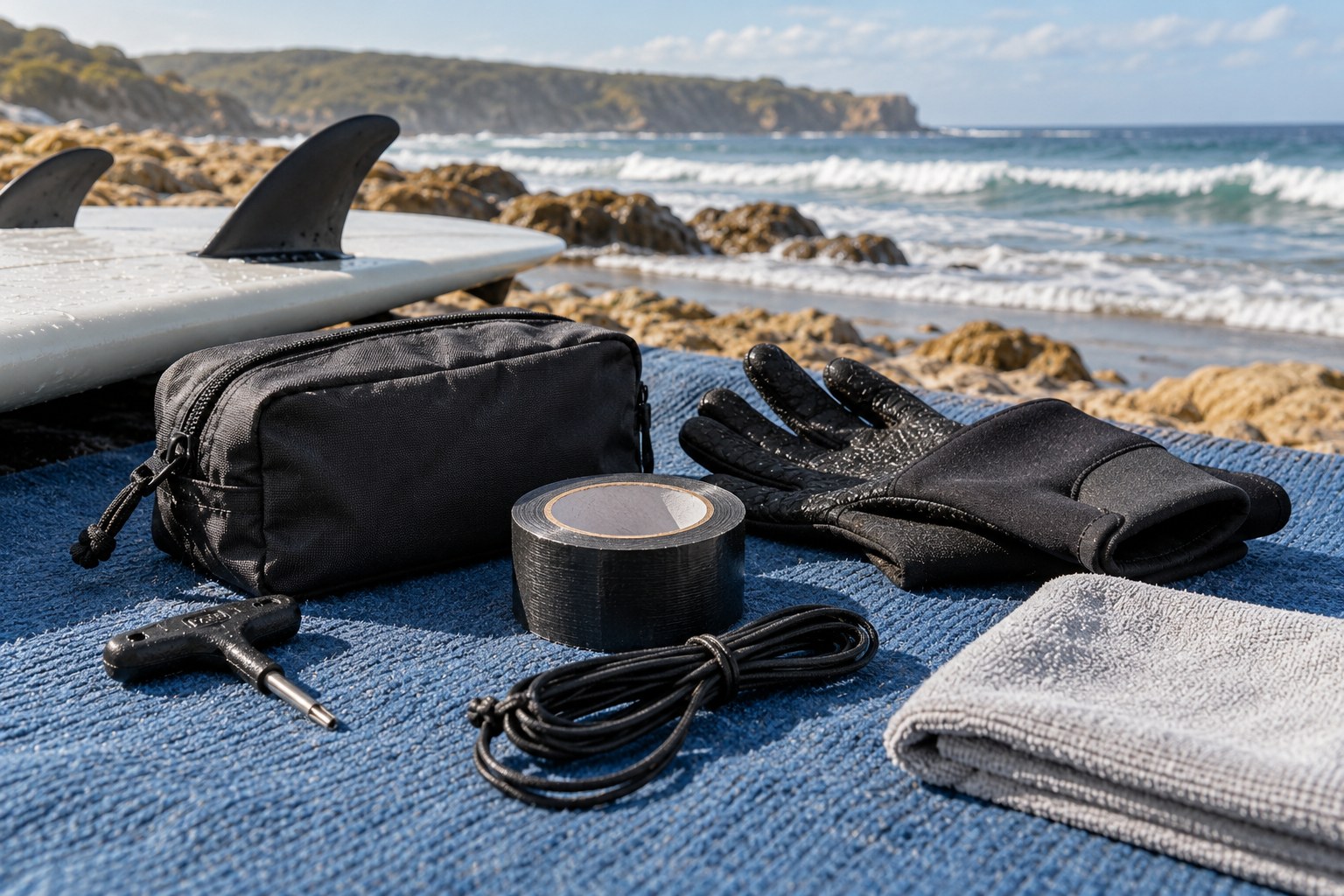
Boards & equipment
Build a travel kit around identifiable equipment and manufacturer-approved products. A compact kit should help organise a repair decision, not encourage an unsuitable repair.
Boards & equipment
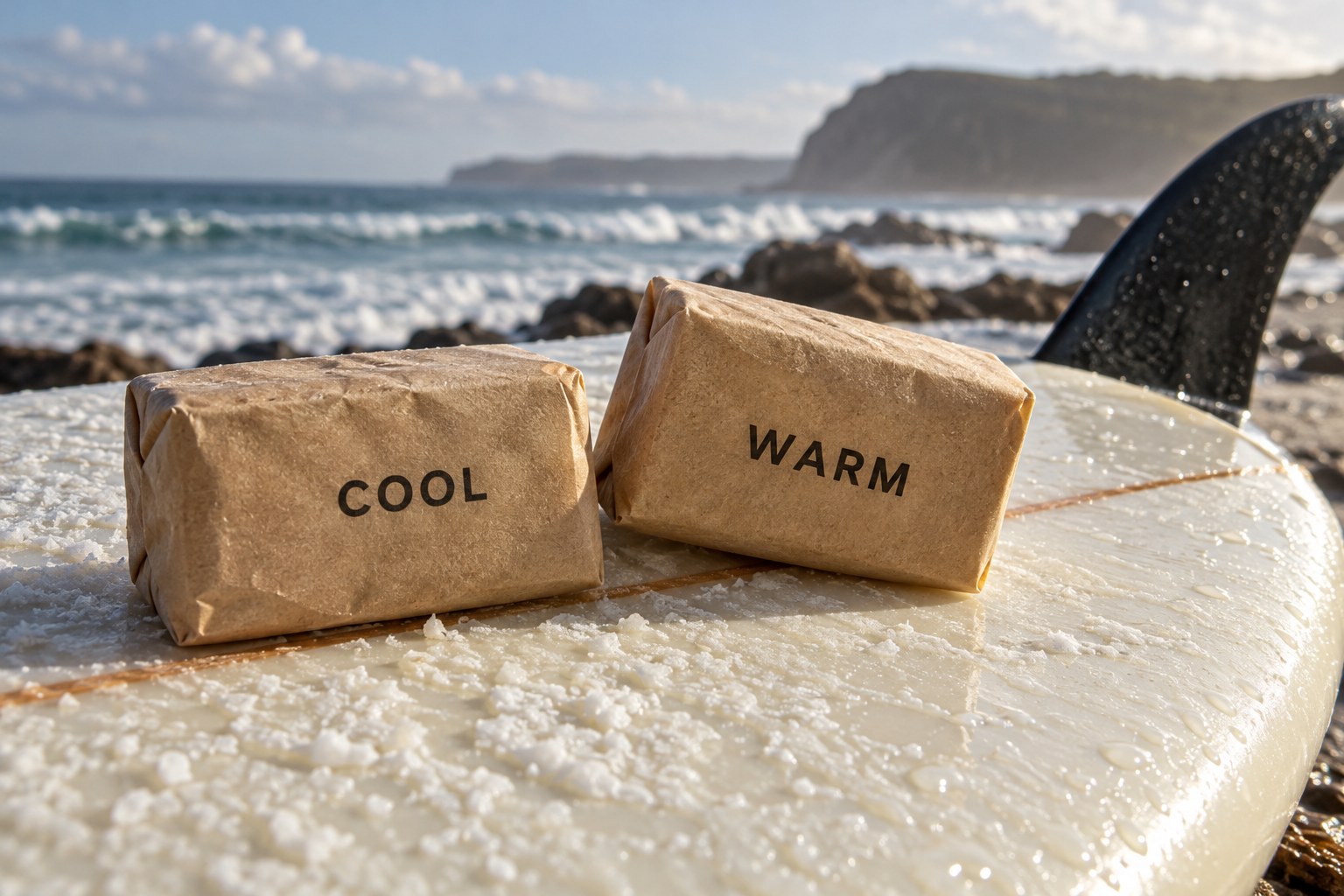
Choose surf wax by the product's water-temperature guidance and the board maker's instructions, not by wrapper colour or the afternoon air temperature.

Boards & equipment
A basecoat and a topcoat are different roles within an application system. Establish what the products require before buying two bars by habit.
Boards & equipment
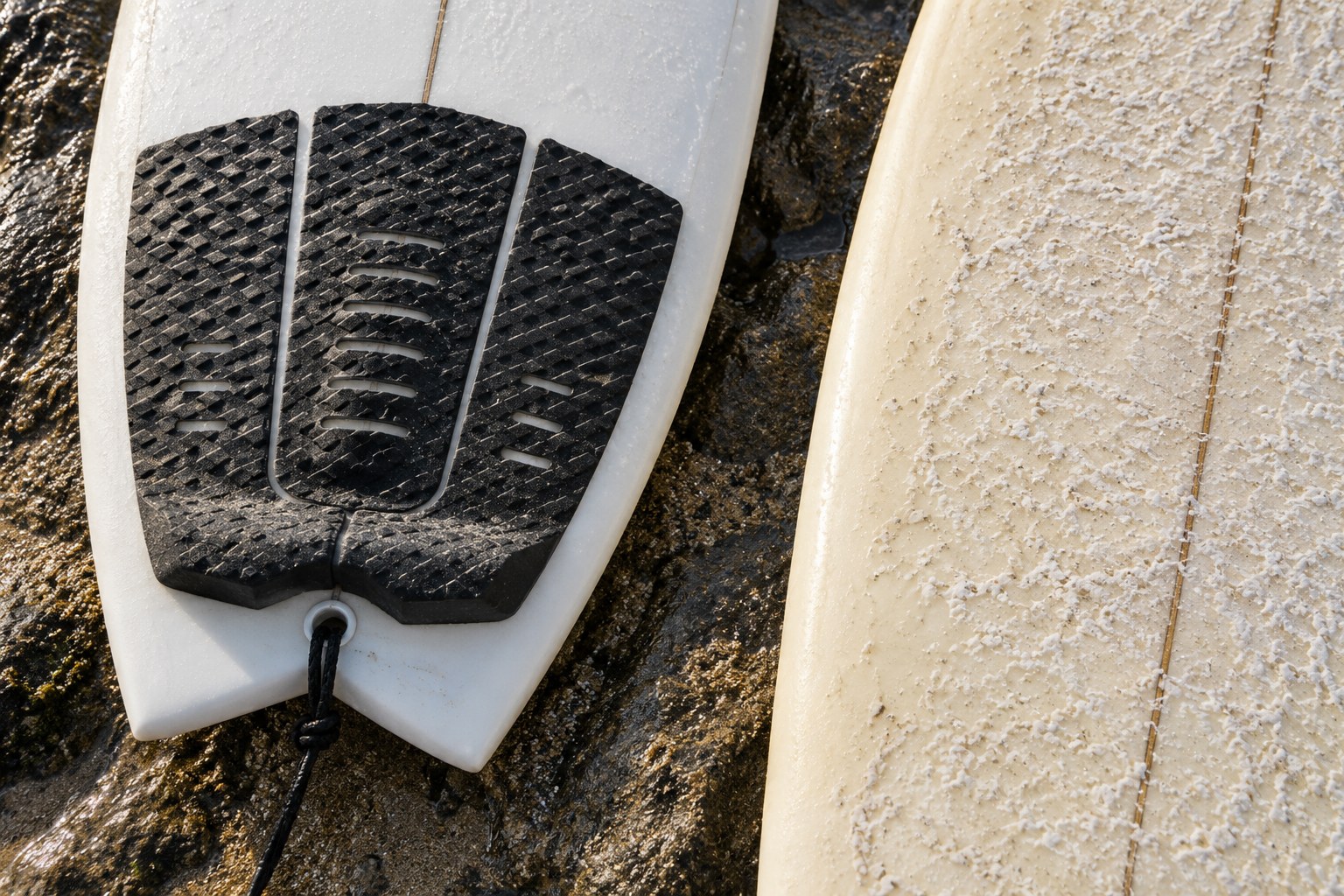
Compare where you need traction, how permanent the change will be and whether the board surface accepts the proposed product.
Boards & equipment
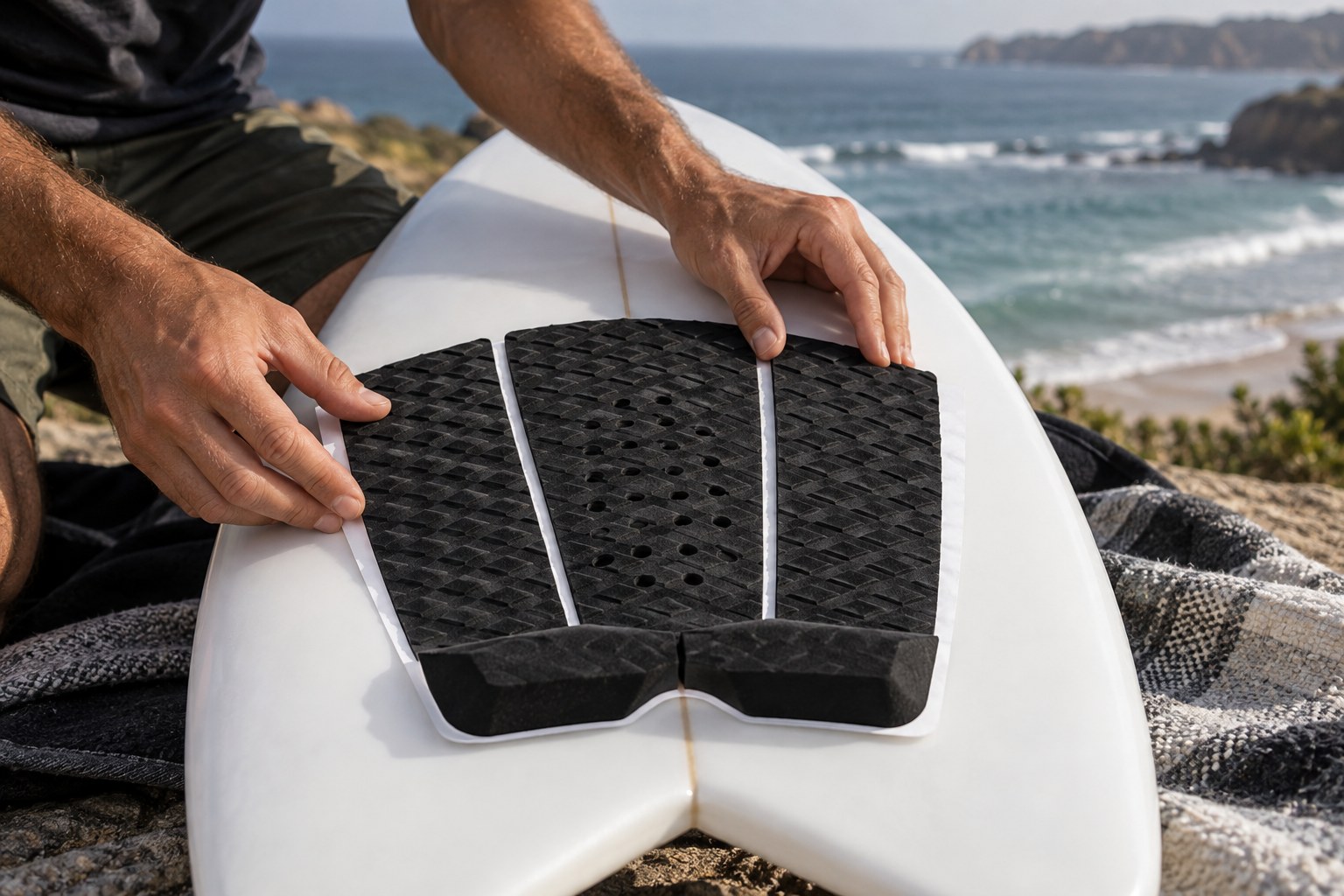
Lay out the complete pad with its backing intact, confirm compatibility and allow the specified bonding time before planning a session.
Boards & equipment
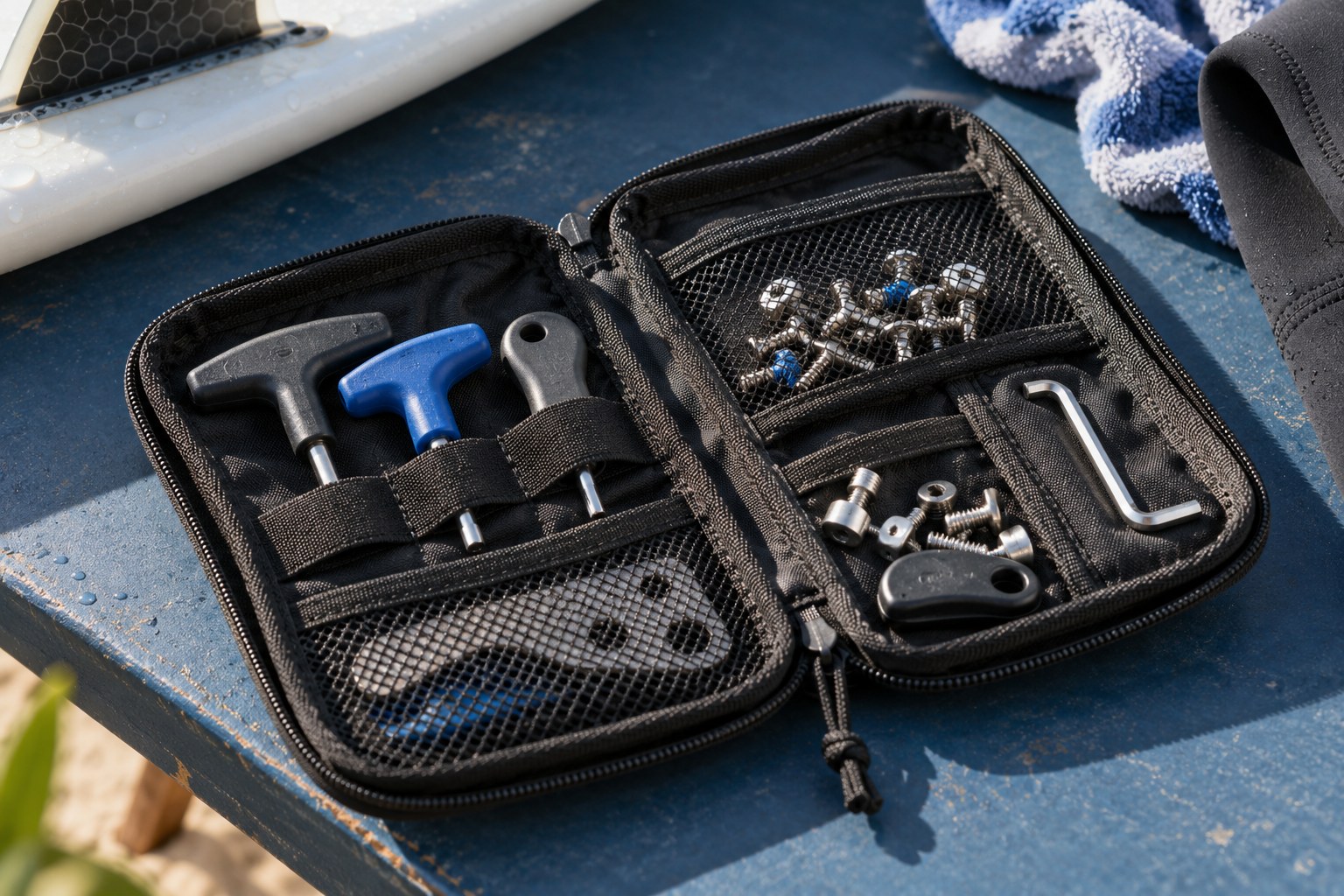
A small labelled tool pouch prevents fin keys and screws from disappearing into luggage or pressing against a board.

Boards & equipment
Choose storage around the board's dimensions, the room's traffic and the rack's fixing requirements. An empty corner is not automatically a suitable storage location.
Boards & equipment
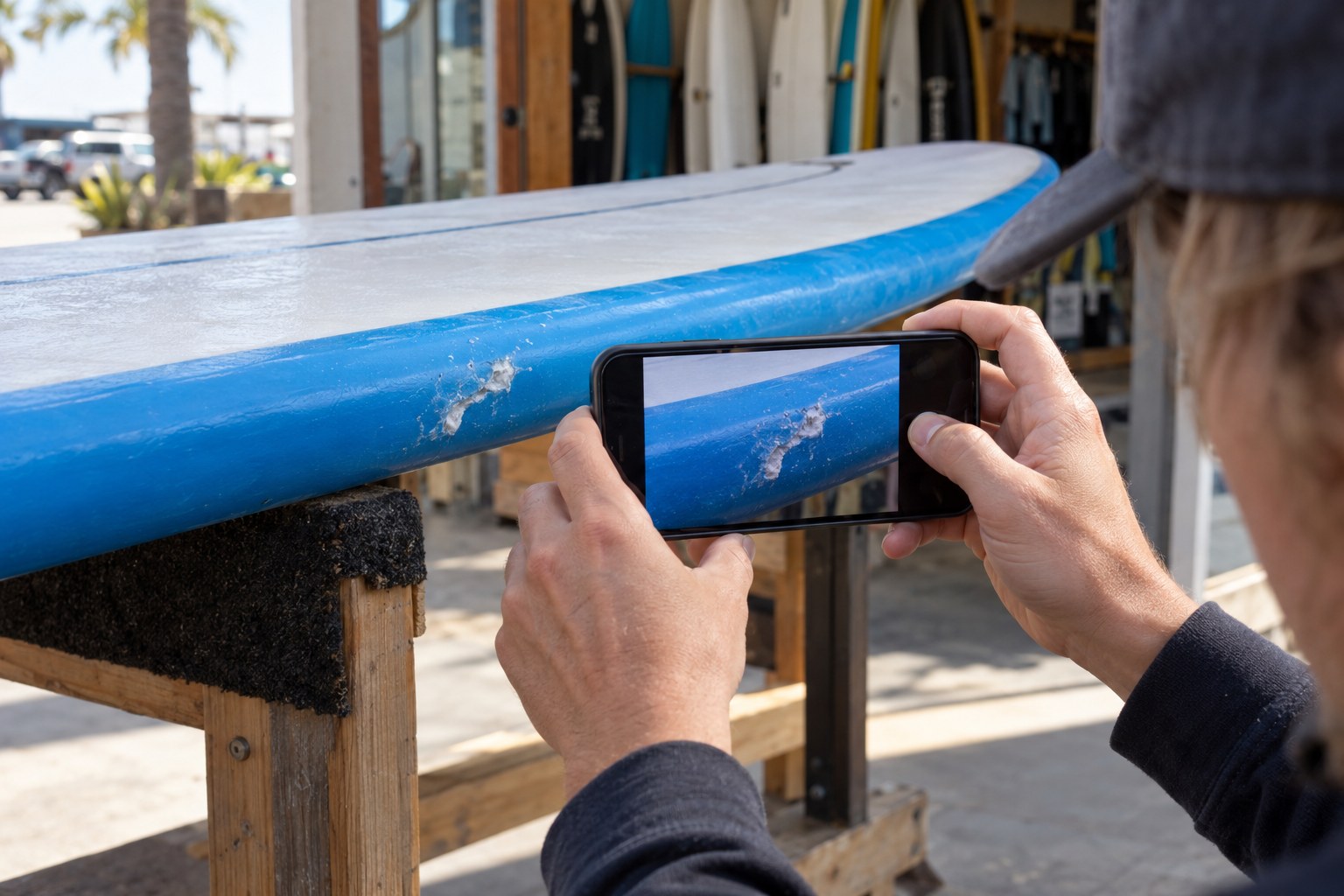
Photograph the whole rental board and any existing marks with the shop present, then keep the images with the hire record.
Wetsuits & clothing
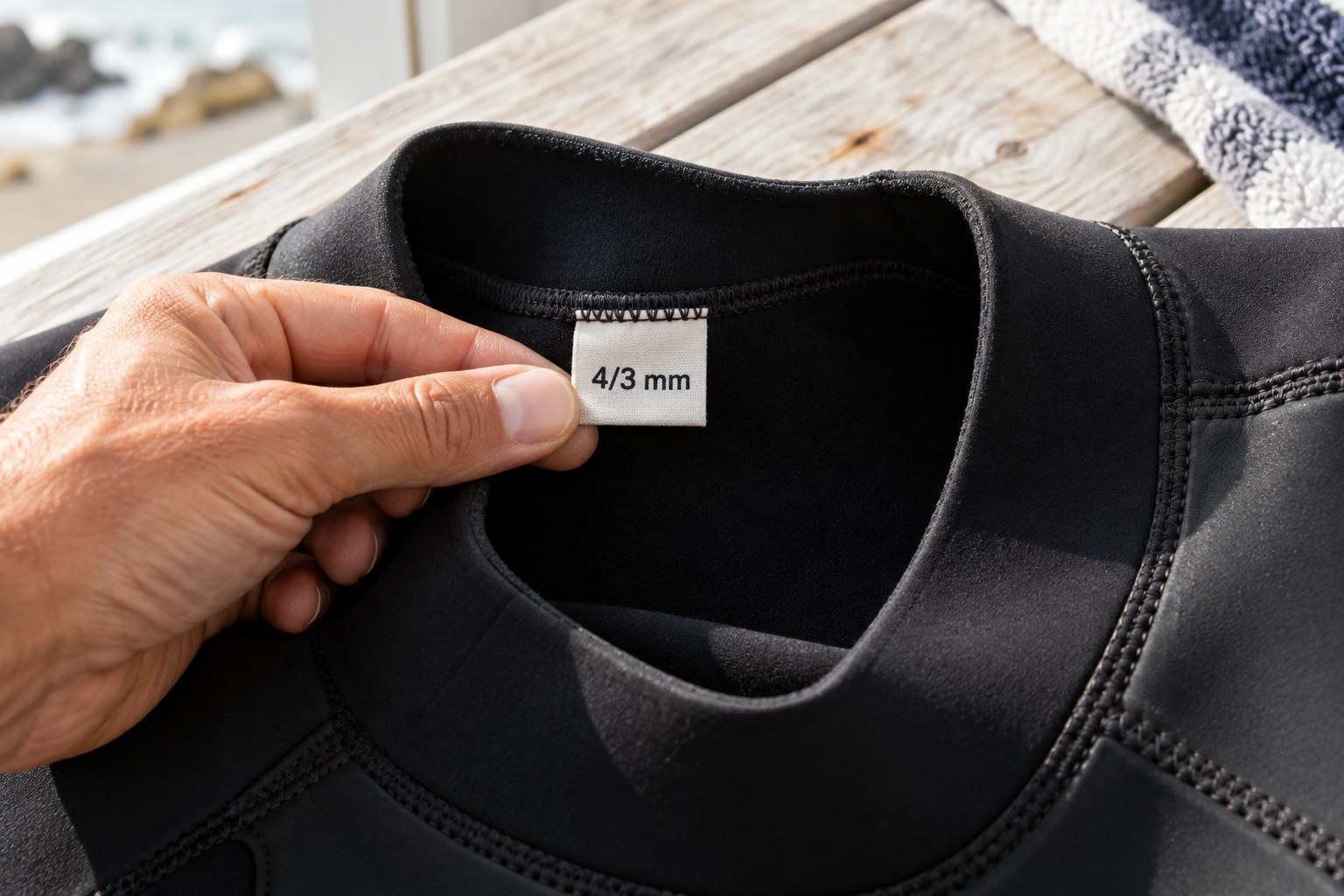
Those slash-separated numbers describe material thickness, not a complete verdict on warmth. Read them alongside the suit's construction, fit and intended conditions.
Wetsuits & clothing
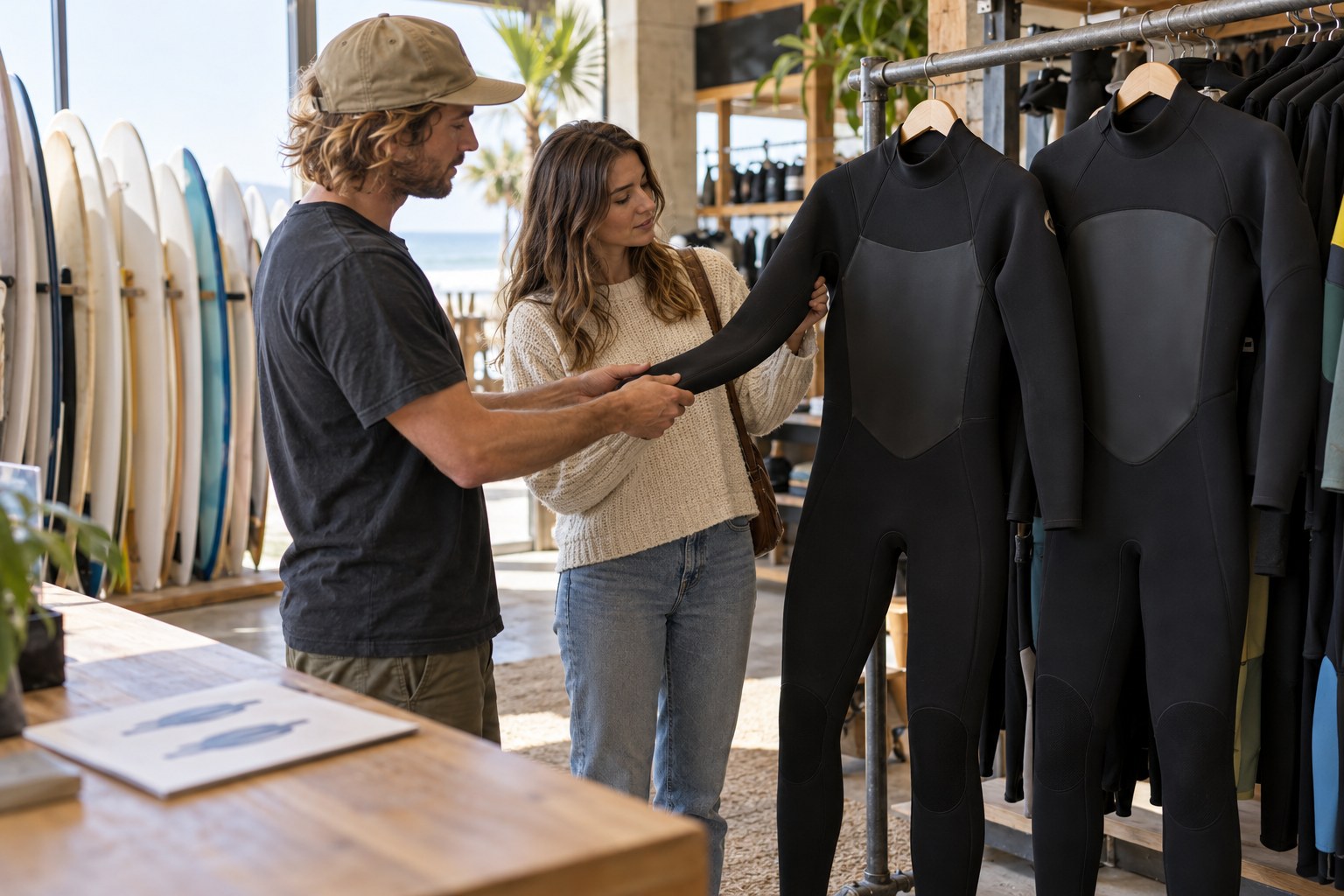
Bring the destination, season and session plan to a local shop, then compare its advice with the manufacturer guidance for the actual suit.
Wetsuits & clothing
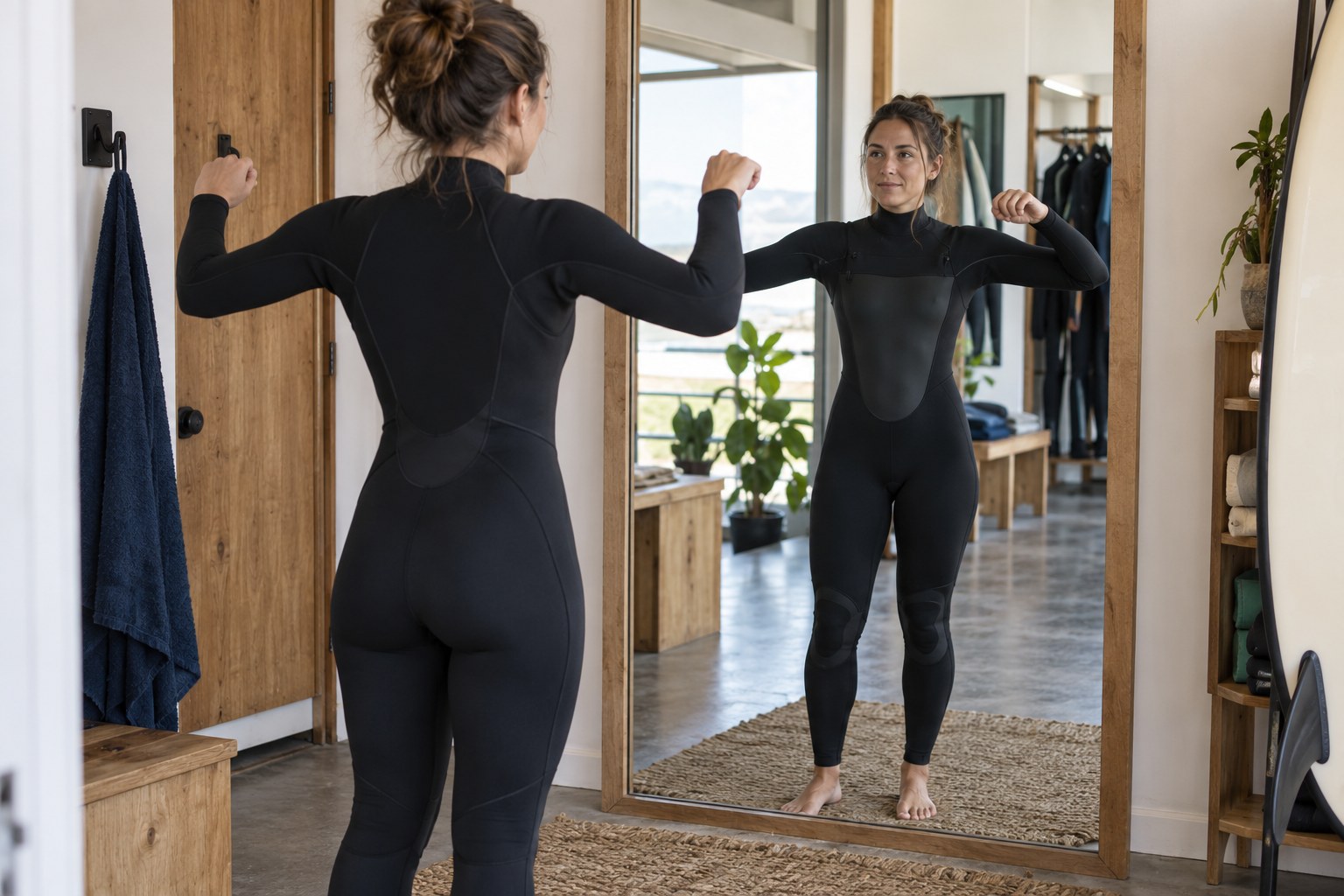
Measure for the maker's chart, then assess the complete garment in motion. Your usual shirt or trouser size is only a familiar label.
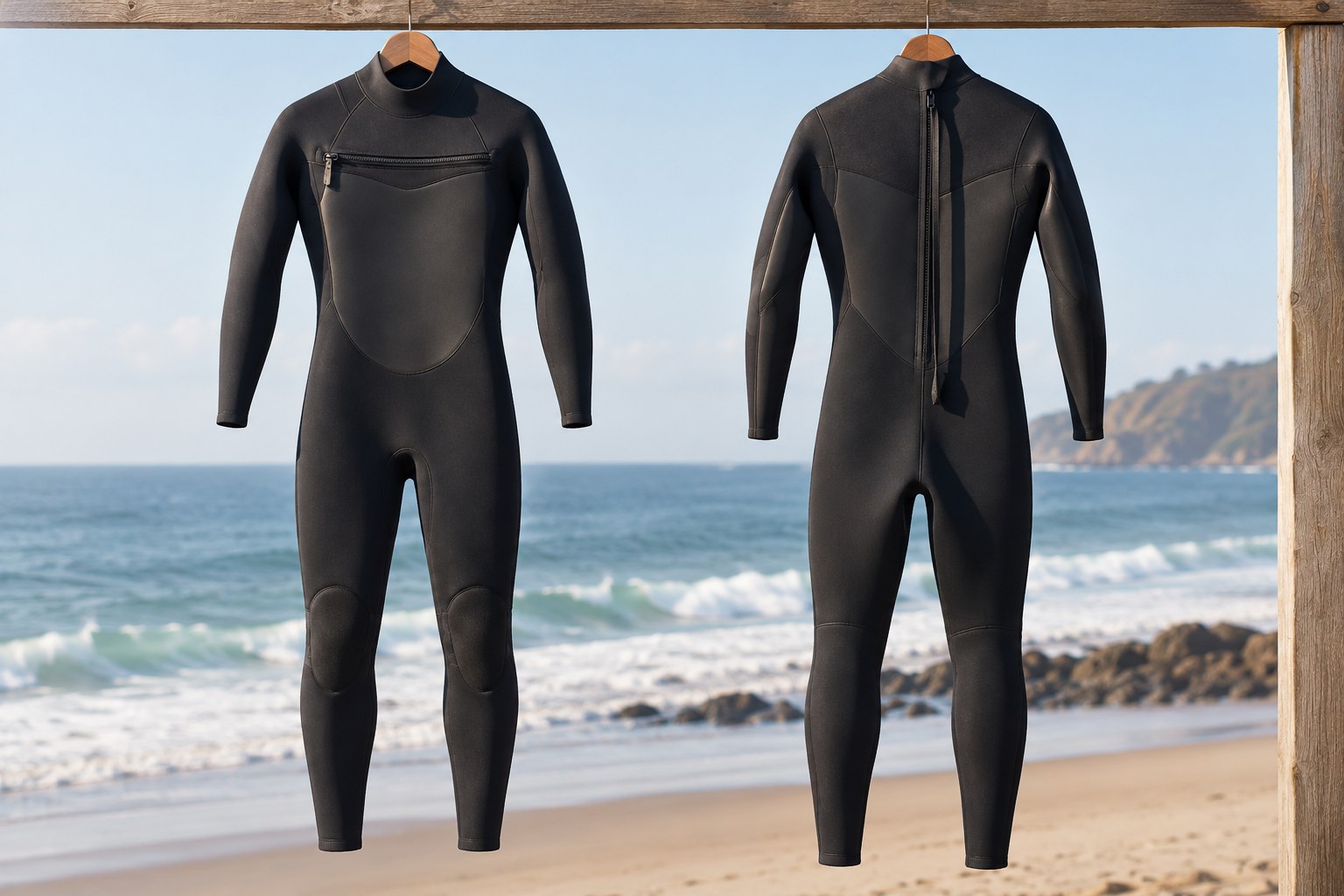
Wetsuits & clothing
Compare the actual opening, your reach and the ease of getting in and out. Zip location alone cannot decide which suit will fit you better.
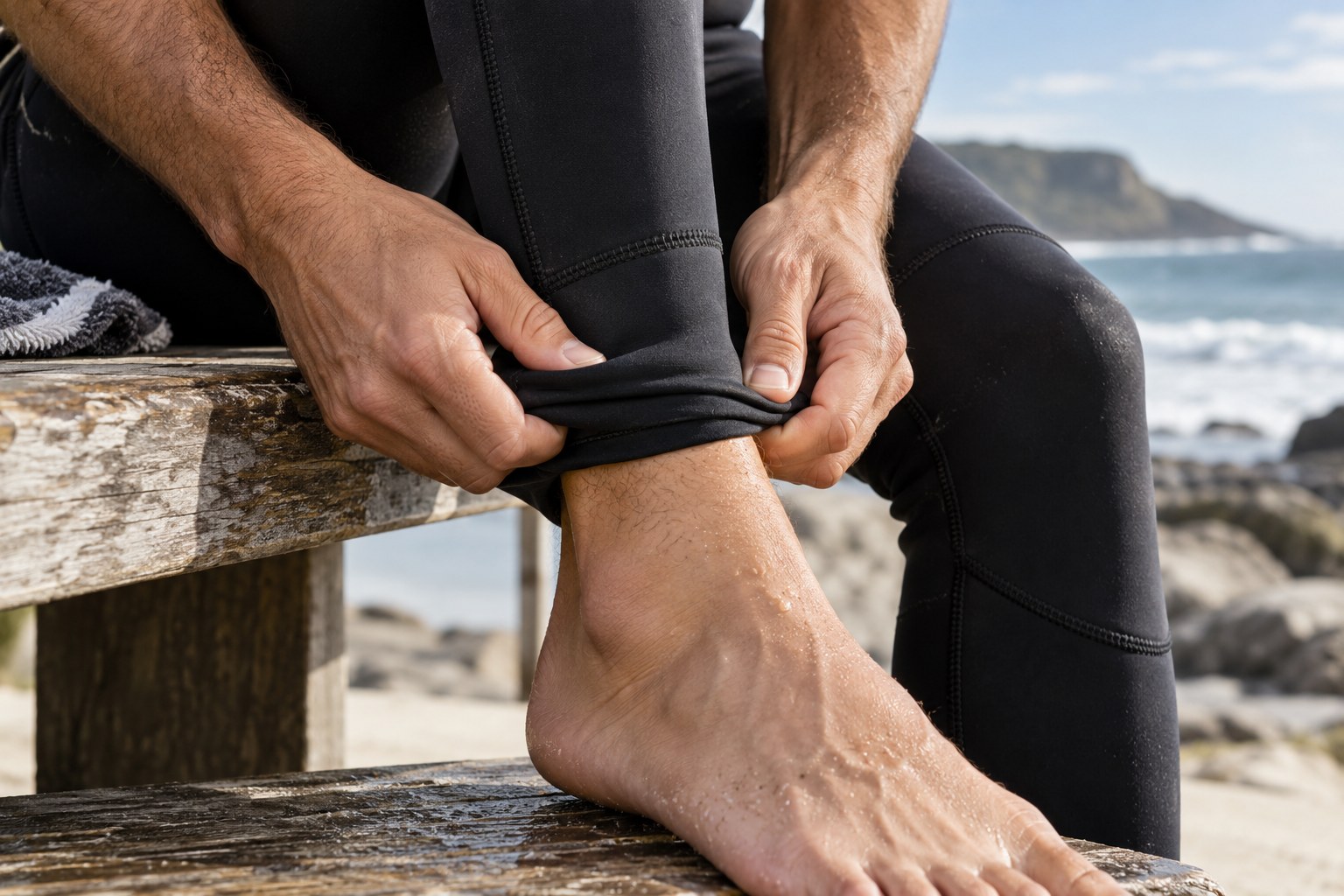
Wetsuits & clothing
A careful try-on begins with the entry instructions and enough time. Position the suit gradually instead of dragging it into place from the collar.
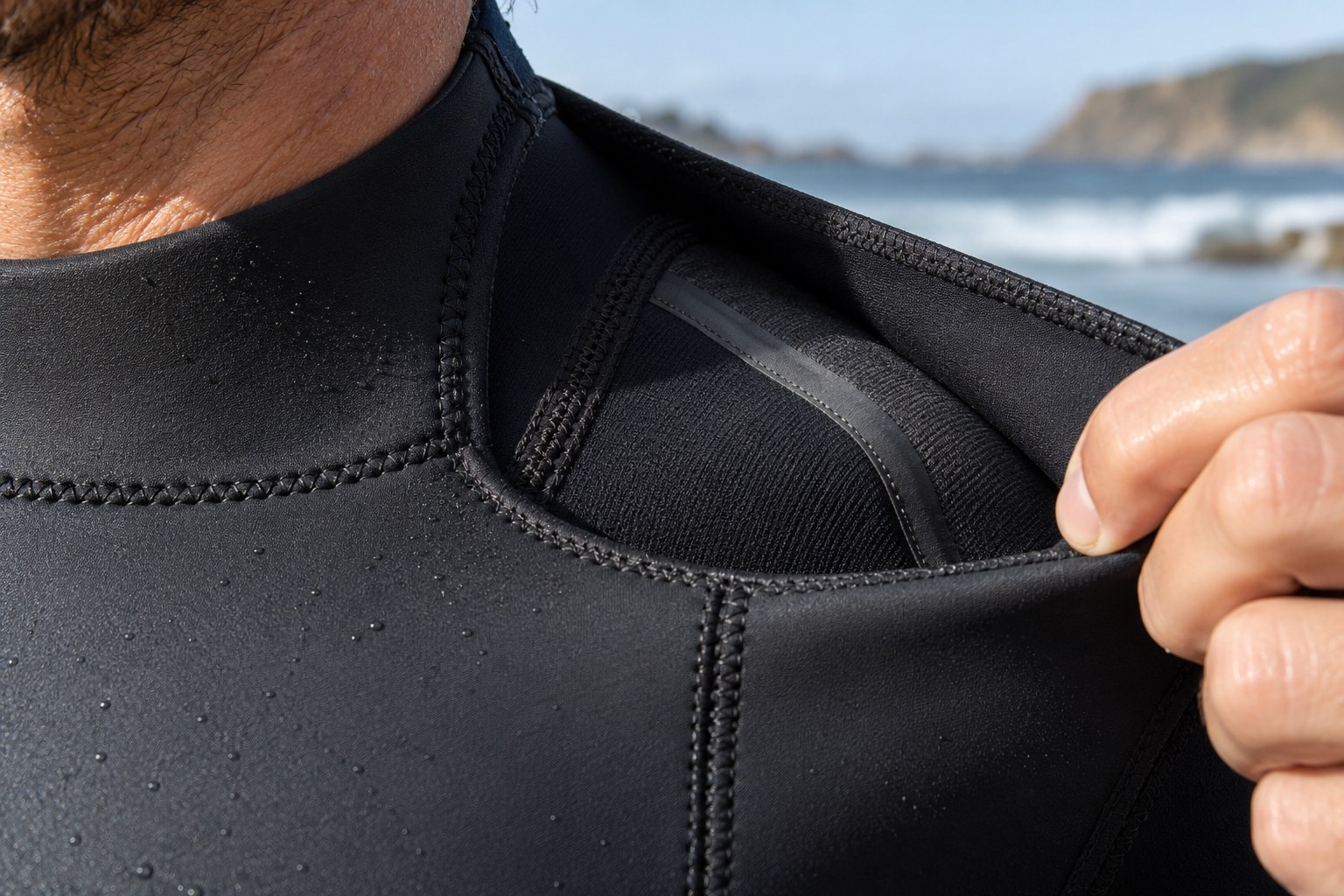
Wetsuits & clothing
Seam terms describe how panels are joined or sealed. Read the full construction description instead of using a single acronym as a quality score.
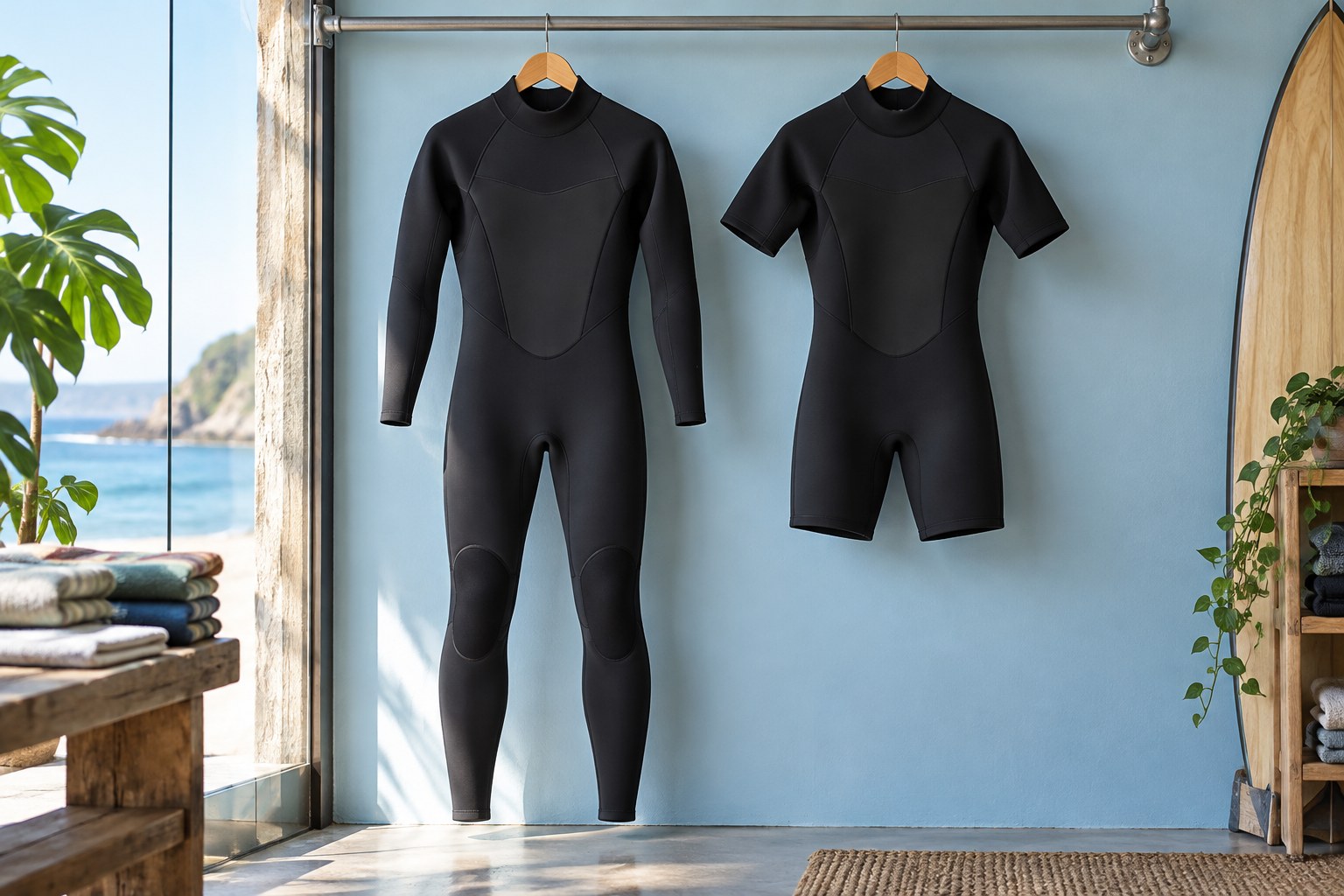
Wetsuits & clothing
Compare the sleeve and leg coverage first, then the model's thickness and intended use. A seasonal name is not a temperature recommendation.
Wetsuits & clothing
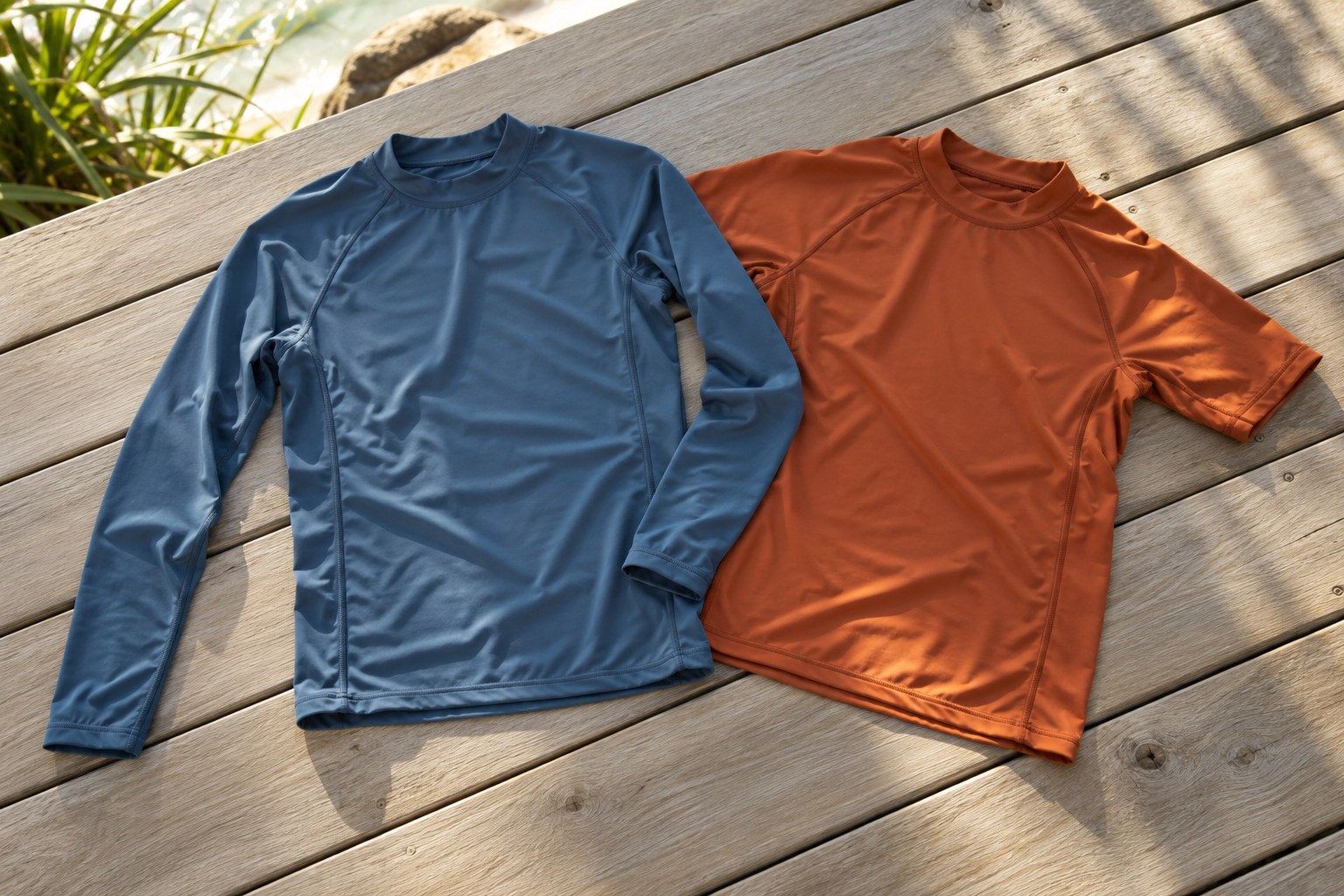
Sleeve length changes coverage and the feel of a surf top. Compare the fabric, fit and stated purpose as well as the outline.
Wetsuits & clothing
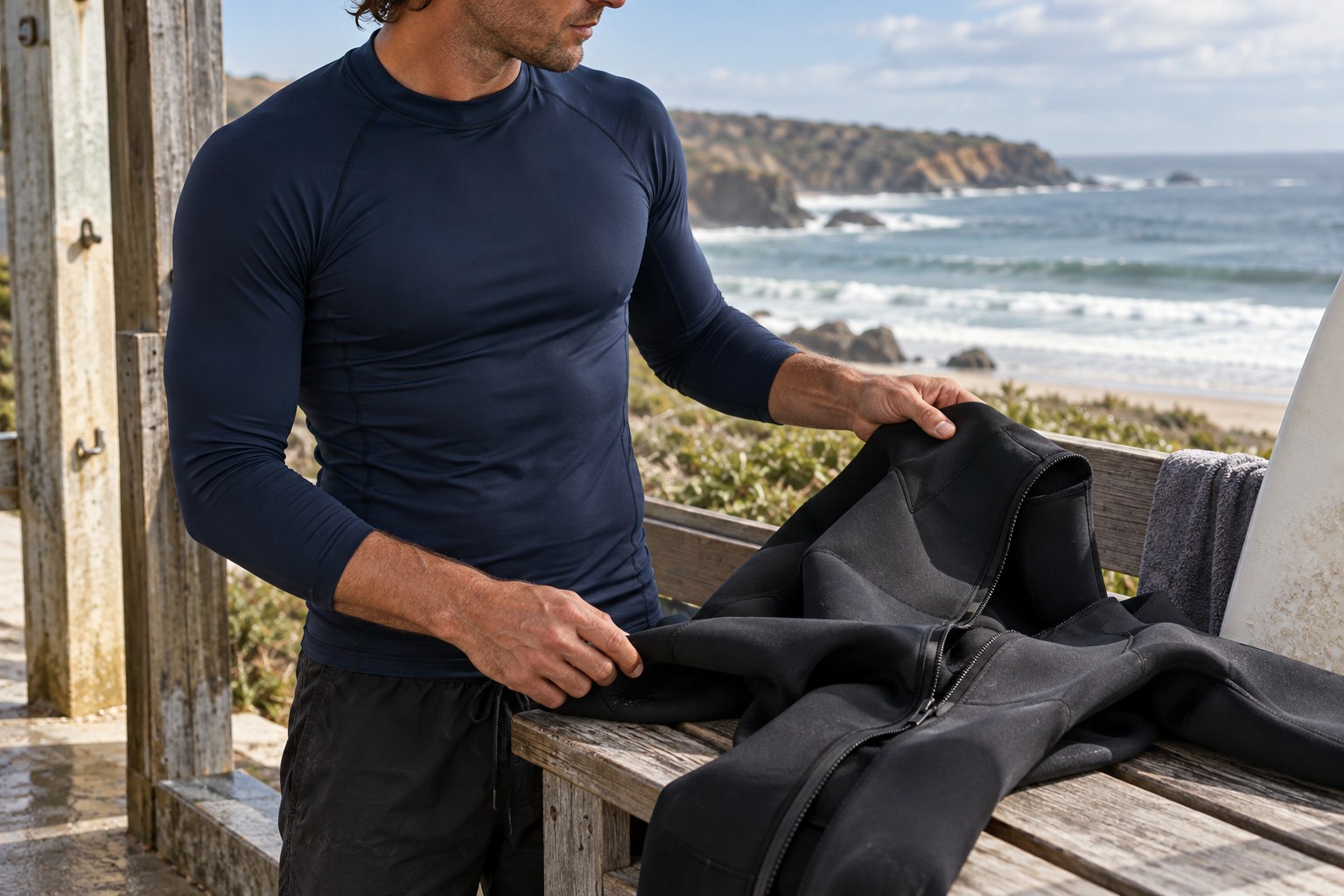
Check whether an extra layer is appropriate for your wetsuit, then assess the combination for folds, pressure and restricted movement.
Wetsuits & clothing
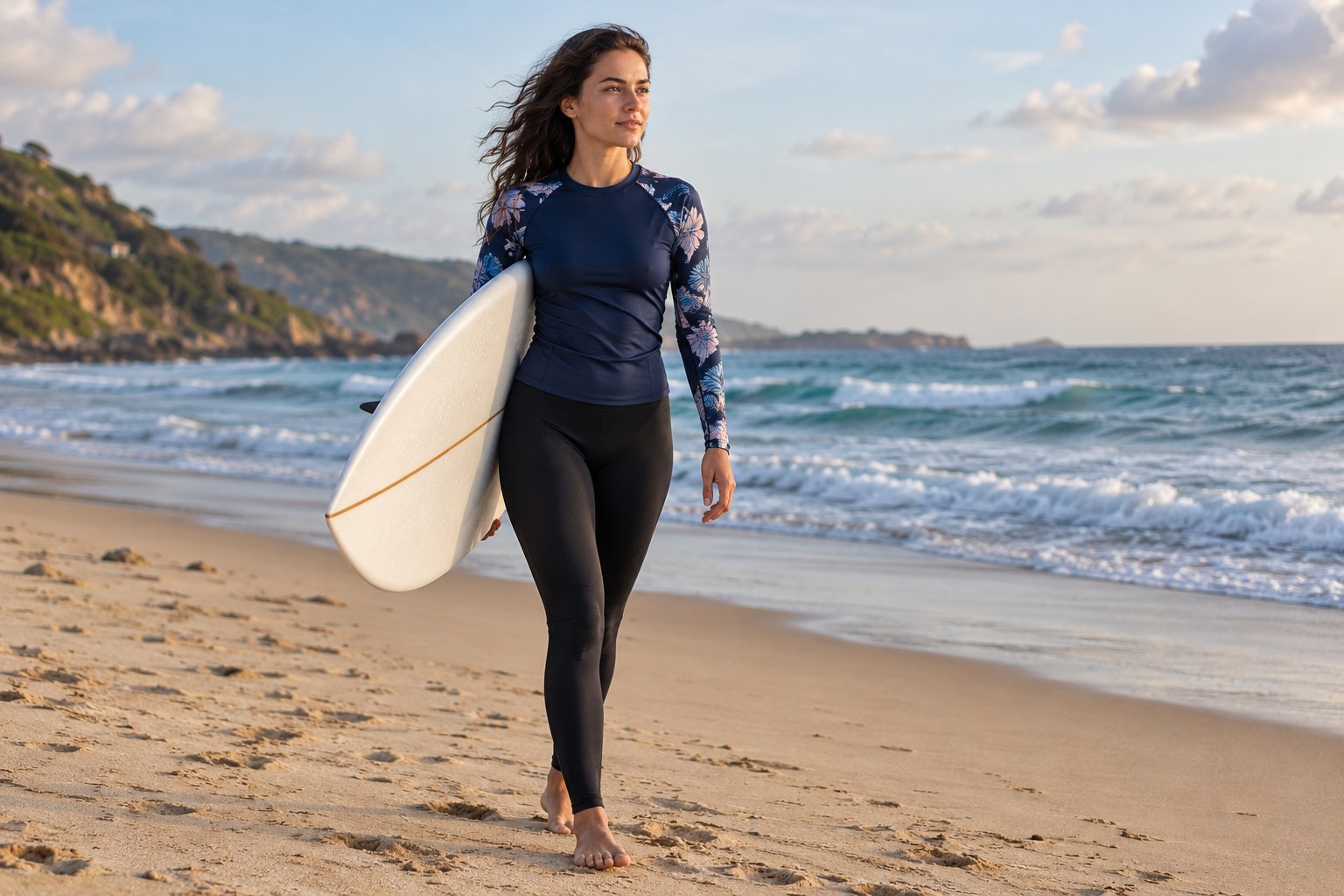
Choose leggings intended for water use and check the waistband, seams and ankle length through the movements you will make during a lesson.

Wetsuits & clothing
A waistband that feels right standing up can behave differently while seated. Check boardshorts through bending, sitting and reaching before choosing them for a lesson.

Wetsuits & clothing
Prioritise secure fit and comfortable movement, then confirm what the surf school recommends under its supplied equipment.
Wetsuits & clothing
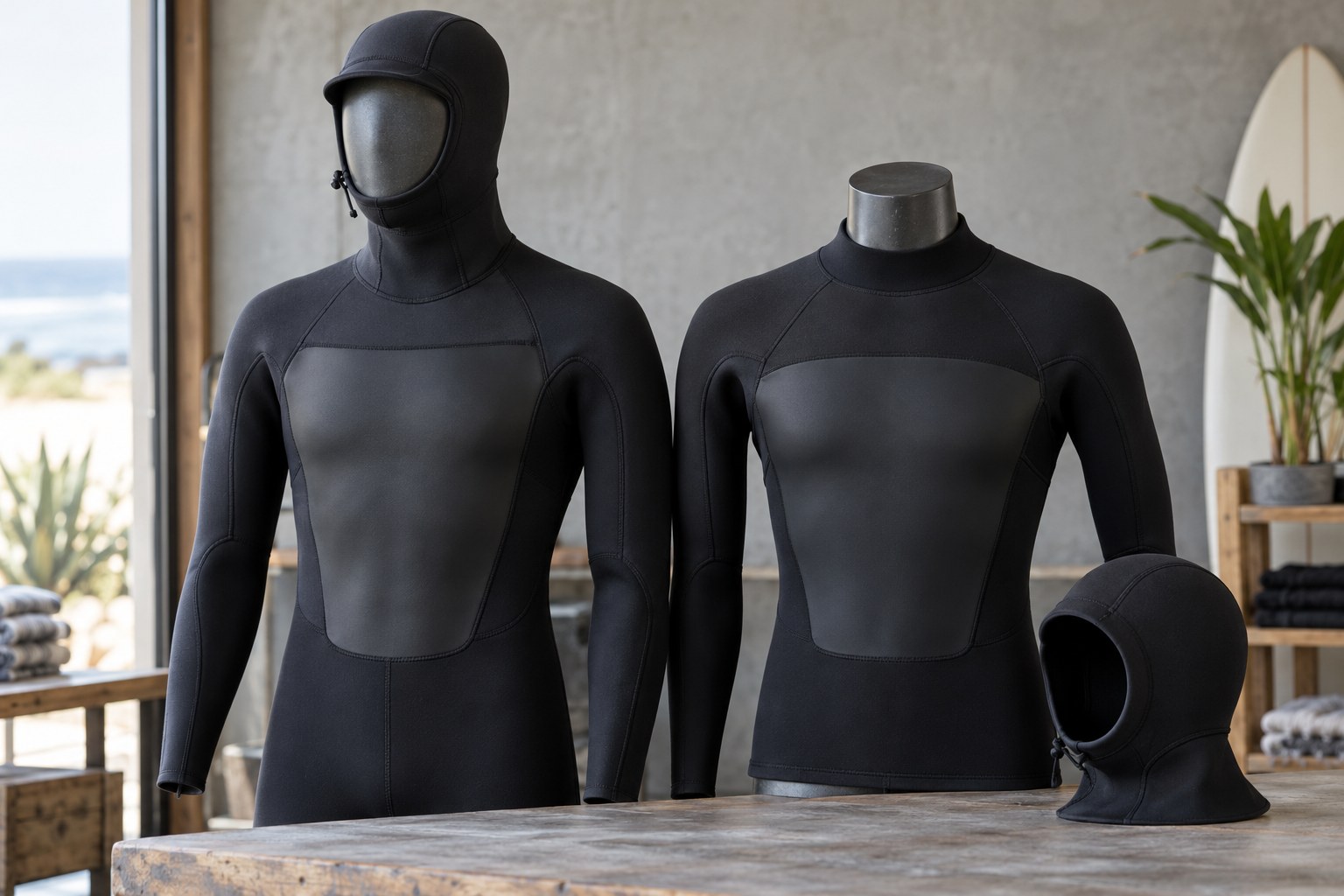
An attached hood and a separate hood create different fitting and packing questions. Check the neckline arrangement for the exact products before combining them.
Wetsuits & clothing
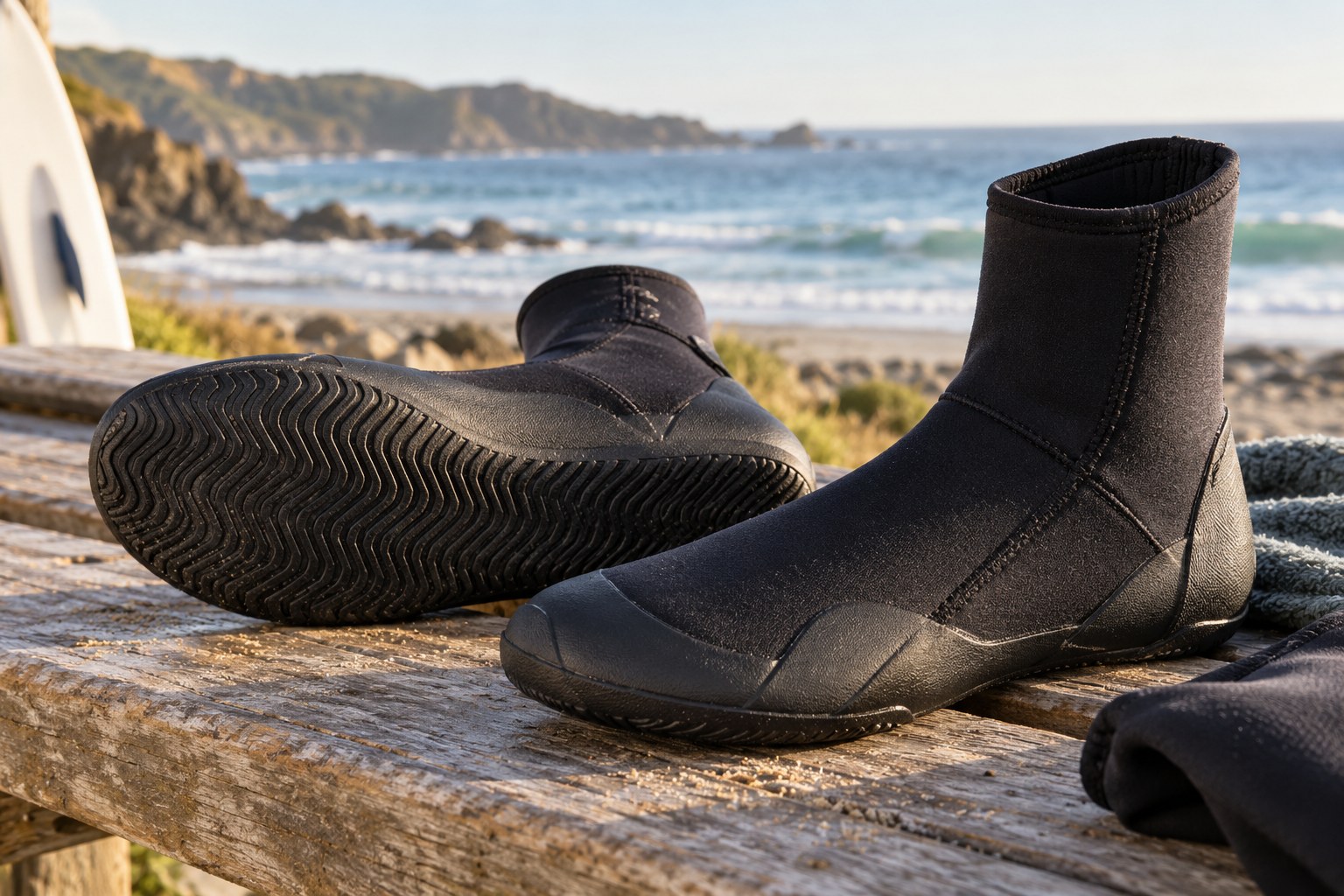
Assess surf boots by the maker's sizing, the shape around your foot and the intended use of the sole. Ordinary shoe size is only a starting point.
Wetsuits & clothing
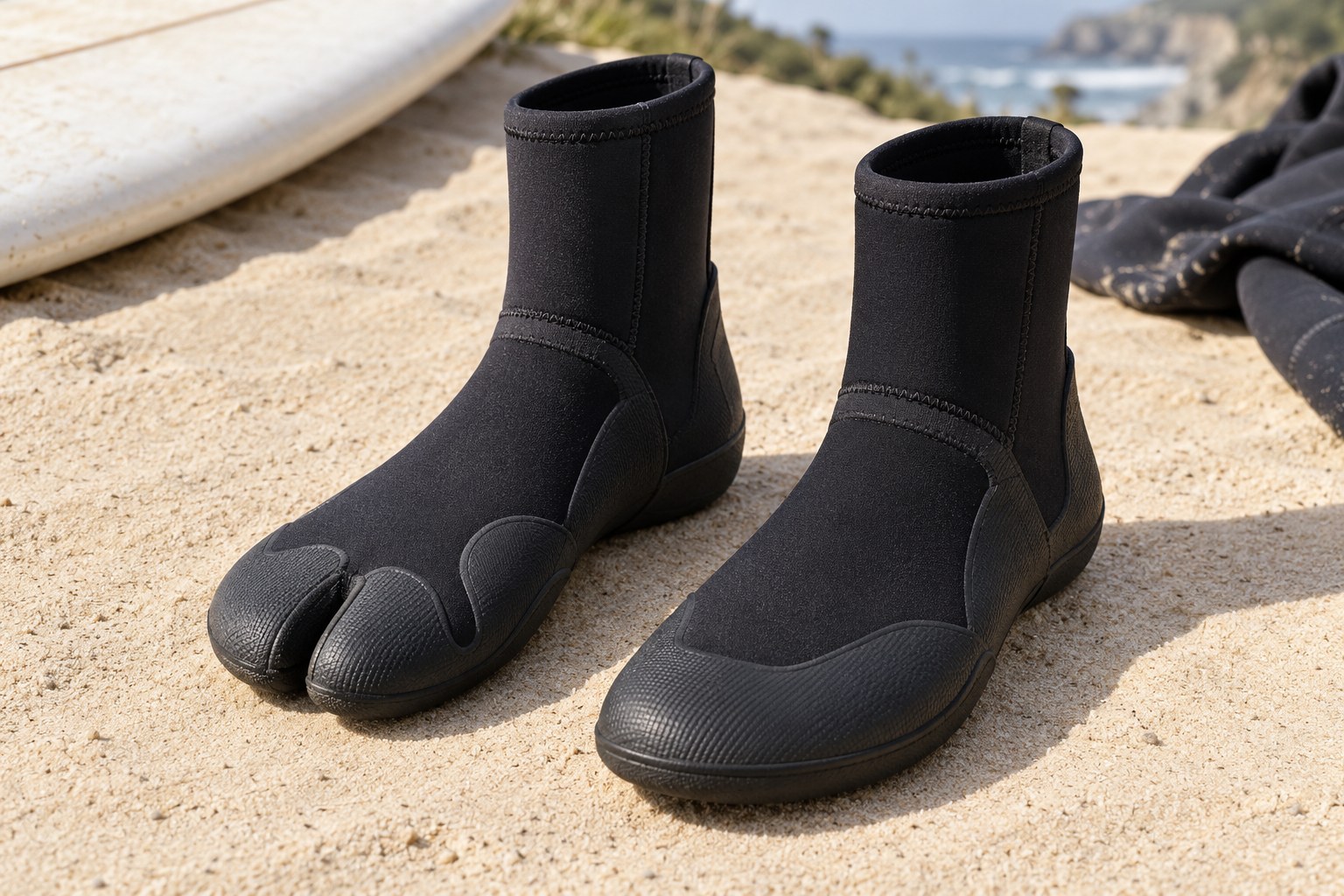
The toe arrangement changes how a boot fits, but the complete shape matters more than a simple preference for split or round.
Wetsuits & clothing
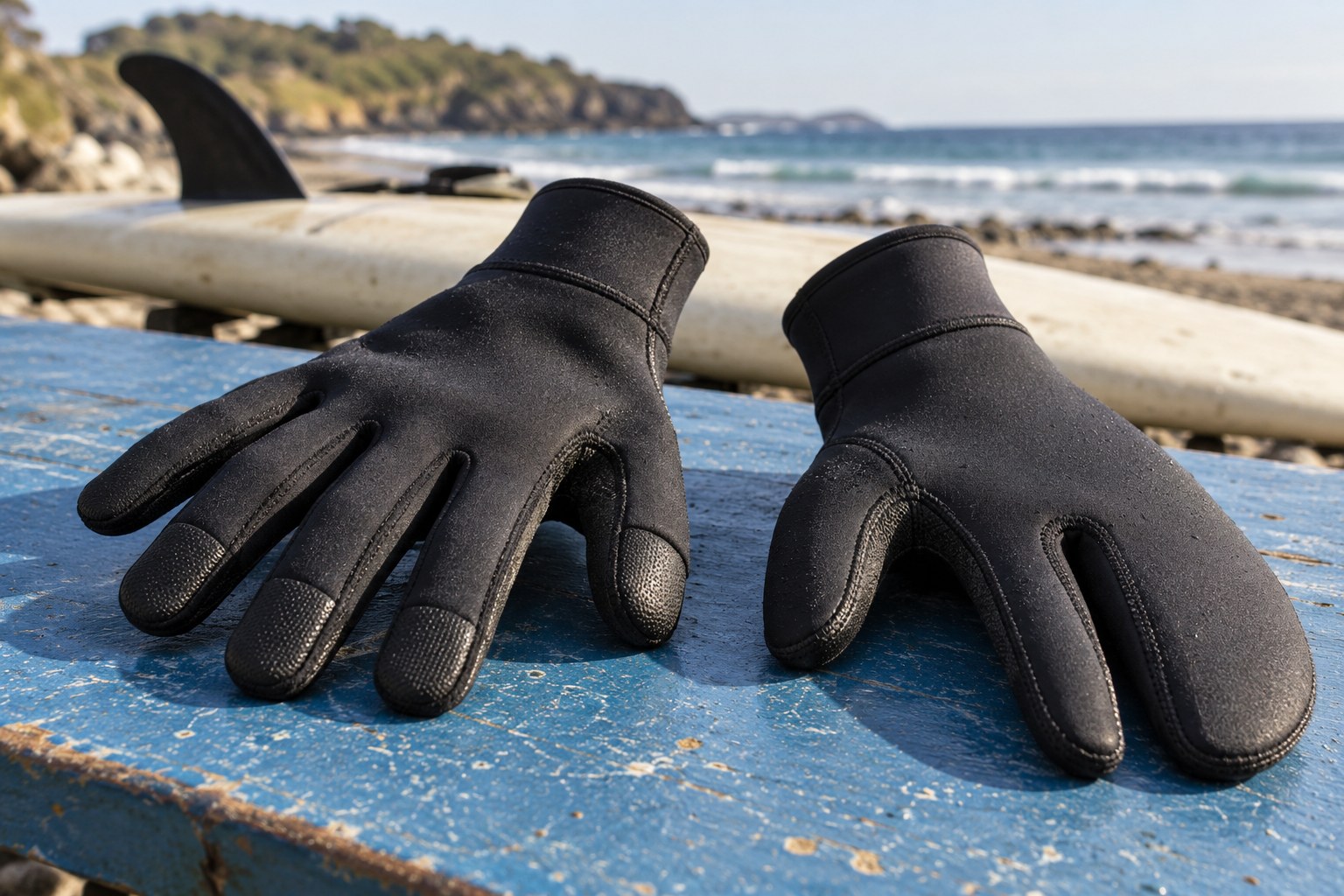
Finger layout affects small tasks as well as comfort. Try the intended gloves or mitts with your other equipment before deciding.
Wetsuits & clothing
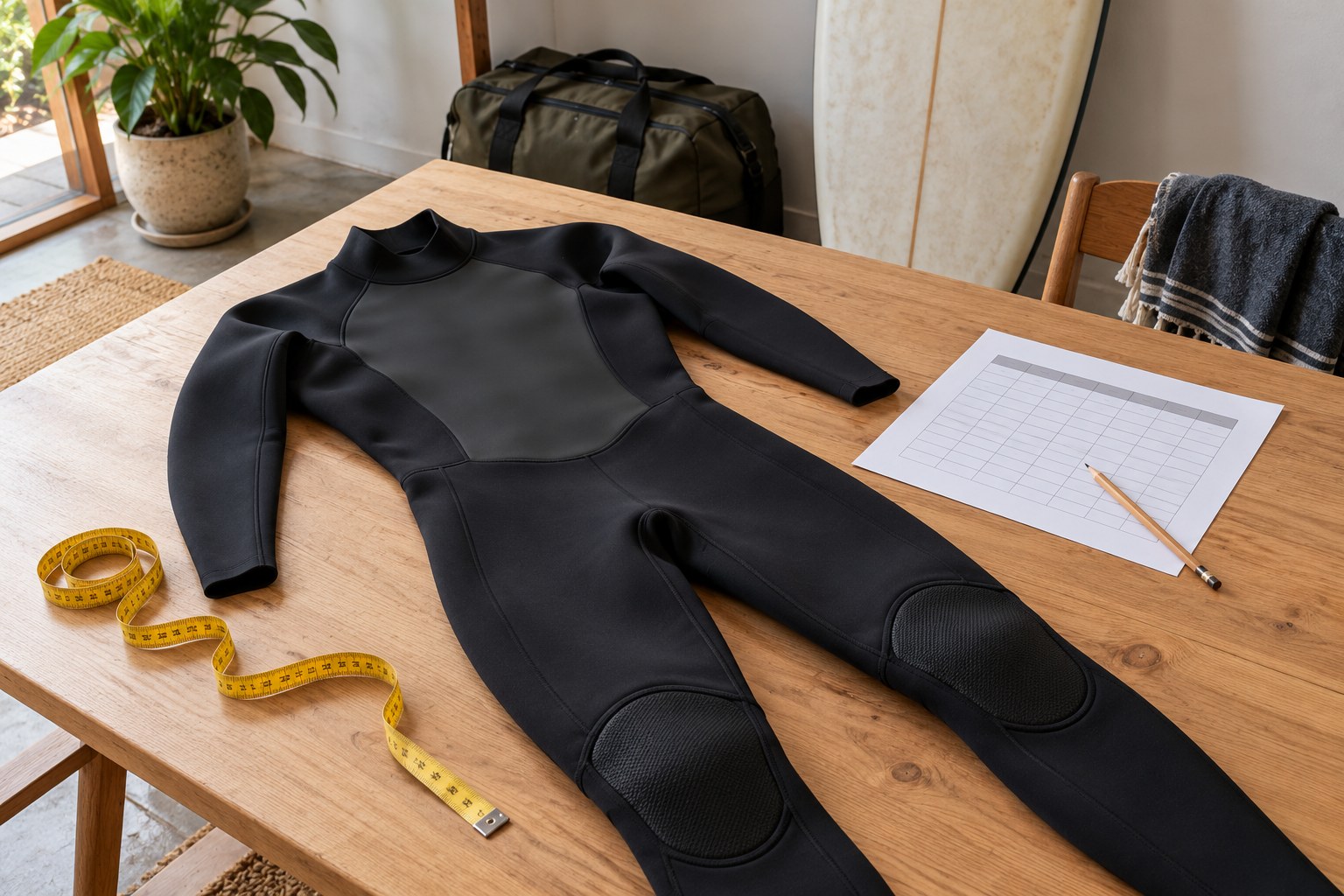
When height, chest and other measurements point to different rows, investigate the mismatch instead of averaging the sizes.

Wetsuits & clothing
Choose a changing robe around the changing location, the clothes you wear underneath and the space available in your travel kit.
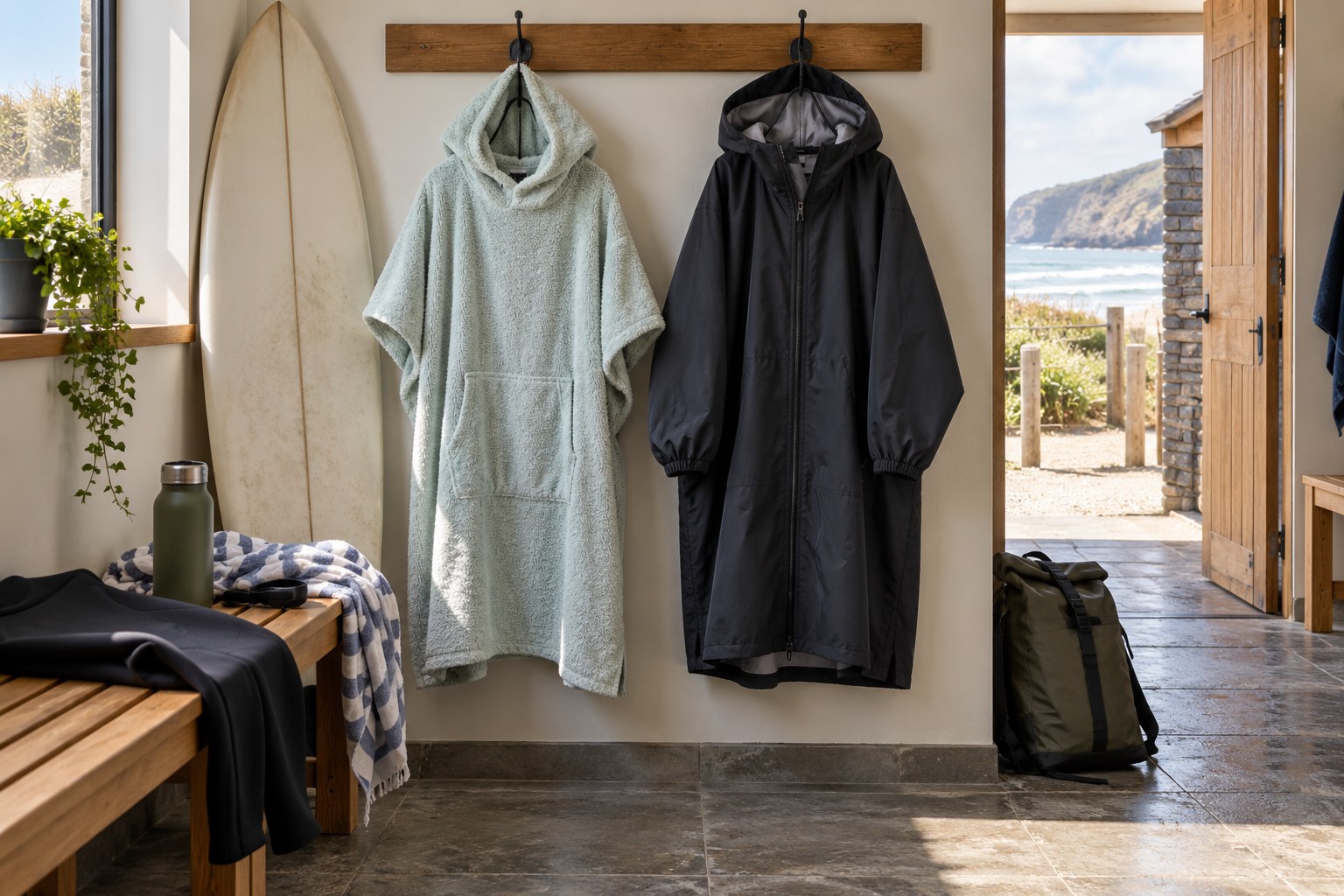
Wetsuits & clothing
Compare the absorbent changing layer with the outer garment you may need on shore. The two products overlap in use without being interchangeable.
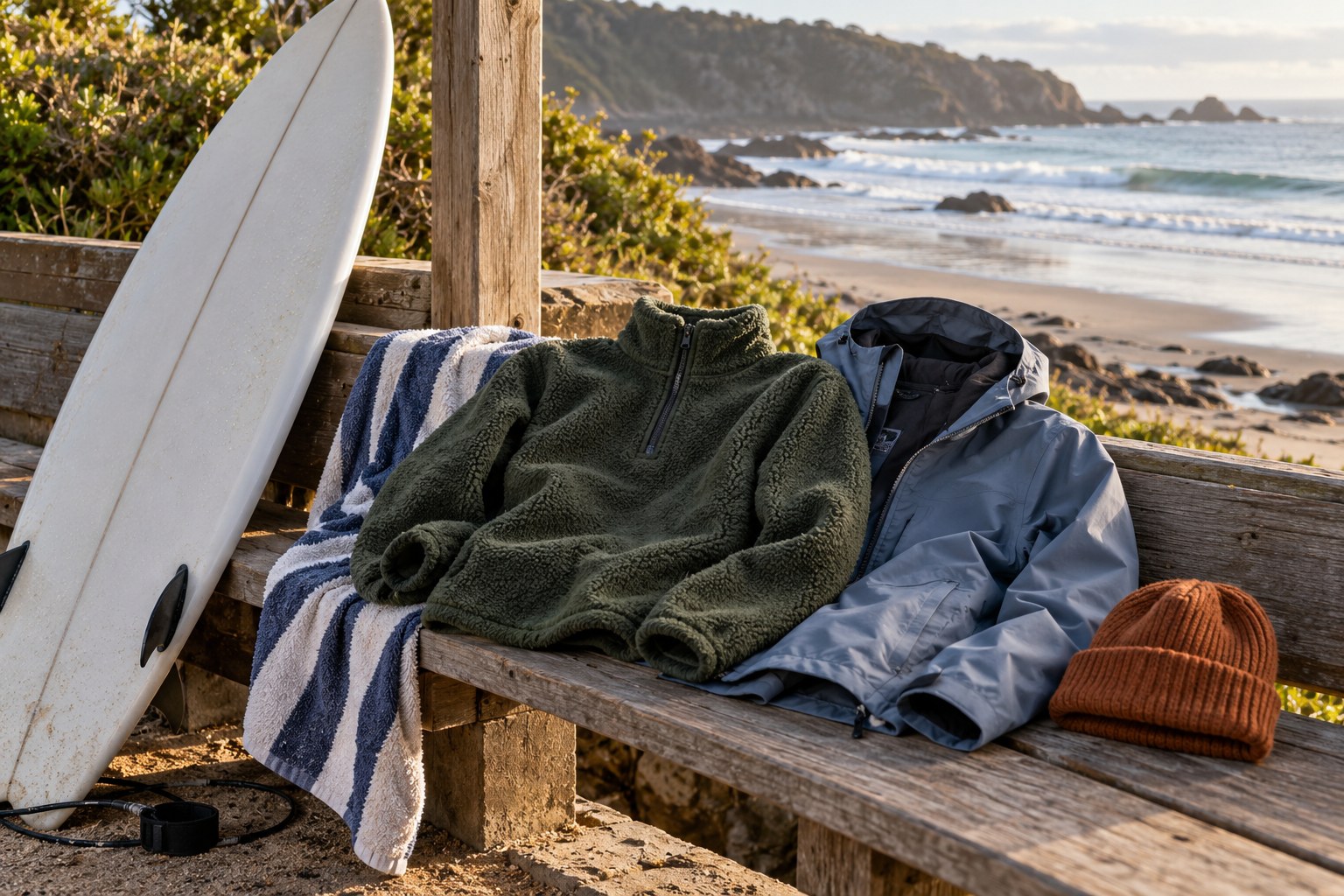
Wetsuits & clothing
Pack dry layers around the waiting place, the transport and the time between sessions. Keep them separate from wet equipment until you need them.
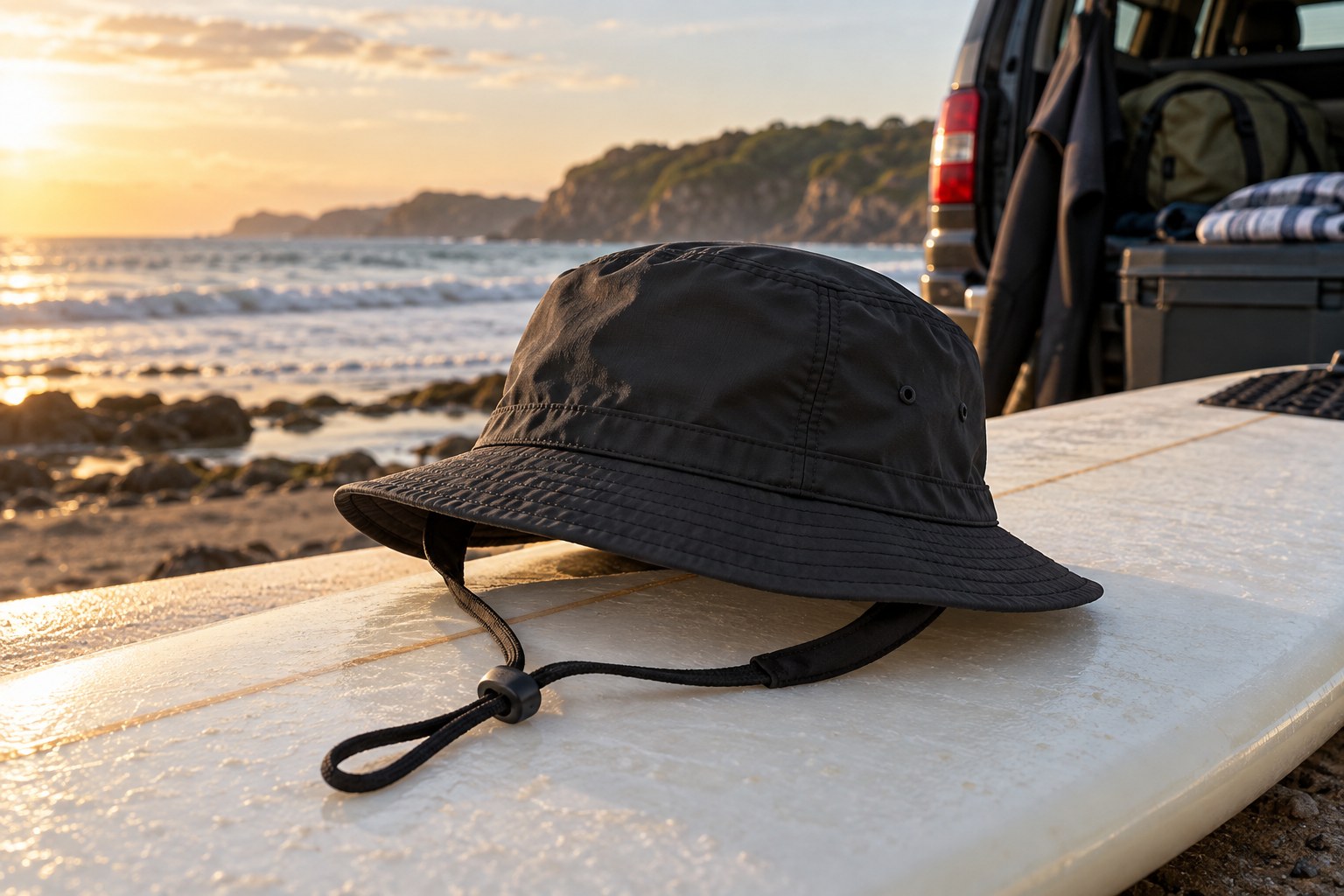
Wetsuits & clothing
Look at the hat's intended water use, retention arrangement and the way the brim affects your view. An ordinary beach hat may be a different product.
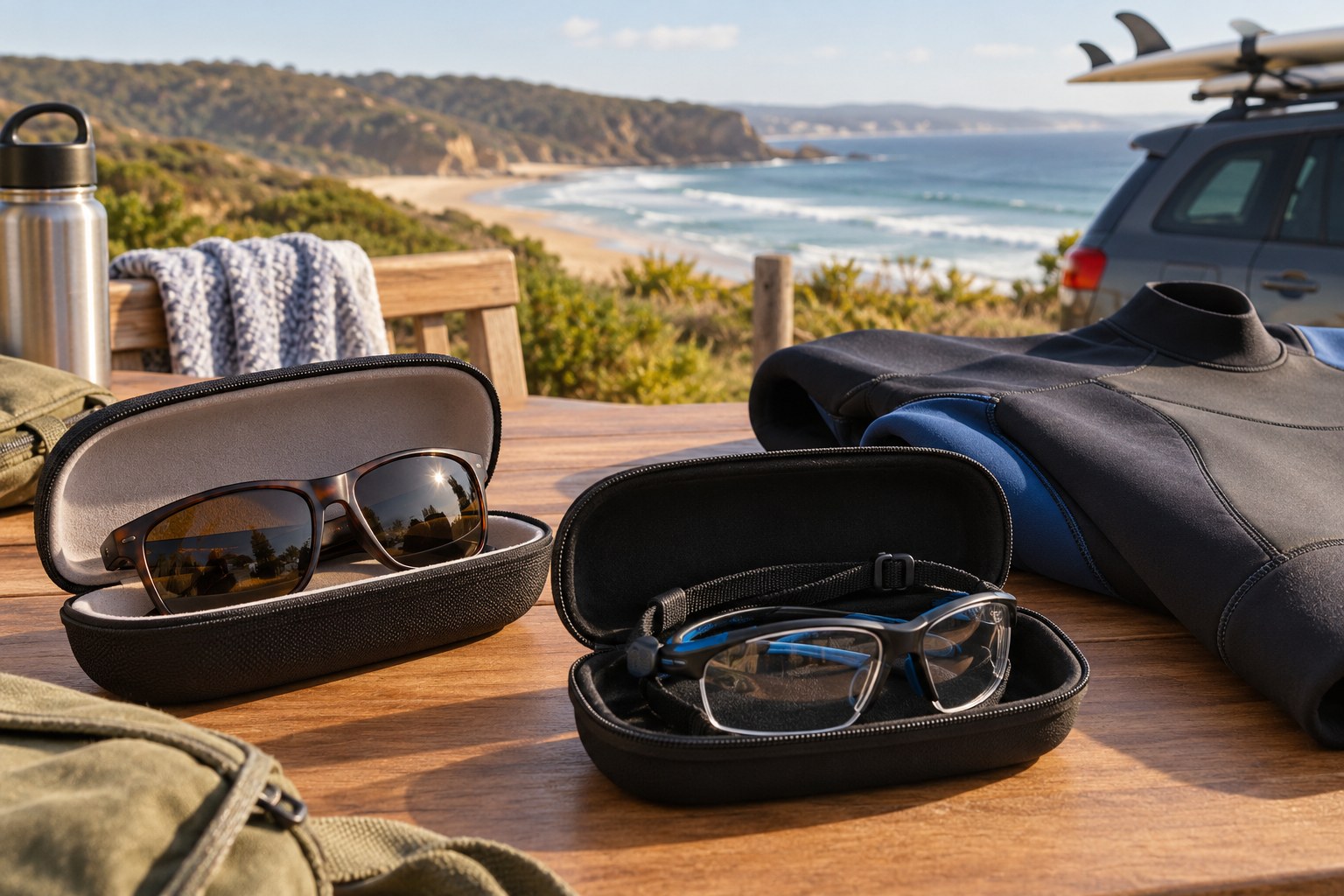
Wetsuits & clothing
Separate the need to see clearly in the water from choosing sunglasses for time on shore. Discuss prescription and water-use requirements with qualified providers.
Wetsuits & clothing
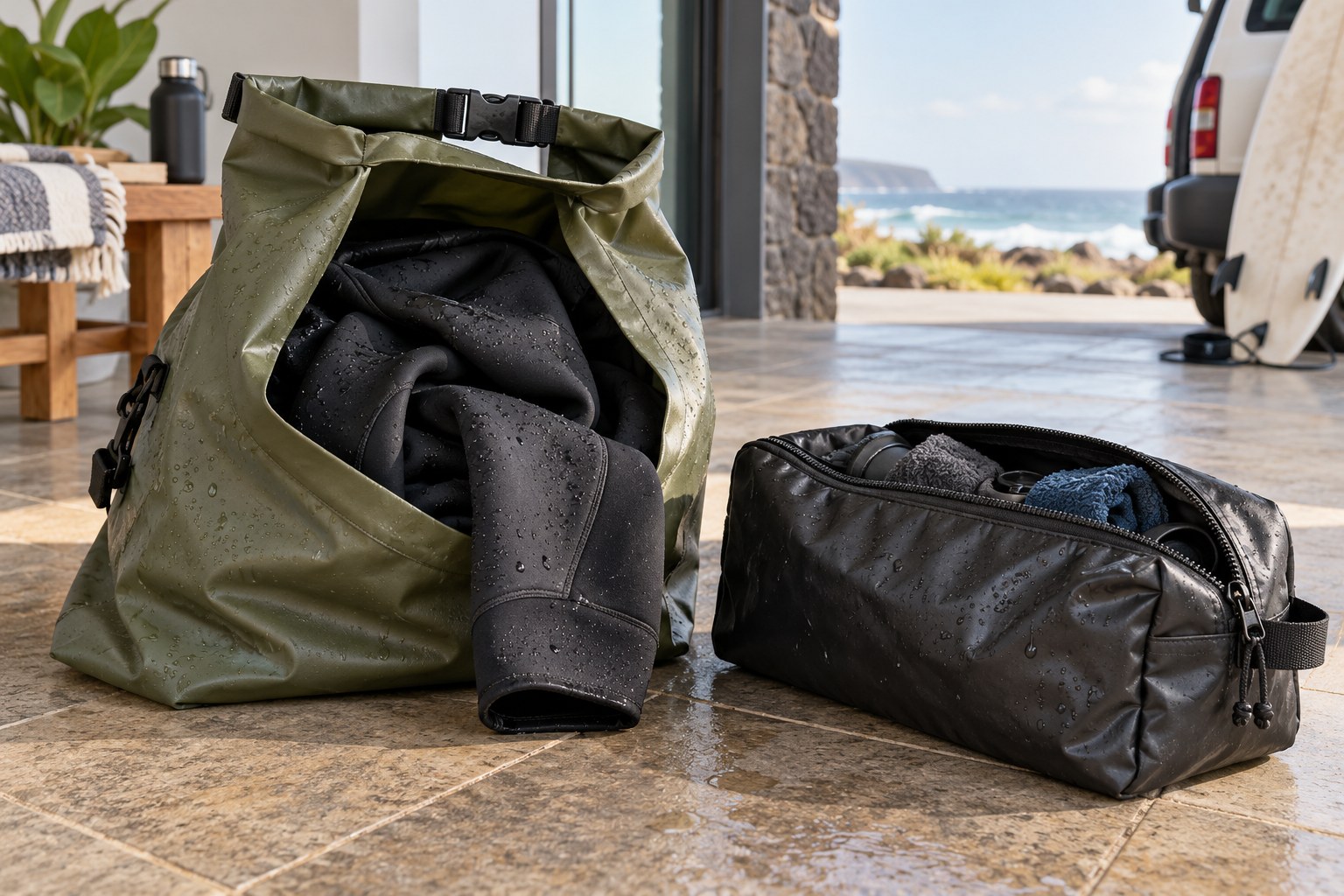
Compare capacity, opening shape and the manufacturer's water-resistance claim. A bag for damp kit is not automatically a waterproof case for valuables.
Wetsuits & clothing
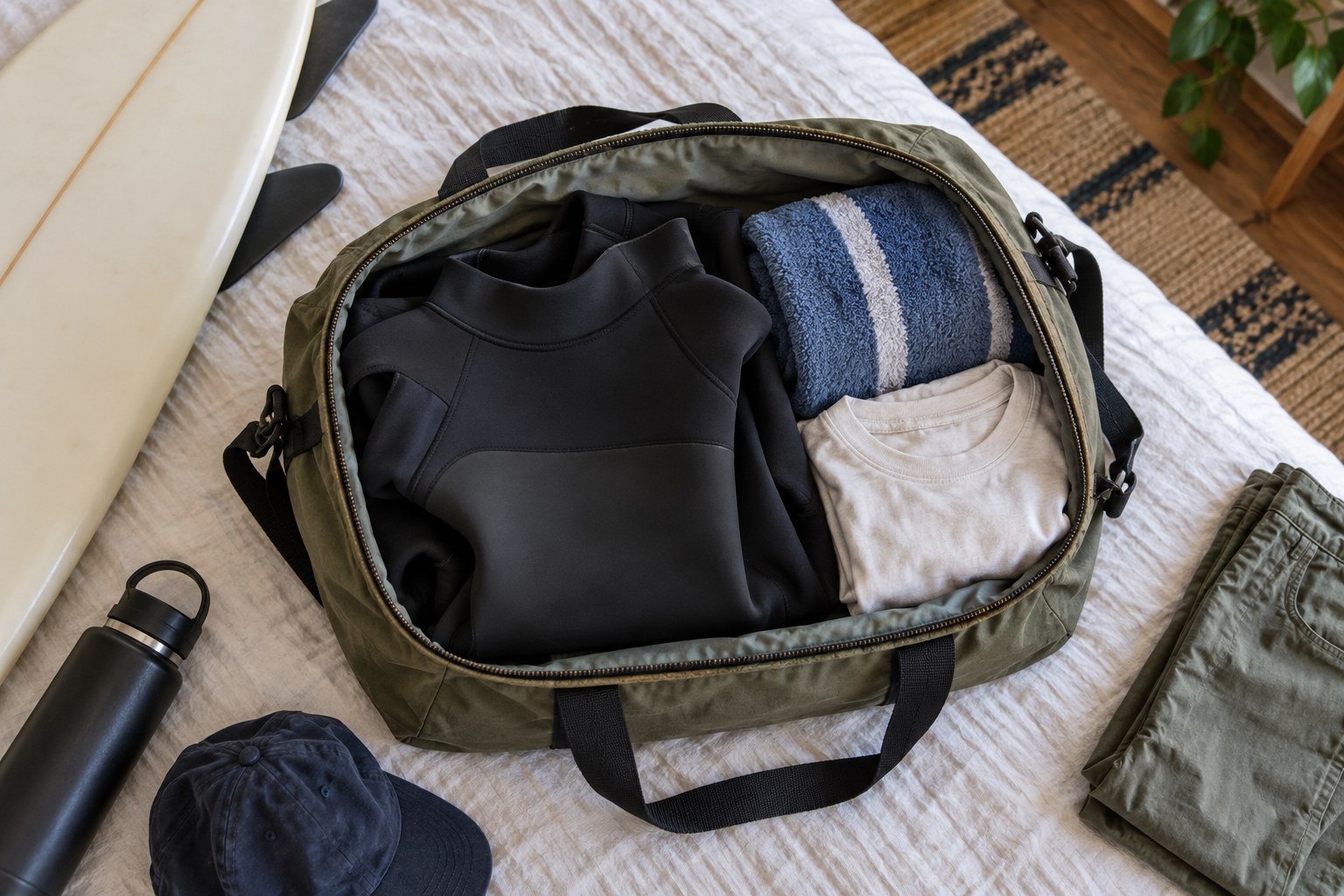
Reserve space for the suit before filling the bag with optional clothing, and use the maker's packing guidance rather than forcing it into a tight bundle.
Wetsuits & clothing
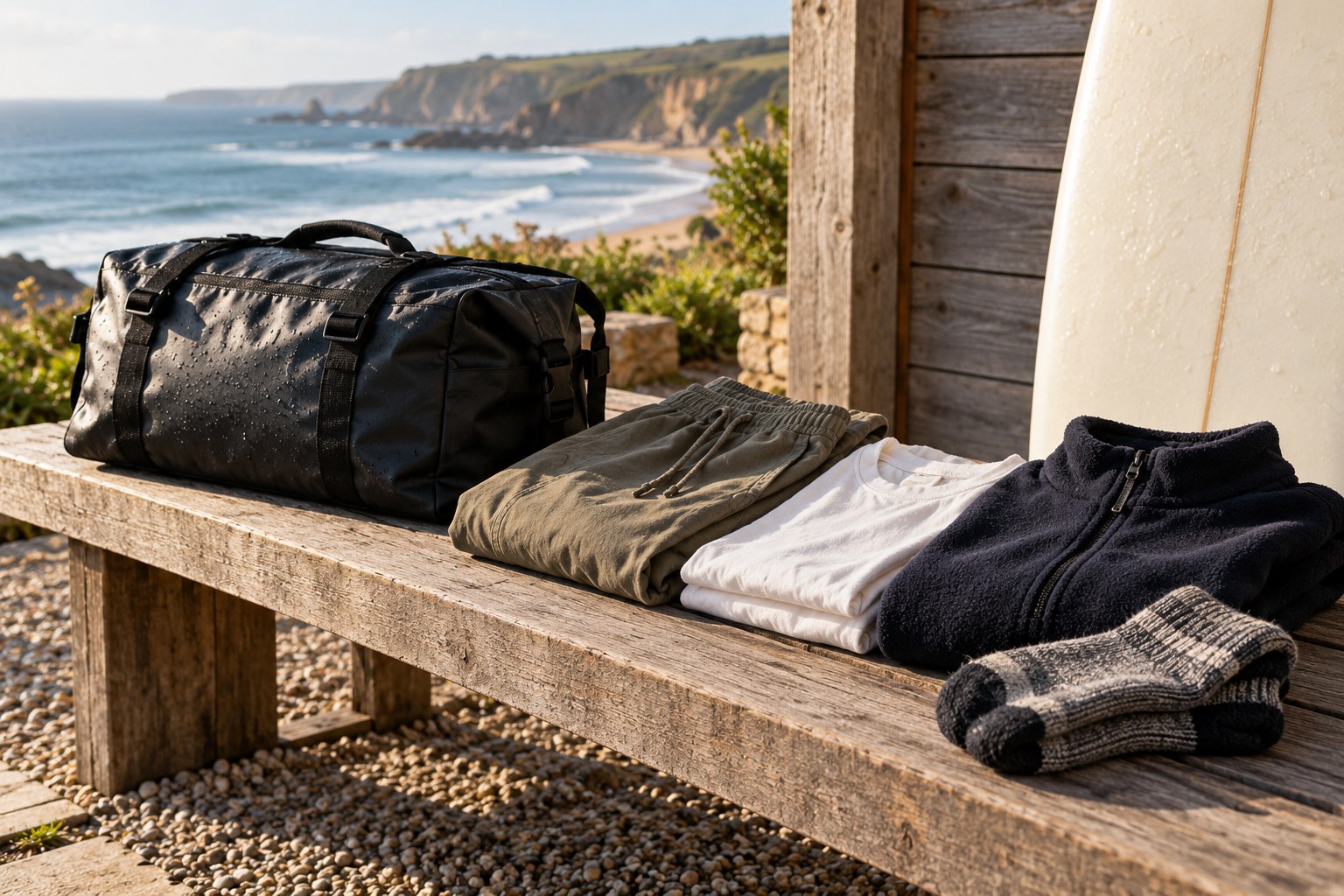
Pack the homeward outfit as a complete dry set, including the small items that are easy to forget after a wet lesson.
Wetsuits & clothing
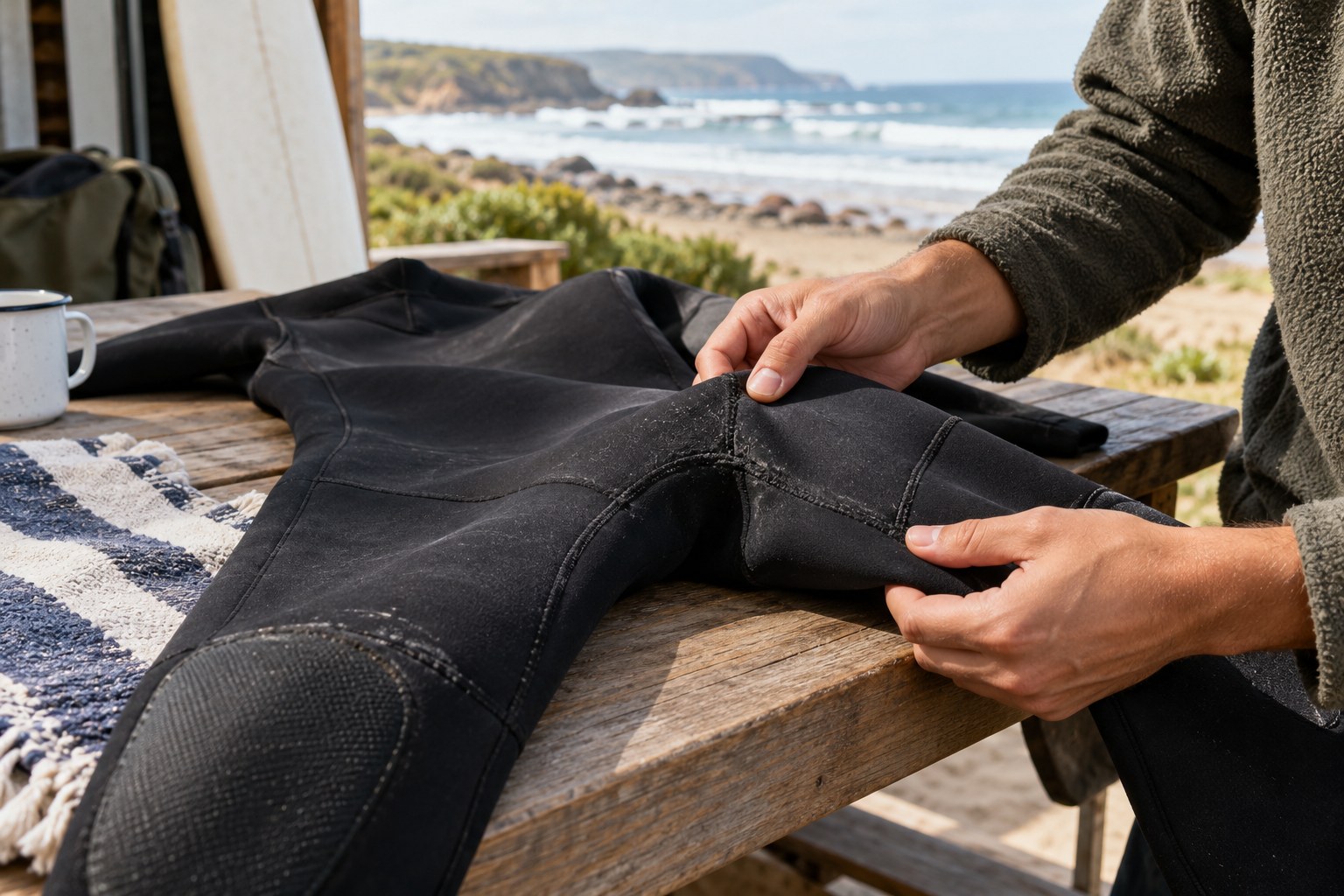
Assess a used wetsuit as a specific garment with an unknown history. Fit, visible condition and repair questions matter more than the original retail price.
Surf travel
Read a sample day as a sequence of travel, instruction, meals and rest. The advertised number of lessons does not describe the whole holiday.

Surf travel
Compare the room you will actually book, the shared facilities and the distance to the camp's meeting point rather than relying on a few attractive photographs.
Surf travel
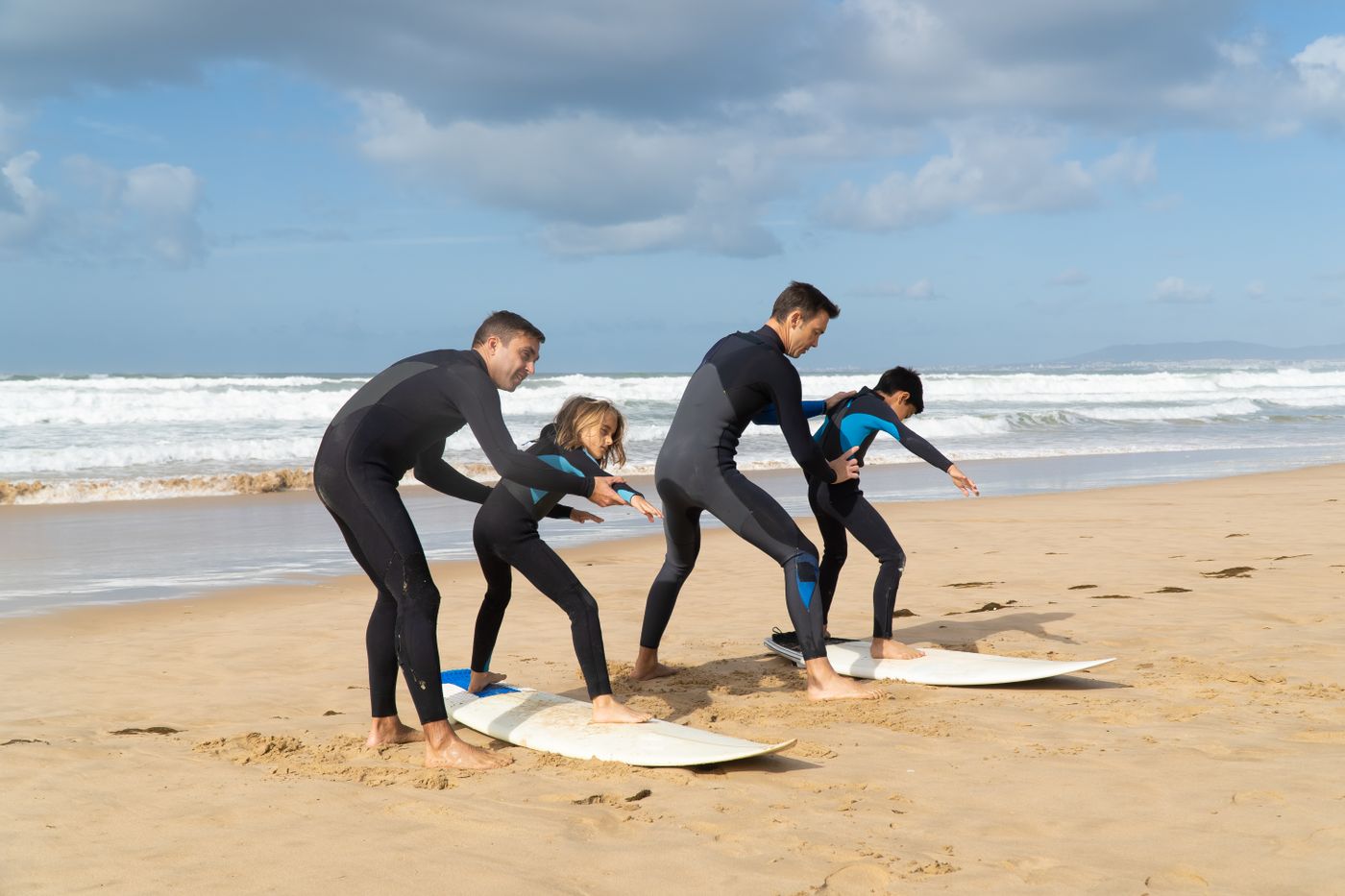
Ask how the camp identifies experience, assigns instructors and adjusts groups. A label such as beginner or intermediate needs a more concrete explanation.

Surf travel
Read cancellation terms by scenario and deadline. Separate a change you request from a session the operator cannot run, and save the terms before paying.
Surf travel
Build the budget from door to door, then separate fixed commitments from choices you can adjust during the trip.
Surf travel
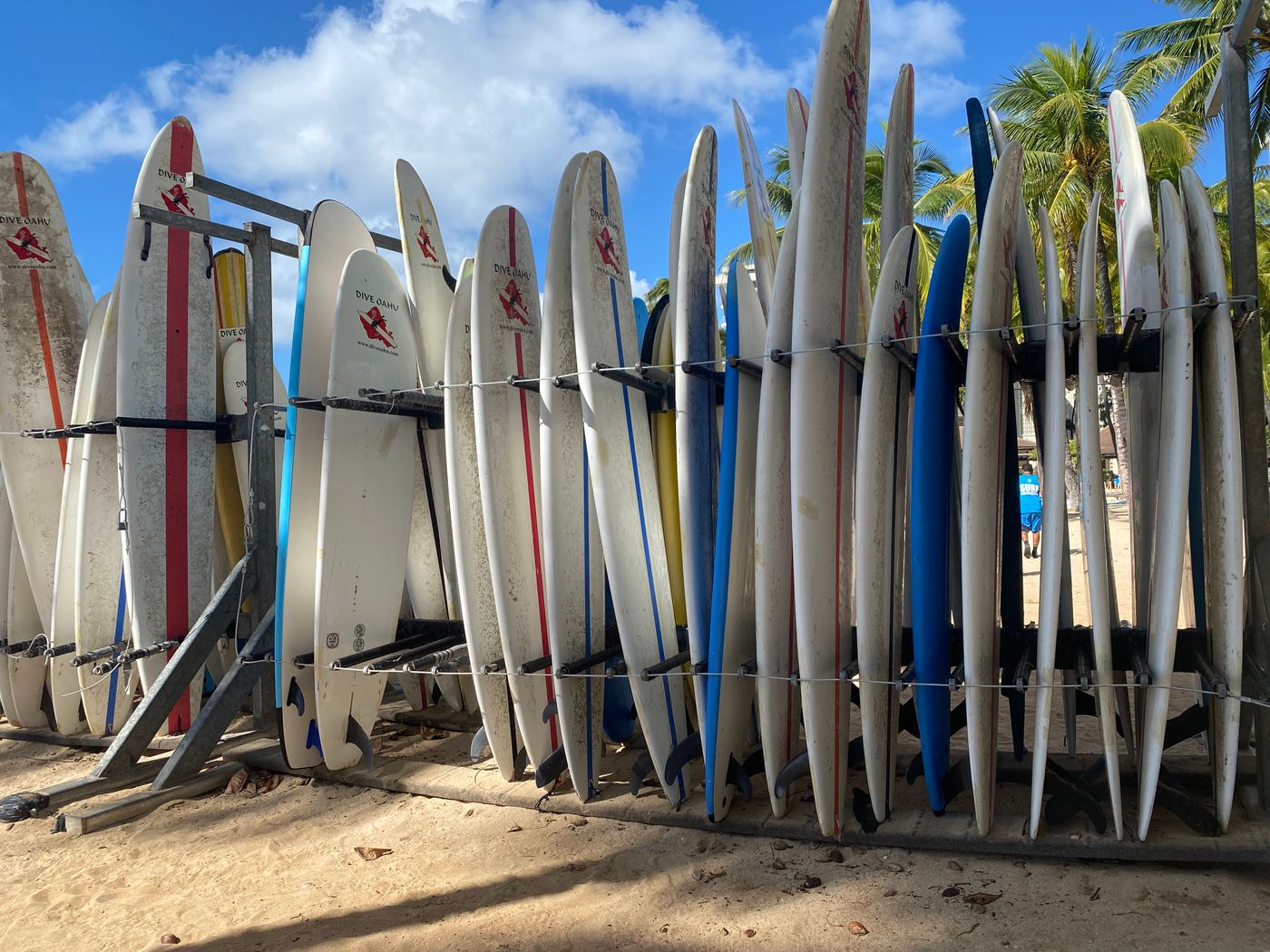
Confirm the rental board, wetsuit and collection arrangements before designing the rest of the trip around equipment you will not bring.

Surf travel
Treat a board bag as a separate planning problem: the operating airline, route and packed dimensions all belong in the same check.
Surf travel
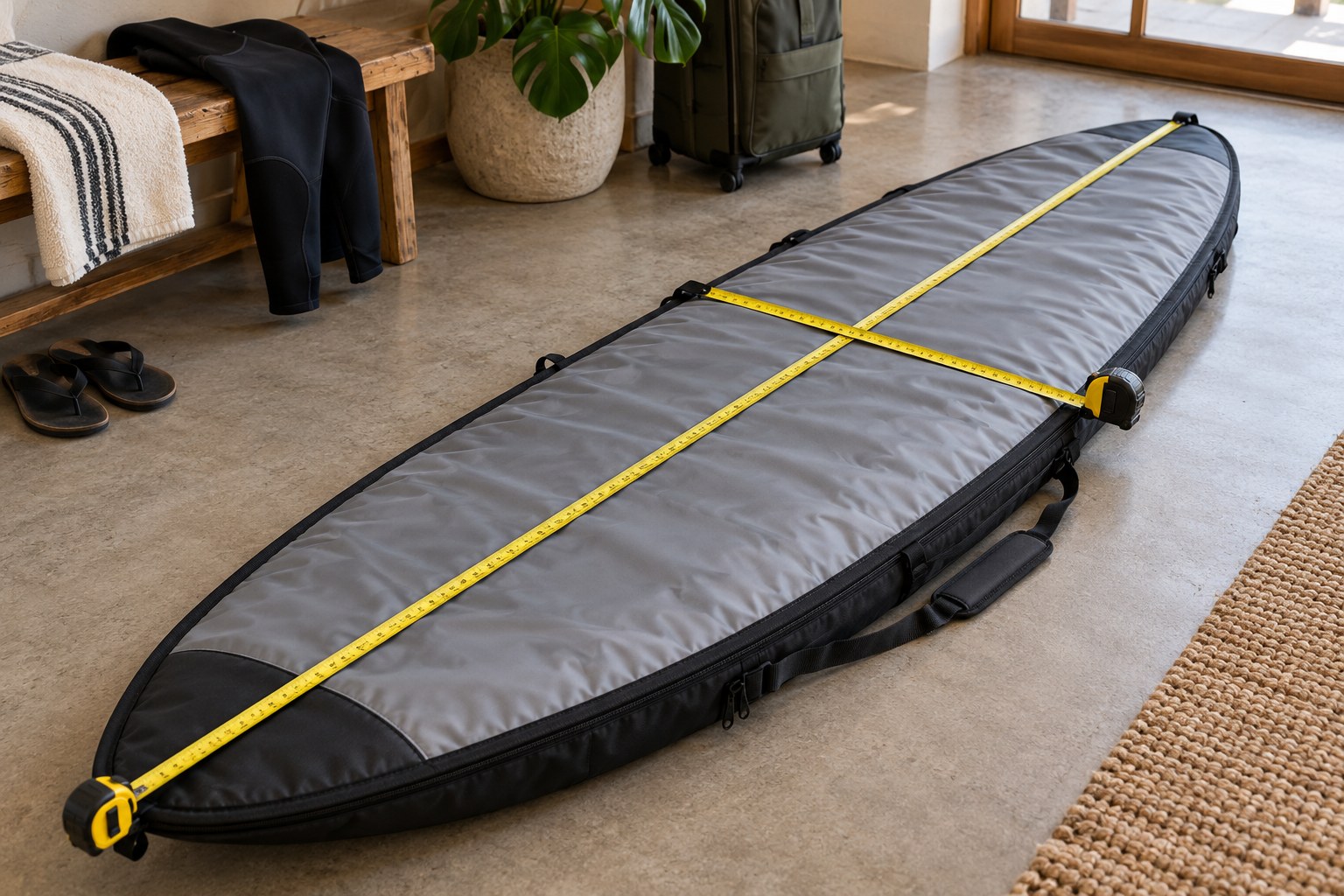
Measure the bag after packing, with its widest points and protruding parts included, rather than relying on the length printed on its label.
Surf travel
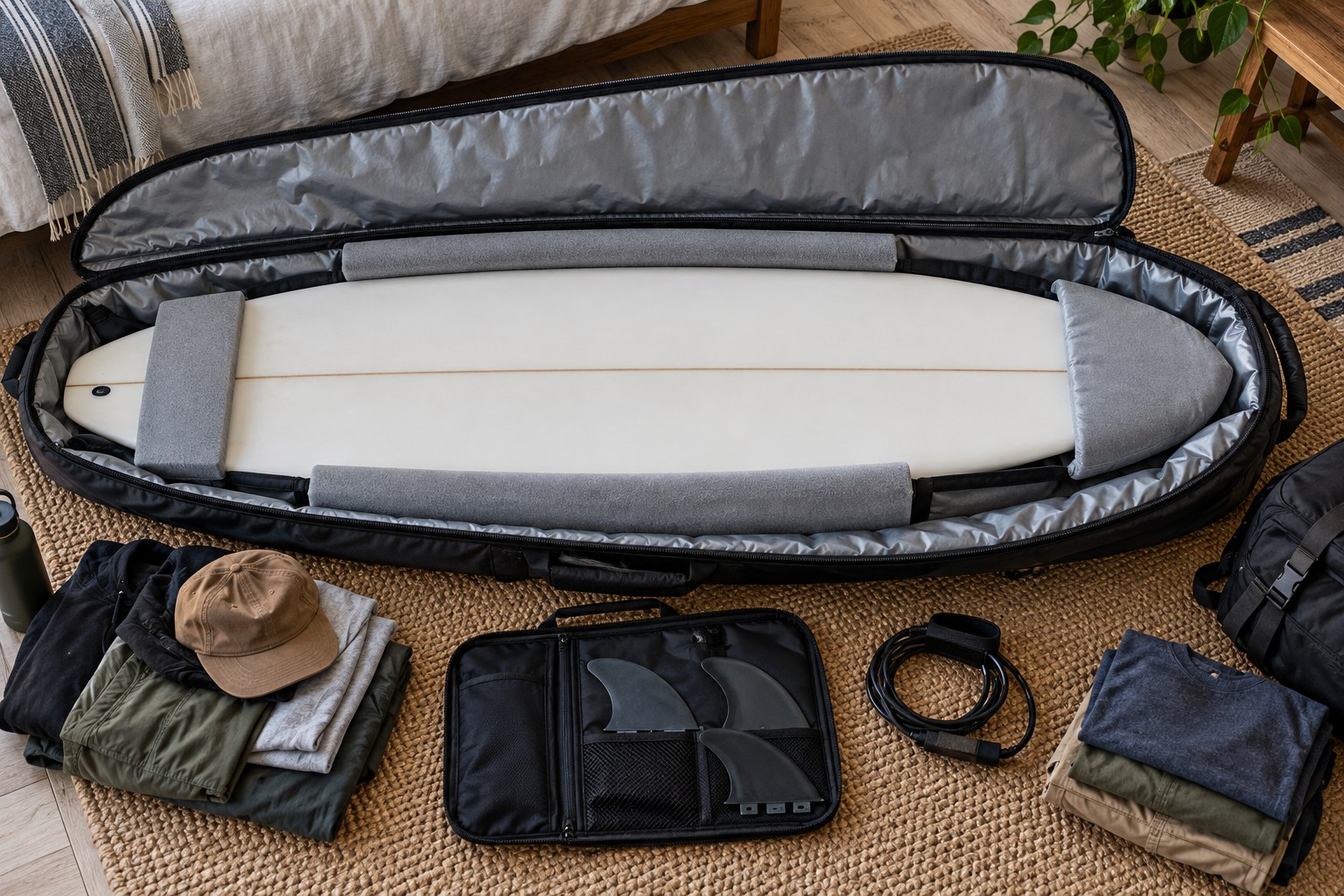
Match padding and packing choices to the board, bag and carrier instructions, with particular attention to the nose, tail and loose components.
Surf travel
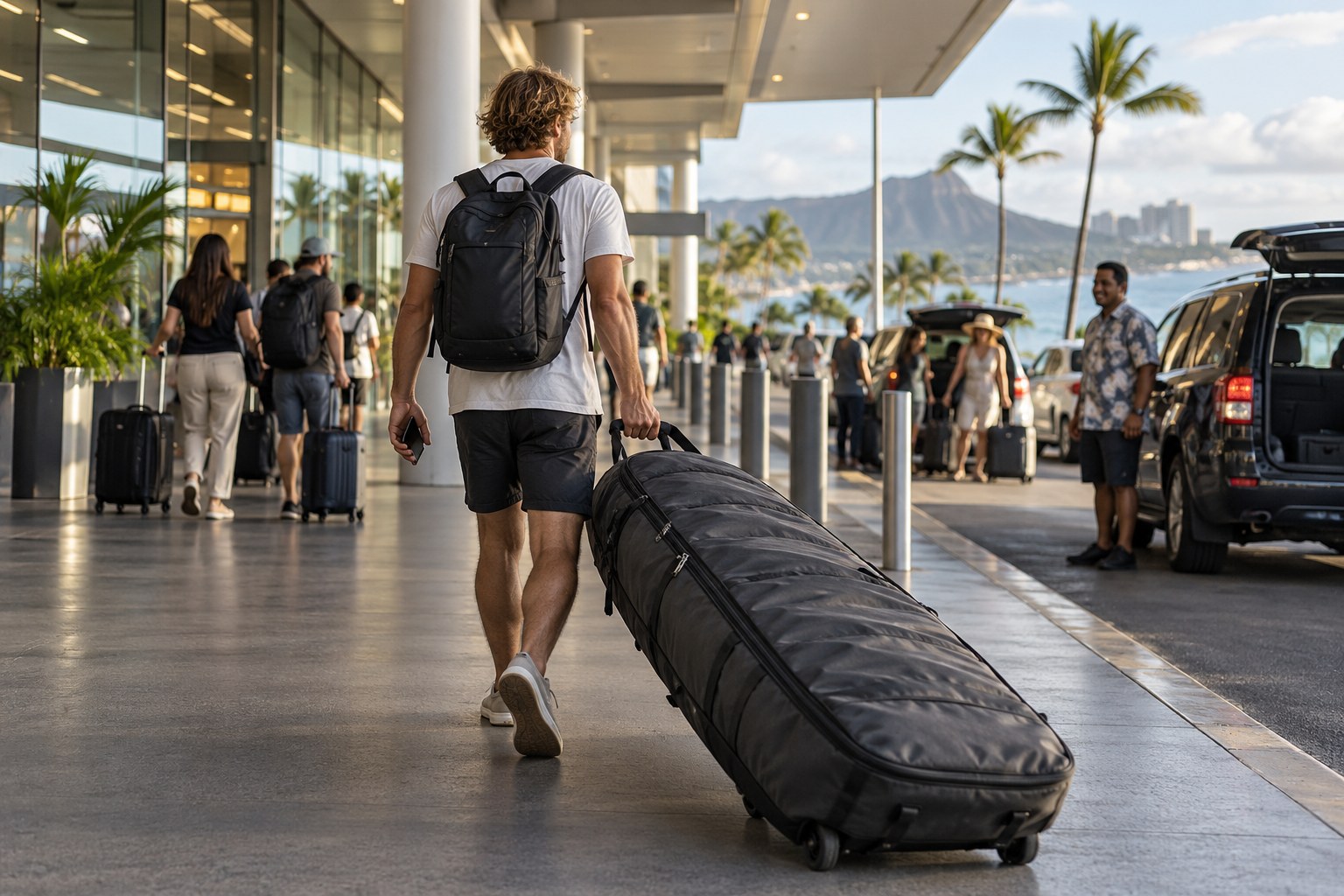
Work backwards from the accommodation door: the final transfer, check-in and board storage often determine how manageable arrival feels.
Surf travel
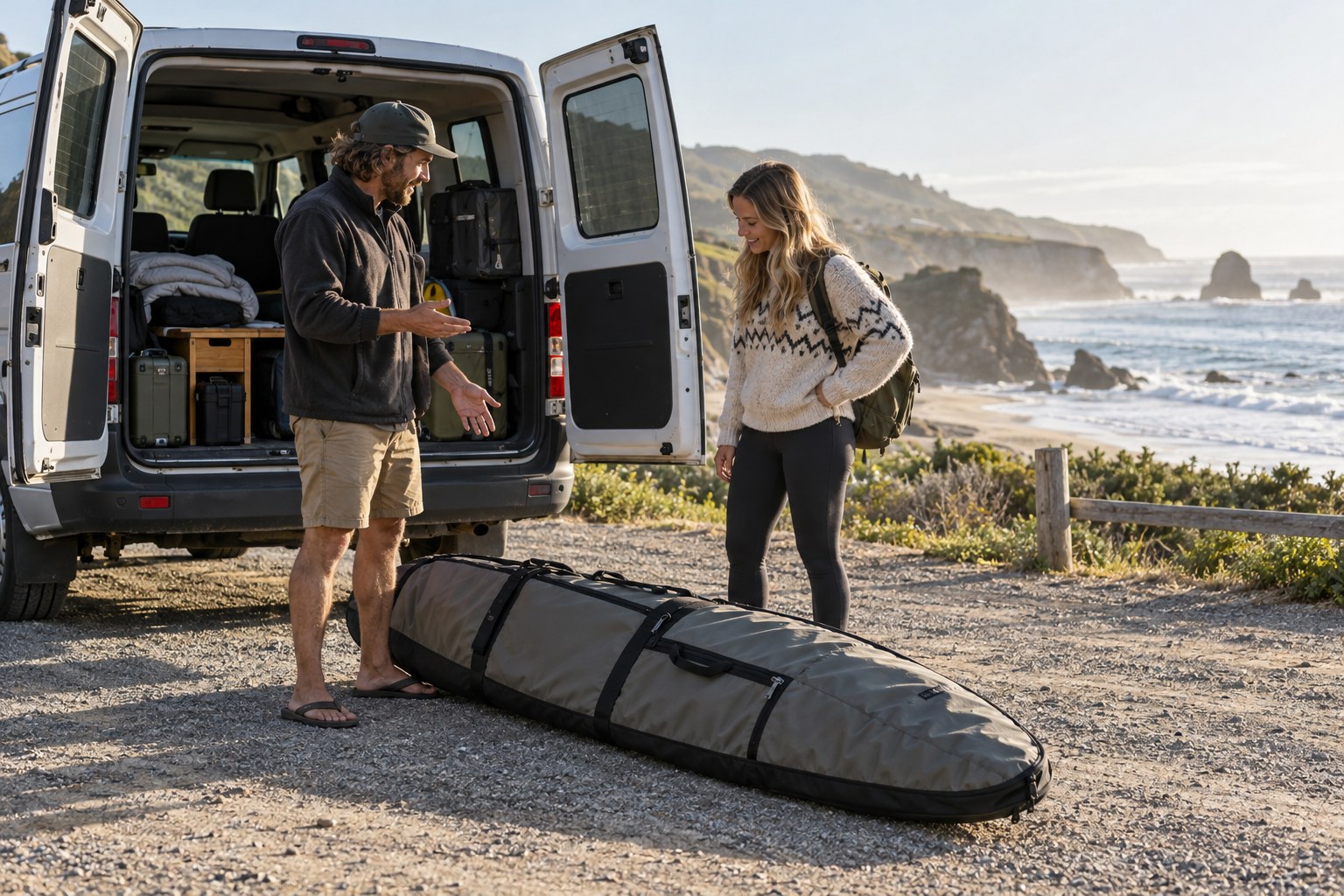
Compare usable space and approved carrying arrangements, rather than assuming a vehicle category will accommodate a particular surfboard.
Surf travel
Send dimensions, passenger numbers and pickup details in one message so a transfer provider can confirm the vehicle it will actually send.
Surf travel
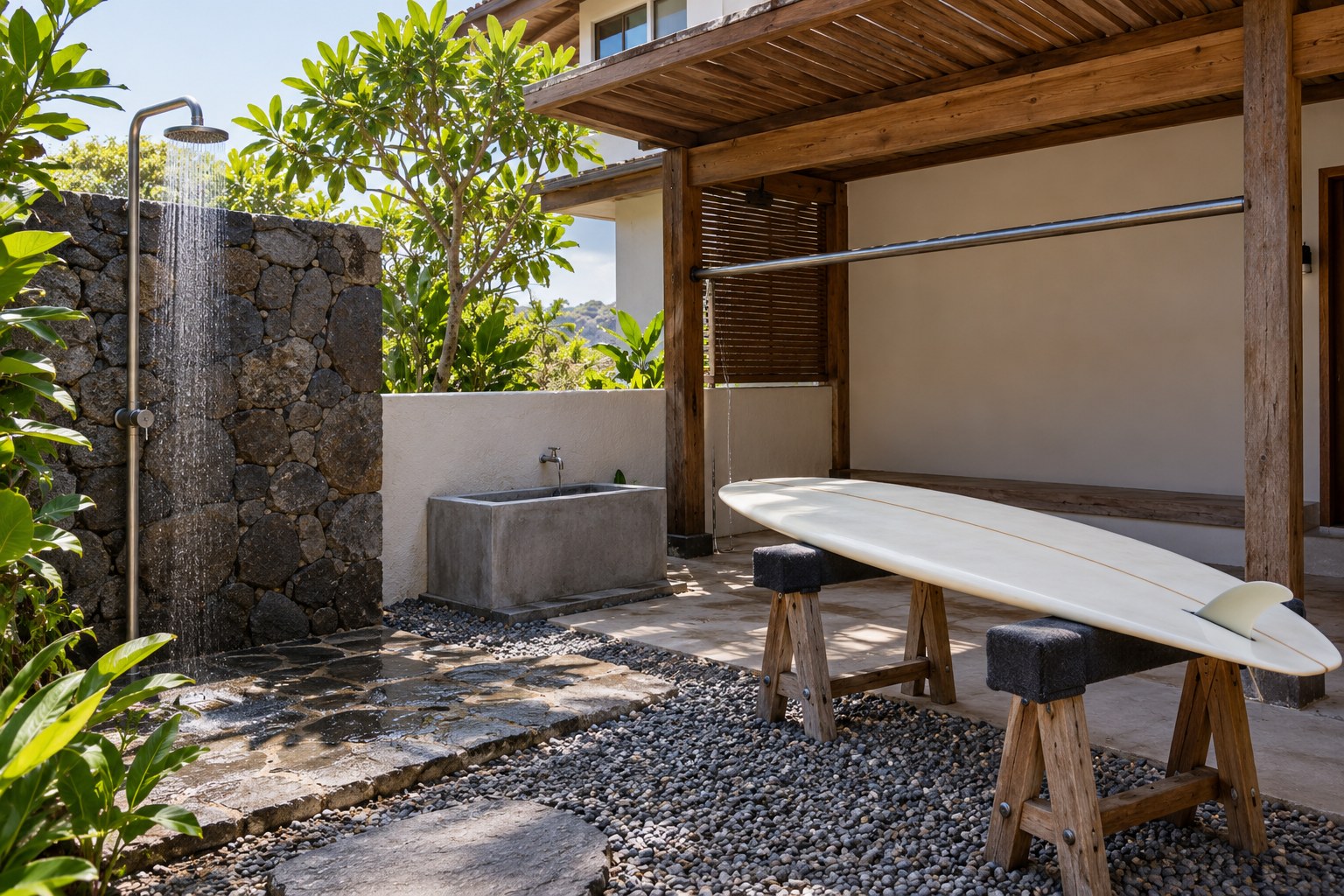
Look for an actual rinse point, a workable drying space and permission to use them; a photograph of a balcony does not answer all three questions.

Surf travel
Choose a base by the daily journeys and quiet time you want, not only by the distance from the sand shown on a map.

Surf travel
Build the holiday around verified routes and equipment rules, with a separate fallback for early starts and the journey home.
Surf travel
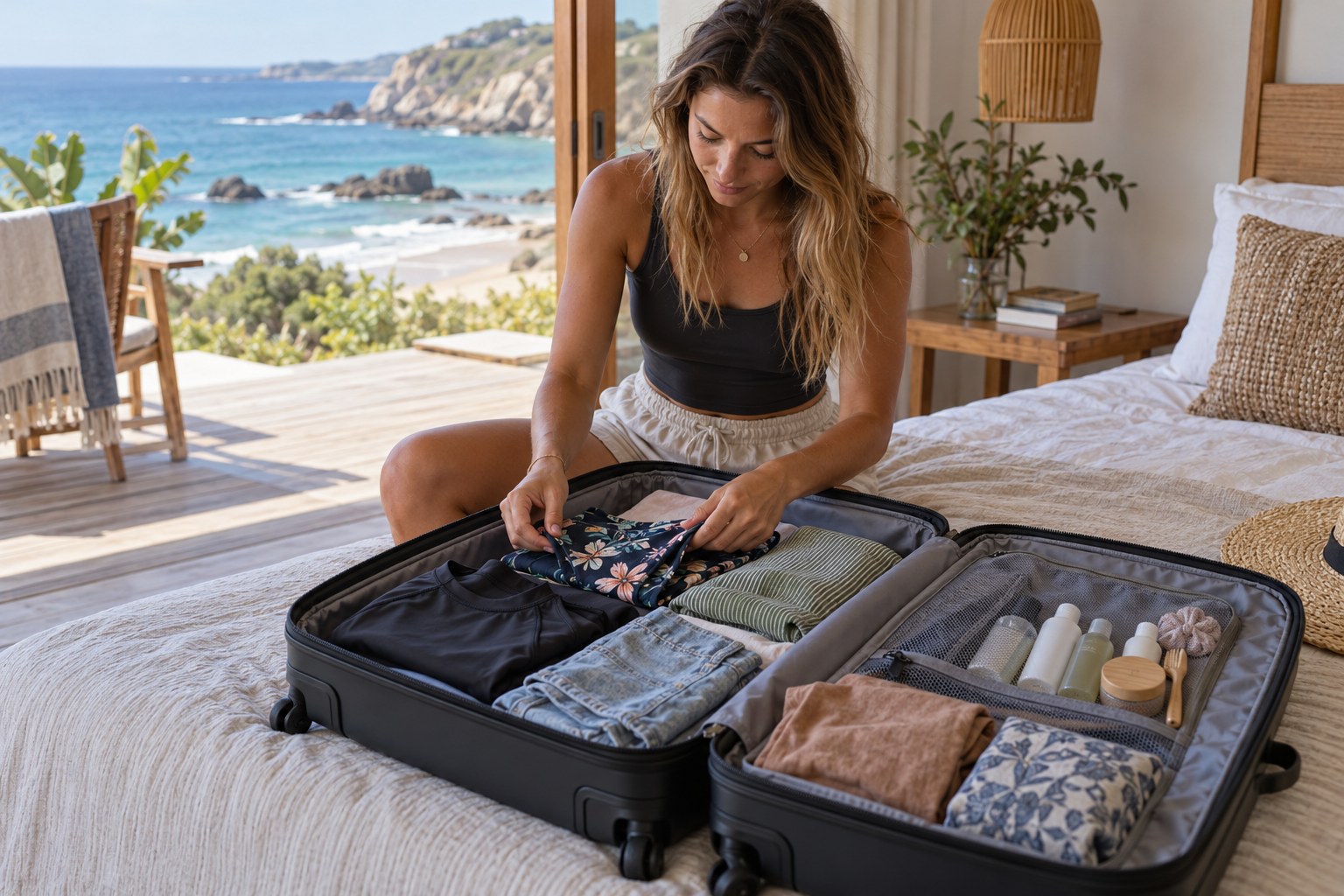
Cabin-only packing works best when the largest equipment is hired locally and every item in the bag has a defined role.
Surf travel
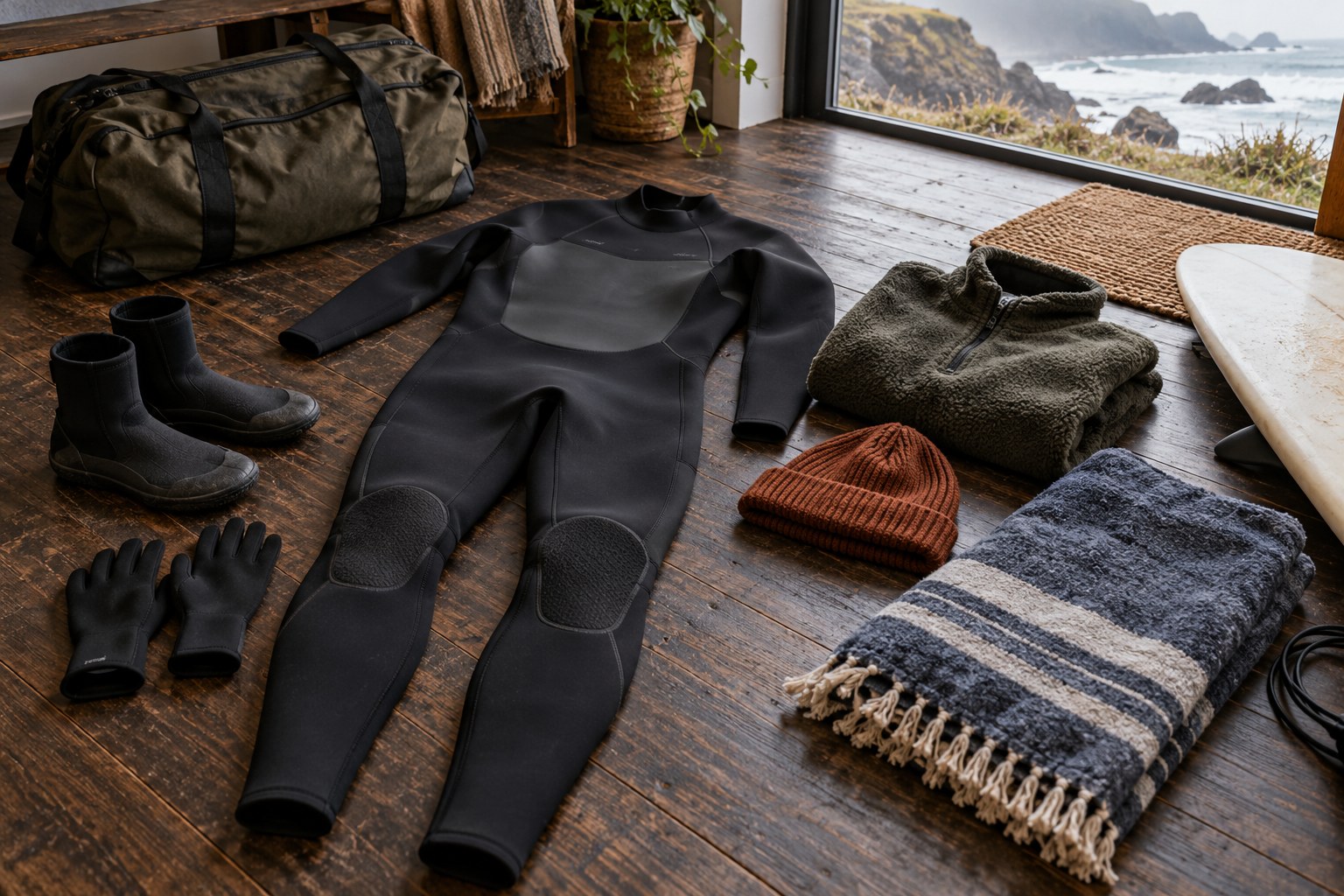
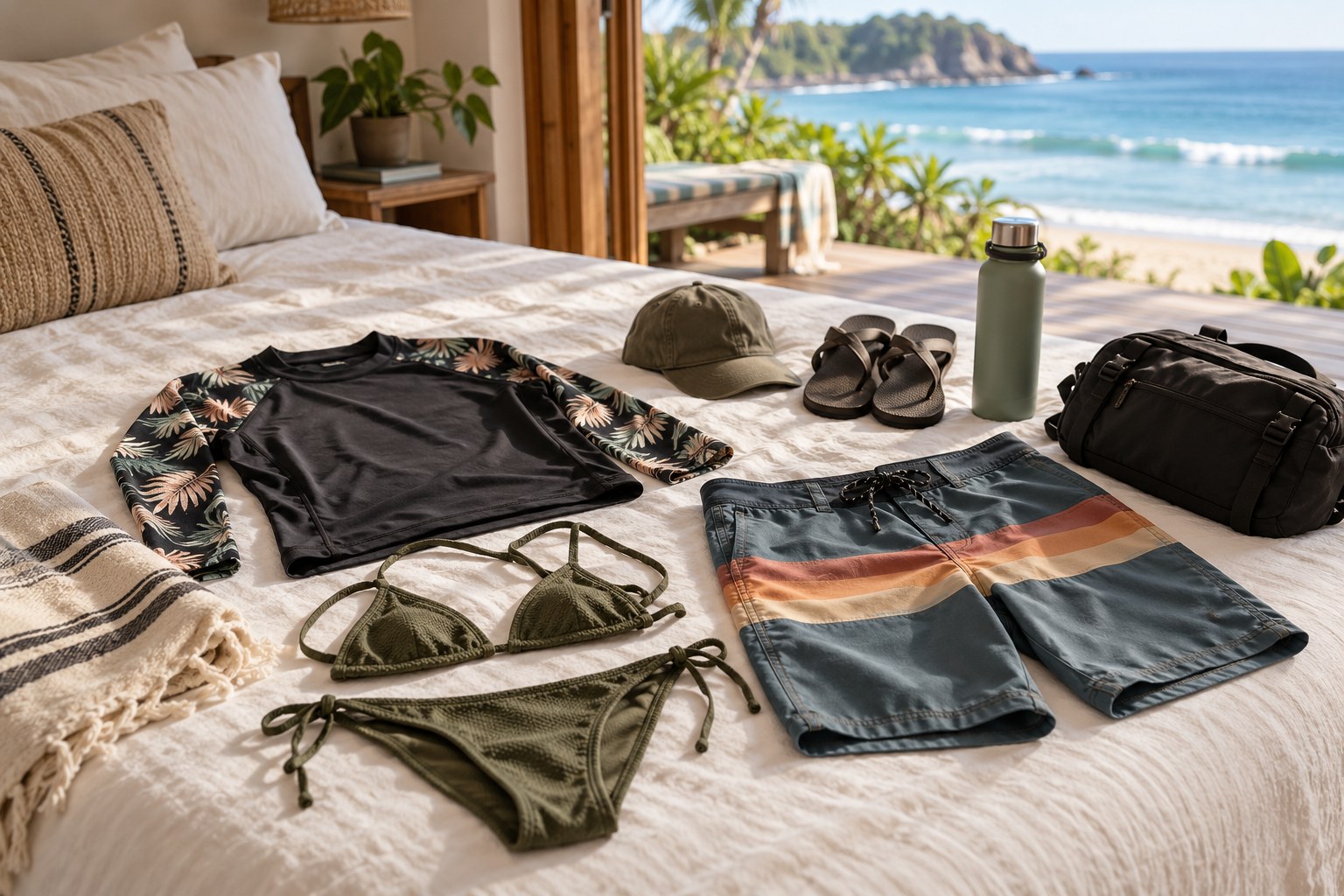
Pack for the changes between travelling, waiting, surfing and getting dry; one warm item rarely covers all four situations.
Surf travel
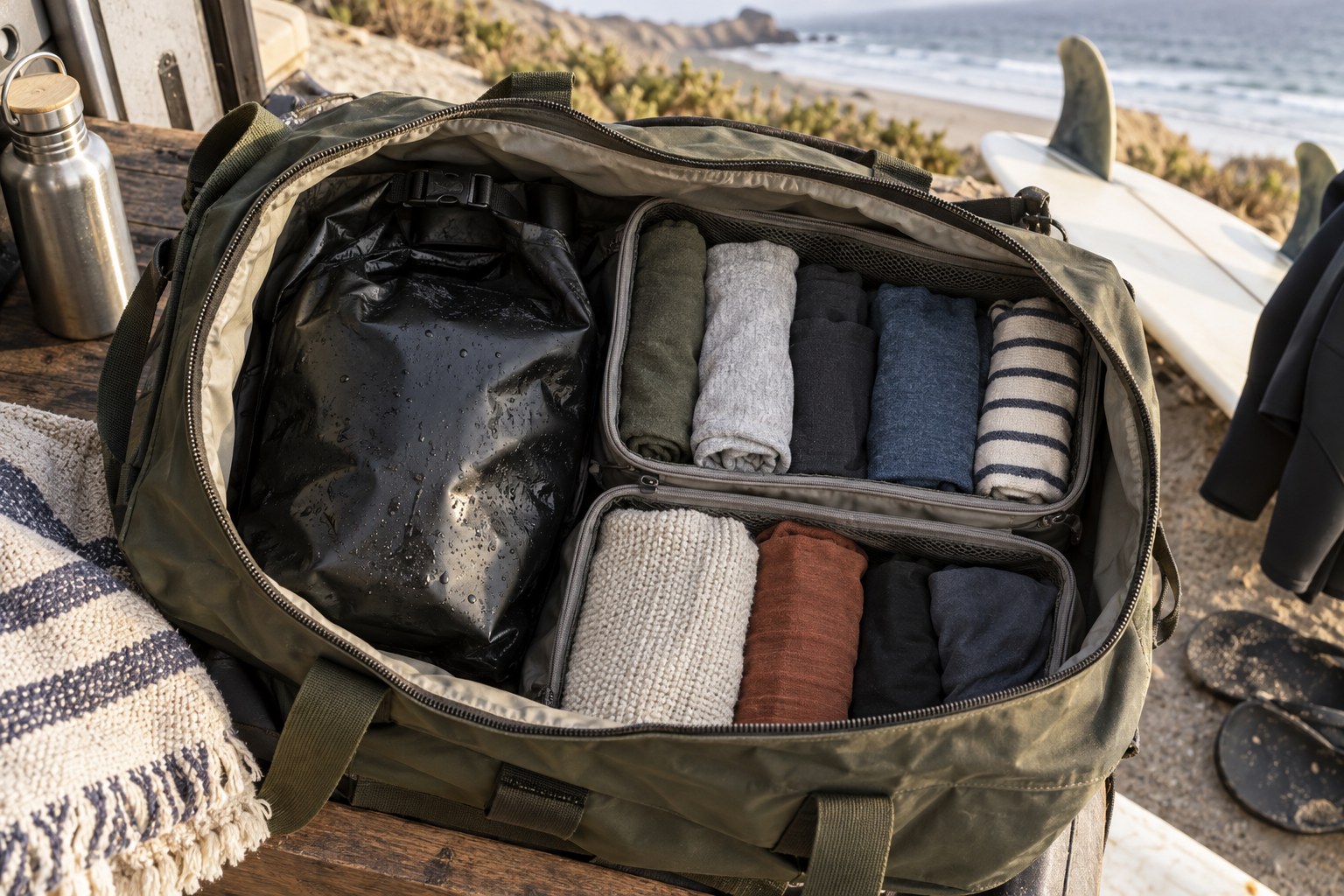
Start with the equipment and facilities at your destination, then pack fewer pieces that can be rinsed, dried and used again as their care instructions allow.
Surf travel
Give wet equipment a temporary transport zone and a drying routine at every stop, instead of allowing one damp compartment to spread through the whole bag.
Surf travel
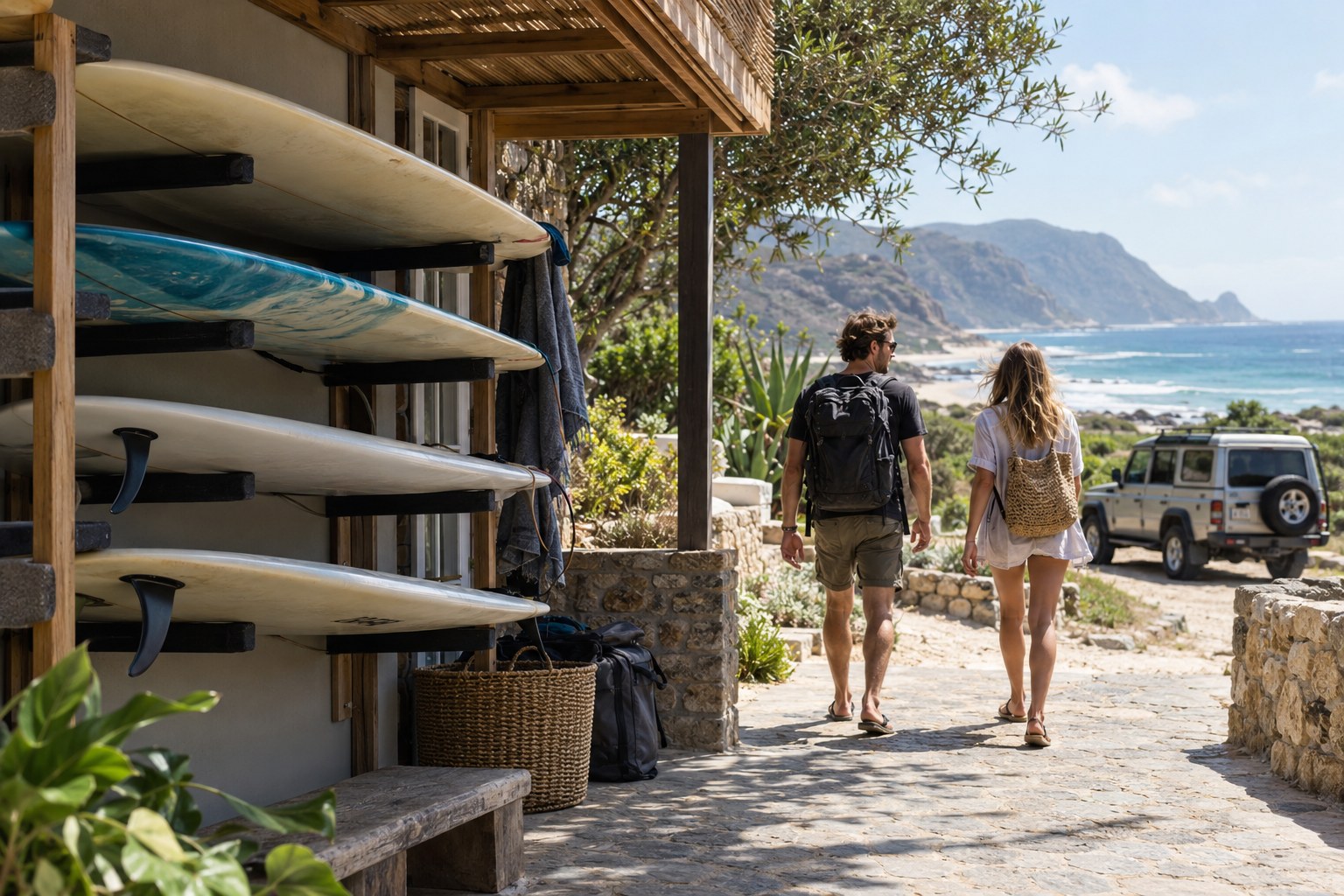
Arrange a place for the board before planning the rest-day excursion, so an unscheduled afternoon does not turn the car into equipment storage.

Surf travel
Separate fixed bookings from adjustable plans, and agree who makes the call when a session needs to move.
Surf travel
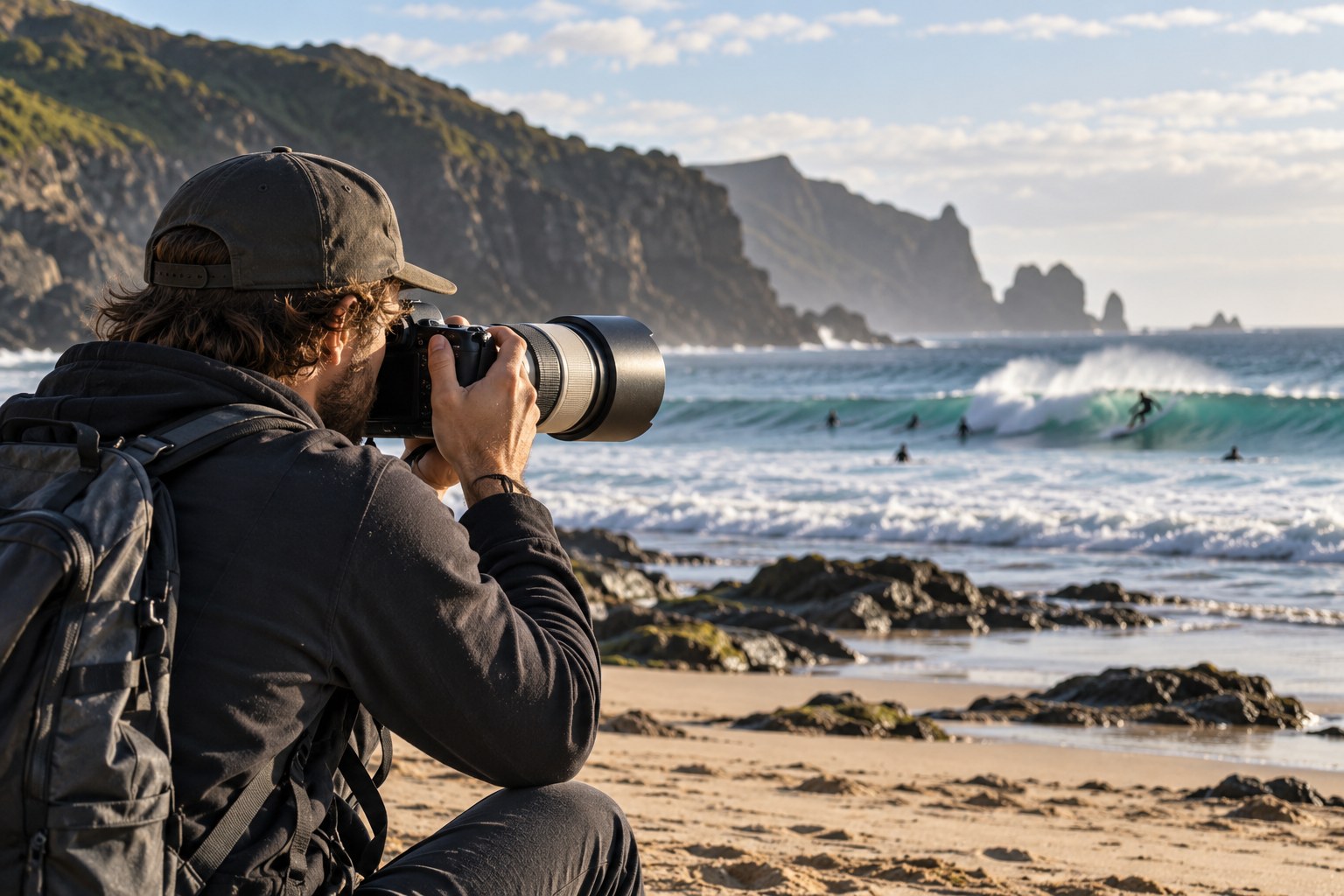
Agree on the session, delivery and permitted uses of the photographs before treating a booking as a complete photo package.
Surf travel
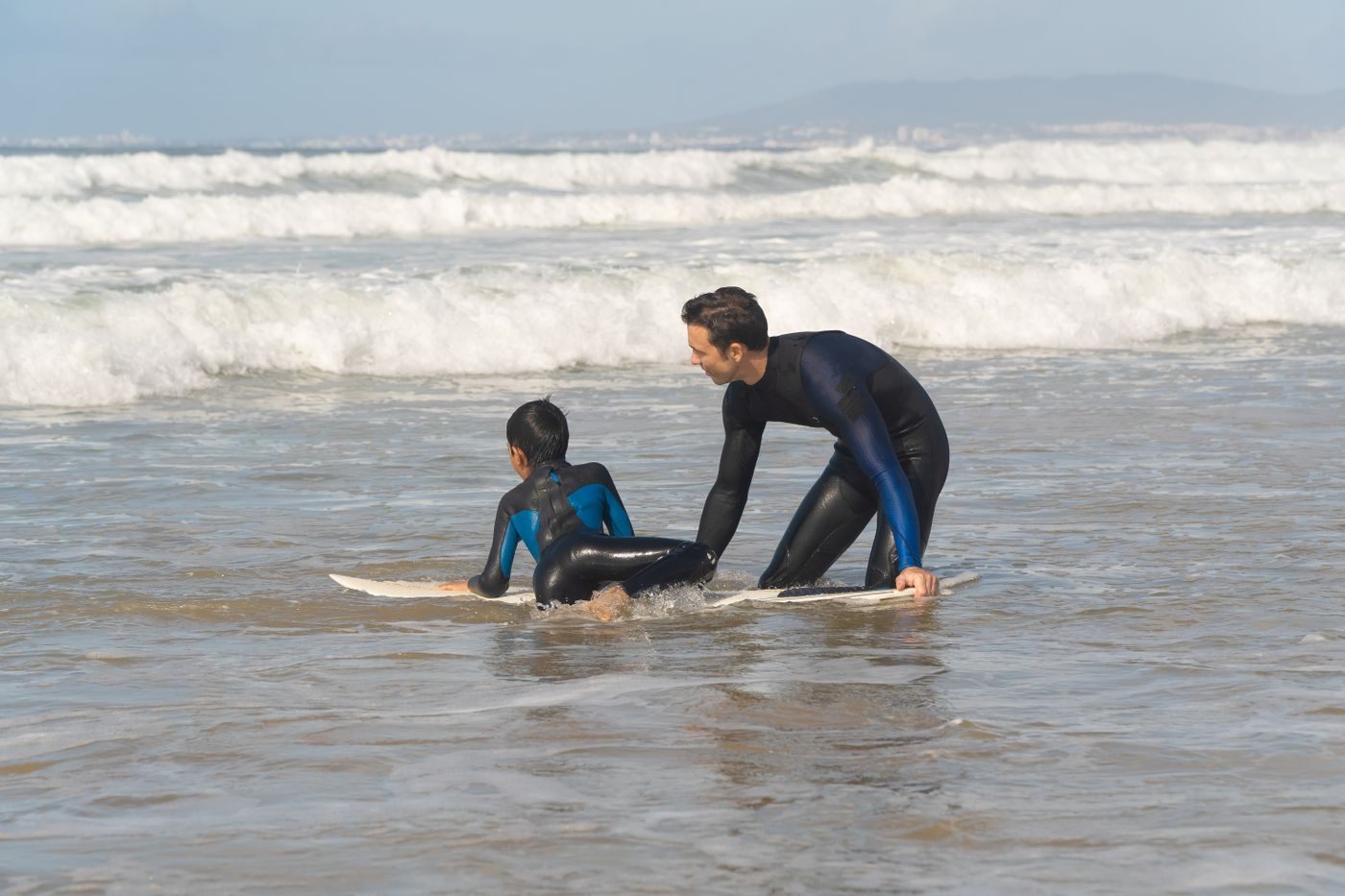
Compare supervision, transport and daily routines in detail; the phrase family-friendly does not describe who is responsible for a child at each point in the day.
Surf travel
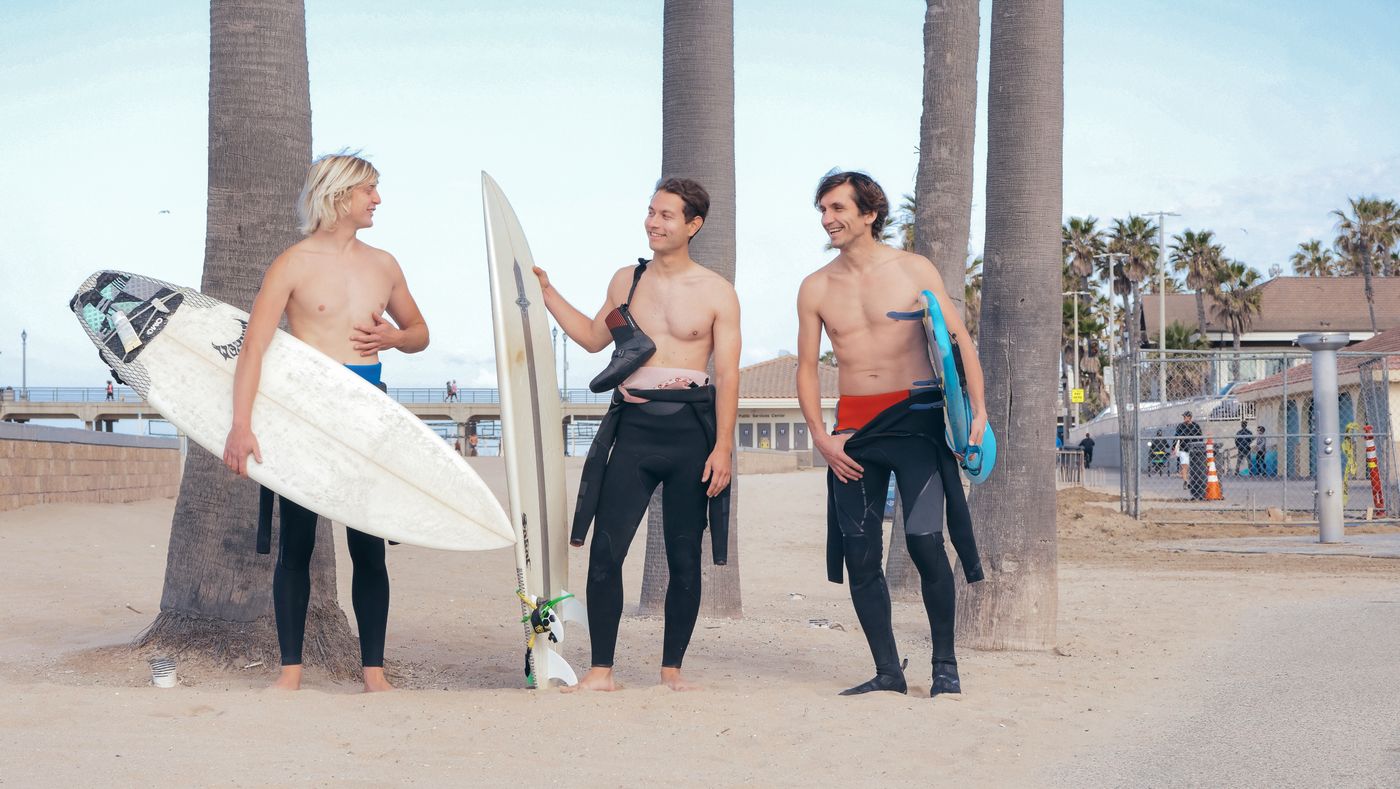
Give each traveller an appropriate lesson or activity plan, then build shared time around those plans instead of forcing everyone into the same session.
Surf travel
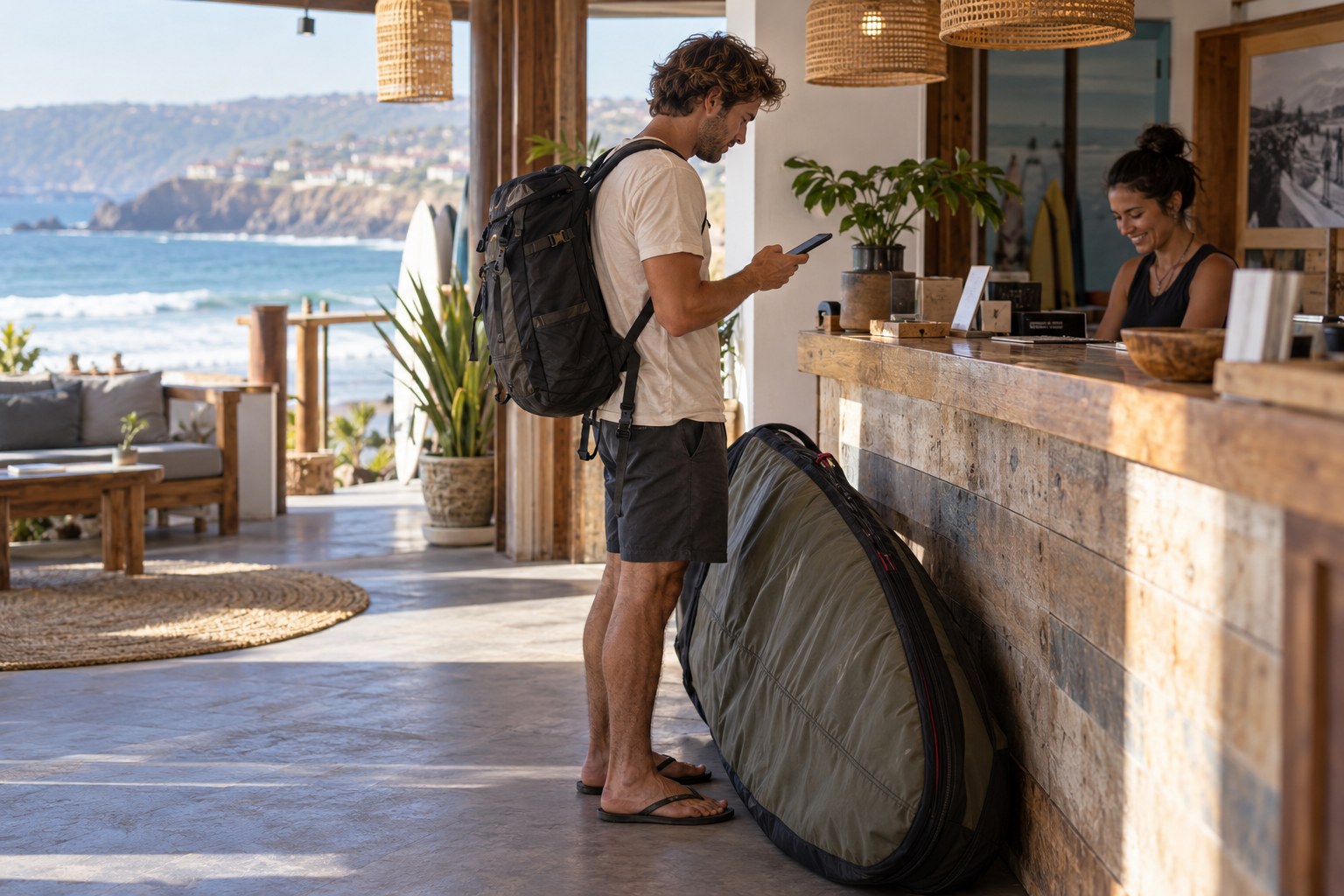
Make the first transfer and the daily contact routine straightforward, while keeping control of your own documents and booking information.
Surf travel
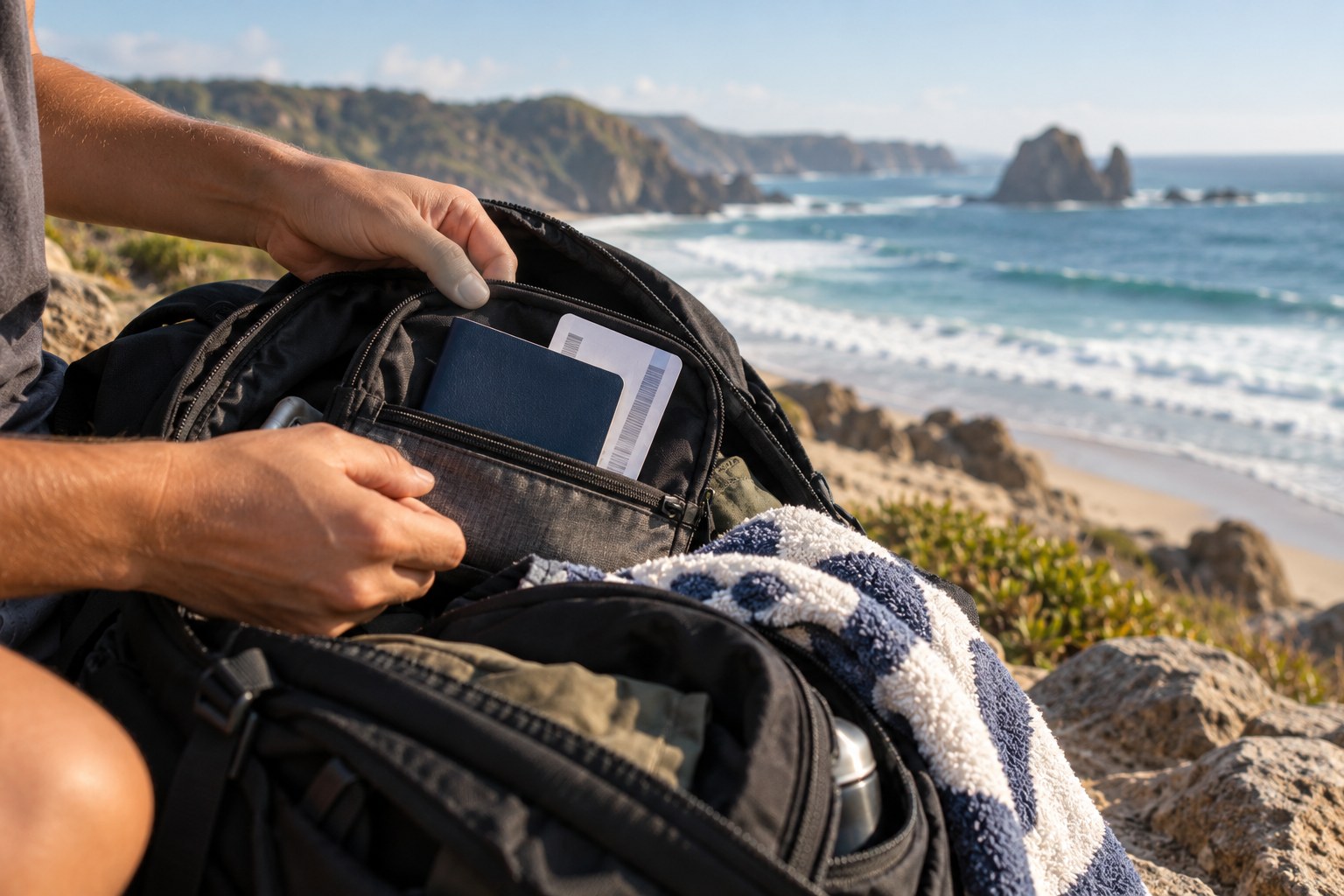
Keep only the documents needed for the outing readily accessible, and avoid making a wet equipment bag the main filing system for the trip.

Surf travel
Ask about the exact activity, destination and equipment arrangement, then keep the insurer's answer with the policy wording.
Surf travel
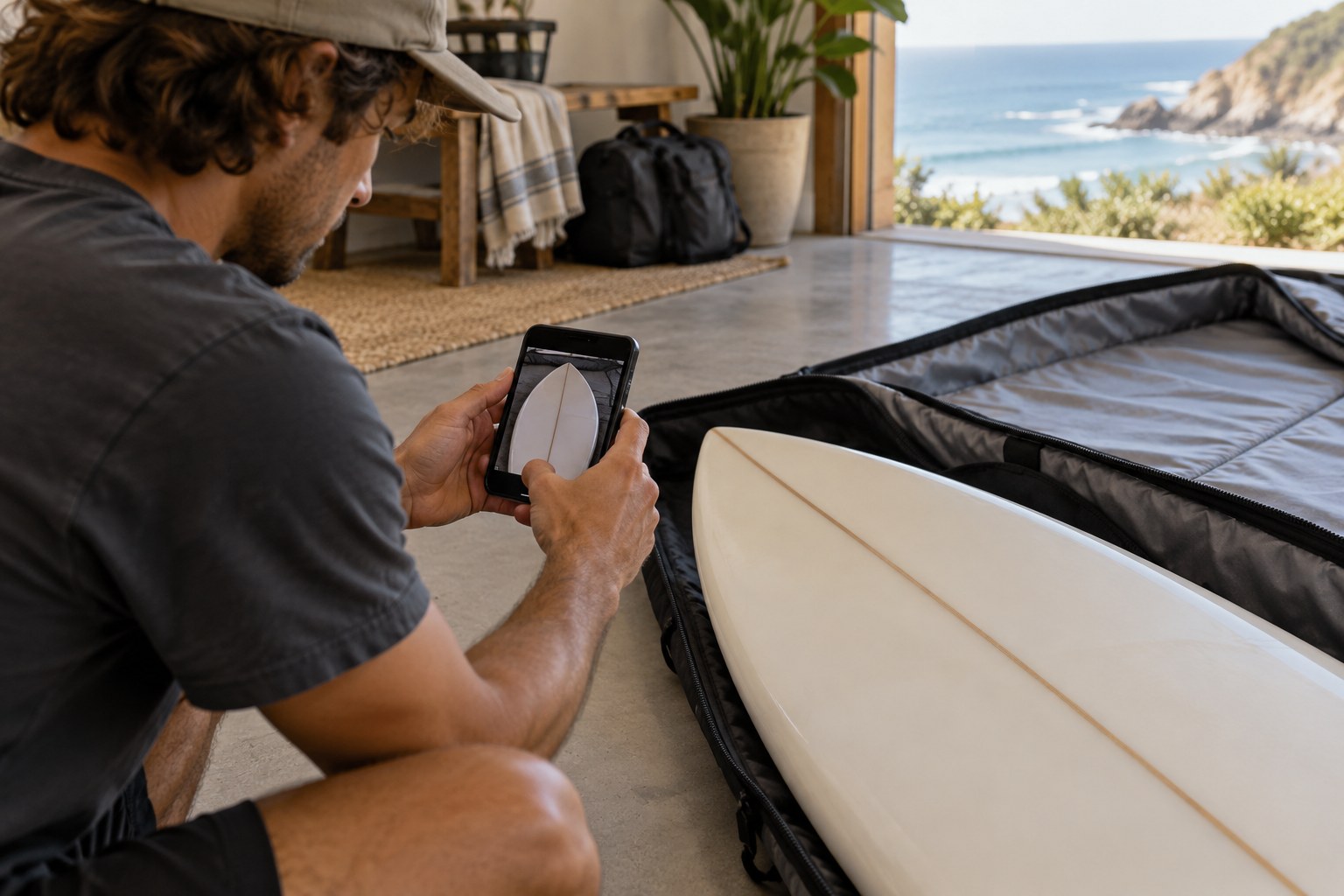
Create a short, repeatable photo record before packing and compare the same areas when the bag is collected.
Surf travel
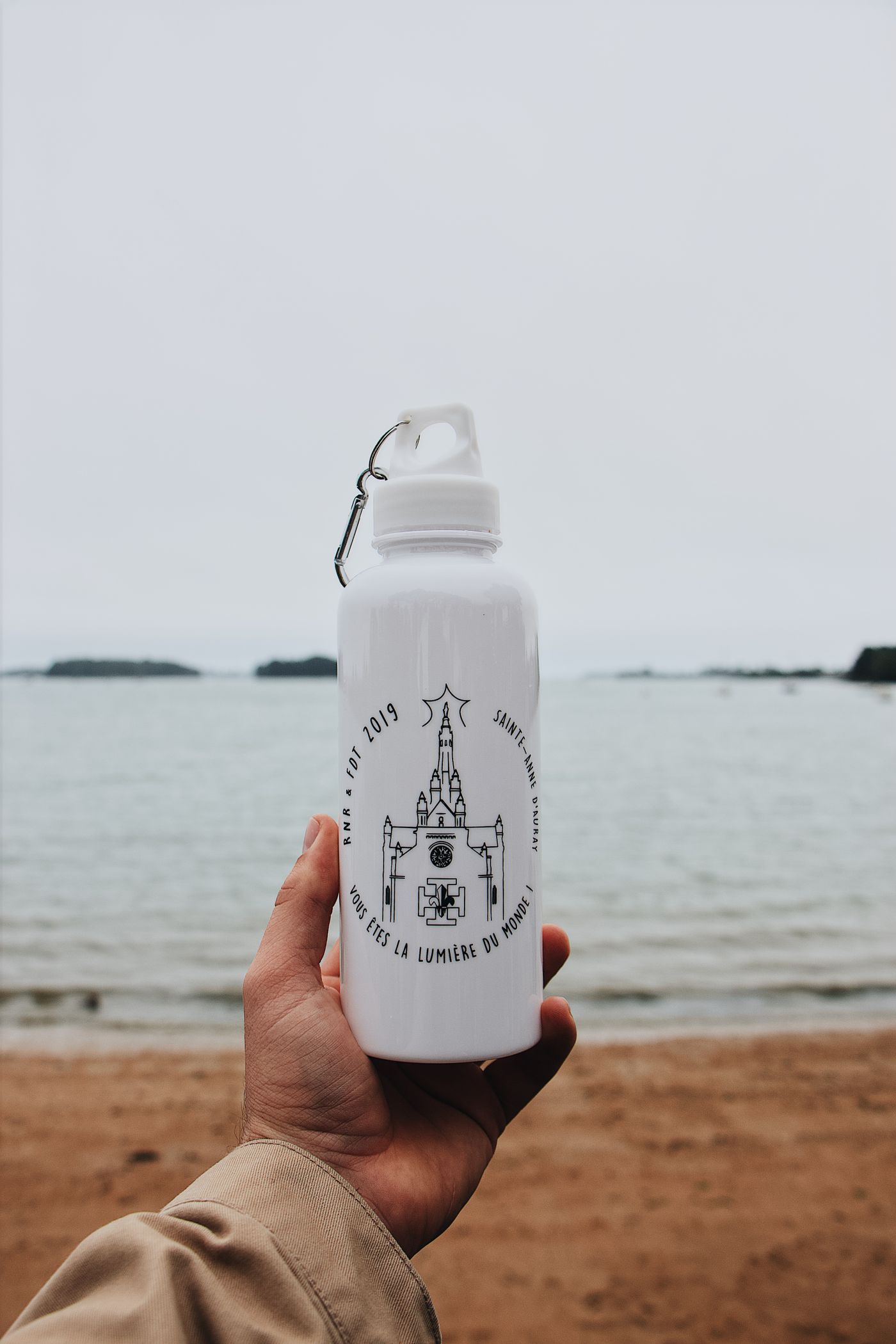
Choose a bottle you can carry, open and clean easily within your beach routine, then plan where it can be refilled.
Surf travel
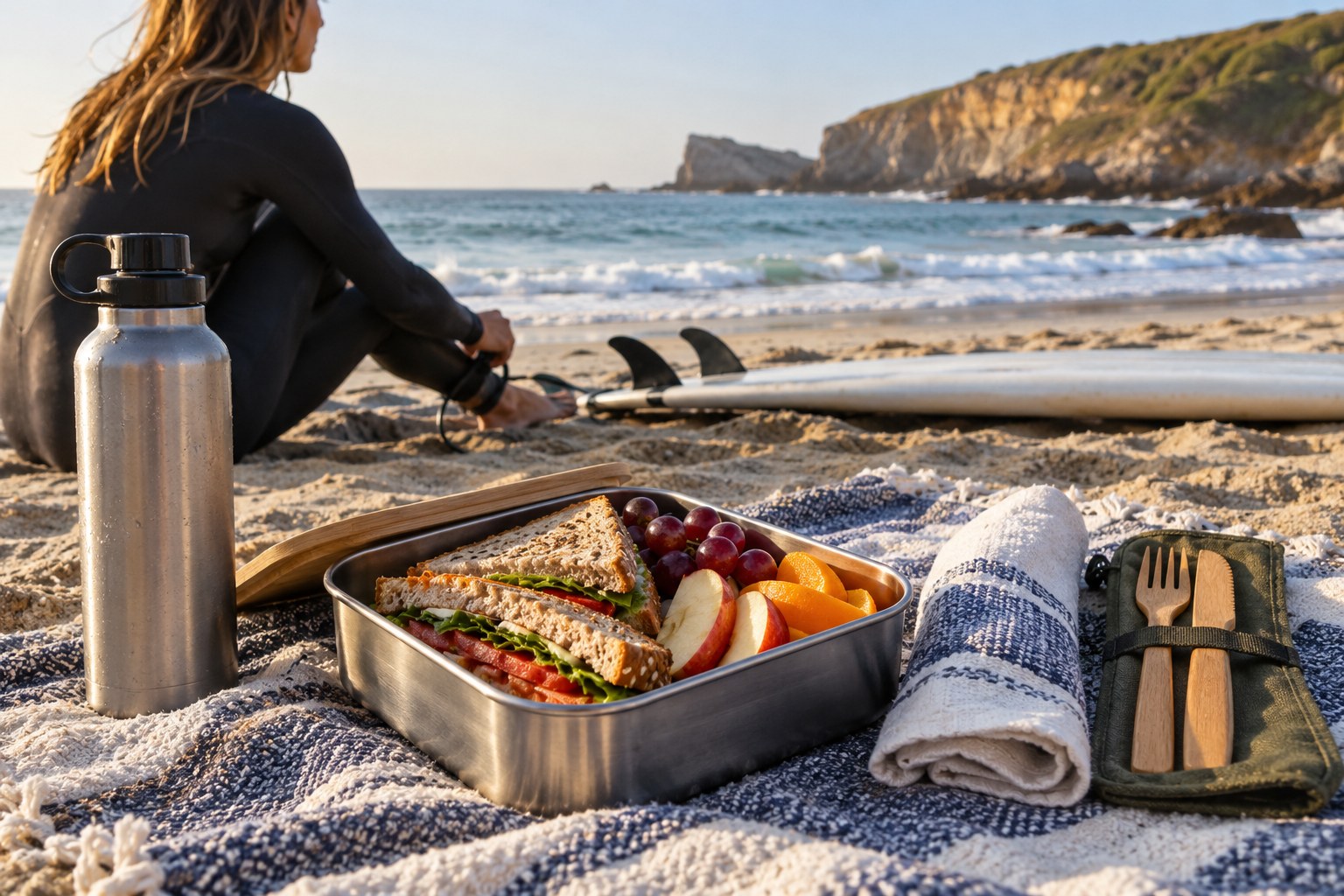
Choose food storage and utensils around the actual length of the day and the facilities available, with a plan for taking everything back out.

Surf travel
Judge a beach kit by the return walk as well as the outward trip, when clothes are damp and every loose item still needs a place.

Surf travel
Use a destination article to generate questions, then verify the details that determine your booking directly with the relevant providers.
Care & storage
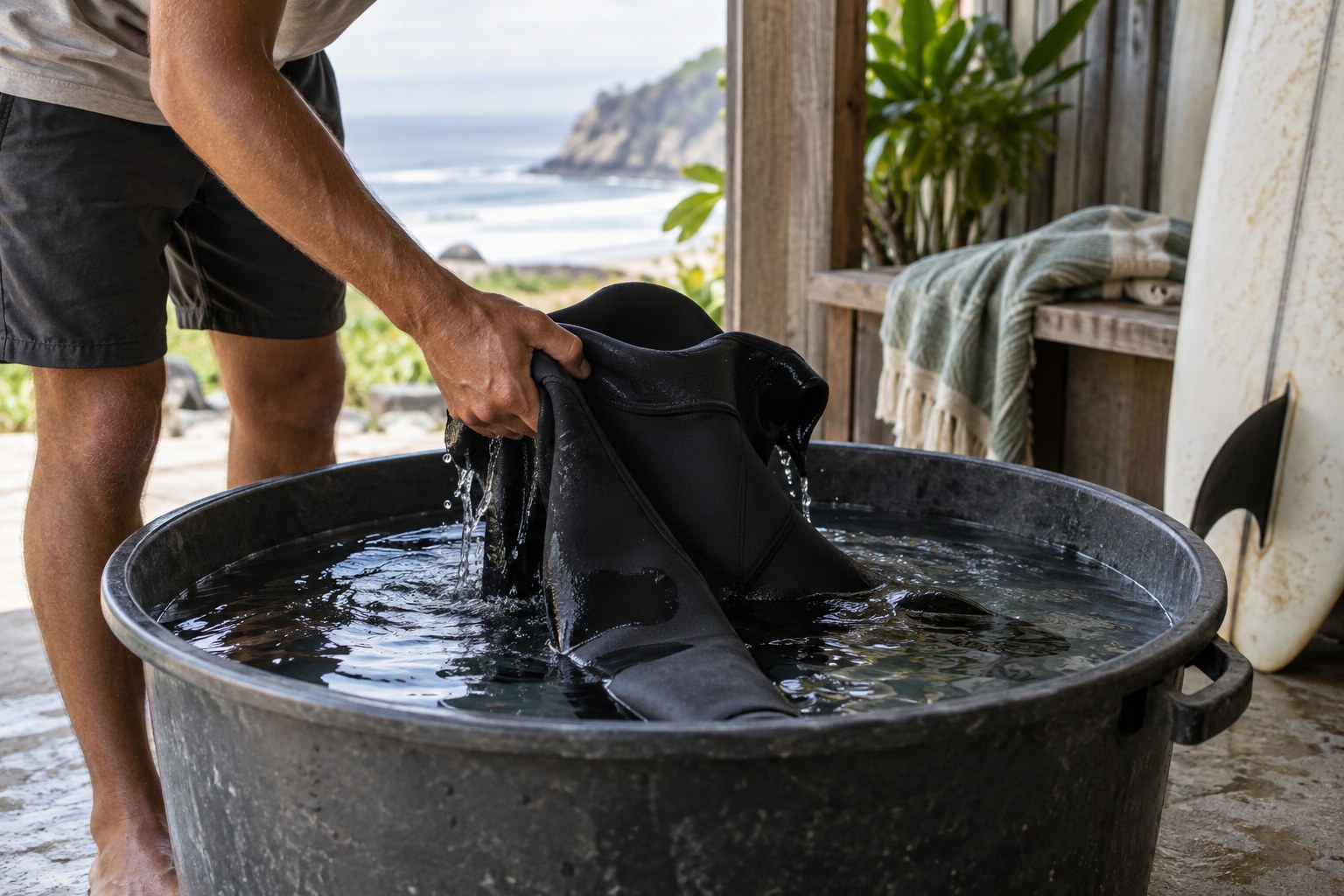
Identify the suit and its care instructions before setting up a rinse routine, especially when different wetsuits share the same household.
Care & storage
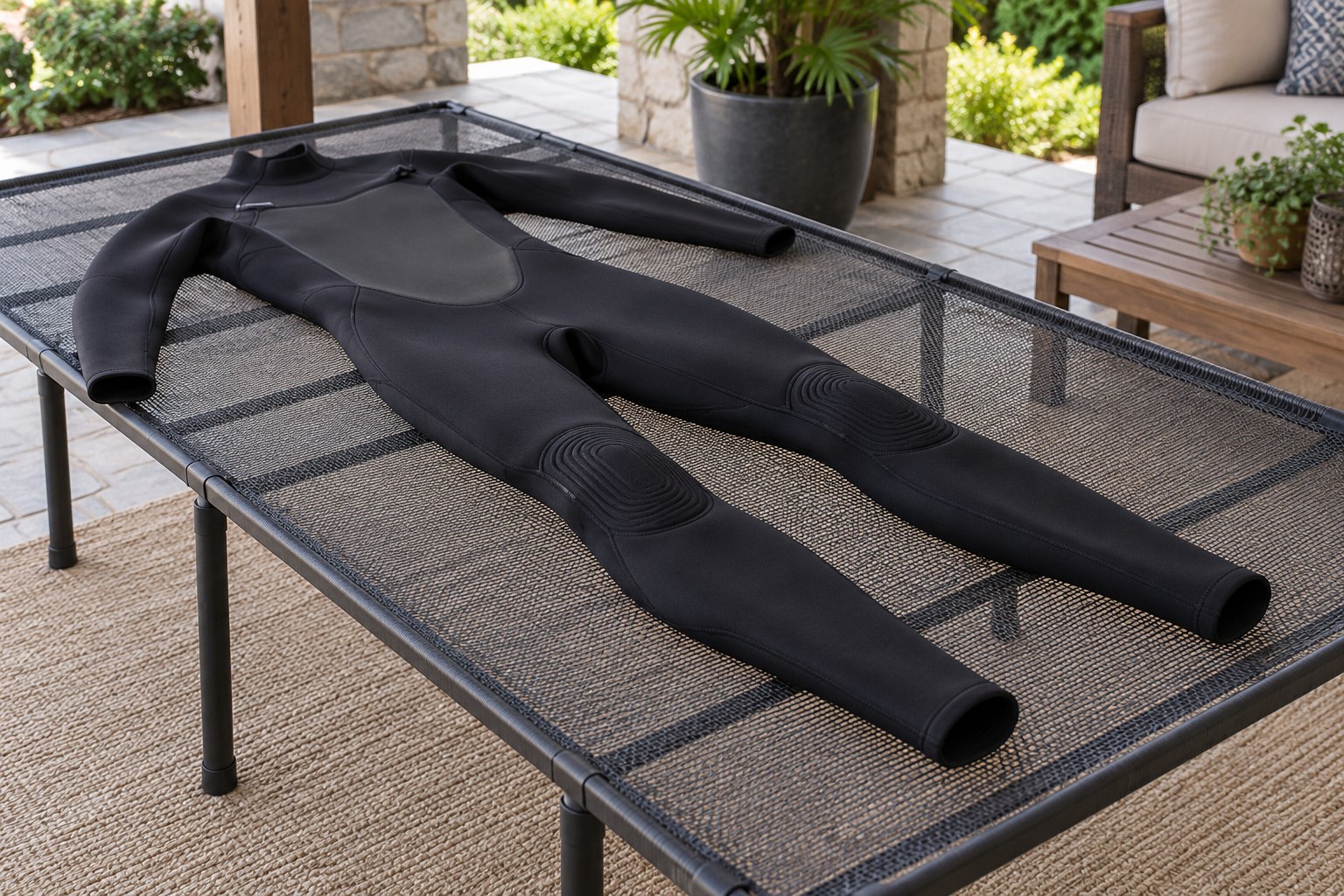
Support the wet suit over an appropriate broad support, and check the hanging arrangement before adding the garment's weight.
Care & storage
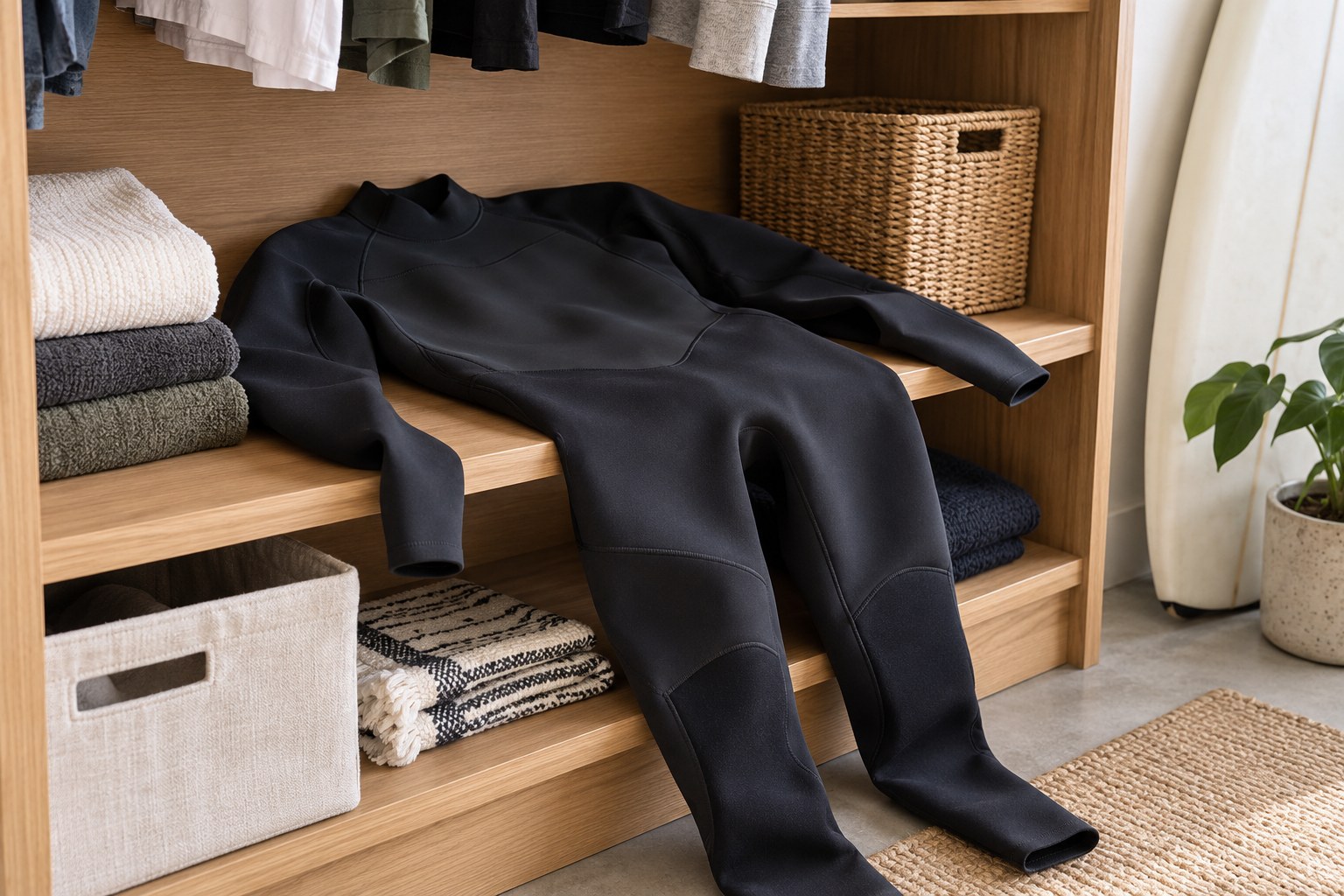
Put a clean, fully dry suit away in a supported arrangement that follows its maker's guidance, with space around closures and delicate panels.
Care & storage
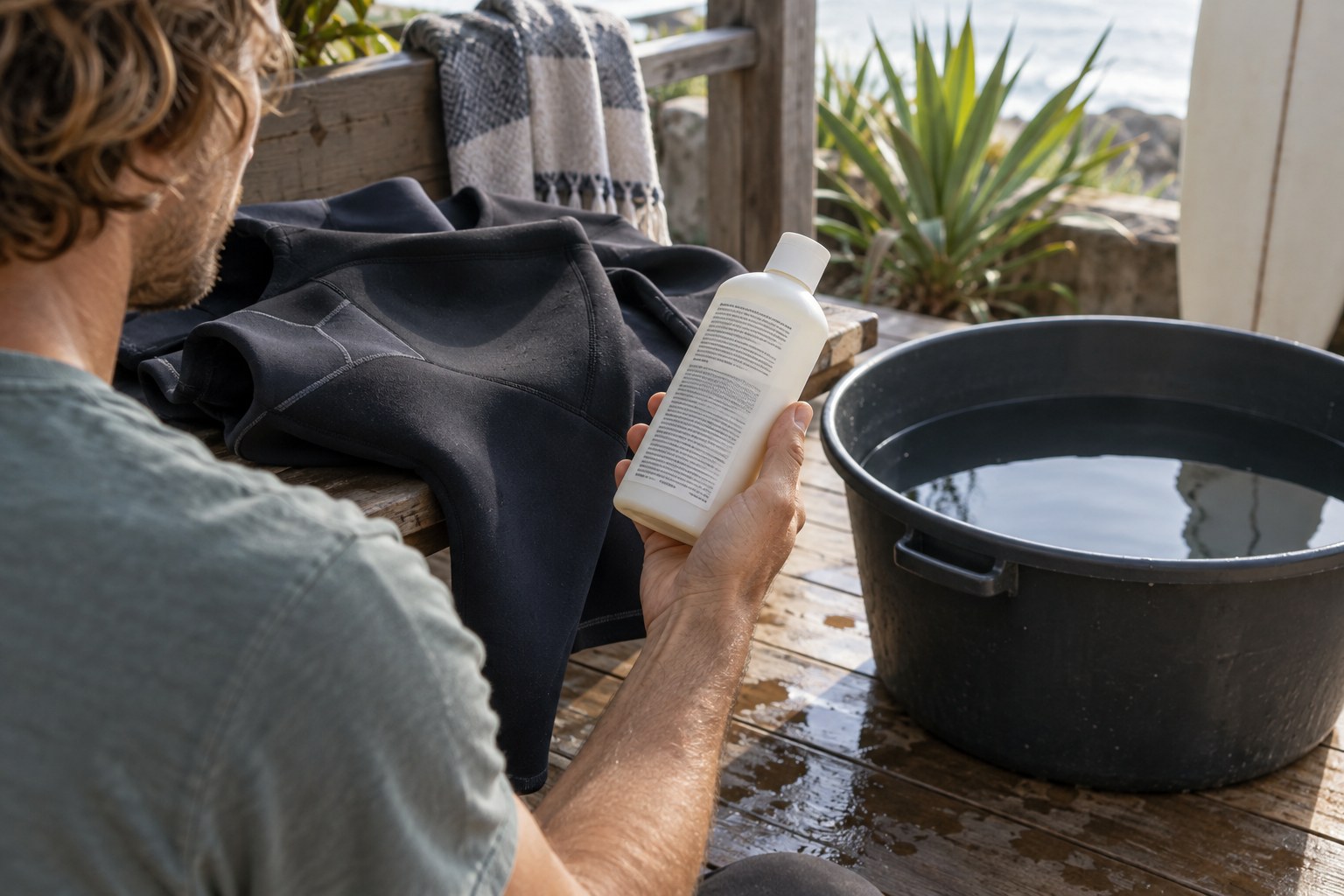
Check compatibility, dilution and the complete wash sequence before using a cleaner, rather than treating a stronger mixture as a better clean.
Care & storage
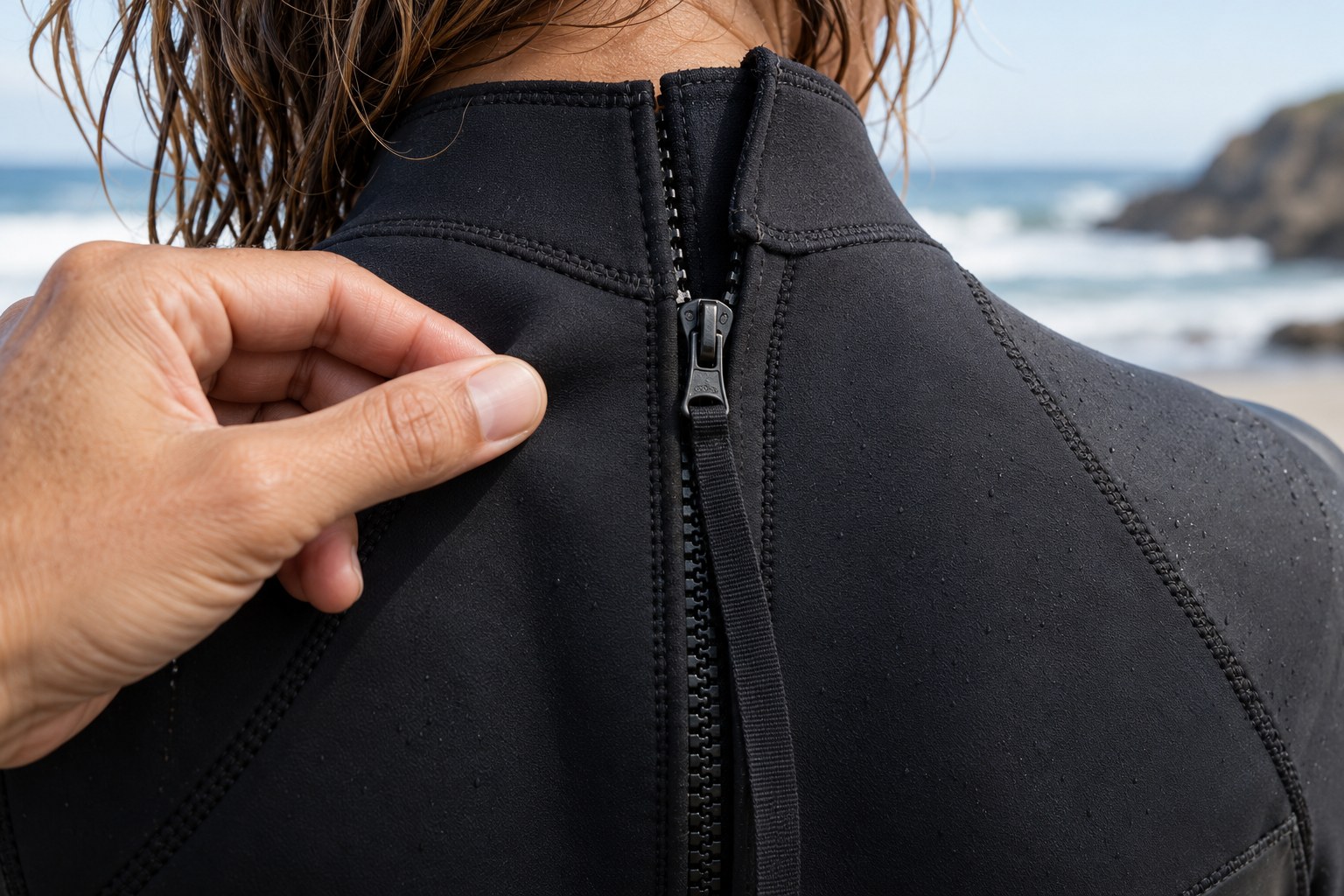
Stop forcing the closure, identify the type of zip and describe where it catches before choosing any cleaning or repair product.
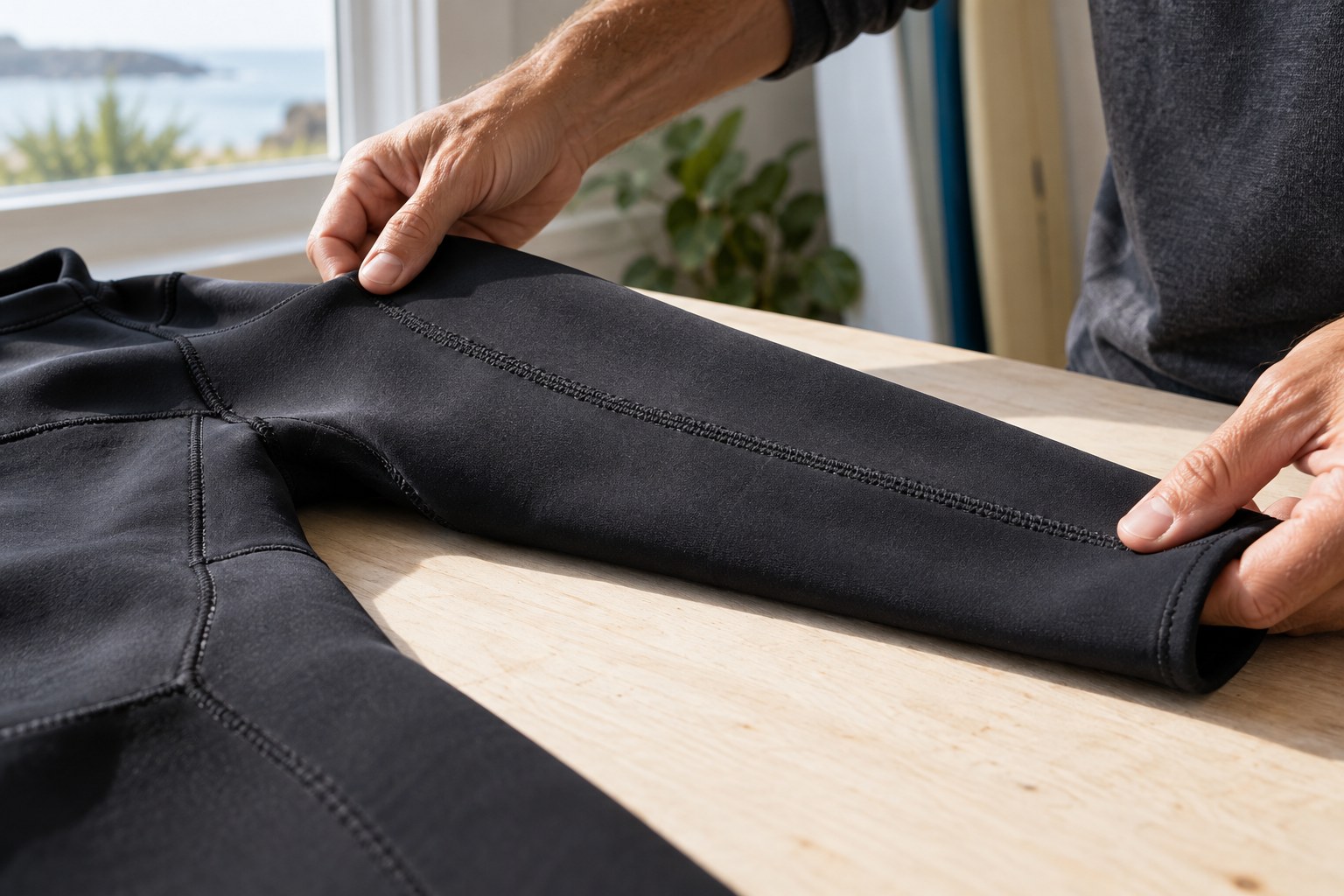
Care & storage
Inspect seams on a clean, dry suit in good light, looking for changes without stretching the garment to prove that a repair is needed.
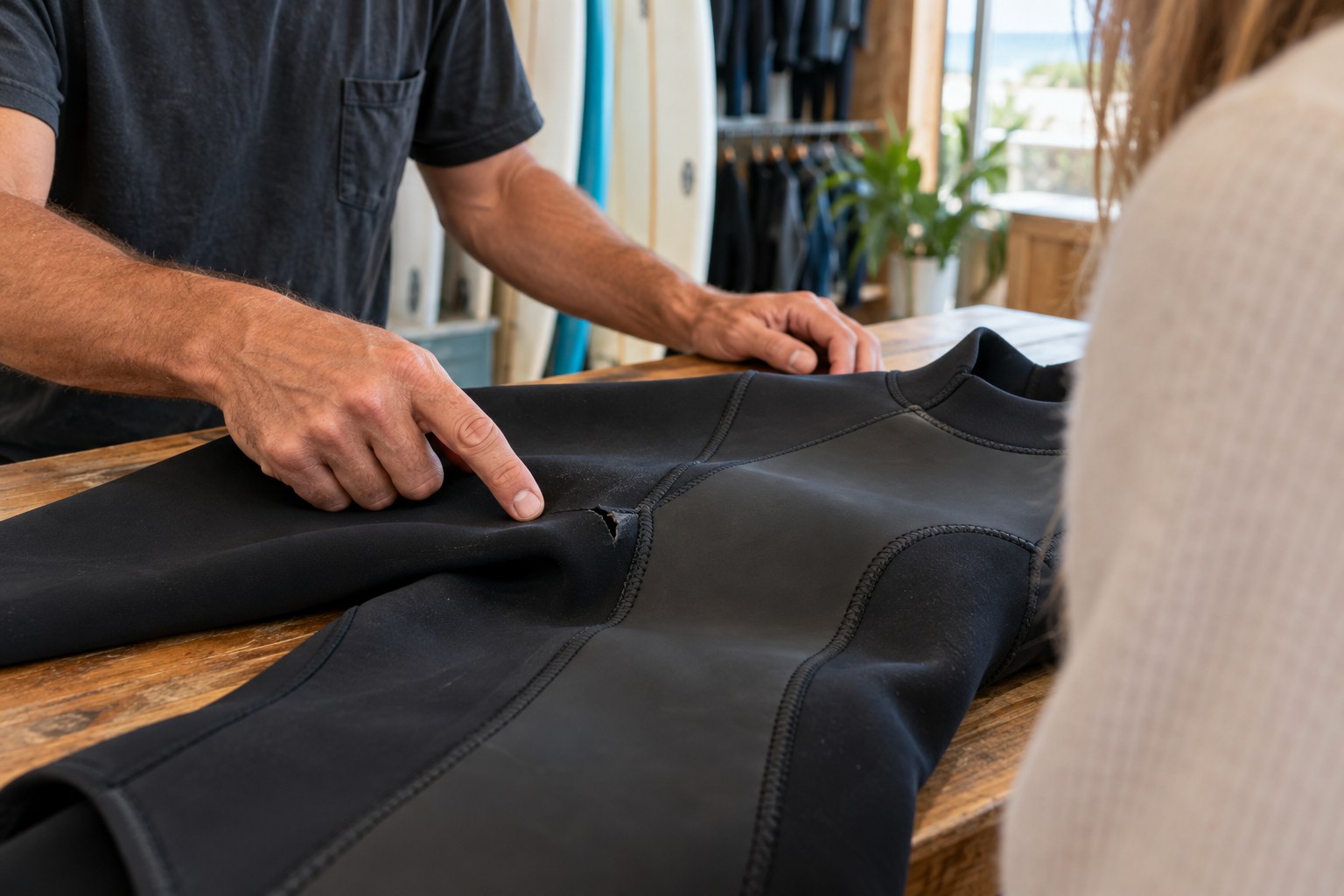
Care & storage
Send the repairer the suit's model and clear views of the damaged area before buying an adhesive or attempting to close the tear yourself.
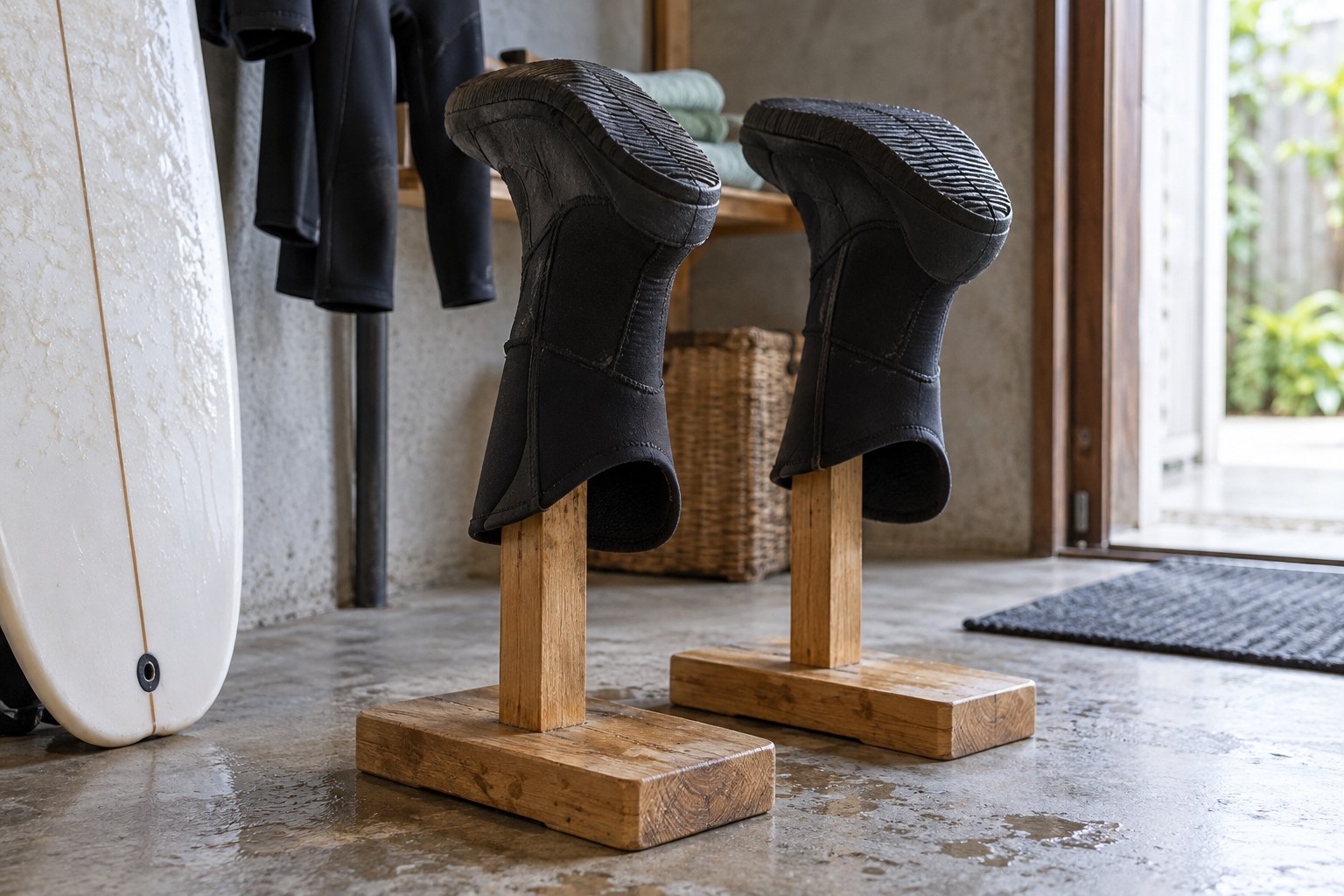
Care & storage
Arrange drying so the inside of each boot can be checked, while following the maker's limits on turning, support and heat.
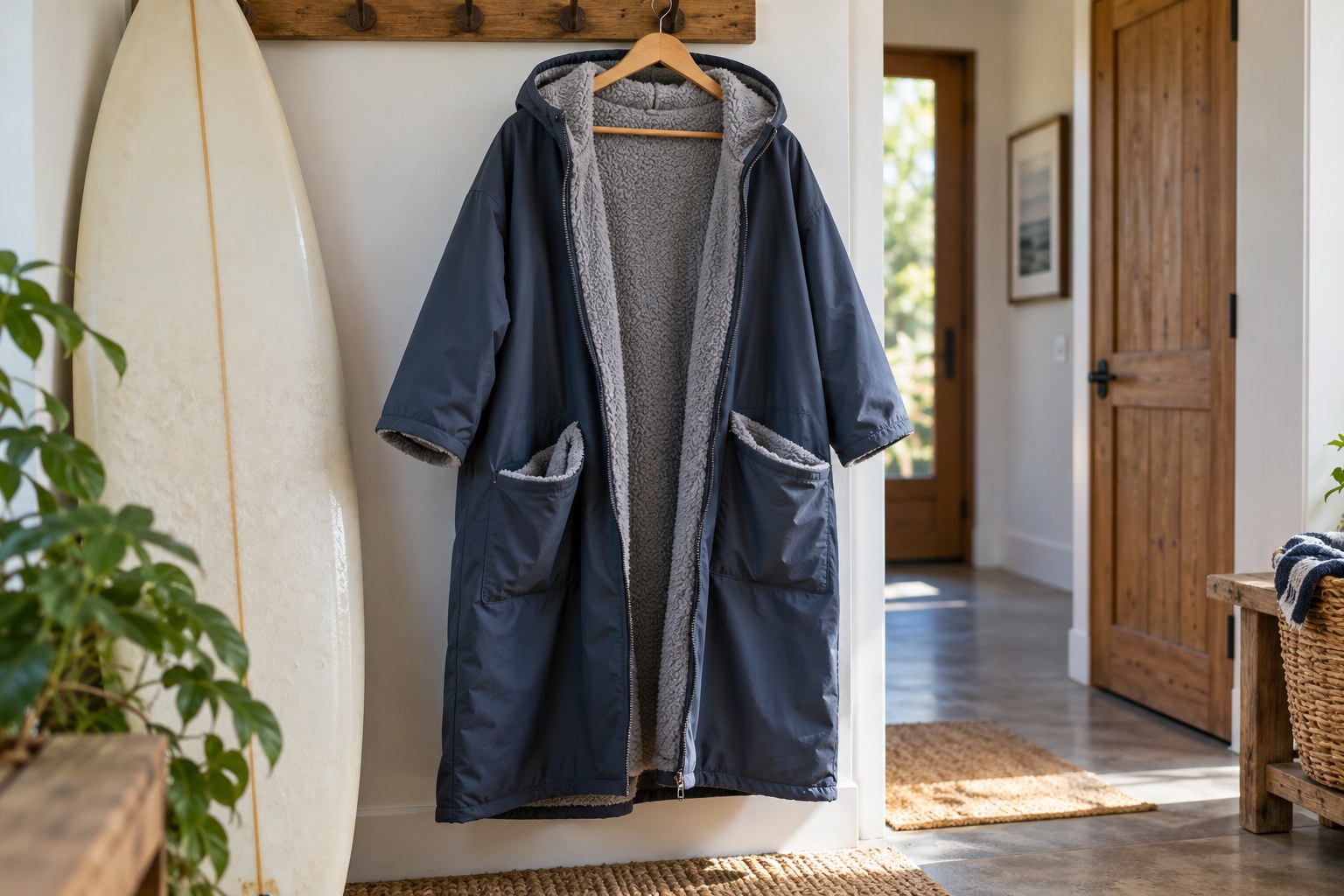
Care & storage
Identify whether the robe is towelling, lined weatherproof clothing or another construction, then use its own care label rather than a generic robe routine.
Care & storage
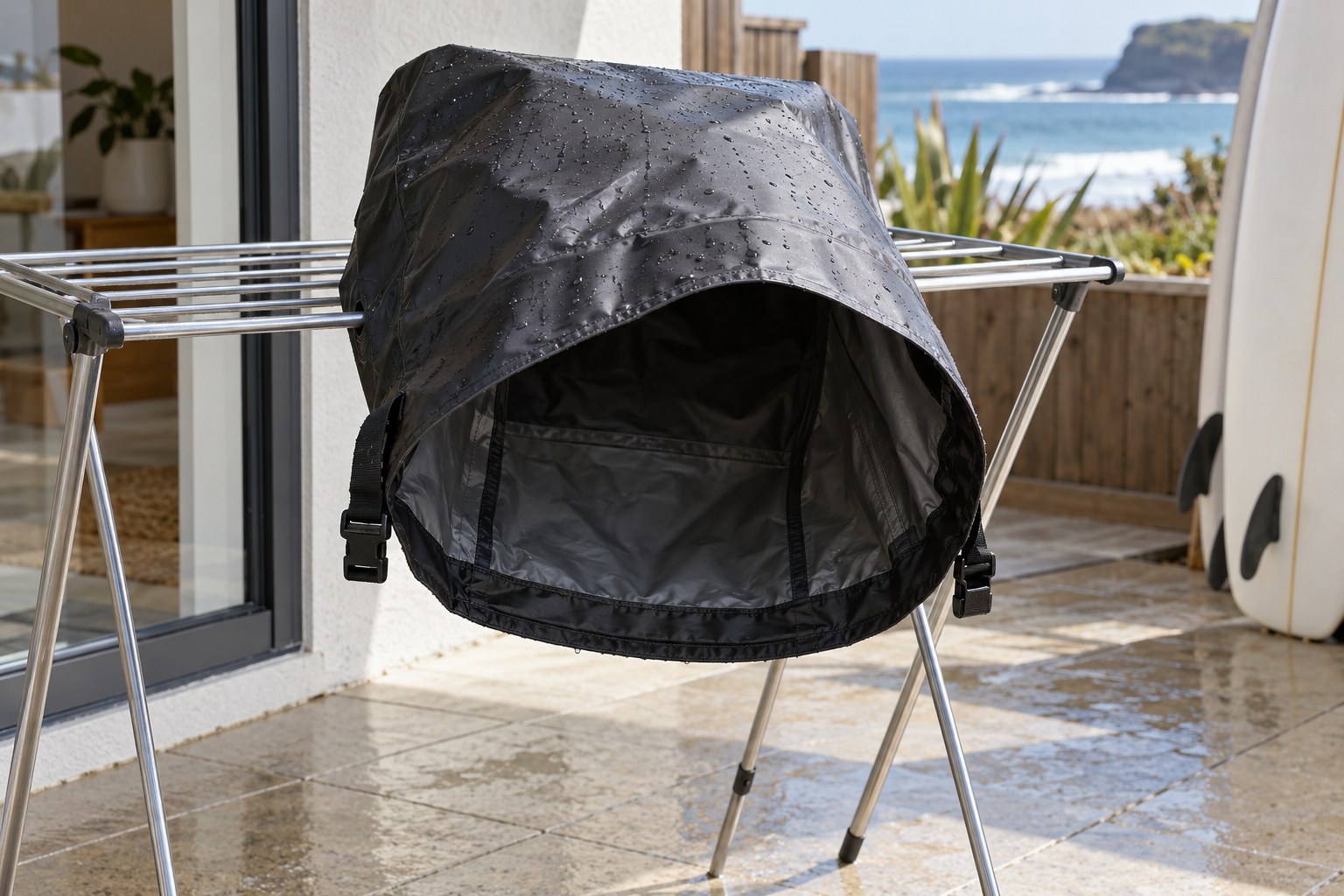
Empty the bag after every trip and clean the closure and lining according to its construction, rather than leaving yesterday's moisture sealed inside.
Care & storage
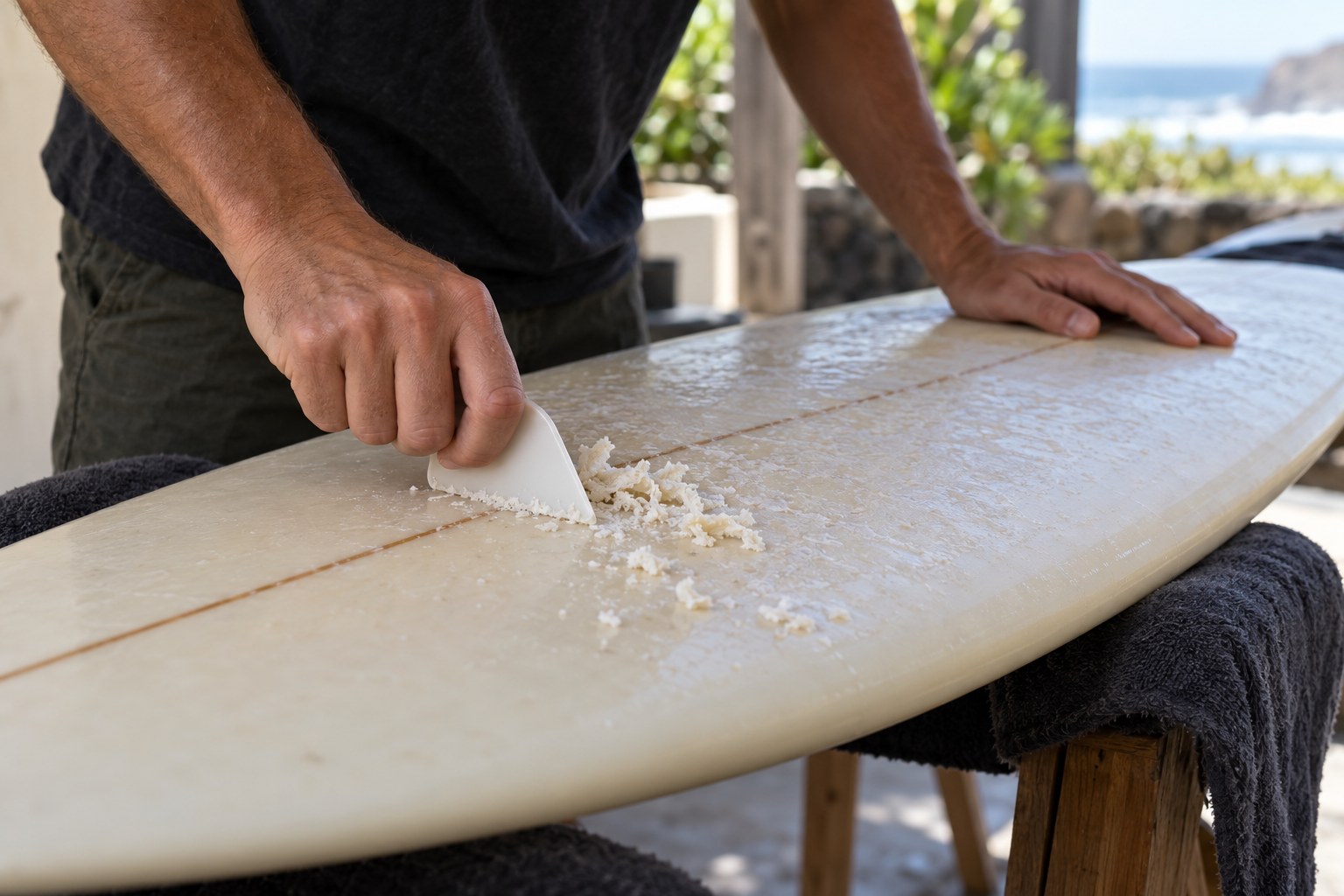
Check the board's surface and maker guidance before choosing a wax-removal method, and keep heat, sharp tools and unknown solvents out of an improvised routine.
Care & storage
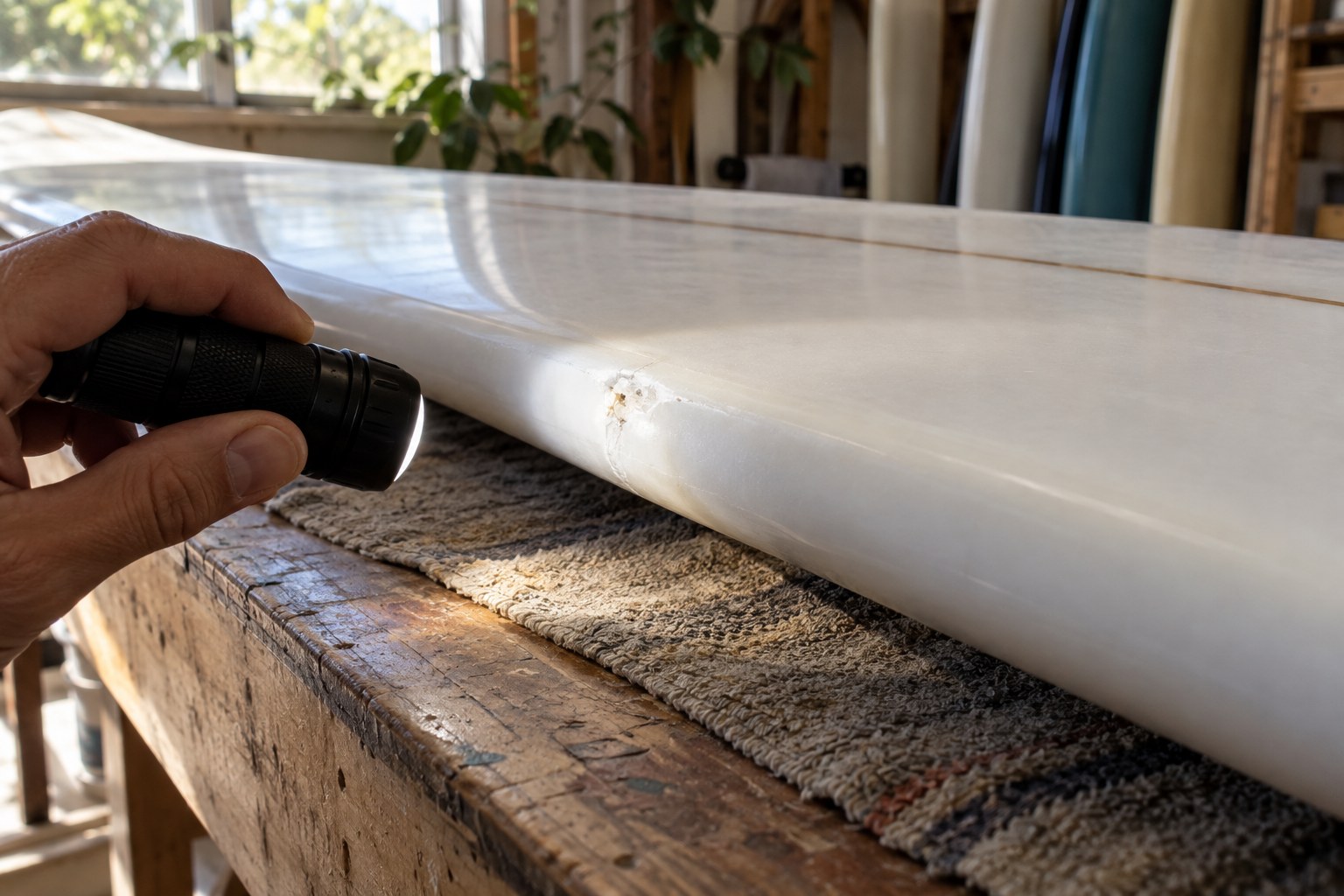
Stop using the board if damage is uncertain, document the location and let an appropriate repairer assess anything you cannot confidently identify.
Care & storage
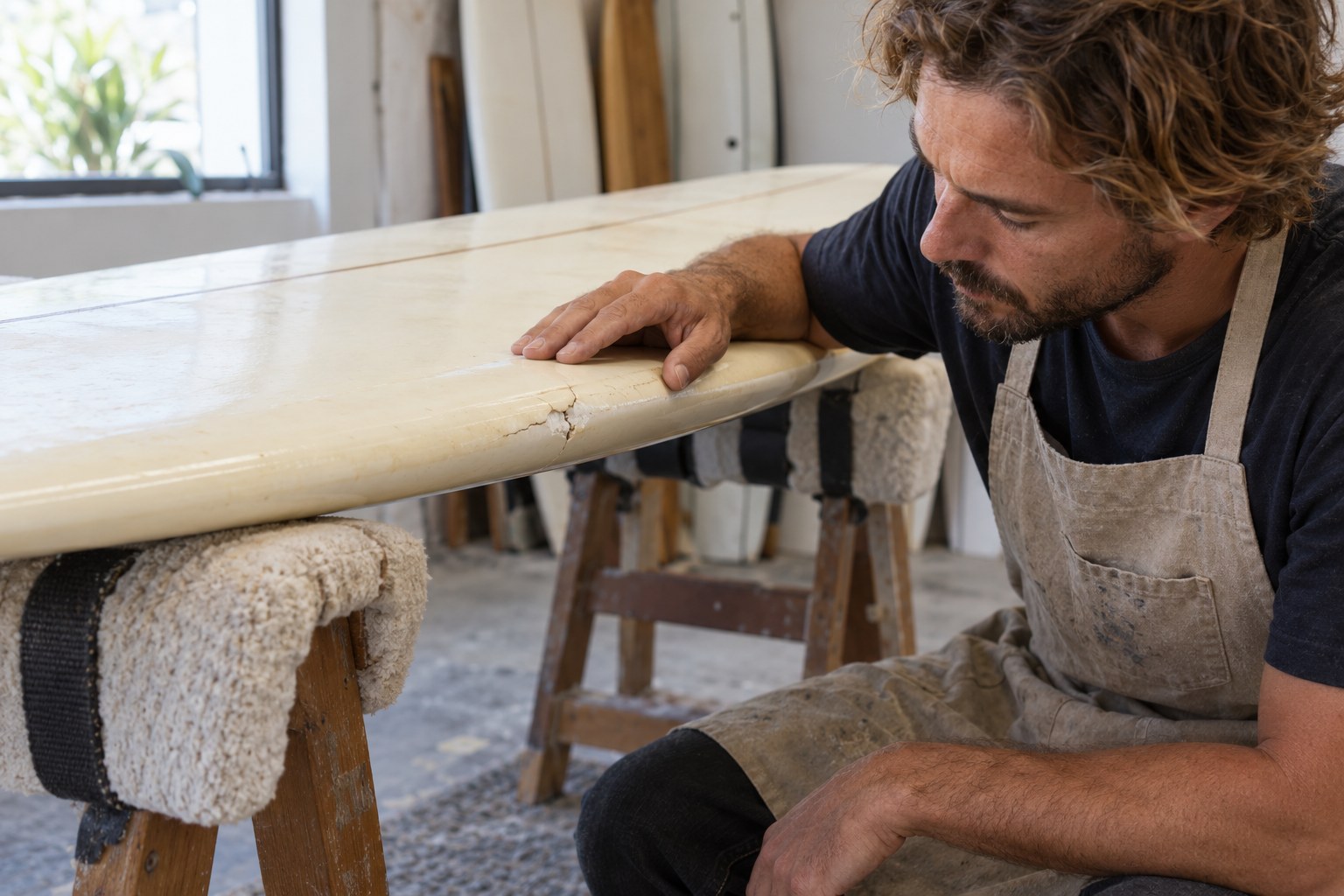
An unclear crack, opening or change in shape needs a decision before the next session; a small visible mark does not reveal the whole condition of a board.
Care & storage
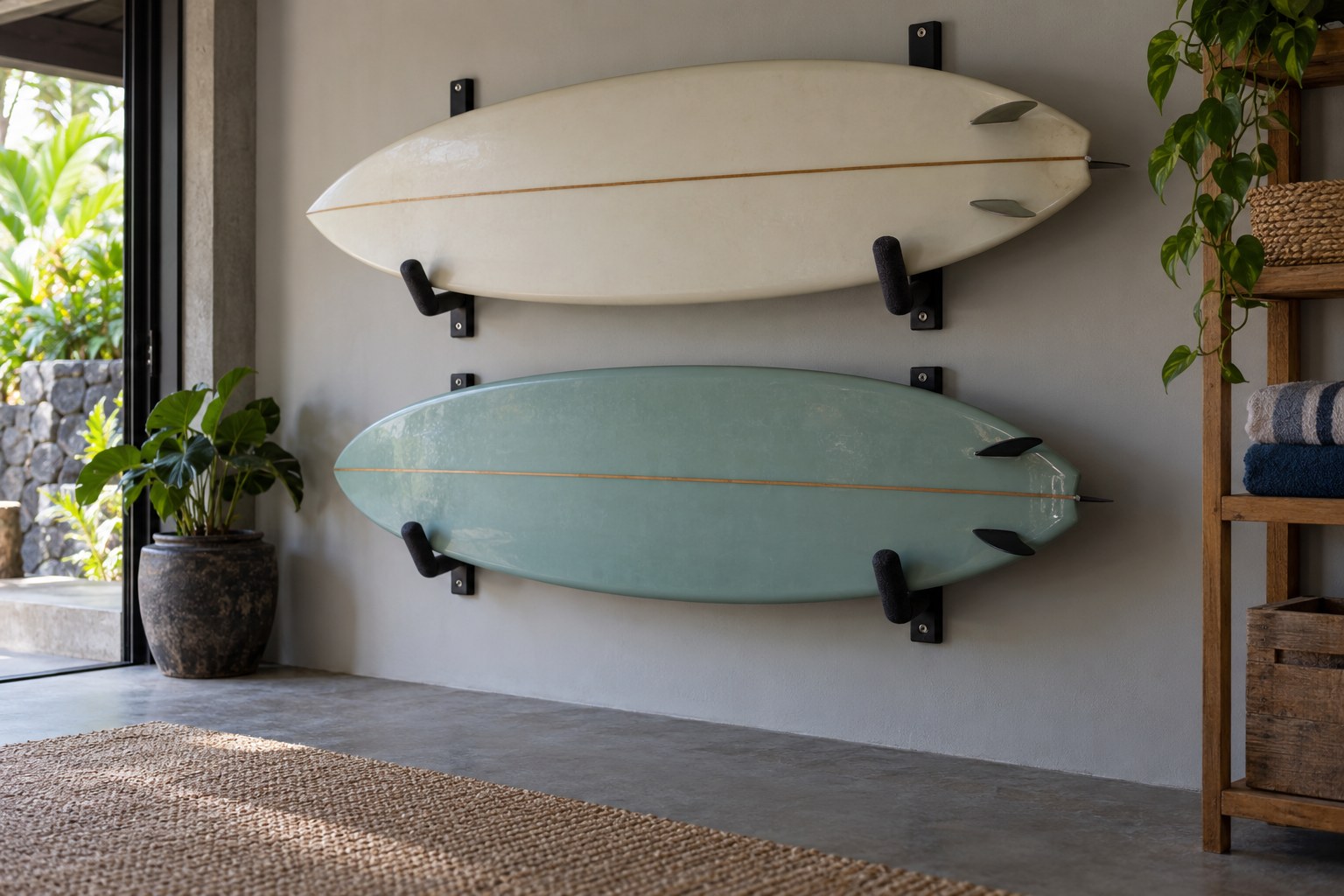
Choose a stable, compatible support in a cool storage location, and check the surrounding space for heat, movement and concentrated contact points.
Care & storage
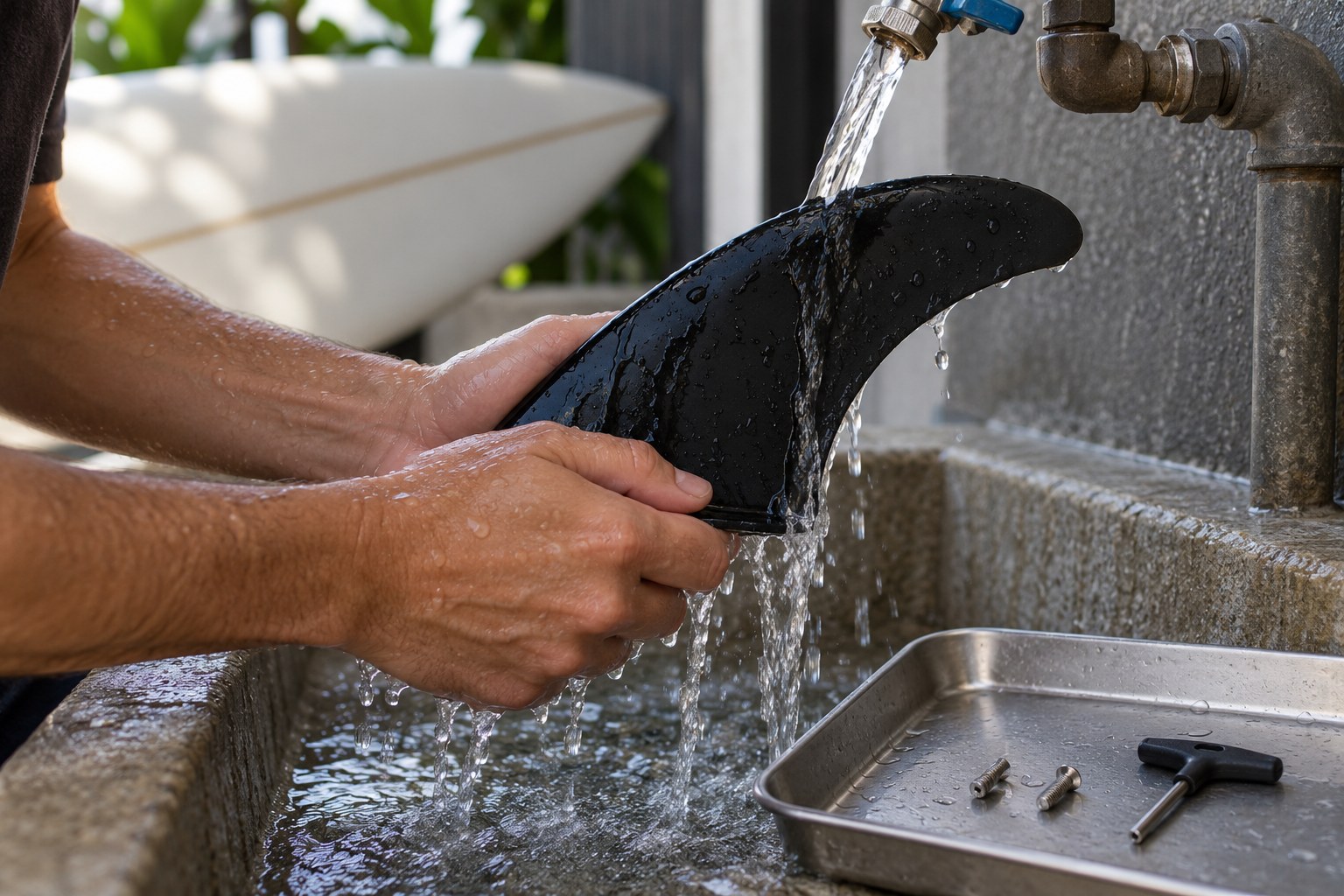
Identify the fin system and follow its cleaning instructions, keeping small components organised and checking visible wear before the board is stored.
Care & storage
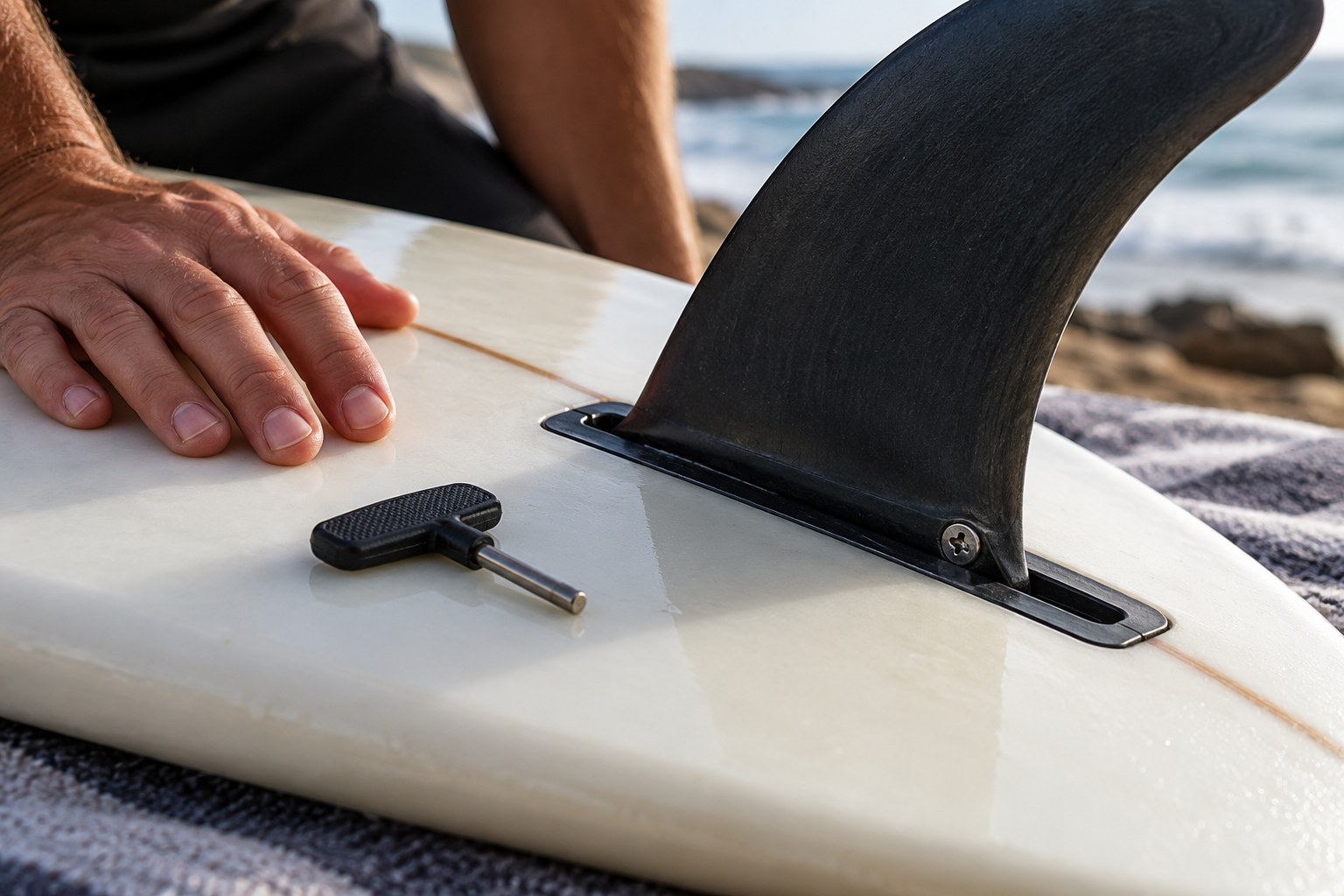
Stop when the tool slips or the fitting resists unexpectedly, then identify the system before seeking a compatible repair or replacement.
Care & storage
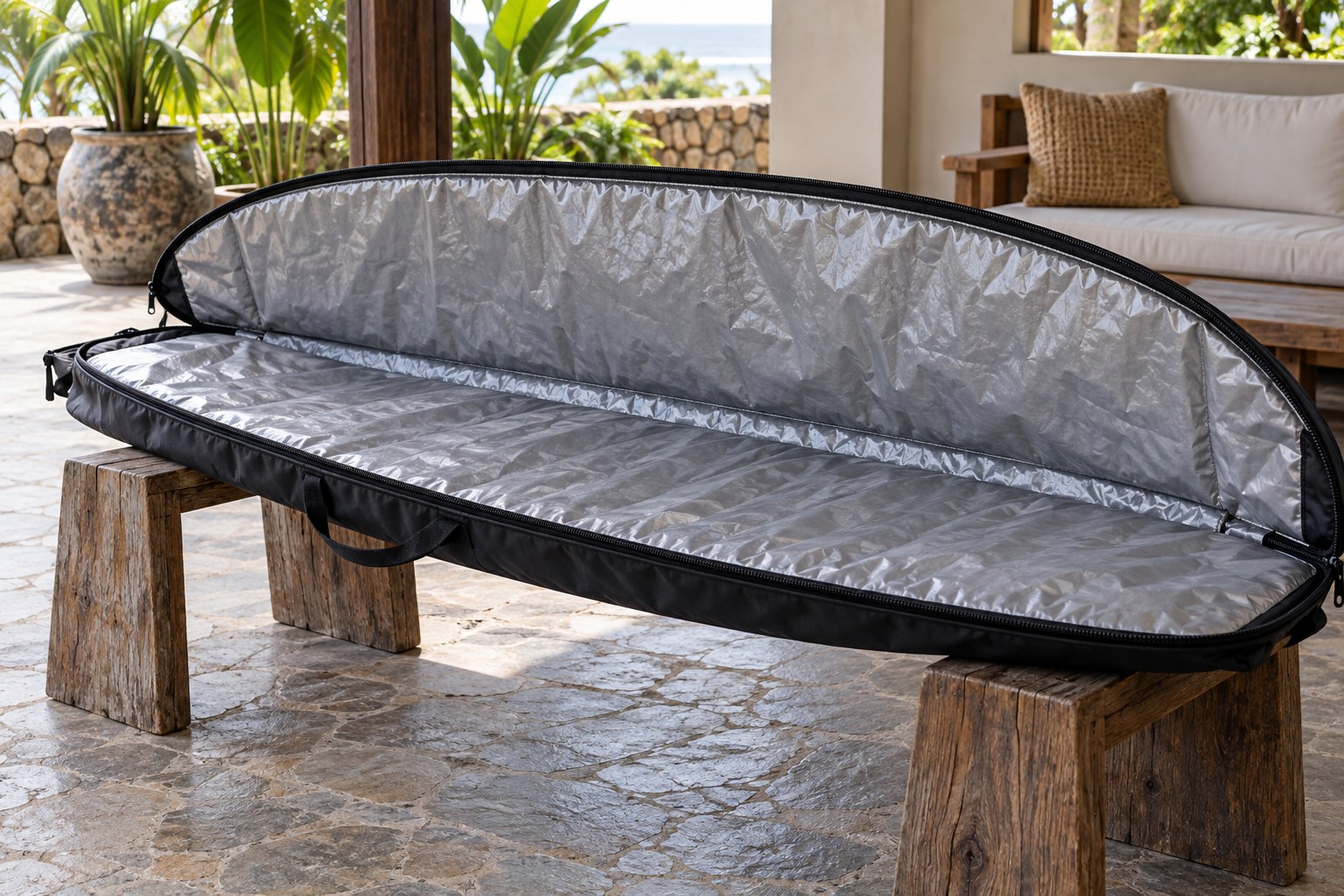
Open the bag fully after travel, remove loose contents and inspect the padding and closure before storing it around a board.
Care & storage
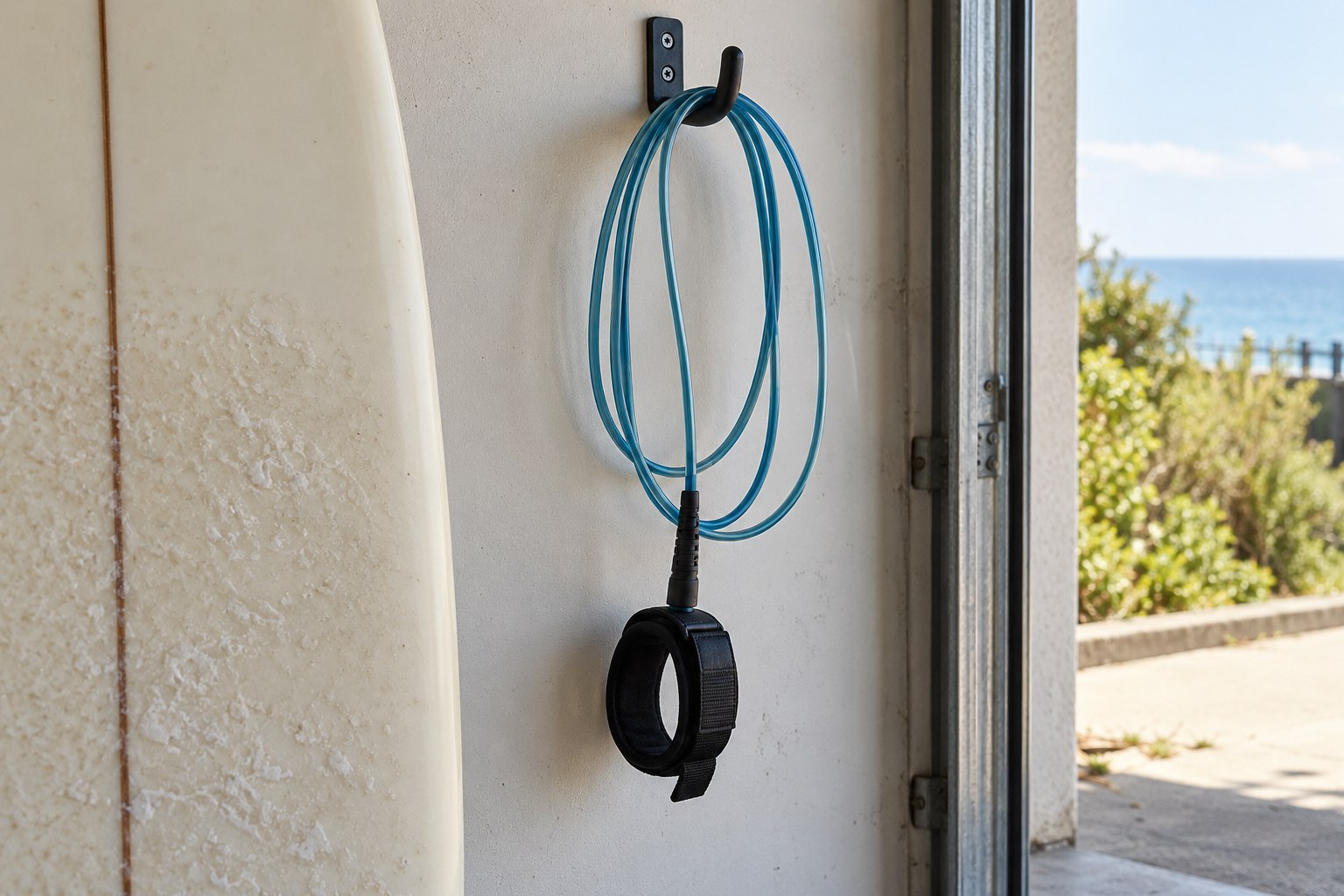
Let a cleaned leash dry in a relaxed arrangement, and keep storage separate from the inspection needed before using it again.
Care & storage
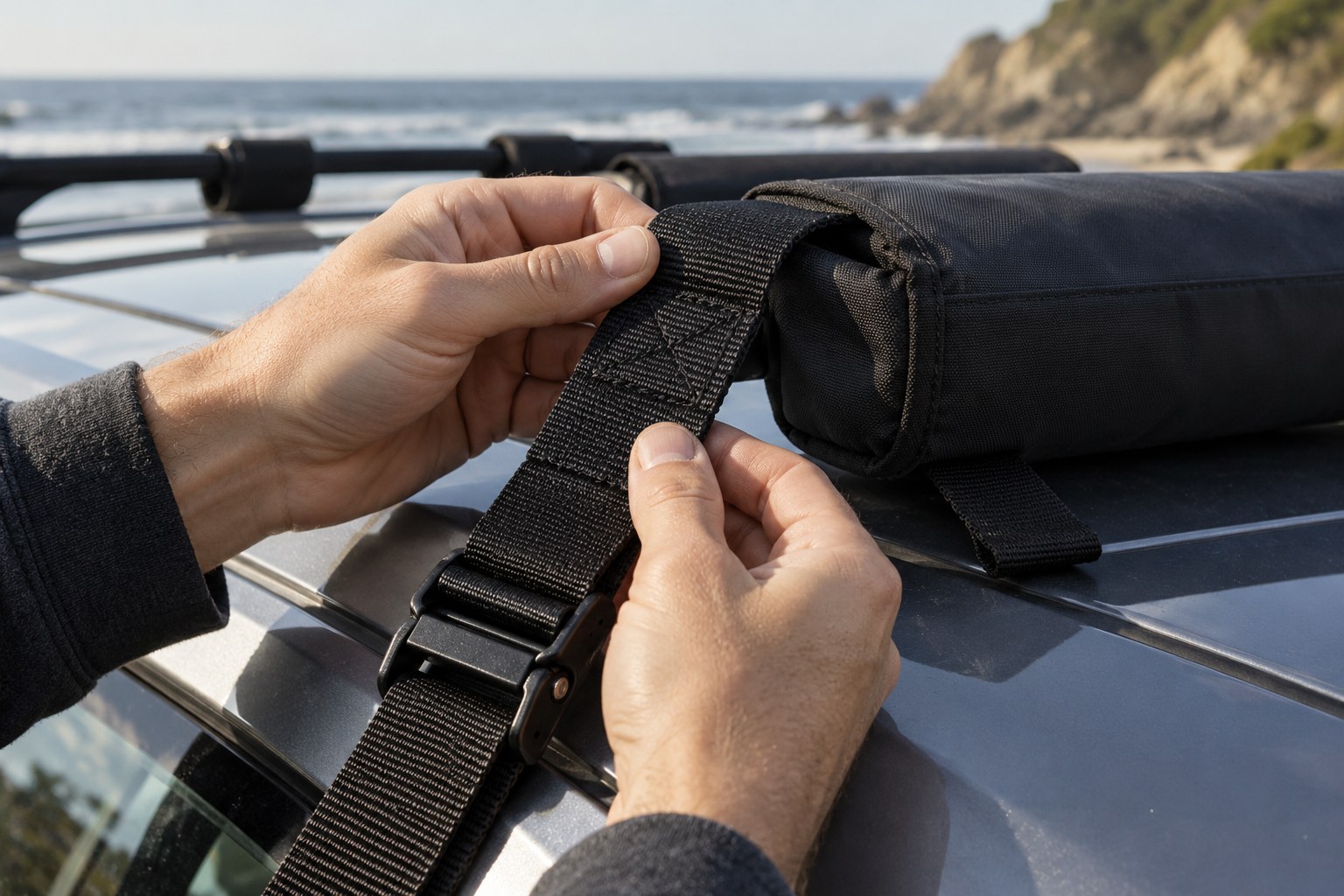
Lay out the carrying system between trips, identify worn or missing parts and resolve compatibility before it is needed on a vehicle again.
Care & storage
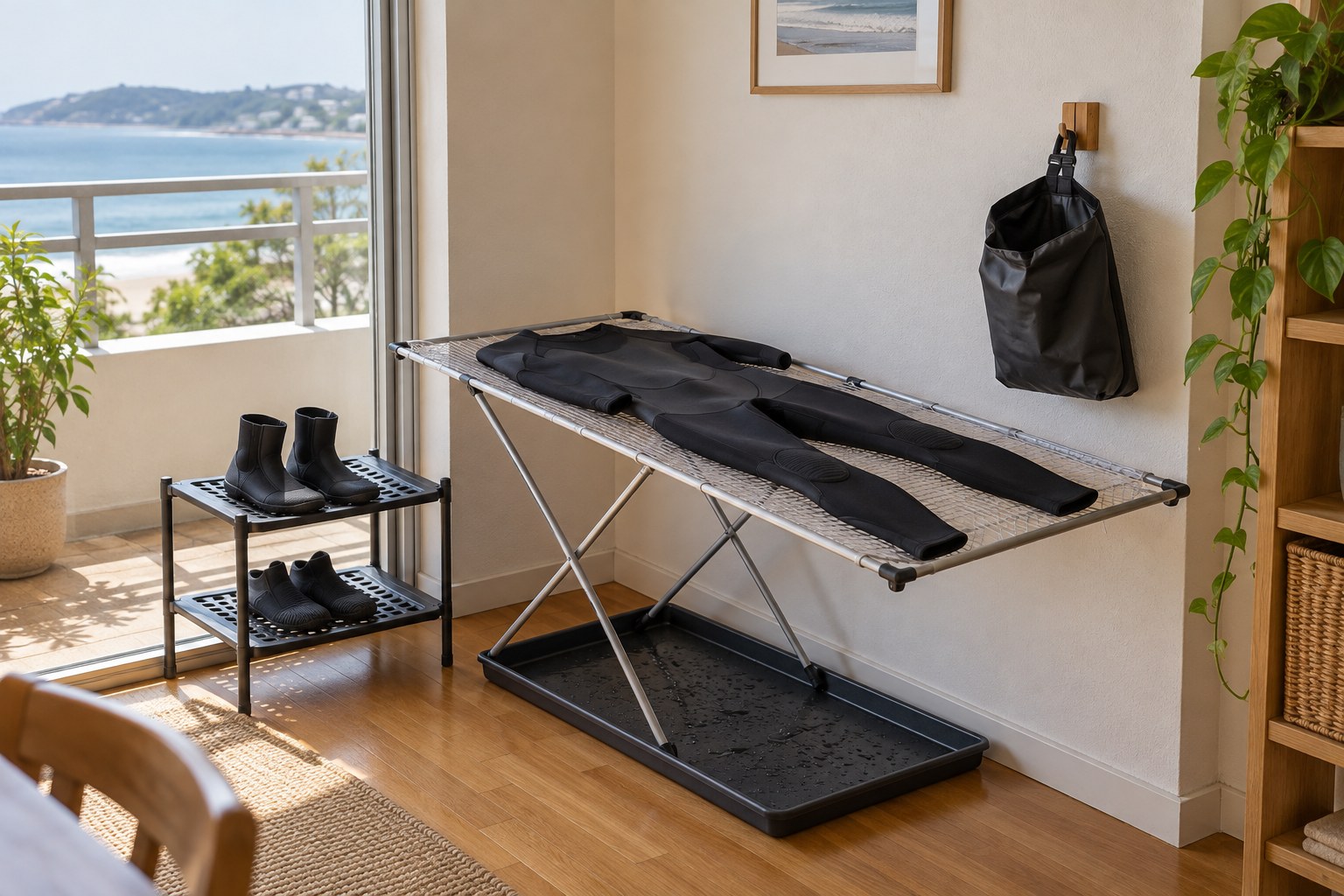
Design the drying area around drainage, permitted supports and airflow, with separate places for wet equipment and items ready to pack.
Care & storage
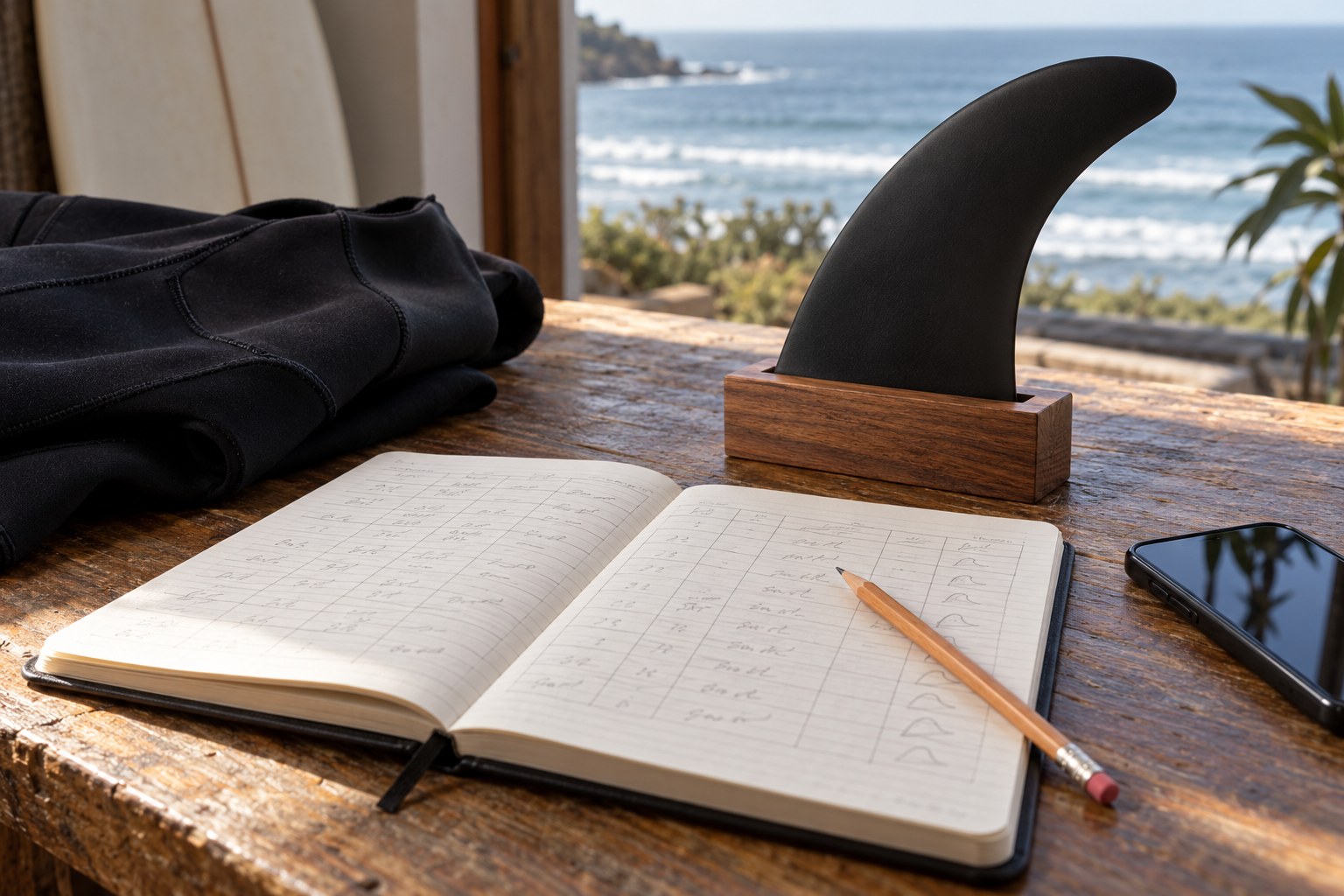
Keep enough information to identify the exact item and its compatible parts, without turning a simple equipment record into a complicated inventory project.
Care & storage
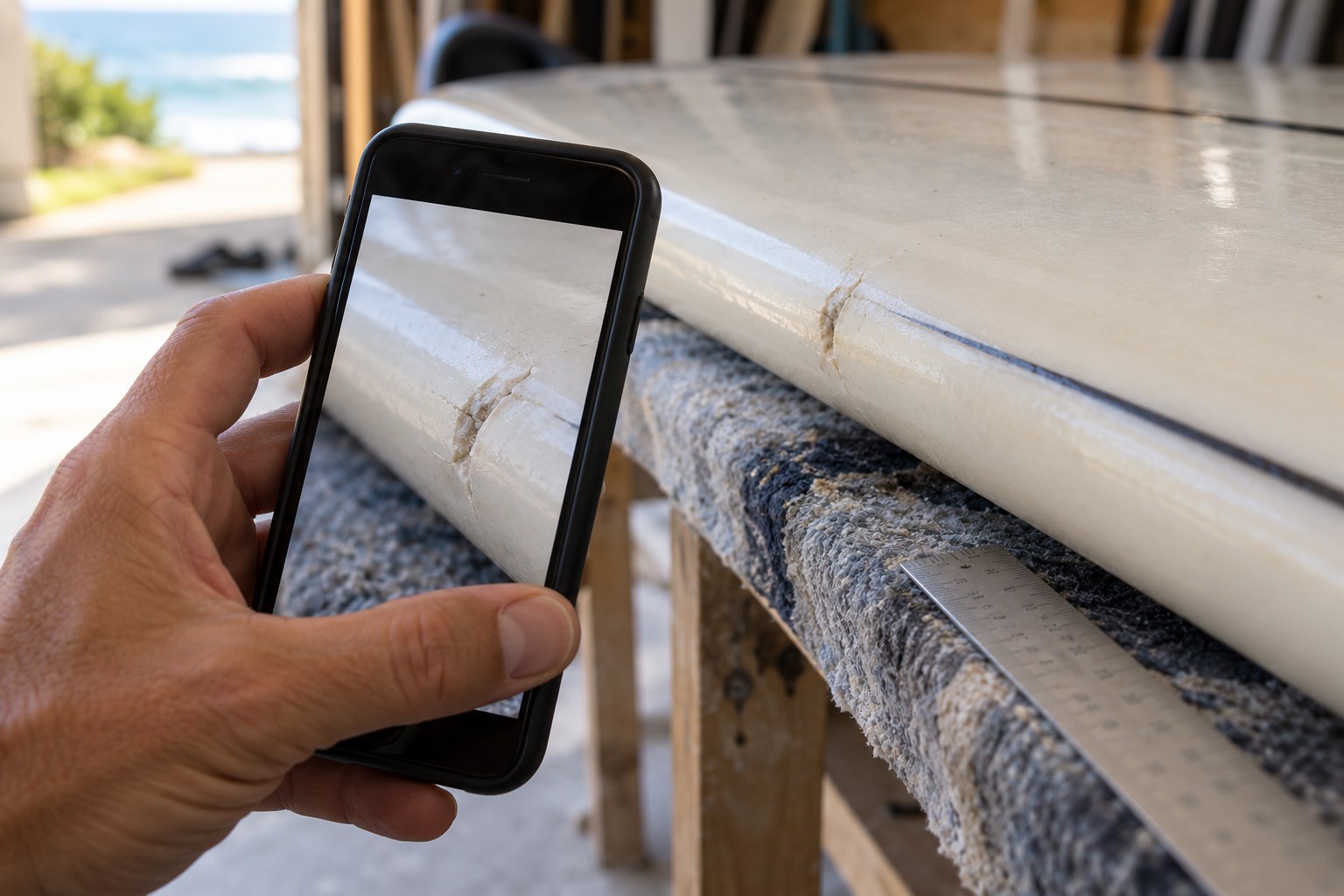
Send a clear overall view and a few well-lit detail photographs, with factual notes that locate the issue and explain what happened.
Care & storage
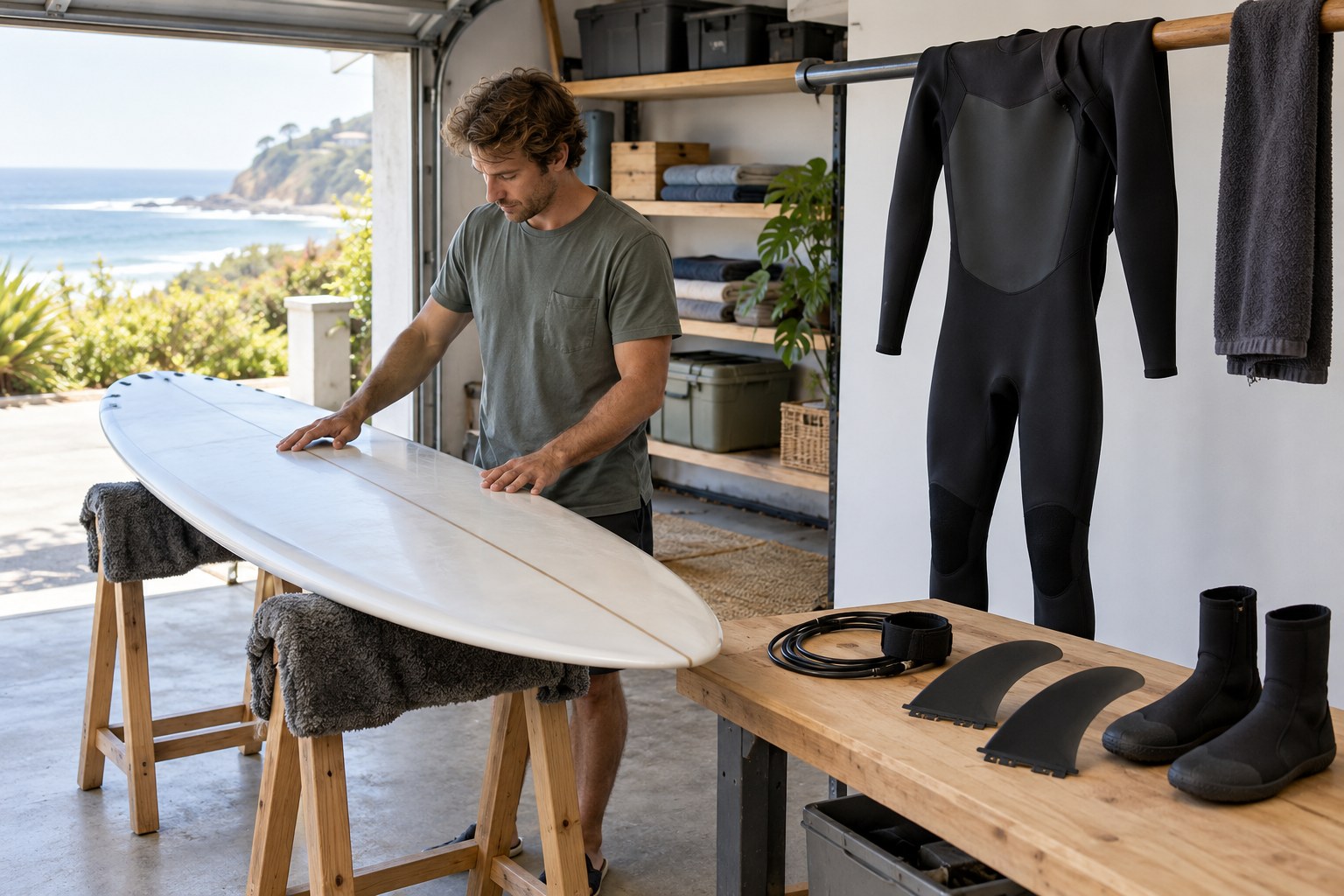
Work through equipment in the order it will be cleaned, assessed, repaired and stored, leaving a short action list for anything that is not ready.
Care & storage
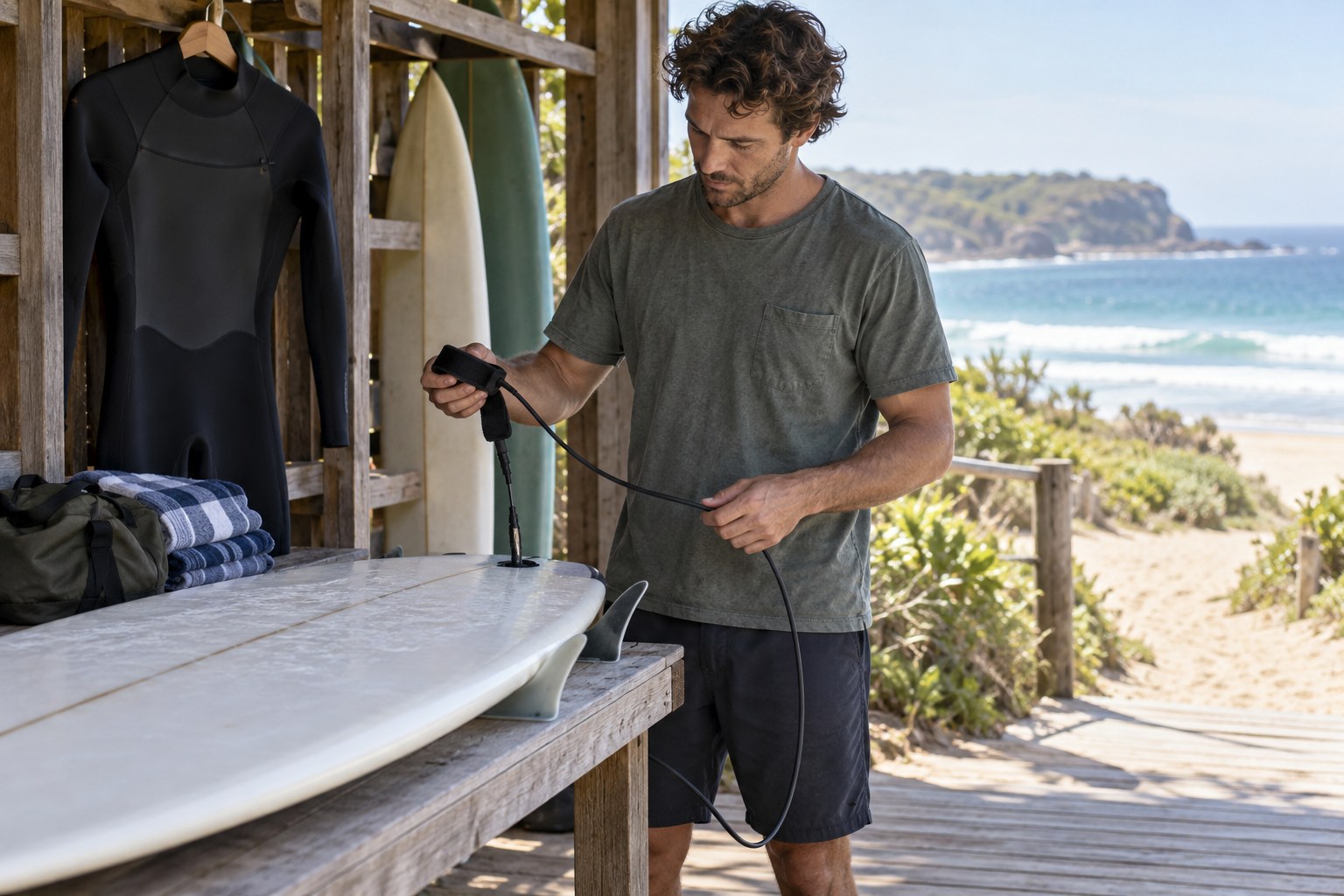
Bring equipment out early enough to inspect, resolve missing parts and confirm fit before the first booked session creates a deadline.
No matching articles. Try another term or clear your choices.